Key Takeaways
- Microsoft raised Xbox Series X/S prices again, with Surface laptops now $500-$600 more than predecessors
- Apple's MacBook Neo gets $100 bump, M3 Ultra Mac Studio up $1,300, Vision Pro now $3,699
- AI data centers are outbidding consumer electronics for limited DRAM supply from three dominant manufacturers
Microsoft and Apple both announced price increases across their consumer hardware lines this week, with Xbox consoles, Surface laptops, MacBooks, iPads, and even the Apple TV 4K getting hit. The culprit: AI data centers are absorbing so much memory that consumer electronics manufacturers can no longer hold prices steady.
The numbers are brutal. Microsoft's Xbox Series X and Series S have climbed so much that one Engadget editor noted his original purchase of both consoles together now costs $100 less than a new Series X alone. This is not the first or second price increase for Xbox. Surface laptops fare worse, with new models priced $500 to $600 above the machines they replace.
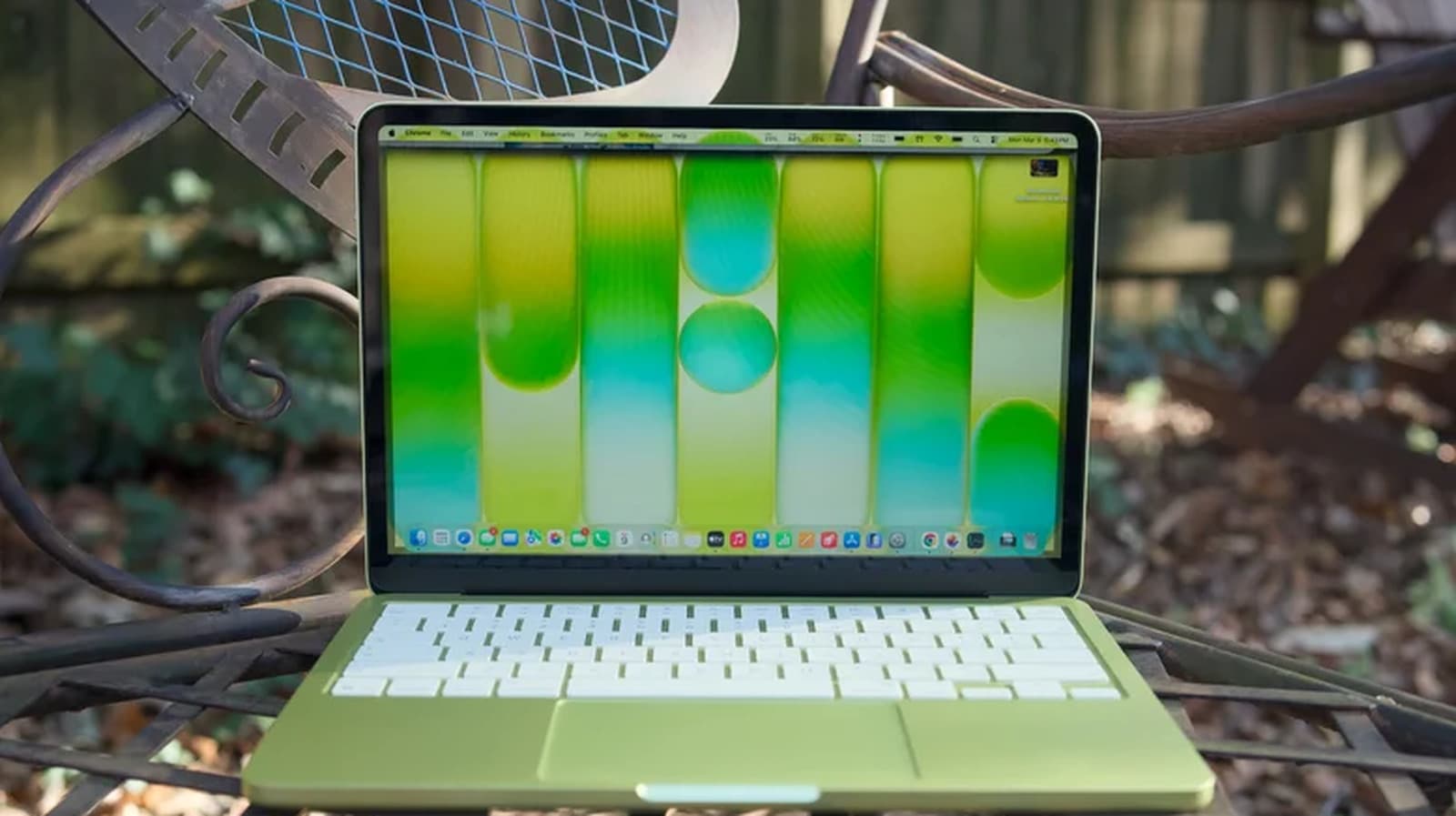
Apple, which claimed it absorbed rising memory costs in recent years, has stopped doing so. The new entry-level MacBook Neo jumped $100. Prices scale with power: the M3 Ultra Mac Studio is up $1,300. The Apple TV 4K went from $129 to $199. The HomePod rose $50 to $349. The Vision Pro headset now starts at $3,699, up from $3,499. iPhones remain unchanged, for now.
Why AI is starving consumer tech of memory
Three companies, Samsung, SK Hynix, and Micron, control roughly 95% of global DRAM production. When hyperscalers like Microsoft, Google, and Amazon collectively spend over $100 billion annually on AI infrastructure, those manufacturers have a choice: sell standard DRAM to consumer electronics makers, or sell High Bandwidth Memory to data centers at 5-10x the margin.
The math is not complicated. HBM commands premium prices because training and running large language models requires enormous amounts of fast memory. Consumer devices get what is left over, at higher prices.

The irony is not lost on industry observers. Microsoft, one of the largest investors in AI through its OpenAI partnership, is now passing memory costs to Xbox and Surface buyers. The company is, in effect, bidding against itself for limited supply.
How bad could this get?
Historical memory crunches offer a guide. The 2017-2018 DRAM shortage drove 40-60% price increases across the board. This cycle could be worse because AI demand shows no signs of slowing. OpenAI, Anthropic, Google DeepMind, and dozens of well-funded startups are all racing to train larger models. Every one of them needs memory.
Microsoft's Xbox division faces a particular bind. The console business already struggles against PlayStation, and repeated price increases make that gap harder to close. A $500+ console with no price relief in sight competes poorly against a $499 PlayStation 5 or a gaming PC built with older, cheaper components.
What buyers can do now
For anyone planning hardware purchases, the outlook suggests acting sooner rather than later. Prime Day deals on existing inventory may be the last chance to buy at older prices. The refurbished and pre-owned markets become more attractive when new prices rise $500 or more.
Enterprise buyers should budget for 15-25% higher hardware costs in 2027 planning cycles. This is not a temporary spike. Until DRAM manufacturers expand capacity, or until AI demand plateaus, consumer electronics will remain a lower-priority customer.
A glimmer of hope from IBM
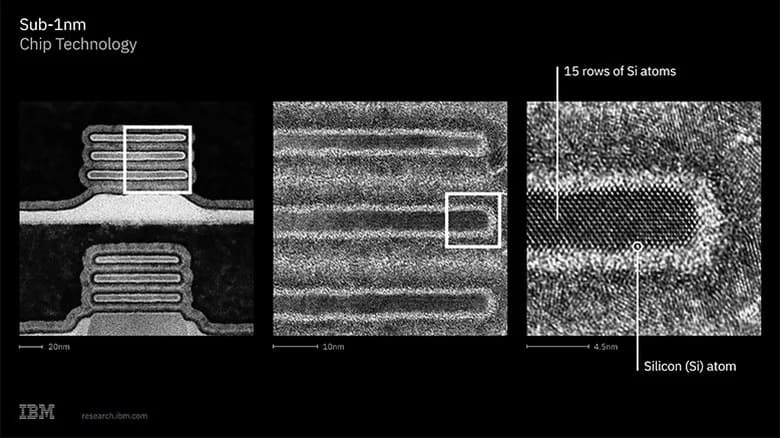
In related news, IBM announced a 0.7nm chip using its new nanostack architecture, packing nearly 100 billion transistors onto a fingernail-sized chip. IBM claims 50% better performance or 70% improved energy efficiency compared to its 2nm chips. More efficient chips eventually mean less memory required per computation, but this technology is years from consumer products.
Logicity's Take
Microsoft and Apple both have the margins to absorb these costs longer than they have. The decision to pass them through signals they expect the crunch to persist. For CTOs planning hardware refreshes, consider extending device lifecycles by 6-12 months and exploring refurbished options from certified resellers like Apple's own program or Amazon Renewed. Gaming divisions at enterprises using Xbox for employee perks or dev kits should lock in current-generation hardware before the next price bump.
Apple's chip strategy shift adds context to its pricing decisions
Another example of tech giants passing infrastructure costs to consumers
Frequently Asked Questions
Why are Xbox and MacBook prices increasing in 2026?
AI data centers are consuming so much DRAM and HBM memory that manufacturers prioritize them over consumer electronics. Microsoft and Apple can no longer absorb the higher component costs.
How much did Apple raise Vision Pro prices?
The Vision Pro headset increased $200, from $3,499 to $3,699. The Apple TV 4K saw a larger percentage jump, rising from $129 to $199.
Will iPhone prices increase due to the RAM shortage?
Apple has not announced iPhone price changes yet, but the same memory supply constraints apply. Future models may see increases if the DRAM crunch continues.
Who controls global DRAM production?
Samsung, SK Hynix, and Micron control approximately 95% of global DRAM manufacturing, giving them significant pricing power during supply shortages.
When will tech prices return to normal?
No clear timeline exists. AI demand continues growing, and new DRAM fabrication capacity takes 2-3 years to bring online. Enterprise and consumer buyers should plan for elevated prices through at least 2027.
Need Help Implementing This?
If your organization needs guidance on hardware procurement strategy, device lifecycle management, or navigating supply chain constraints, contact Logicity's advisory team for a consultation on optimizing your technology spend.
Source: Engadget
Manaal Khan
Tech & Innovation Writer
Produced with AI assistance and reviewed by the Logicity editorial team. Learn more in our Editorial Policy.




