Key Takeaways
- World raised $52.5 million through a WLD token sale with a mandatory 12-month lockup for investors
- Pantera Capital led the round, joined by Bain Capital Crypto and Susquehanna Crypto
- The funding comes after June layoffs at Tools for Humanity, which operates the World project
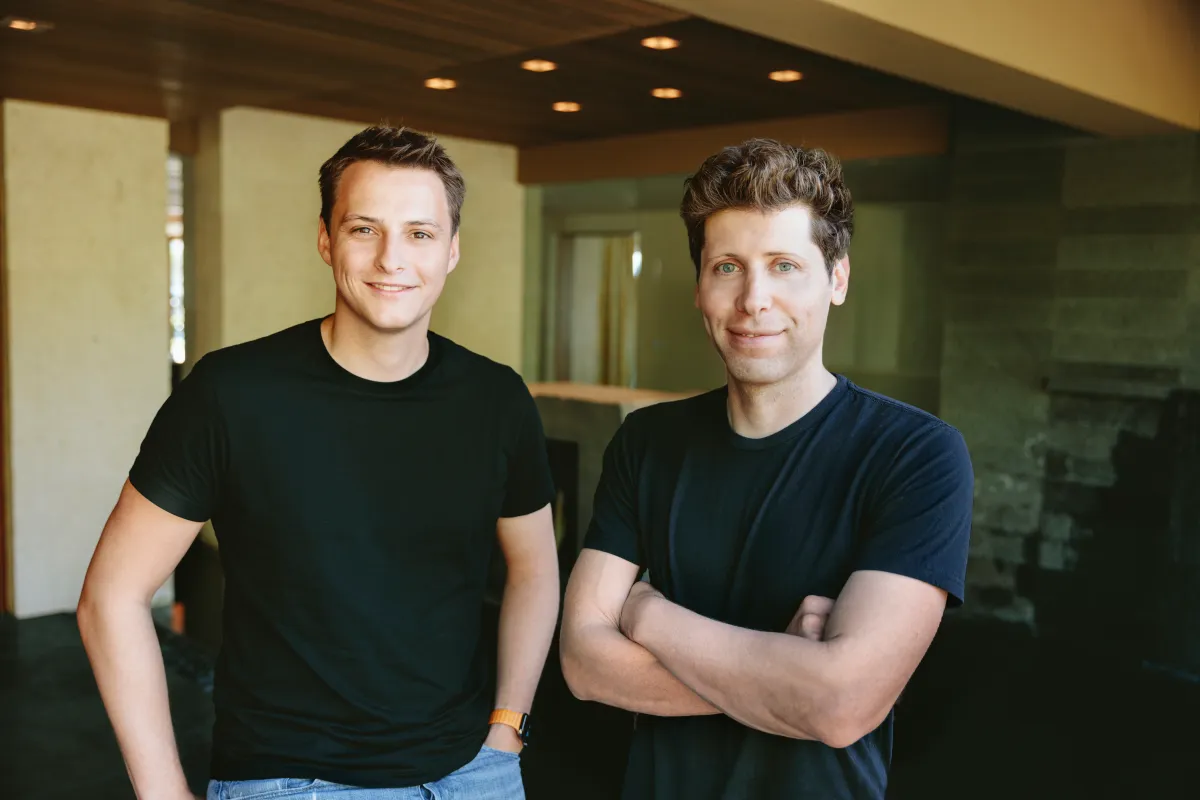
World, the biometric verification startup co-founded by OpenAI CEO Sam Altman, raised $52.5 million through a sale of its WLD crypto token. The catch: buyers must hold their tokens for 12 months before selling or trading them.
Pantera Capital, the digital asset-focused VC firm, led the round. Bain Capital Crypto, Susquehanna Crypto, Eightco Holdings, and Selini Capital also participated. The funds go to the World Foundation, a Cayman Islands-based entity that oversees network expansion.
Why the 12-month lockup matters
Lockup periods prevent investors from dumping tokens immediately after purchase, a practice that can crater prices and signal short-term speculation rather than genuine belief in a project. World framed the year-long restriction as proof of investors' "long-term commitment to World's continued growth and utility."
That messaging matters because World has had a rough year. Tools for Humanity, the San Francisco company that operates World and is led by CEO Alex Blania, conducted layoffs in June. The project has struggled to convince consumers that verifying their humanity online is worth the effort of scanning their eyeballs.
What World actually does
World sells access to what it calls "proof of human" tools. The core product is World ID, an anonymous digital marker that confirms a human, not a bot or AI agent, controls an account. As AI-generated content floods the internet, the company bets that distinguishing real humans from synthetic ones will become a pressing need.
To get the highest verification level, users must scan their irises with an Orb, a metallic spherical device that converts the scan into a cryptographic identifier. Orbs sit at World offices and partner retail locations worldwide.
The project launched under the name Worldcoin, leaning into its crypto roots. It rebranded to World as regulatory scrutiny and public skepticism toward crypto intensified. In April, World released a new app version and announced partnerships with Tinder, Zoom, and DocuSign.
Another major AI product evolution from the OpenAI ecosystem
Who are the investors backing World?
Pantera Capital, founded in 2013, was one of the first institutional investors in Bitcoin and now manages over $5 billion in blockchain-related assets. Bain Capital Crypto is the digital asset arm of the private equity giant. Susquehanna is a quantitative trading firm with significant crypto market-making operations.
The investor mix signals that institutional crypto players still see upside in World's identity verification bet, even as consumer adoption has lagged.
The scaling challenge
World's ambition is global, but its business model creates friction. Requiring physical Orb scans limits how fast the company can onboard users. Partner stores help, but the process is far more cumbersome than downloading an app and entering an email.
The June layoffs at Tools for Humanity suggest the company is recalibrating. Whether the new capital can accelerate Orb deployment or fund alternative verification methods remains unclear.
Another significant funding round with strategic investor commitments
Logicity's Take
The 12-month lockup is as much about optics as conviction. World needs to signal stability after layoffs and sluggish adoption. But the fundamental question remains: do enough people care about proving they're human to justify iris-scanning hardware across the globe? The Tinder, Zoom, and DocuSign partnerships suggest World is pivoting toward B2B integrations where companies, not consumers, pay for verification. That's a smarter near-term play. For comparison, identity verification startups like Persona and Onfido have built real businesses serving enterprises without requiring biometric hardware. World's edge is the cryptographic anonymity angle, but that matters more in crypto-native contexts than mainstream apps.
What comes next for World?
The fresh capital gives World runway, but the company still needs to prove product-market fit outside the crypto enthusiast community. Enterprise partnerships are promising. Consumer adoption of World ID verification at meaningful scale is not yet visible.
Altman's name opens doors, but his primary focus is OpenAI. Blania runs day-to-day operations. Whether Tools for Humanity can execute without the full attention of its most famous co-founder is an open question.
Frequently Asked Questions
What is the World WLD token lockup period?
Investors in the $52.5 million token sale must hold their WLD tokens for 12 months before selling or trading them.
Who led the World crypto token sale?
Pantera Capital led the round, with participation from Bain Capital Crypto, Susquehanna Crypto, Eightco Holdings, and Selini Capital.
What is World ID and how does it work?
World ID is an anonymous digital credential that verifies a human, not a bot, controls an account. Users scan their iris with an Orb device to generate a cryptographic identifier.
Has World partnered with any major companies?
Yes. In April 2026, World announced partnerships with Tinder, Zoom, and DocuSign for identity verification integrations.
Did World have layoffs recently?
Yes. Tools for Humanity, which operates World, conducted layoffs in June 2026.
Another AI-focused startup securing significant funding
Need Help Implementing This?
If you're exploring identity verification, fraud prevention, or authentication solutions for your product, reach out to our consulting team at Logicity for vendor comparisons and implementation guidance.
Source: TechCrunch / Lucas Ropek
Huma Shazia
Senior AI & Tech Writer
Produced with AI assistance and reviewed by the Logicity editorial team. Learn more in our Editorial Policy.