Key Takeaways
The Engineer Behind Wisk's Subscale Aircraft: Testing Autonomous Flight in the Real World
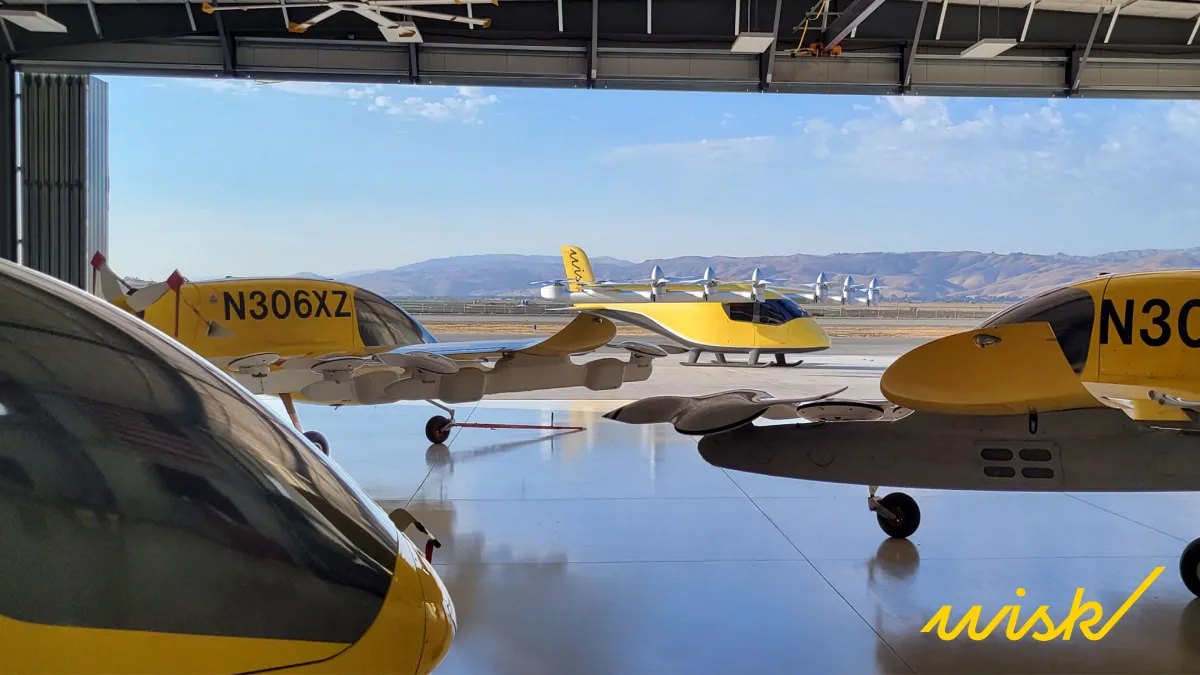
- Former software manager Briahna O'Neill filed suit claiming Wisk fired her weeks after she raised safety concerns about reduced FAA testing
- The lawsuit lands as Boeing faces ongoing scrutiny over its safety culture following the 737 MAX crashes and 2024 door plug incident
- Wisk is one of eight companies recently approved for a three-year FAA program testing autonomous electric air taxis
Wisk Aero, the autonomous air taxi company owned by Boeing, is facing a wrongful termination lawsuit from a former software manager who claims she was fired after flagging safety issues with FAA-required testing. Briahna O'Neill filed suit in Santa Clara Superior Court earlier this week, alleging discrimination and retaliation.
The timing could not be worse for Boeing. The aerospace giant has spent the past two years trying to rebuild trust after the 737 MAX crashes killed 346 people and a door plug blew out of an Alaska Airlines flight in January 2024. Now a subsidiary developing what Boeing hopes is the future of urban aviation faces accusations that echo the safety culture problems the parent company has promised to fix.
What does the lawsuit allege?
According to the lawsuit, first reported by The Seattle Times, O'Neill filed two internal safety reports claiming Wisk engineers reduced the amount of FAA-required software testing to hit a test flight deadline in 2025. She says she was fired just weeks after submitting the second complaint.
Wisk said it cannot comment on ongoing litigation. Boeing also declined to comment.
The core allegation is troubling regardless of the lawsuit's outcome. Software reliability is not optional in aviation. It is the reason certification takes years and costs hundreds of millions of dollars. If engineers were pressured to cut testing corners to meet a deadline, that represents exactly the kind of schedule-over-safety tradeoff that has haunted Boeing's commercial aviation division.
Why Wisk matters to Boeing's future
Founded in 2019 as a joint venture between Boeing and Kitty Hawk Corporation, Wisk became fully Boeing-owned in 2024 after an estimated $450 million investment. The company is developing a fully autonomous electric vertical takeoff and landing aircraft. No pilot onboard. That is a harder regulatory path than competitors pursuing piloted air taxis, but it is also a more scalable business model if certification succeeds.
Wisk has completed over 1,400 test flights and is now working on its sixth-generation aircraft. Earlier this year, the FAA approved Wisk as one of eight companies to join a three-year testing program for advanced air mobility vehicles. Morgan Stanley estimates the global market for these aircraft could exceed $1 trillion by 2040.
For Boeing, Wisk represents a bet that autonomy and electrification will reshape aviation. The company has repeatedly emphasized safety as foundational to its approach. That messaging now collides with allegations that safety took a backseat to schedule pressure.
Boeing's broader safety problems
This lawsuit does not exist in isolation. Boeing's safety culture has been under federal investigation and congressional scrutiny since the 737 MAX disasters in 2018 and 2019. The company paid $2.5 billion to settle criminal charges. Then came the January 2024 incident where a door plug blew off a new 737 MAX 9 in mid-flight.
Multiple Boeing whistleblowers have come forward in the past two years, some alleging manufacturing defects and others claiming retaliation for raising concerns. One, John Barnett, died in March 2024 while testifying in a whistleblower lawsuit against the company.
Whether or not O'Neill's specific claims prove accurate, the pattern is unmistakable. Boeing subsidiaries and suppliers keep producing employees who say they faced pressure to prioritize deadlines over safety protocols. That is a culture problem, not a coincidence.
What happens next
The lawsuit will proceed through Santa Clara Superior Court. Wisk's FAA certification process continues separately, though regulators will likely take note of allegations involving testing shortcuts. The eVTOL industry is still years away from commercial passenger service, and any hint of regulatory corner-cutting will slow that timeline.
For Wisk's competitors, including Joby Aviation, Archer Aviation, and Lilium, the lawsuit may prompt internal reviews of their own safety reporting processes. None want to be the next company accused of firing the person who tried to prevent a disaster.
Logicity's Take
This lawsuit matters beyond the specific allegations. The eVTOL industry is racing toward a regulatory framework that does not yet exist for autonomous passenger flight. Companies that build reputations for rigorous safety culture will have advantages when FAA certification decisions arrive. Those that suppress internal concerns risk both regulatory delays and catastrophic failures. For CTOs and engineering leaders watching this space, the lesson is familiar: schedule pressure that compromises testing is technical debt you cannot refinance after a crash.
Another case where internal processes and employee departures led to legal exposure
Frequently Asked Questions
What is Wisk Aero?
Wisk Aero is a Boeing-owned company developing fully autonomous electric air taxis. Unlike competitors pursuing piloted aircraft, Wisk aims to certify aircraft with no onboard pilot. The company has completed over 1,400 test flights and is working on its sixth-generation vehicle.
What does the whistleblower lawsuit allege?
Former software manager Briahna O'Neill claims she was fired after filing internal safety reports alleging that Wisk engineers reduced FAA-required software testing to meet a 2025 test flight deadline. She filed suit in Santa Clara Superior Court alleging discrimination and wrongful termination.
How does this relate to Boeing's other safety issues?
Boeing has faced intense scrutiny over safety culture following the 737 MAX crashes and a January 2024 door plug blowout. Multiple whistleblowers have alleged retaliation for raising safety concerns at Boeing and its suppliers. This lawsuit adds another subsidiary to that pattern.
Is Wisk Aero still working with the FAA?
Yes. Wisk is one of eight companies approved earlier this year to join a three-year FAA program for testing advanced air mobility aircraft. The lawsuit does not directly affect that program, though regulators may scrutinize the allegations about testing procedures.
Need Help Implementing This?
If you're building safety-critical software systems and need help establishing robust testing protocols or compliance documentation, reach out to Logicity's consulting partners for guidance on aviation-grade development practices.
Source: TechCrunch / Sean O'Kane
Huma Shazia
Senior AI & Tech Writer
Produced with AI assistance and reviewed by the Logicity editorial team. Learn more in our Editorial Policy.




