Key Takeaways
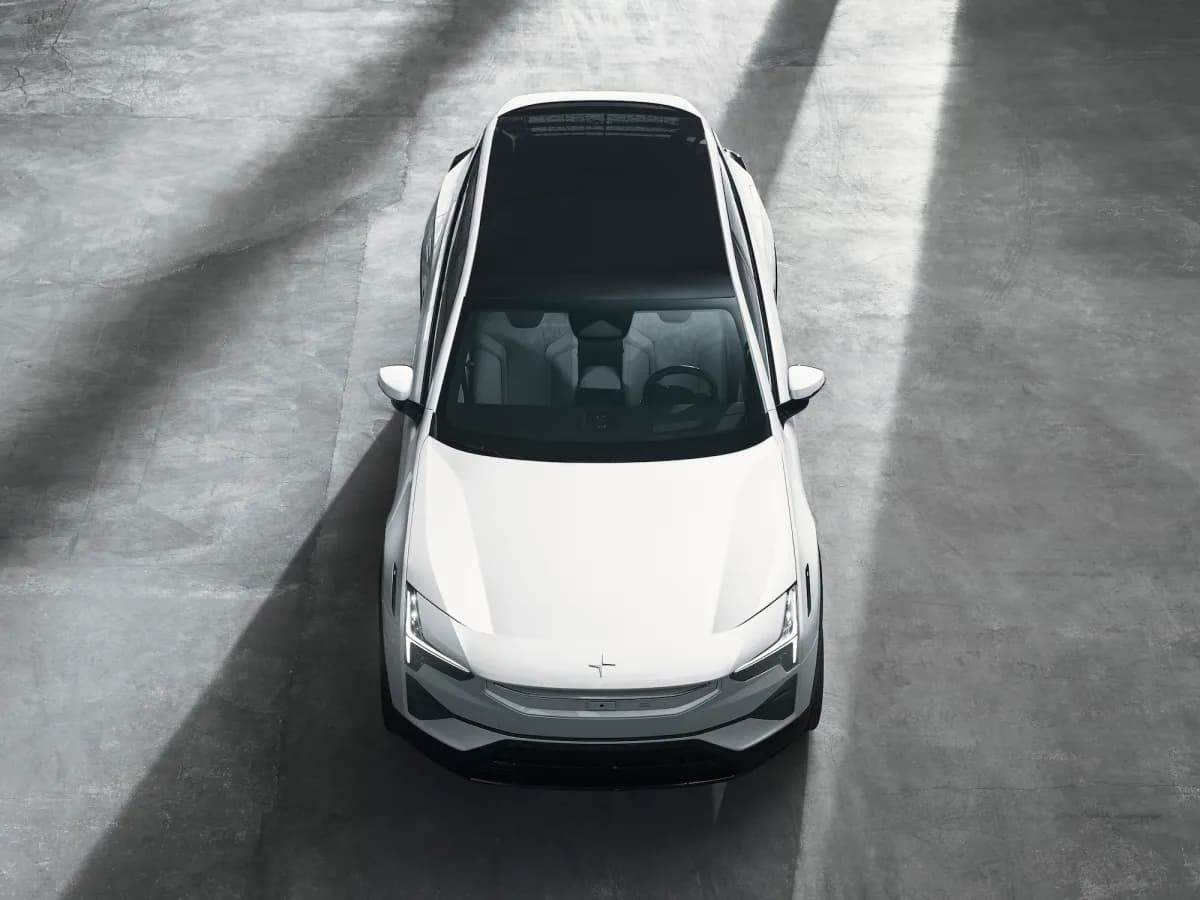
- Polestar can no longer sell new vehicles in the US after Commerce Department denied authorization under the Connected Vehicle Rule
- Volvo, also owned by Geely, received authorization just months earlier, raising questions about the decision's consistency
- Polestar says 94% of Q1 2026 sales came from outside the US and will increase focus on Europe
The Trump administration has blocked Polestar from selling new electric vehicles in the United States. The Department of Commerce refused to authorize the Swedish EV maker under the Connected Vehicle Rule, which restricts cars with Chinese software or hardware from entering the American market. Polestar's parent company is Geely, the Chinese automotive giant.
The company announced the decision on Thursday. Polestar had applied for a special authorization that would have allowed it to continue selling vehicles despite its Chinese ownership structure. That request was denied.
Existing inventory gets a pass. Polestar said it will continue selling its current stock of Polestar 3 and Polestar 4 vehicles already in the country. The company also committed to supporting existing customers, including access to its service network. But no new models will arrive on American shores.
Why did Volvo get approved but Polestar didn't?
Here's what makes this decision strange: Volvo received authorization from the same administration just a few months ago. Both Volvo and Polestar are owned by Geely. Both are headquartered in Scandinavia. Both build vehicles with similar supply chains.
The Commerce Department has not publicly explained why it approved one Geely subsidiary and rejected the other. The Connected Vehicle Rule focuses on software and hardware sourcing, so the distinction may lie in where specific components originate or how data flows through each company's systems. Without official clarity, the disparity invites speculation about whether factors beyond the rule's stated criteria influenced the outcome.
What is the Connected Vehicle Rule?
Modern electric vehicles are rolling data centers. They collect location information, driving patterns, voice recordings from cabin microphones, and video from multiple cameras. The Connected Vehicle Rule emerged from bipartisan concerns that foreign adversaries could access this data or, worse, remotely interfere with vehicle systems.
The rule specifically targets vehicles with software or hardware from countries of concern, primarily China. Geely's 78% ownership stake in Polestar apparently triggered this scrutiny, despite the brand's Swedish headquarters and European manufacturing presence.
Polestar pivots to Europe
The company is framing this as less catastrophic than it might sound. In its press release, Polestar noted that 94% of its retail sales volume in Q1 2026 came from markets outside the United States. The American market, while symbolically important, wasn't carrying the business.
Polestar said it is now increasing its strategic focus on Europe, where it faces no such restrictions. The European market has been more welcoming to Chinese-linked EV brands, though that political landscape could shift as well.
What this means for American EV buyers
The Polestar 3 and Polestar 4 won praise for their design, build quality, and driving dynamics. The Polestar 3, a luxury electric SUV starting around $73,000, competed directly with vehicles from BMW, Mercedes, and Tesla. The Polestar 4, a sportier crossover coupe, offered something genuinely different in a market full of similar-looking SUVs.
American shoppers who want these vehicles can still buy from existing dealer inventory. But once that stock sells out, there won't be replacements. Future Polestar models, including any facelifts or new generations, will not be available in the US unless the company somehow resolves its authorization status.
The broader pattern is clear: the American EV market is narrowing. Between tariffs on Chinese imports and now the Connected Vehicle Rule blocking brands with Chinese ownership, fewer options reach US consumers. Whether this protects national security or simply protects domestic automakers from competition depends on whom you ask.
Logicity's Take
The Volvo approval makes the Polestar rejection harder to defend on pure policy grounds. Both companies share the same parent, similar supply chains, and comparable data architectures. If the Connected Vehicle Rule has consistent technical criteria, the administration hasn't shown how they apply differently here. This looks less like security policy and more like picking winners, which undermines the rule's legitimacy regardless of whether Chinese-owned EVs genuinely pose risks.
Frequently Asked Questions
Can I still buy a Polestar in the US?
Yes, but only from existing inventory. Dealers can sell Polestar 3 and Polestar 4 vehicles already in stock. Once that inventory runs out, no new Polestars will be available in the American market.
Will Polestar still service existing vehicles in the US?
Yes. Polestar confirmed it will continue supporting American customers, including access to its service network for warranty work and maintenance.
Why was Volvo approved but Polestar denied?
The Commerce Department hasn't explained the distinction. Both brands are owned by Chinese company Geely, making the different outcomes difficult to understand based on publicly available information.
What is the Connected Vehicle Rule?
A Trump administration policy that restricts vehicles with Chinese software or hardware from being sold in the US, citing national security concerns about data collection and potential remote access.
Does this affect other Chinese-owned car brands?
The rule applies broadly to vehicles with Chinese software or hardware. Other brands with Chinese ownership or supply chain ties may face similar authorization requirements or denials.
Need Help Implementing This?
If you're tracking automotive policy changes, EV market shifts, or supply chain risks for your business, Logicity can help you stay ahead. Contact our research team for custom intelligence briefings on the changing regulatory landscape.
Source: TechCrunch / Sean O'Kane
Huma Shazia
Senior AI & Tech Writer
Produced with AI assistance and reviewed by the Logicity editorial team. Learn more in our Editorial Policy.




