Key Takeaways
Ultrahuman Air Fitness Ring Review - After extensive usage
- Ultrahuman Ring Pro offers up to 15 days battery life, double its predecessor, but is thicker and heavier than Oura Ring 5
- No subscription model remains Ultrahuman's key differentiator against Oura's $5.99/month paywall
- Patent disputes with Oura forced Ultrahuman to redesign, resulting in a bulkier ring that may not suit everyday wearers
Ultrahuman's latest smart ring trades comfort for endurance. The Ultrahuman Ring Pro delivers up to 15 days of battery life and ships without the subscription paywall that frustrates Oura users. But that freedom comes at a cost: the ring is thicker, heavier, and $130 more expensive than the previous Ultrahuman Ring Air. For biohackers who want granular health data without monthly fees, it's a compelling option. For everyone else, the bulk might be a dealbreaker.
Why is the Ring Pro bigger than its predecessor?
Patent disputes explain the design shift. Oura has aggressively defended its intellectual property, and Ultrahuman spent the past year rebuilding its ring to avoid infringement claims. The result is a device the company probably didn't want to make. At 2.65mm thick, the Ring Pro is noticeably chunkier than Oura Ring 5's 2.28mm profile. The sensors protrude from the inner surface, an older design approach that competitors have moved away from.
ZDNet editor Nina Raemont, who tested both rings side by side, found the difference noticeable. "As I wore both around my fingers, I became more aware of the Ultrahuman's overbearing design and less interested in keeping it on," she wrote. The Ring Pro weighs 0.9 to 2.4 grams more than the Ring Air depending on size, and that extra weight adds up over a full day.
The subscription-free advantage still matters
Ultrahuman's business model remains its strongest selling point. Oura charges $5.99 per month, or $70 annually, to access health insights from data your own body generates. Ultrahuman charges nothing. Over a three-year ownership period, that's $210 in savings before you've even compared ring prices.
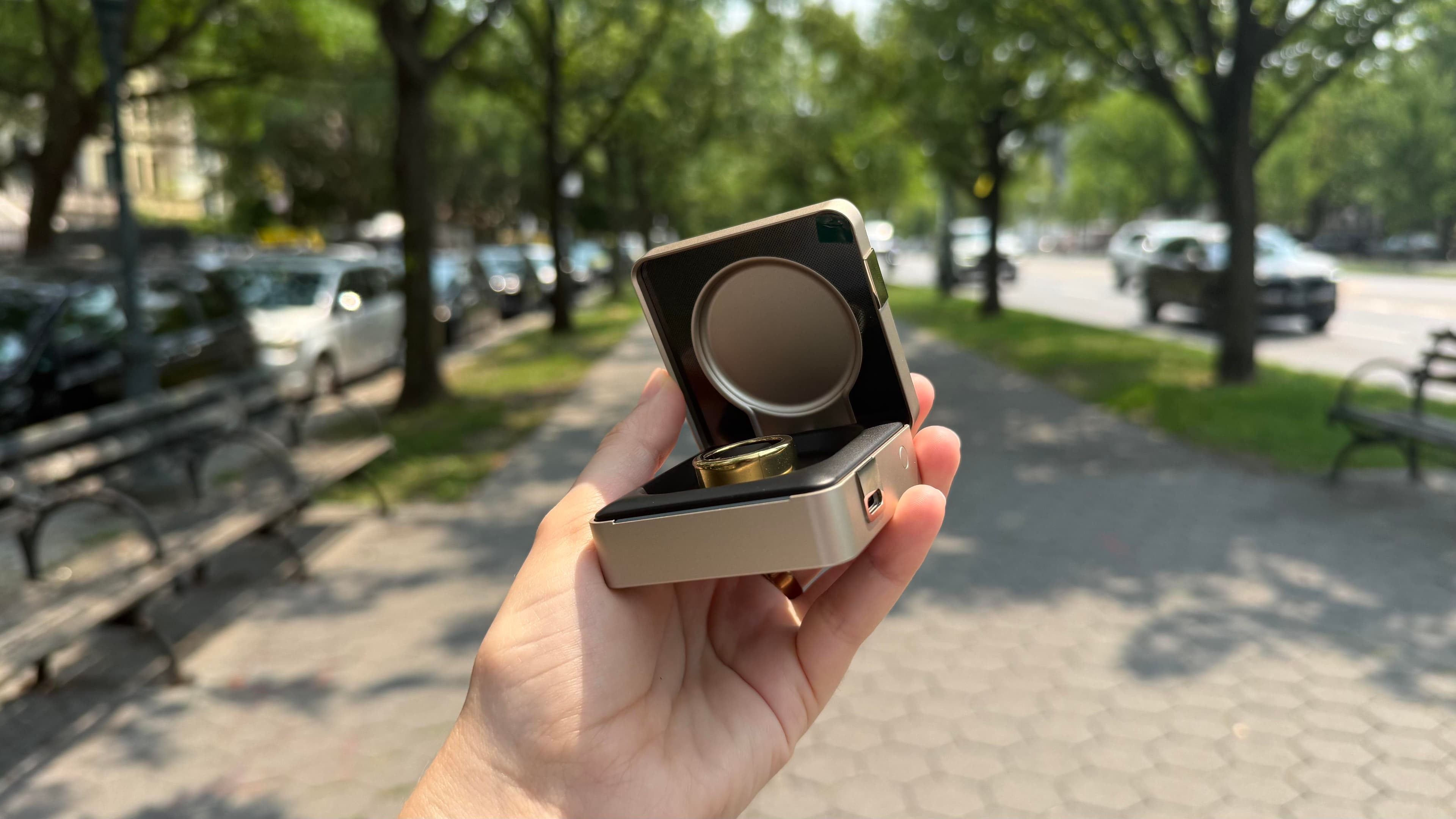
The Ring Pro ships with a charging case included at no extra cost. Battery life stretches to 15 days on a single charge, meaning users only need to charge twice a month. Compare that to Oura Ring 5's four to seven day battery life, and the endurance gap becomes significant for frequent travelers or anyone who hates another device to plug in.
Shipping delays and user complaints
Hardware is only half the equation. Customers on Reddit report shipping delays and support frustrations with Ultrahuman orders. Some have waited weeks beyond estimated delivery dates. Others have encountered quality issues.
Pre-order customers have expressed uncertainty about whether to wait or cancel.
One user reported a physical defect developing on their ring over time.
These aren't isolated complaints. For a $349+ device, buyers expect reliable fulfillment and quality control. Ultrahuman, a Bangalore-based startup that has raised over $75 million in funding, will need to address logistics as it scales.
Who should actually buy this ring?
The Ultrahuman Ring Pro fits a specific profile: dedicated biohackers who want HRV, sleep, and movement data without a subscription, and who don't mind the extra bulk. Ultrahuman also makes the M1 continuous glucose monitor, so users invested in metabolic health can integrate multiple data streams in one app.
Casual users seeking a discreet health tracker should look elsewhere. The Oura Ring 5 is thinner and lighter, though you'll pay $70 a year for the privilege of reading your own sleep scores. Samsung's Galaxy Ring offers another option for users already in Samsung's ecosystem.
The smart ring market is expanding rapidly, with projections reaching $35 billion by 2030. But growth doesn't guarantee every player survives. Ultrahuman's no-subscription model is a genuine differentiator. Its hardware execution, post-patent dispute, is less convincing.
Logicity's Take
Ultrahuman's business model is the right bet for the long term. Charging users monthly to access their own biometric data will eventually face consumer backlash, regulatory scrutiny, or both. But the Ring Pro's design compromises undercut that advantage. If Ultrahuman can slim down the next generation while maintaining battery life and subscription-free access, they'll have a genuine competitor to Oura. Right now, CTOs evaluating employee wellness programs or founders shopping for personal health tools should weigh whether the subscription savings justify the comfort tradeoff. At $349 plus $130 over the previous model, this ring is priced like a premium product but wears like a compromise.
Frequently Asked Questions
Does Ultrahuman Ring Pro require a subscription?
No. All health insights and data access are included with the ring purchase. Oura charges $5.99/month or $70/year for comparable access.
How long does Ultrahuman Ring Pro battery last?
Up to 15 days on a single charge, which means charging approximately twice per month.
Is Ultrahuman Ring Pro thicker than Oura Ring 5?
Yes. The Ring Pro is 2.65mm thick compared to Oura Ring 5 at 2.28mm. It also weighs more and has protruding sensors.
Why did Ultrahuman change the ring design?
Patent disputes with Oura forced Ultrahuman to redesign the ring to avoid infringement claims, resulting in the bulkier form factor.
What health metrics does Ultrahuman Ring Pro track?
HRV, sleep quality, movement, and recovery metrics. It integrates with Ultrahuman's app and their M1 continuous glucose monitor for metabolic health tracking.
Need Help Implementing This?
If your team is evaluating wearables for employee wellness programs or personal productivity tracking, contact Logicity for vendor comparisons and implementation guidance.
Source: Latest news
Manaal Khan
Tech & Innovation Writer
Produced with AI assistance and reviewed by the Logicity editorial team. Learn more in our Editorial Policy.