Tesla Full Self-Driving Approved in Netherlands: Europe's First FSD Country and What It Means for EU Expansion
Key Takeaways
- Netherlands becomes the first European country to approve Tesla's FSD Supervised system
- Dutch regulators spent over 18 months testing FSD on tracks and public roads
- This approval could pave the way for rollout across all EU member states
- Drivers must remain in control at all times despite the 'self-driving' name
- NHTSA investigations into FSD collisions continue in the United States
Read in Short
Tesla's Full Self-Driving Supervised just got the green light in the Netherlands, making it the first European country to approve the system. After a year and a half of testing, Dutch regulators say it's a 'positive contribution' to road safety. But here's the catch: drivers still need to stay alert and in control at all times.
So Tesla finally cracked Europe. After years of FSD being a US-only party, the Netherlands just became the first European country to approve Tesla's Full Self-Driving Supervised system. And yeah, this is kind of a big deal.
The Dutch vehicle regulatory authority, RDW, confirmed the approval on their website this week. Tesla Europe was quick to announce that the system would start rolling out to Dutch Tesla owners shortly. If you've been jealously watching American Tesla owners let their cars navigate intersections while you're stuck with basic Autopilot, your time has come.
What Did the Dutch Actually Test?
RDW didn't just rubber-stamp this thing. They put Tesla's FSD through the wringer for more than a year and a half. We're talking extensive examinations on their test track plus real-world driving on public roads. The conclusion? FSD Supervised is a 'positive contribution' to road safety.
But let's pump the brakes for a second. The regulators were very clear about something important.
“The driver remains responsible and must always remain in control.”
— RDW, Netherlands Vehicle Authority
So no, you can't take a nap while your Tesla drives you through Amsterdam. The 'Supervised' part of Full Self-Driving Supervised actually means something. You're still the legally responsible party behind the wheel, even if the car is handling most of the work.
What is FSD Supervised?
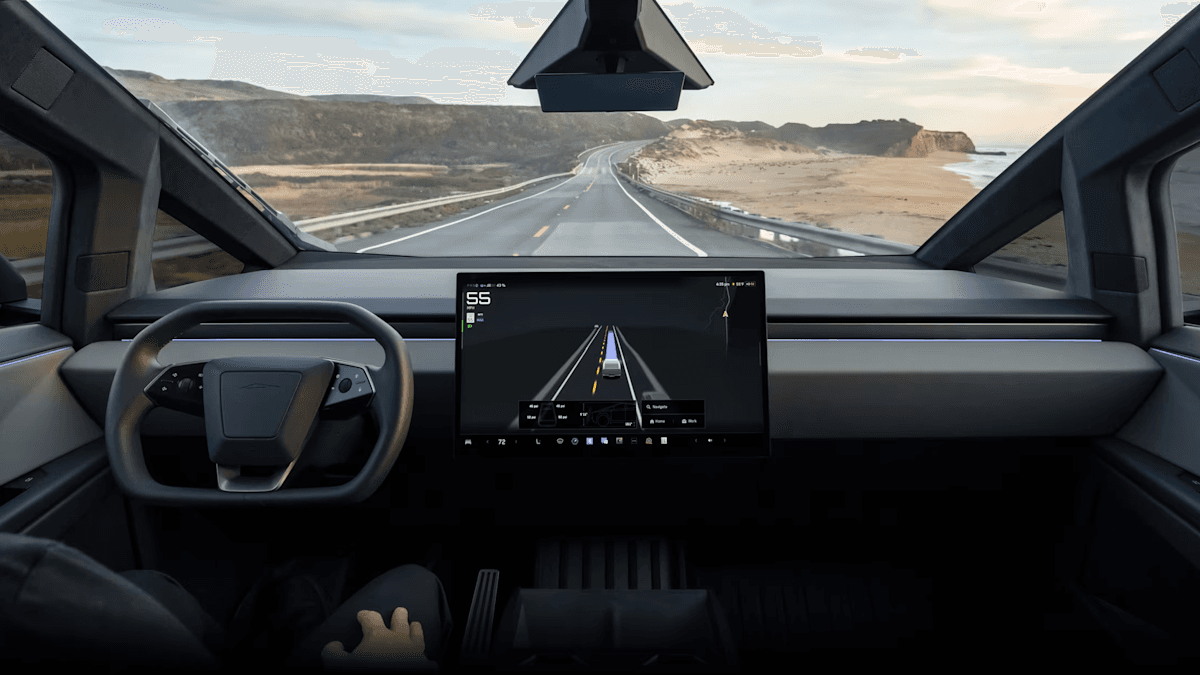
Tesla's Full Self-Driving Supervised is an advanced driver assistance system that can navigate city streets, handle intersections, make turns, and respond to traffic lights and stop signs. Despite the name, it requires constant driver attention and the ability to take over immediately. It's not truly autonomous driving.
Why This Matters for the Rest of Europe
Here's where things get interesting. The Netherlands isn't just any European country when it comes to vehicle regulations. RDW mentioned that Tesla's Dutch approval could lead to 'possible later admittance in all member states of the European Union.'
That's the beauty of EU type approvals. Once you get the stamp from one member state, it can potentially open doors across the entire bloc. Germany, France, Spain, Italy, all of them could be next in line.
This has been a long time coming. Tesla published a roadmap back in 2024 outlining plans to bring automated driving features to Europe and China. The Netherlands approval represents the first real domino falling in that European strategy.
The Elephant in the Room: Those NHTSA Investigations
Look, we can't talk about FSD without mentioning the ongoing drama stateside. The National Highway Traffic Safety Administration has been poking around Tesla's driver assistance systems for a while now. And the latest probe? It's specifically targeting collisions that happen when using FSD in reduced visibility conditions.
Think fog, heavy rain, snow, basically any weather that makes driving trickier. The investigation covers both the regular FSD and the Supervised version that just got approved in the Netherlands.
- NHTSA has multiple ongoing investigations into Tesla's automated driving systems
- Current probe focuses on crashes in low-visibility weather conditions
- Both standard FSD and FSD Supervised are under scrutiny
- No recall has been issued yet, but investigations remain active
Does this mean Dutch drivers should be worried? Not necessarily. European road conditions and regulatory standards differ from American ones. Plus, RDW clearly did their homework with that 18-month testing period. But it's worth keeping an eye on how those US investigations play out.
Curious about how AI is transforming other industries beyond automotive? This deep dive explores AI integration across web development.
What Dutch Tesla Owners Can Expect
If you're a Tesla owner in the Netherlands, here's what's likely coming your way. The FSD Supervised rollout should begin soon, though Tesla hasn't given a specific date. You'll probably need to meet certain vehicle requirements, like having the latest hardware version, and there might be a subscription or one-time purchase option similar to how it works in the US.
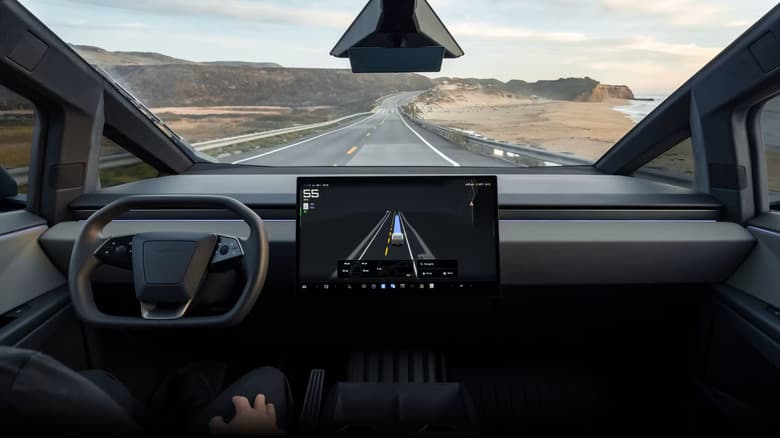
The system itself handles a lot. City street navigation, traffic light recognition, stop sign compliance, unprotected left turns, the works. It's genuinely impressive tech when it works well. But remember what RDW said: you're still the driver. Hands on the wheel, eyes on the road.
The Bigger Picture for Autonomous Driving in Europe
Europe has traditionally been more cautious than the US when it comes to approving advanced driver assistance systems. The fact that the Netherlands went through such a rigorous testing process before approval shows that this caution isn't going away. And honestly? That's probably a good thing.
The Dutch approval sets a template for how other EU countries might evaluate FSD. Extensive testing, clear communication about driver responsibility, and a focus on road safety contributions rather than just tech capabilities.
✅ Pros
- • First European approval creates pathway for EU-wide rollout
- • 18 months of testing provides safety validation
- • Dutch infrastructure well-suited for FSD capabilities
- • Positions Tesla ahead of competitors in European ADAS market
❌ Cons
- • Ongoing NHTSA investigations create uncertainty
- • Driver must remain fully attentive despite 'self-driving' name
- • Timeline for other EU countries remains unclear
- • Weather-related performance concerns still under investigation
What Happens Next?
The Netherlands approval is step one. Tesla will likely use this as a springboard to push for approvals in other major European markets. Germany would be huge given its automotive industry significance. France and the UK are probably on the radar too.
For now, Dutch Tesla owners get to be the guinea pigs for FSD in Europe. That's either exciting or slightly terrifying depending on your perspective. Probably both.
The real test will be how FSD performs on European roads, which are often narrower and more complex than American ones. Roundabouts, tight city centers, aggressive cyclists in Amsterdam. Tesla's system is about to face some uniquely European challenges.
Bottom Line
Tesla's FSD Supervised approval in the Netherlands marks a genuine milestone for autonomous driving in Europe. The rigorous testing process suggests regulators took this seriously, but drivers should remember that 'supervised' is the key word here. Stay alert, stay in control, and maybe wait to see how those NHTSA investigations shake out before getting too comfortable.
If you're interested in how AI assistance is changing daily tasks, this piece covers the broader productivity implications of AI tools.
Sources & Credits
Originally reported by Engadget is a web magazine with obsessive daily coverage of everything new in gadgets and consumer electronics
Huma Shazia
Senior AI & Tech Writer
Produced with AI assistance and reviewed by the Logicity editorial team. Learn more in our Editorial Policy.




