Elon Musk's ambitious plan to launch a million data centers into orbit has sparked intense debate. Proponents claim it's the key to unlocking AI's full potential without harming the environment, while critics point to significant technological hurdles. As the tech world weighs the pros and cons, one thing is certain - the future of data storage is about to get a whole lot more interesting.
Key Takeaways
- SpaceX wants to launch a million data centers into orbit to support AI growth
- Space-based data centers could reduce energy and water consumption
- Significant technological hurdles must be overcome before this becomes a reality
In This Article
- The Vision for Space-Based Data Centers
- Overcoming the Challenges of Space-Based Computing
- What the Experts Have to Say
- The Future of Data Storage
- The Road Ahead
The Vision for Space-Based Data Centers
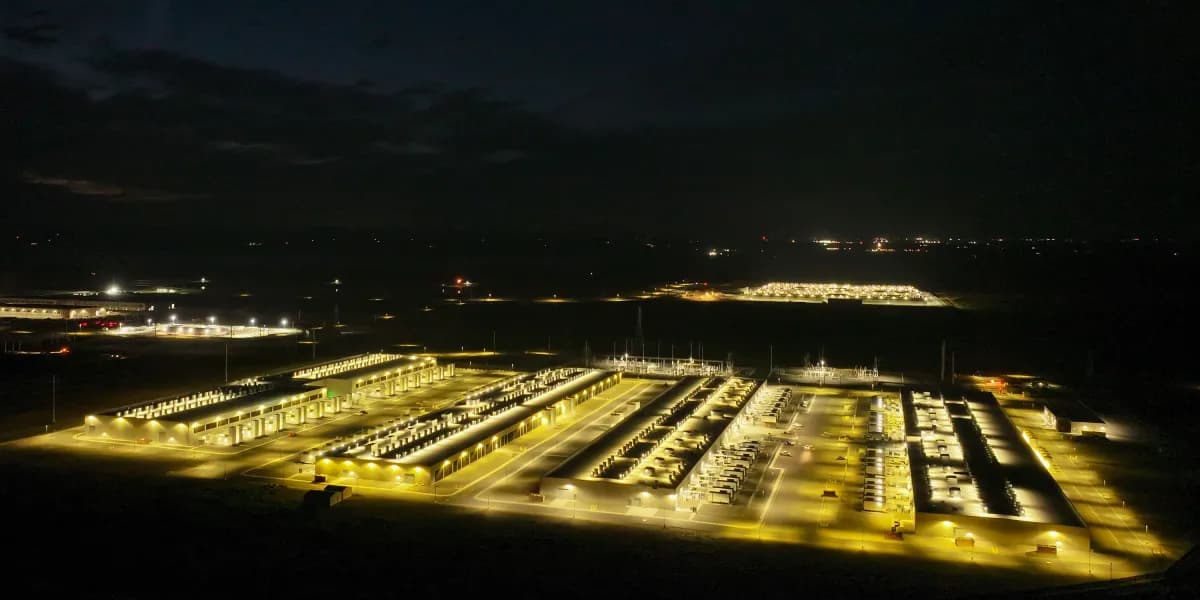
Imagine a future where data centers are no longer bound by the limitations of Earth's resources. Elon Musk's SpaceX is working towards making this a reality, with plans to launch up to a million data centers into orbit. But what does this mean for the tech industry, and is it even possible?
- Reduced energy and water consumption
- Uninterrupted access to solar power
- Easy heat expulsion into space
Overcoming the Challenges of Space-Based Computing
While the idea of space-based data centers is intriguing, it's not without its challenges. From heat management to radiation protection, there are several obstacles that must be addressed before this vision can become a reality.
- Heat management in space is a significant problem
- Radiation protection is crucial for electronic equipment
- Space launches are still a costly endeavor
What the Experts Have to Say
We spoke to industry experts to gain a deeper understanding of the challenges and opportunities presented by space-based data centers. According to Lilly Eichinger, CEO of Satellives, 'Thermal management and cooling in space is generally a huge problem.'
- Yves Durand, former director of technology at Thales Alenia Space, believes that existing technology can be used to address some of the challenges
- The cost of space launches is decreasing, making it more viable for companies to launch data centers into orbit
The Future of Data Storage
As the tech industry continues to evolve, it's clear that traditional data storage methods will no longer be sufficient. Space-based data centers offer a potential solution, but it's crucial that we address the challenges and concerns surrounding this technology.
- Google plans to launch a test constellation of 80 data-crunching satellites
- Starcloud, a startup based in Washington State, has already launched a satellite fitted with a high-performance Nvidia H100 GPU
The Road Ahead
The concept of space-based data centers is still in its infancy, but it has the potential to revolutionize the way we store and process data. As companies like SpaceX, Google, and Starcloud continue to push the boundaries of what's possible, we can expect to see significant advancements in this field.
- The potential for space-based data centers to reduce energy consumption and support AI growth is vast
- However, significant technological hurdles must be overcome before this becomes a reality
“Thermal management and cooling in space is generally a huge problem”
— Lilly Eichinger, CEO of Satellives
Final Thoughts
As we look to the future of data storage, it's clear that space-based data centers will play a significant role. While there are challenges to be addressed, the potential benefits of this technology are too great to ignore. With companies like SpaceX, Google, and Starcloud leading the charge, we can expect to see significant advancements in this field in the years to come.
Sources & Credits
Originally reported by MIT Technology Review
Huma Shazia
Senior AI & Tech Writer
Produced with AI assistance and reviewed by the Logicity editorial team. Learn more in our Editorial Policy.