Uncovering the Ancient Roots of Probability: Native Americans Were Rolling the Dice 12,000 Years Ago

A recent study reveals that Native Americans have been playing games of chance with dice for over 12,000 years, predating the earliest known dice in the Old World. This discovery sheds new light on the understanding of probability in ancient cultures. The findings also highlight the importance of reevaluating historical assumptions about the origins of gaming and probability.
Key Takeaways
- Native Americans used dice in games of chance over 12,000 years ago
- The oldest known Native American dice predate those in the Old World by millennia
- These ancient dice were simple, with just two sides, and were used in structured games
In This Article
- The Ancient Roots of Gaming
- Uncovering the Past
- What Are Binary Lots?
- Rethinking the Origins of Probability
- A Broader Perspective on Ancient Cultures
- Future Research Directions
The Ancient Roots of Gaming
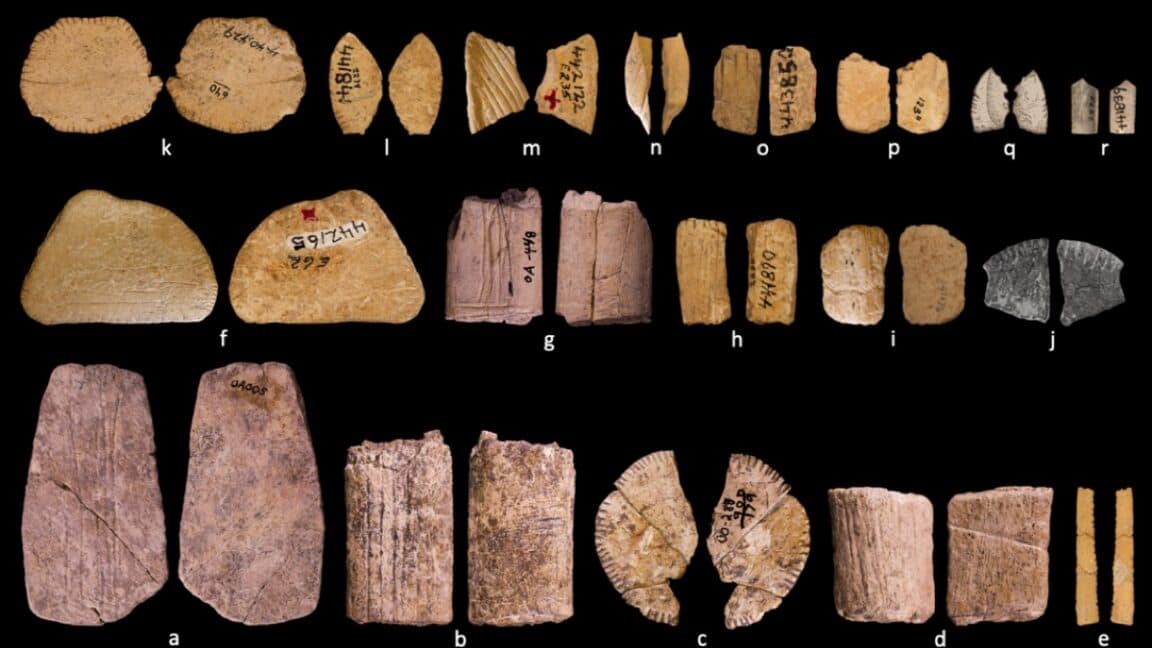
For centuries, historians believed that dice and probability were innovations from the Old World. However, a new study published in the journal American Antiquity reveals that Native Americans were using dice in games of chance over 12,000 years ago, challenging these long-held assumptions.
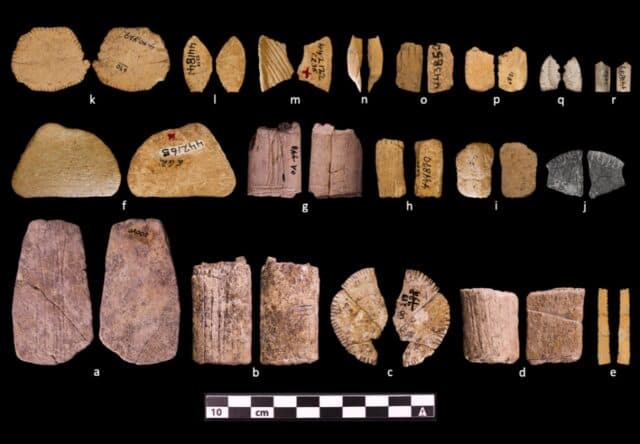
- The study's findings are based on the analysis of ancient Native American artifacts
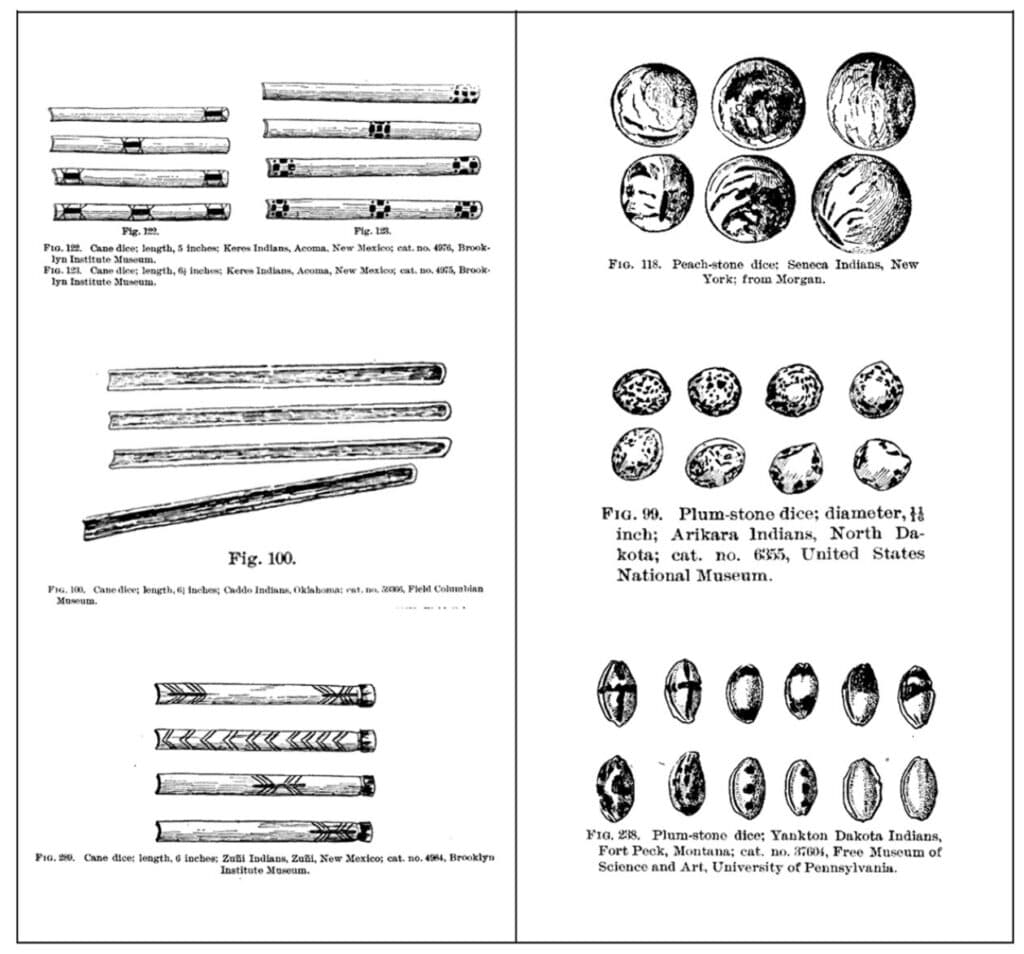
- These artifacts, known as binary lots, were used in games of chance and had just two sides
Uncovering the Past
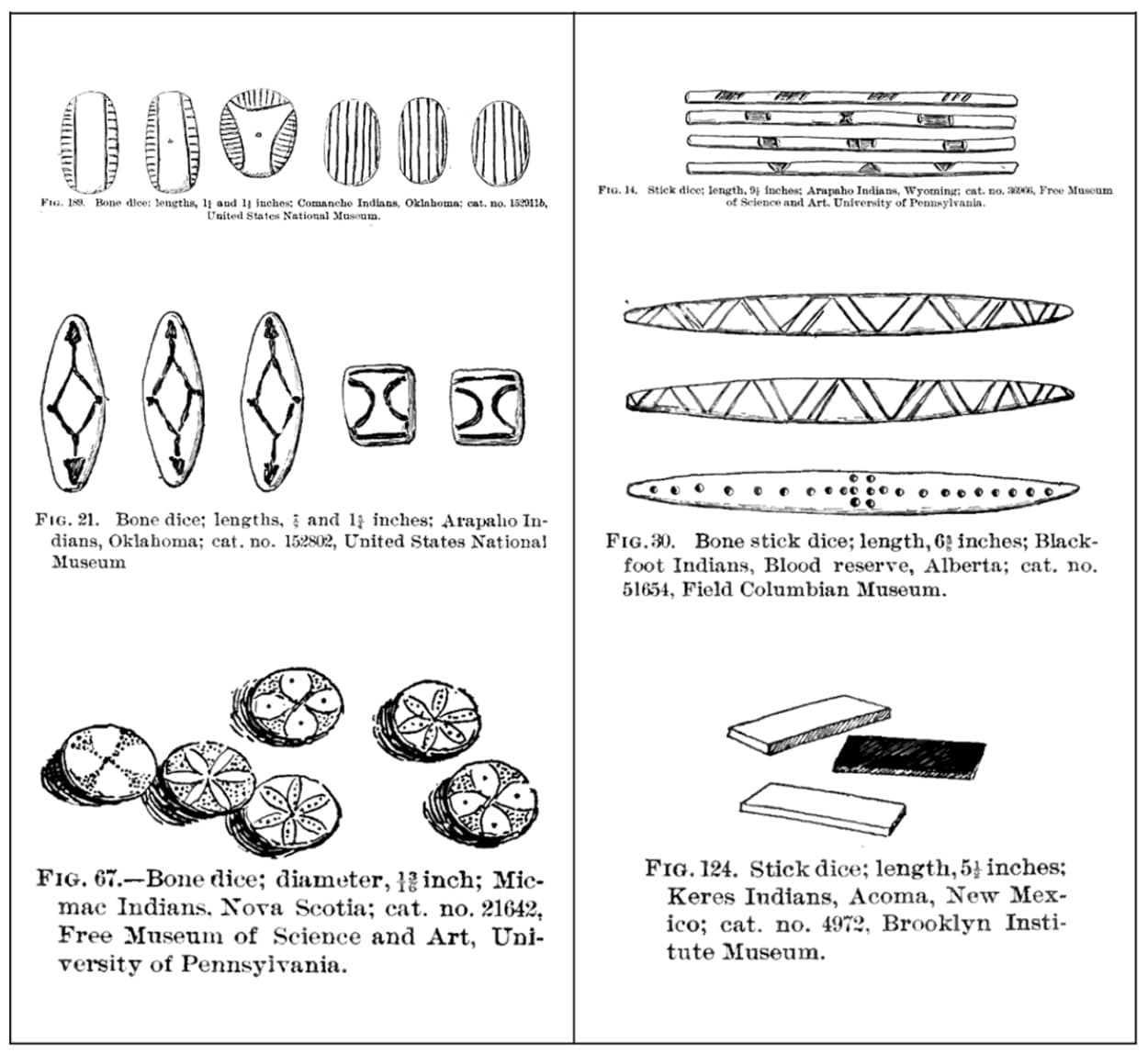
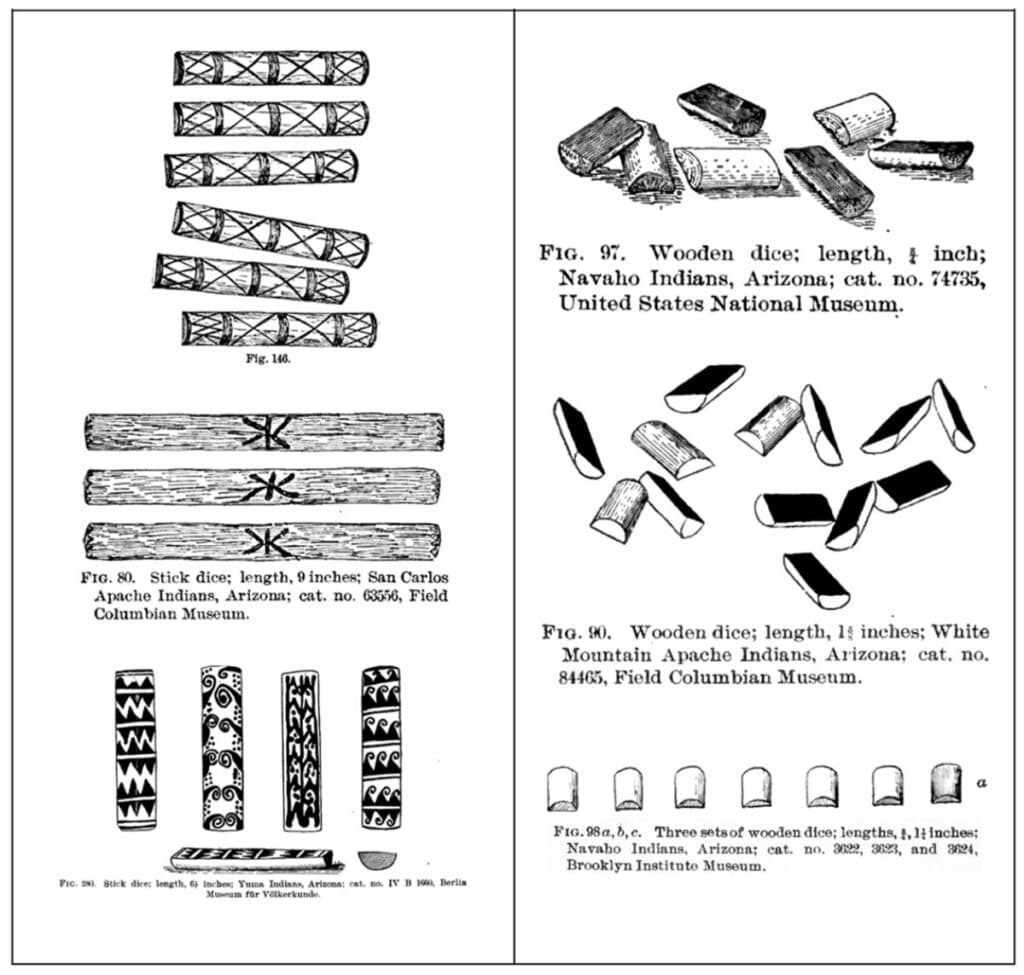
The discovery of these ancient dice was made possible by the work of Robert Madden, a graduate student at Colorado State University. Madden's research built upon the foundational work of ethnographer Robert Stewart Culin, who published an extensive report on Native American games and gaming artifacts in 1907.
- Madden used Culin's report to develop diagnostic criteria for identifying Native American dice
- These criteria include the object being two-sided, having distinguishable sides, and being of a size and shape that can be held and cast
What Are Binary Lots?
Binary lots, or two-sided dice, were the primary gaming tools used by ancient Native Americans. These simple yet effective devices allowed for the introduction of probability into games, making them more engaging and unpredictable.
- Binary lots came in various shapes, including flat, plano-convex, convex-concave, and convex-convex
- The sides of these dice were distinguished by color, markings, shape, or a combination of these factors
Rethinking the Origins of Probability
The discovery of ancient Native American dice has significant implications for our understanding of the origins of probability and gaming. As Robert Madden noted, 'Historians have traditionally treated dice and probability as Old World innovations.'
- This finding challenges the conventional view that probability and gaming originated in the Old World
- It highlights the importance of considering the contributions of ancient cultures to the development of modern concepts
A Broader Perspective on Ancient Cultures
The study of ancient Native American dice offers a unique window into the lives and beliefs of these cultures. By examining the gaming practices of ancient societies, we can gain a deeper understanding of their values, social structures, and cognitive abilities.
- The use of dice in games of chance reveals a sophisticated understanding of probability and randomness
- This understanding is a testament to the ingenuity and creativity of ancient cultures
Future Research Directions
As we continue to uncover the secrets of ancient cultures, it is essential to consider the implications of these findings for our understanding of human history and development. Further research into the gaming practices of ancient societies can provide valuable insights into the evolution of probability, cognition, and social behavior.
- Future studies can explore the spread of gaming practices across ancient cultures
- The analysis of ancient dice and gaming artifacts can inform our understanding of the origins of modern games and probability theory
“Historians have traditionally treated dice and probability as Old World innovations”
— Robert Madden, Graduate Student at Colorado State University
Final Thoughts
The discovery of ancient Native American dice has significant implications for our understanding of the origins of probability and gaming. As we continue to uncover the secrets of ancient cultures, we are reminded of the importance of reevaluating historical assumptions and considering the contributions of all societies to the development of modern concepts. The study of ancient gaming practices offers a unique perspective on human history and cognition, and future research in this area is likely to yield valuable insights into the evolution of probability, social behavior, and human culture.
Sources & Credits
Originally reported by Ars Technica

Huma Shazia
Senior AI & Tech Writer
Produced with AI assistance and reviewed by the Logicity editorial team. Learn more in our Editorial Policy.