Sony Inzone M10S II Gaming Monitor: 540Hz OLED With Tandem Tech Finally Fixes What the Original Got Wrong
Key Takeaways
- Same $1,099 price but with fourth-gen Tandem WOLED panel rivaling QD-OLED brightness
- 540Hz at 1440p via DisplayPort, or 720Hz at 720p for competitive players
- Black frame insertion finally included, peaking at 240Hz with higher brightness than competitors
- DisplayPort 2.1a with 54Gbps bandwidth and improved anti-VRR flicker technology
- Exclusive to Sony's online store when it launches later this year
Read in Short
Sony's Inzone M10S II keeps the $1,099 price tag but upgrades basically everything else. You're getting LG's latest Tandem WOLED panel, black frame insertion that the original lacked, and refresh rates hitting 540Hz at 1440p or a wild 720Hz at 720p. It's only available through Sony's website when it drops later this year.
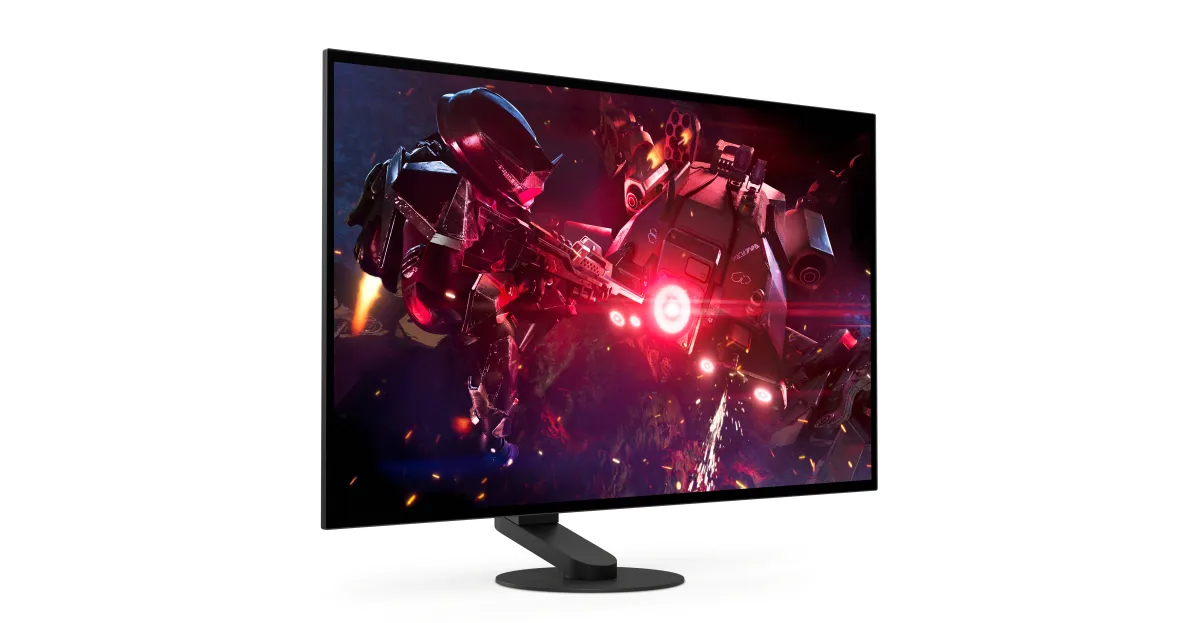
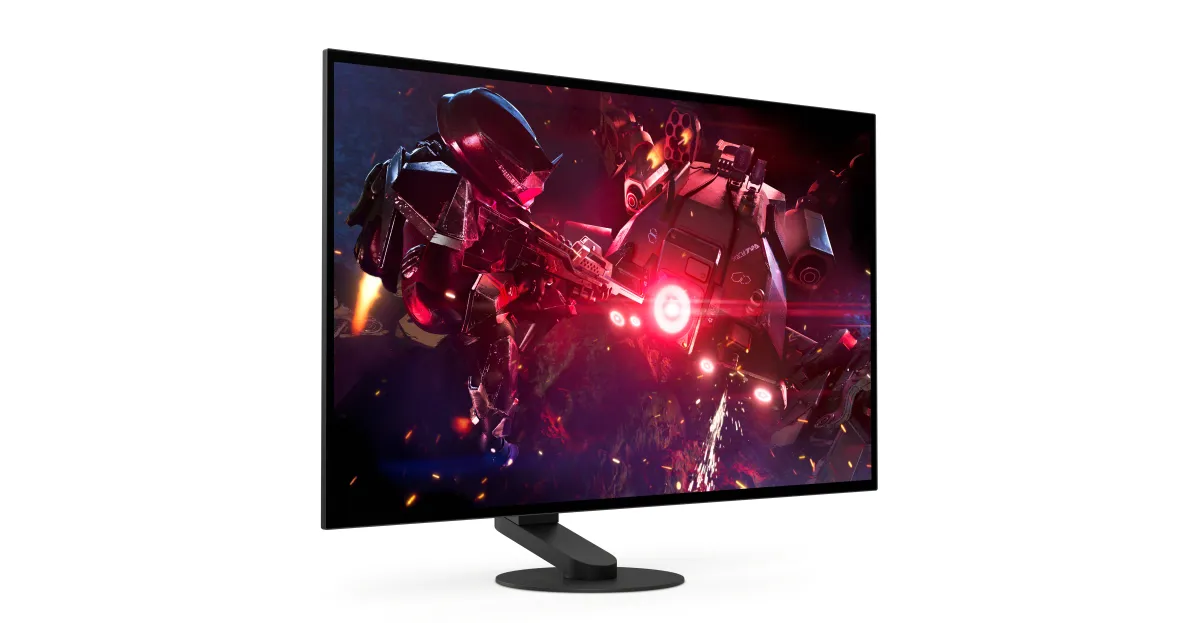
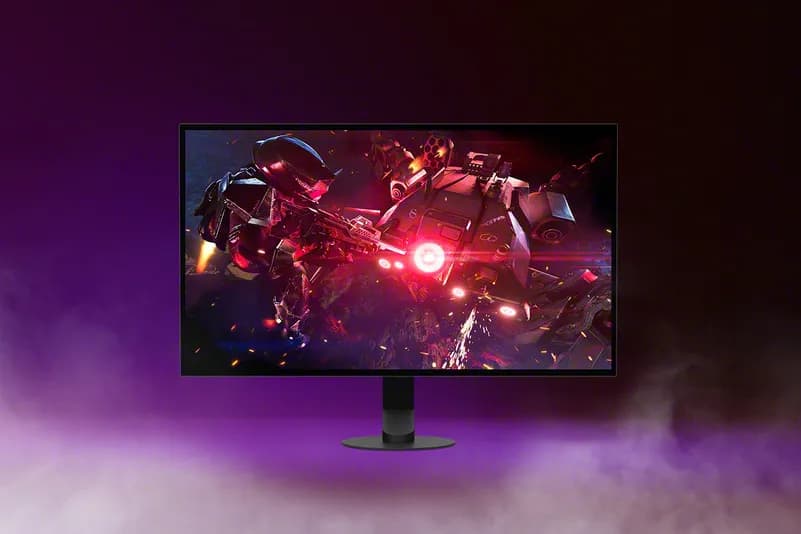
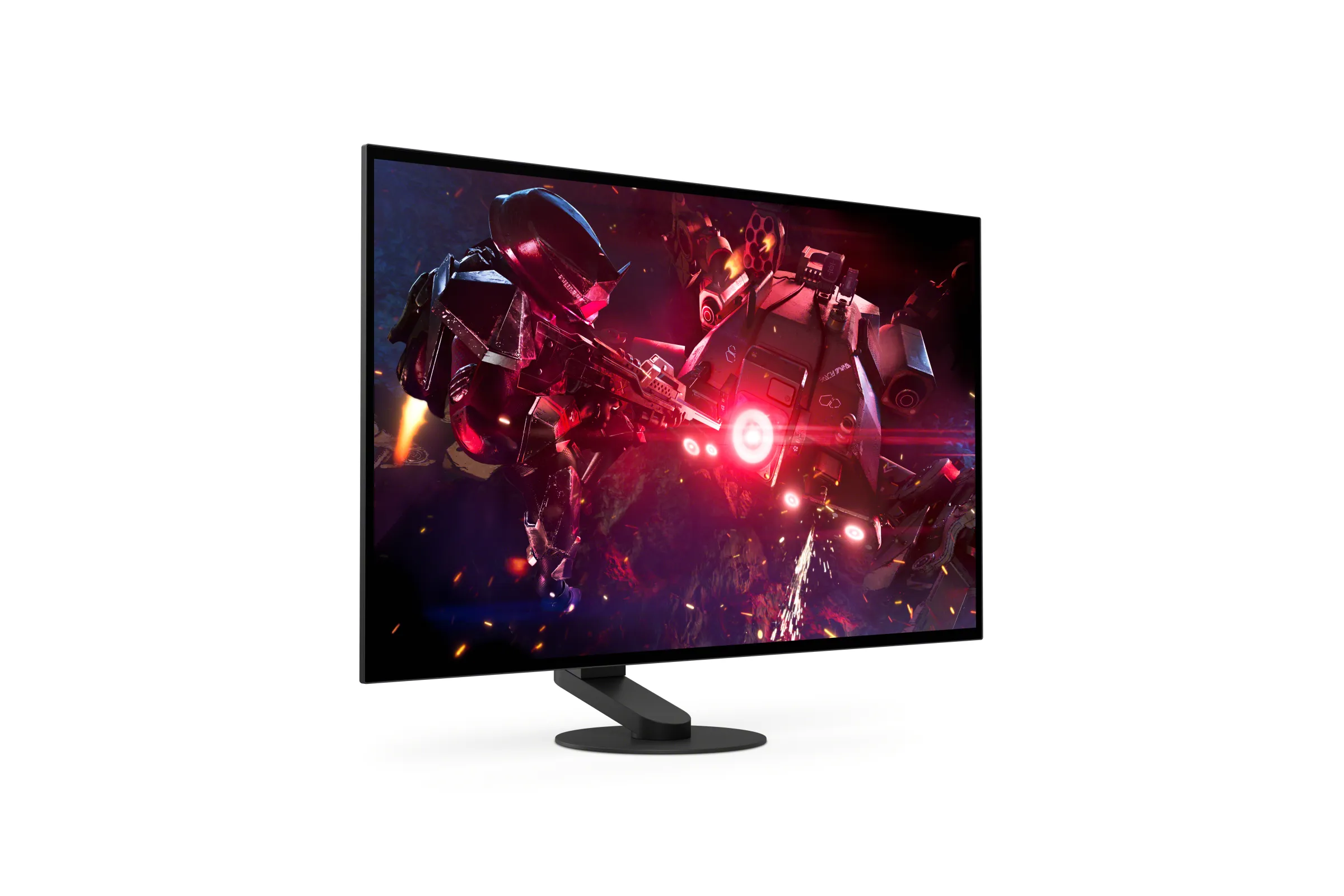
Look, the original Inzone M10S was a weird product. Sony made this gorgeous, low-profile gaming monitor with a sleek disc stand that looked nothing like the aggressive gamer aesthetic most companies push. It hit 480Hz and had solid OLED picture quality. But for over a grand? It was missing features that cheaper monitors already had. The competition ate its lunch.
So here's the thing about the M10S II: Sony clearly took notes. This isn't a minor refresh with a new color option and a press release. They've addressed the actual complaints people had while keeping what worked, specifically that beautiful minimalist design.
The Panel Upgrade Changes Everything
The headline upgrade is the switch to LG Display's fourth-generation WOLED panel using their Primary RGB Tandem technology. If you've been following the monitor wars, you know this is a big deal. Tandem OLED stacks two emission layers to essentially double the brightness without cooking the panel. Sony says it now rivals QD-OLED panels in brightness and contrast, which puts it in the same conversation as the Samsung and Alienware monitors that have dominated this space.
But wait, it gets weirder. Sony added a dual mode feature targeting competitive esports players. You can run the monitor at 540Hz with full QHD resolution for normal gaming, or drop down to 720p and push 720Hz. That second mode is honestly going to look pretty rough on a 27-inch screen. But competitive players have been running stretched low resolutions in CS2 and Valorant for years, so Sony's giving them what they want.
Black Frame Insertion Finally Shows Up
Here's where I get excited. The original M10S shipped without black frame insertion, which was honestly baffling for a premium gaming monitor. BFI is one of those features that makes a massive difference in motion clarity. The tech inserts a black frame between displayed frames, reducing the sample-and-hold blur that's inherent to how our eyes perceive motion on screens.
The M10S II not only adds BFI but Sony claims their implementation maintains higher brightness than competing monitors. That's the catch with black frame insertion, you're literally turning off the screen for half the time, so brightness tanks. If Sony's figured out how to keep things brighter, that's genuinely impressive.
How BFI Mode Works
When using black frame insertion on the M10S II, the monitor caps at 240Hz instead of the native 540Hz. A black frame gets inserted between every other displayed frame, which tricks your brain into seeing smoother motion at the cost of some brightness and maximum refresh rate.
The response time sits at 0.02 milliseconds, which is basically the same as other high-end WOLED monitors. At this point, we're splitting hairs that human eyes can't perceive. But hey, spec sheets matter to enthusiasts and Sony knows it.
If you're eyeing Sony's gaming monitor, their new headset makes for a compelling Inzone ecosystem play
Anti-Glare and Anti-Flicker Tech
The screen coating situation has improved too. The M10S II keeps the matte texture from before but adds what Sony calls a "super anti-glare film" on top. If you've ever tried to game on a glossy OLED in a room with windows, you understand why this matters. That gorgeous contrast ratio means nothing when you're staring at your own reflection during dark scenes.
There's also "extreme" anti-VRR flicker technology built in. Variable refresh rate is great for matching your monitor to your GPU's actual frame output, but some monitors develop visible flickering when frame rates swing dramatically. Sony's addressing that head-on, which should make the experience smoother during intense gaming sessions where your framerate might jump around.
Connectivity and Physical Design
- DisplayPort 2.1a port with UHBR13.5 support (up to 54Gbps bandwidth)
- HDMI 2.1 port for console gaming
- USB hub for connecting peripherals
- Nvidia G-Sync compatible with VRR support
- Updated disc stand with larger tilting angle range
The DisplayPort 2.1a inclusion is forward-thinking. Current GPUs can't saturate that 54Gbps bandwidth, but you're buying a monitor you'll hopefully keep for years. Having headroom for next-gen graphics cards makes sense at this price point.
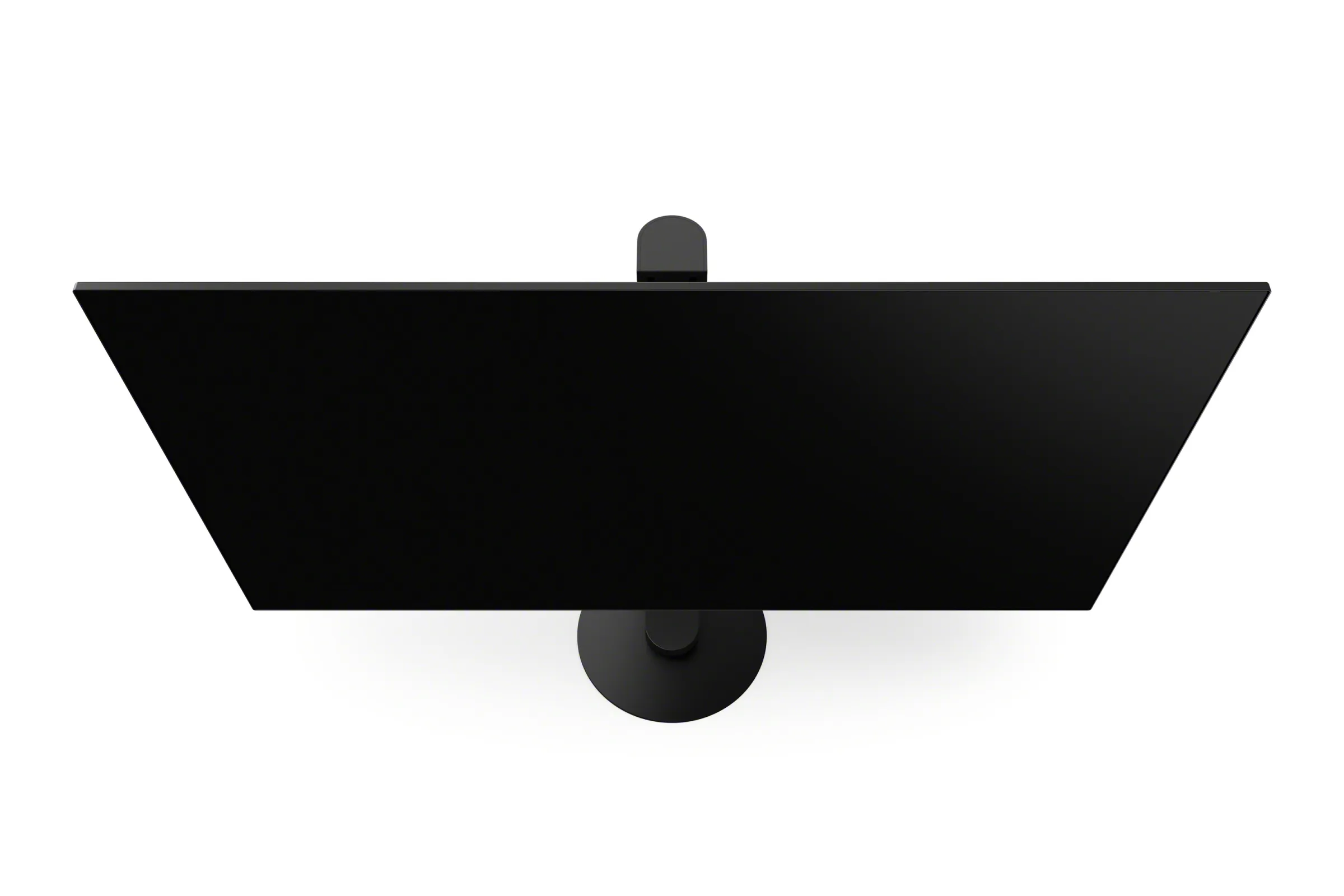
Sony kept their distinctive disc-shaped stand but tweaked it to allow more tilting range. It's still one of the smallest footprint stands you'll find on a gaming monitor, which matters if your desk space is limited. The aesthetic remains clean and professional, nothing like the usual gaming monitor designs with red accents and aggressive angles everywhere.
How Does It Stack Up?
| Feature | M10S II (2026) | Original M10S (2024) | Typical Competitor |
|---|---|---|---|
| Panel Technology | 4th Gen Tandem WOLED | 3rd Gen WOLED | QD-OLED |
| Max Refresh Rate | 540Hz / 720Hz (720p) | 480Hz | 500Hz |
| Black Frame Insertion | Yes, 240Hz max | No | Yes, varies |
| DisplayPort Version | 2.1a (54Gbps) | 1.4 | 2.1 |
| Anti-Glare | Super anti-glare film | Matte coating | Varies |
| Price | $1,099 | $1,099 | $800-1,300 |
The competitive landscape has gotten brutal since the original M10S launched. Asus, LG, and Samsung all have strong OLED gaming monitors now, many priced lower with comparable or better feature sets. Sony's betting that brand loyalty, the improved panel tech, and that distinctive design will justify the premium.
Who Should Care About This?
Honestly? This is a niche product for people who want three specific things: the best possible OLED motion clarity, a minimalist design that doesn't scream "gamer," and the Sony ecosystem integration if you're already using their headsets and peripherals.
Competitive players might appreciate the 720Hz mode, though I'm skeptical about gaming at 720p on a 27-inch panel. That's going to look rough no matter how smooth it moves. The 540Hz at 1440p is the sweet spot here, and the BFI mode at 240Hz might actually be more valuable for motion clarity purists.
✅ Pros
- • Fourth-gen Tandem WOLED rivals QD-OLED brightness
- • Black frame insertion finally included
- • DisplayPort 2.1a future-proofs the monitor
- • Sleek design that fits any desk setup
- • Extreme anti-VRR flicker technology
❌ Cons
- • $1,099 is still expensive for 1440p
- • Only sold through Sony's online store
- • 720Hz mode at 720p is questionable value
- • Competition offers similar specs for less
Availability and Pricing
Sony's pricing the M10S II at $1,099.99, identical to what the original cost at launch. Given the upgrades, that's actually reasonable, though the monitor market has gotten more competitive since then. The catch? You can only buy it through Sony's online shop. No Amazon, no Best Buy, no Micro Center. That limits your options for returns and support compared to buying through traditional retailers.
The release window is vague, just "later this year." Sony hasn't committed to a specific date, which suggests they might still be finalizing production or waiting for the right moment to compete against upcoming announcements from rivals.
Our deeper dive into Sony's esports strategy with this monitor and their Fnatic collaboration
The Bottom Line
The M10S II feels like Sony finally delivering the monitor they should have shipped the first time. All those missing features that made the original hard to recommend at its price point? They're here now. The Tandem OLED panel addresses the brightness concerns, BFI adds motion clarity options, and the connectivity has caught up with 2026 standards.
Is it the best gaming monitor you can buy? That depends on what you value. But it's no longer a monitor with obvious holes in its feature set. Sony learned from the criticism and shipped something that can actually compete. And that disc stand is still really cool.
Manaal Khan
Tech & Innovation Writer
Produced with AI assistance and reviewed by the Logicity editorial team. Learn more in our Editorial Policy.




