Key Takeaways
- Sony's True RGB display technology produces brighter images than OLED while maintaining color accuracy
- The Bravia 9 II marks Sony's shift from refining OLED to adopting Micro RGB panels
- Premium pricing ($4,000+) positions this as an early-adopter flagship
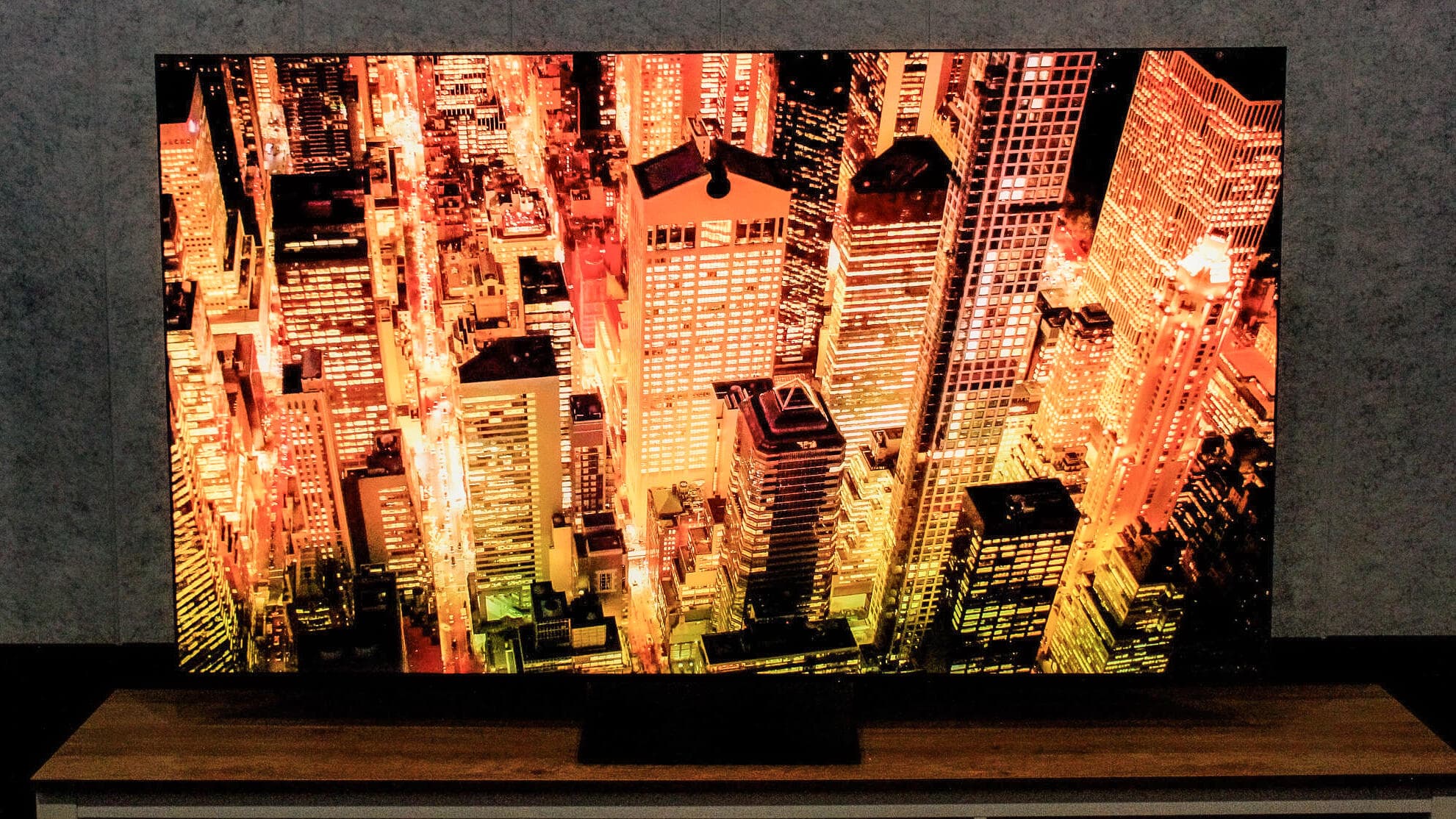
Sony's Bravia 9 II addresses the one weakness that has plagued OLED displays for years: brightness. The new flagship TV uses Sony's True RGB panel technology, which combines Micro RGB backlighting with the company's XR processor to produce images that are, in ZDNET's testing, "almost blindingly bright" compared to previous Bravia models.
The result is a TV that earned a 4 out of 5 rating and a ZDNET Recommends badge. It's not perfect, and it's expensive. But for buyers who've been waiting for LCD technology to close the gap with OLED on color and contrast while maintaining its brightness advantage, this is the clearest signal yet that Micro RGB is ready.
What is True RGB and why does it matter?
Conventional Mini LED TVs use blue LEDs behind a quantum dot layer that converts light into the full color spectrum. Sony's True RGB approach skips the conversion layer entirely. The panel uses separate red, green, and blue LEDs, which Sony claims delivers more accurate color reproduction at higher brightness levels.
In practice, this means the Bravia 9 II can push brightness without the color distortion that typically accompanies it. ZDNET's reviewer noted that despite the increased brightness, "the Bravia 9 II handled all of my test videos beautifully." Warmer colors like reds, yellows, and oranges still show a touch of oversaturation, but switching between the seven picture modes or adjusting settings manually fixes the issue.
How does the Bravia 9 II compare to its predecessor?
The original Bravia 9 used an OLED panel. Sony's decision to move the flagship line to Micro RGB signals the company's belief that this technology can now compete with, or surpass, OLED's picture quality advantages.
OLED remains the standard for perfect blacks and infinite contrast ratios. No backlight means no light bleed. But OLED panels have historically struggled with peak brightness, particularly in well-lit rooms. The Bravia 9 II trades the absolute blacks of OLED for substantially higher brightness while maintaining color accuracy that approaches OLED levels.
Sony has also entered a tentative partnership with TCL to co-own the Bravia brand. The company has paused development on its OLED and Mini LED lines to focus on Micro RGB and AI integration. The AI features received less enthusiasm in ZDNET's review than the display technology itself.
Built-in audio and the missing gaming features
ZDNET praised the Bravia 9 II's built-in speakers as "fantastic," though Sony doesn't include preset audio modes. Users can manually adjust speaker balance, dialogue boost, and treble/bass settings. Both Dolby and DTS audio processing are available for virtual surround sound.
The review flagged one notable gap: gaming features. Competing flagship TVs from LG and Samsung offer more gaming-specific capabilities. For buyers who prioritize gaming performance alongside picture quality, this could be a deciding factor.
✅ Pros
- • Excellent color accuracy with True RGB panels
- • Brighter picture than previous Bravia models
- • Fantastic built-in audio system
❌ Cons
- • Premium pricing above most flagship TVs
- • Fewer gaming features than LG and Samsung competitors
- • Slight oversaturation on warm colors requires manual adjustment
Should you buy the Bravia 9 II?
The Bravia 9 II costs more than most premium TVs. Exact pricing varies by size, but expect $4,000 to $6,500 for 65-inch to 85-inch models. That's early-adopter territory.
The value proposition is clearest for two groups: home theater enthusiasts who want the best possible picture in a bright room, and professionals in creative fields who need accurate color reproduction at high brightness. For casual viewers or gamers, the price premium over competing Mini LED sets is harder to justify.
ZDNET's recommendation is straightforward: the Bravia 9 II is "well on its way to usurping its OLED cousin's supremacy." Whether that potential justifies paying more than competing flagships depends on how much you value brightness without sacrificing color accuracy.
Logicity's Take
Sony's bet on Micro RGB over OLED is a calculated risk. The company is essentially asking early adopters to pay a premium today for technology that will likely become standard in three to five years. For enterprise buyers outfitting conference rooms or executive offices, the brightness advantage makes practical sense: OLED looks washed out under fluorescent lights. But for most home users, LG's C4 OLED at $1,297 (currently on sale from $2,700) or Samsung's S95D QD-OLED around $2,500 deliver excellent picture quality at half the price. The Bravia 9 II is the right choice only if you've already decided OLED isn't bright enough and you're willing to pay the innovation tax.
Frequently Asked Questions
Is the Sony Bravia 9 II better than OLED?
For brightness, yes. The True RGB panel significantly outperforms OLED in peak brightness while maintaining competitive color accuracy. OLED still wins on absolute black levels and contrast ratios.
How much does the Sony Bravia 9 II cost?
Pricing ranges from approximately $4,000 to $6,500 depending on screen size, placing it in the ultra-premium segment above most flagship OLED and Mini LED TVs.
What is Sony True RGB display technology?
True RGB uses separate red, green, and blue Micro LED backlights instead of blue LEDs with a color conversion layer. This produces more accurate colors at higher brightness levels.
Is the Bravia 9 II good for gaming?
The TV supports 4K at 120Hz, but ZDNET's review noted it has fewer gaming features than competitors from LG and Samsung. Serious gamers may want to compare VRR and ALLM implementations.
For readers evaluating premium display technology for gaming
Need Help Implementing This?
Setting up a home theater or executive conference room with premium display technology? Our team can help you evaluate options and negotiate enterprise pricing. Contact us at hello@logicity.in.
Source: Latest news
Huma Shazia
Senior AI & Tech Writer
Produced with AI assistance and reviewed by the Logicity editorial team. Learn more in our Editorial Policy.