Key Takeaways
- Micron CEO confirms RAM shortage will persist through 2027, with gradual supply improvement expected in 2028
- AI data center demand is the primary driver, forcing Micron to exit the consumer market entirely
- Next-gen consoles like PlayStation 6 and Xbox Project Helix face significant pricing pressure
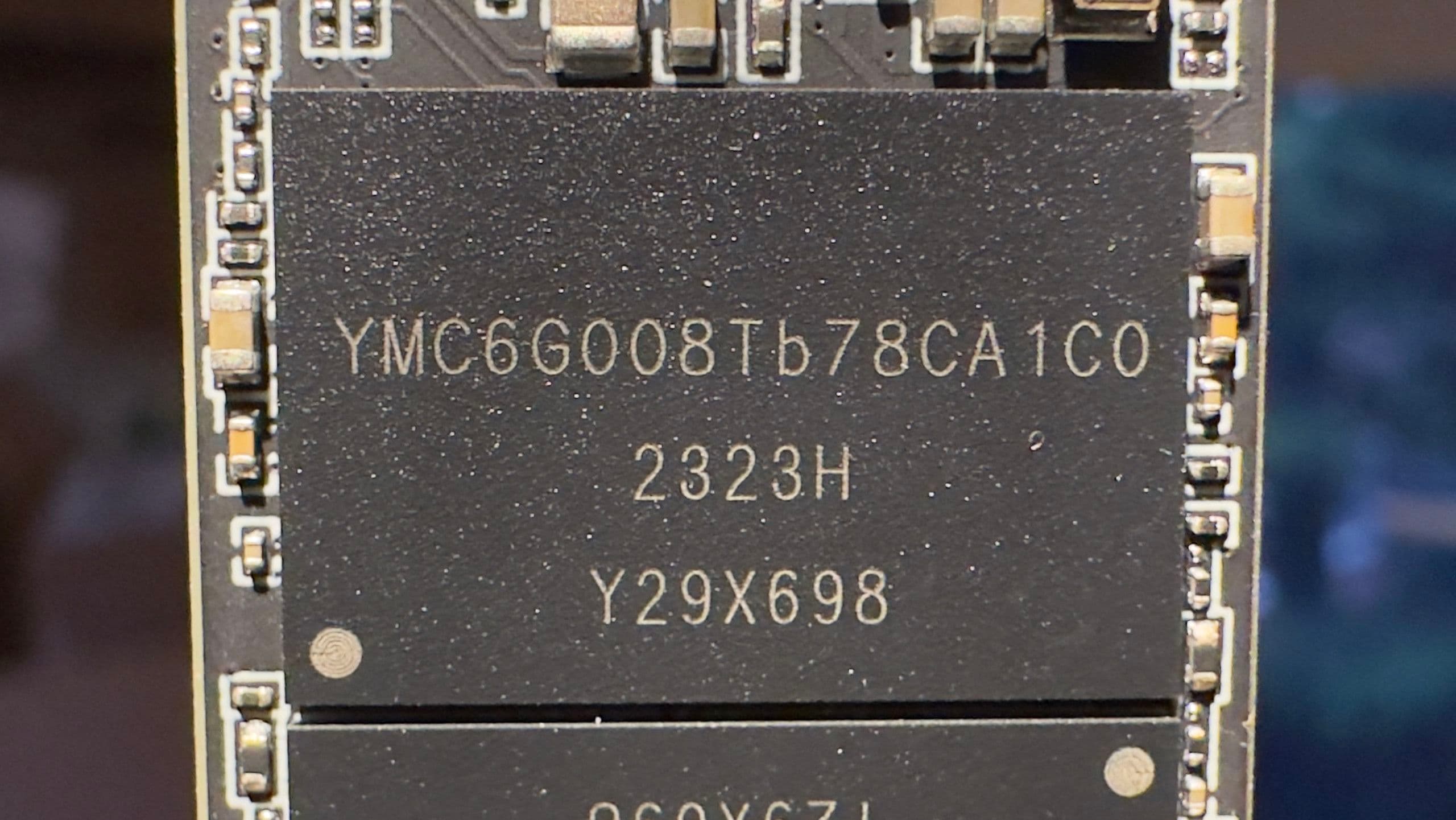
The RAM shortage plaguing the tech industry will extend through 2027, with relief unlikely before 2028. Micron CEO Sanjay Mehrotra delivered the blunt forecast during the company's Q3 2026 earnings call, pointing to AI-driven demand as the culprit.
"We expect tight conditions to persist beyond calendar 2027 as a result of AI-driven demand across all segments coupled with structural supply constraints," Mehrotra said. The statement lands hard for anyone hoping to build or buy gaming hardware at reasonable prices.
Micron is one of three companies that control over 70% of the global DRAM market, alongside Samsung and SK Hynix. When its CEO says supply won't catch up with demand, the industry listens.
Why is RAM in short supply?
AI data centers are consuming memory at unprecedented rates. High Bandwidth Memory, the specialized RAM used in AI accelerators like NVIDIA's H100 GPUs, has seen demand growth of 40-60% year over year. Traditional DRAM and NAND flash used in consumer devices compete for the same manufacturing capacity.
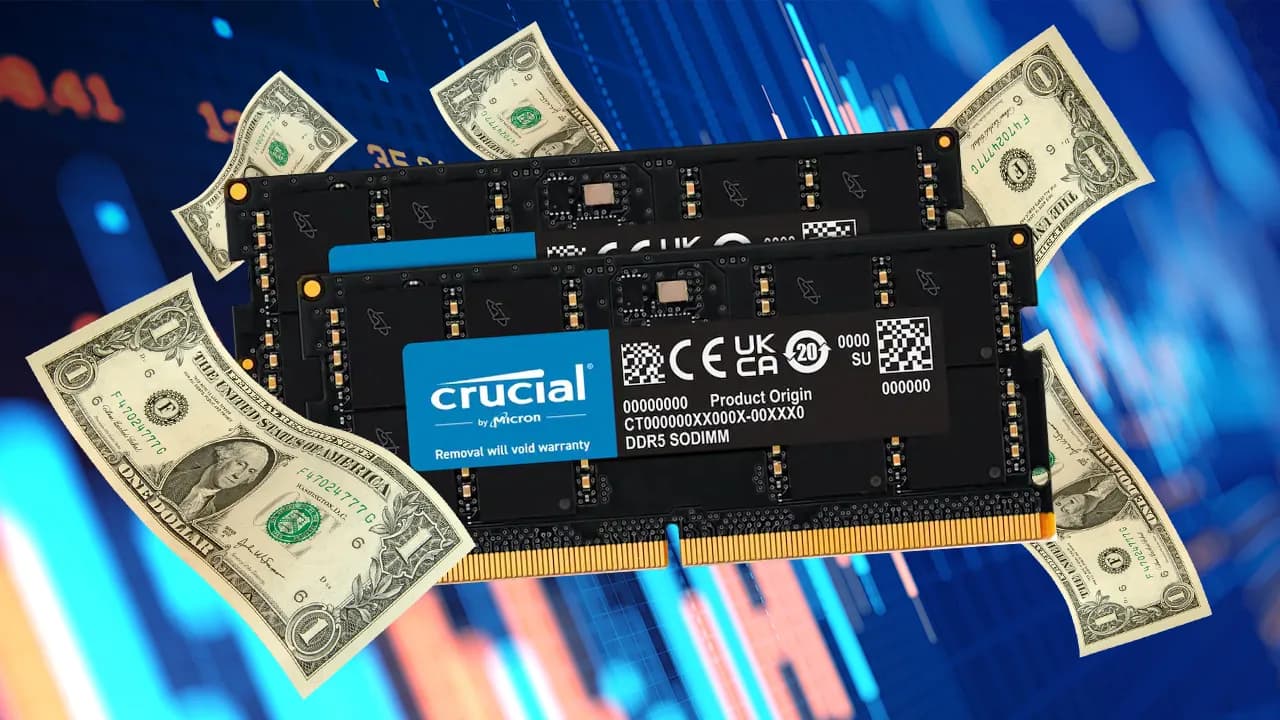
Micron's own pivot tells the story. The company exited the consumer market late last year, shuttering its Crucial brand. Crucial made popular SSDs and RAM kits for PC builders. Now those production lines serve hyperscalers like Microsoft, Google, and Amazon.
The math is simple. A single AI server rack can contain memory equivalent to hundreds of consumer PCs. When data center customers pay premium prices for guaranteed supply, consumer hardware gets squeezed.
What does this mean for gaming hardware prices?
Elevated prices are already baked into current products. The Steam Machine launched at $1,050 instead of its planned $750 price point. That's a 40% increase driven primarily by component costs. The PS5 and Xbox Series X have faced similar pressure, with price cuts that were expected to come by now still nowhere in sight.
The outlook for next-generation consoles is worse. The PlayStation 6 and Xbox Project Helix will require more advanced memory than their predecessors. If supply remains tight when these systems enter production, their launch prices could land well above the $499-$599 range that defined the current generation.
"Even as we expect industry supply to improve gradually in 2028, we currently do not have line of sight as to when memory supply will be able to catch up with increasing demand," Mehrotra added. That's a careful way of saying nobody knows when prices normalize.
When will RAM prices drop?
Mehrotra's comments suggest 2028 as the earliest window for meaningful improvement. But improvement doesn't mean cheap. He specifically noted that supply catching up with demand remains out of sight.
The global memory market exceeds $150 billion annually. Expanding production capacity requires massive capital investment and years of lead time. Samsung, SK Hynix, and Micron are all building new fabs, but these facilities won't produce at scale until late in the decade.
Meanwhile, AI demand shows no signs of slowing. Microsoft, Google, Amazon, and Meta are all racing to deploy more AI infrastructure. Every new data center pulls memory supply away from consumer products.
What should buyers do now?
If you're planning a PC build or hoping to buy next-gen consoles at launch prices similar to current hardware, adjust your expectations. The "wait for prices to drop" strategy that worked in previous years may not pay off until 2028 or later.
PC builders who need RAM or SSDs now shouldn't expect significant discounts in the next 18 months. Buying during sales events like Prime Day or Black Friday still makes sense, but baseline prices are unlikely to fall.
Console buyers face a tougher choice. The PS6 and next Xbox likely won't launch before 2027. If memory prices remain elevated through their development and launch window, a $699 or higher starting price becomes plausible.
Logicity's Take
Micron's candor is unusual for an earnings call. CEOs typically hedge forecasts, but Mehrotra is telling customers and investors to plan for sustained tightness. That honesty suggests the situation is worse than public-facing communications from other manufacturers indicate. Sony and Microsoft are almost certainly renegotiating component contracts right now, and those negotiations will determine whether PS6 and Project Helix launch at $599 or $749.
Frequently Asked Questions
How long will the RAM shortage last?
Micron CEO Sanjay Mehrotra expects tight supply conditions through 2027, with gradual improvement beginning in 2028. Full normalization remains uncertain.
Why is there a RAM shortage?
AI data centers are consuming memory at unprecedented rates. Demand for High Bandwidth Memory in AI accelerators has outpaced manufacturing capacity expansion.
Will PS6 and next Xbox be more expensive because of RAM shortage?
Likely yes. The Steam Machine already launched 40% above its target price due to component costs. Next-gen consoles entering production during tight supply face similar pressure.
Is it a good time to buy RAM for PC builds?
Prices are unlikely to drop significantly before 2028. Buying during major sales events offers the best value, but waiting for baseline price drops may not pay off.
Need Help Implementing This?
Planning enterprise hardware purchases or data center builds during the shortage? Contact Logicity's tech advisory team for procurement strategy guidance and vendor negotiation support.
Source: IGN All
Huma Shazia
Senior AI & Tech Writer
Produced with AI assistance and reviewed by the Logicity editorial team. Learn more in our Editorial Policy.