Key Takeaways
- Zorin OS tops the usability ranking for its familiar UI and zero learning curve for Windows/Mac users
- DistroWatch rankings measure page hits, not actual installations or usability
- Pop!_OS with the new COSMIC desktop written in Rust offers both speed and security
Jack Wallen, a Linux user since 1994, has reordered DistroWatch's top 10 distributions based on usability rather than page hits. His ranking puts Zorin OS at the top, pushing the current DistroWatch leader CachyOS down the list. The exercise exposes a fundamental tension in how we measure Linux distribution quality: popularity metrics versus practical daily use.
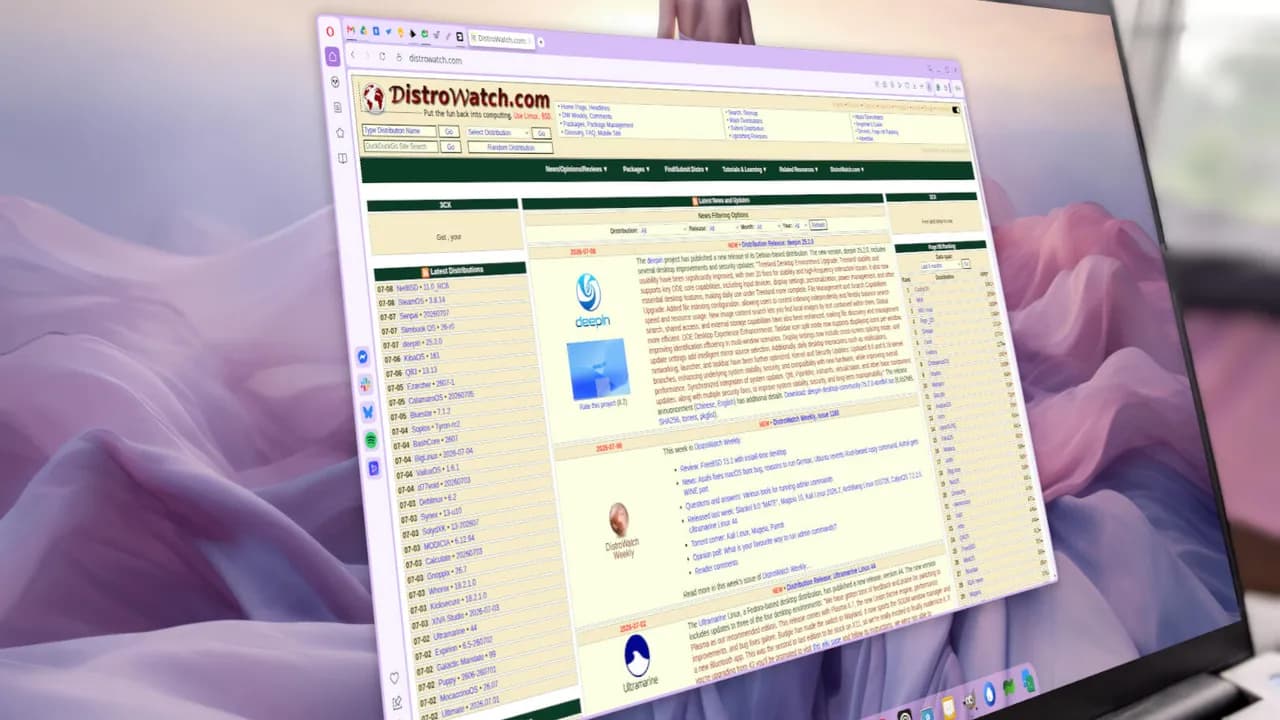
DistroWatch has tracked Linux distributions since 2001, but its ranking system counts page views, not installations. A distribution might top the charts because curious users keep reading about it, not because they run it. Wallen's reordering attempts to correct for this by prioritizing what actually matters when you sit down at the keyboard.
How the usability ranking differs from page hits
The current DistroWatch top 10 runs: CachyOS, Linux Mint, MX Linux, Pop!_OS, Debian, Zorin OS, Fedora, EndeavourOS, Ubuntu, and Manjaro. Wallen's usability order flips this considerably. Zorin OS jumps from sixth to first. Fedora climbs from seventh to fourth. CachyOS, the current page-hit leader, drops out of his top four entirely.
The reasoning is practical. Zorin OS lets users switch between Windows, Mac, and Ubuntu-style layouts with a few clicks. Someone leaving Windows 11 or macOS can start working immediately without relearning where things live. Wallen calls this zero learning curve the most important usability metric.
Why Zorin OS and Linux Mint lead on usability
Zorin OS earns its top spot through two features. First, the layout chooser adapts the entire desktop metaphor to what the user already knows. Second, when you try to install a Windows application, Zorin suggests an open-source alternative. This guidance eliminates a common pain point for users switching ecosystems.
Linux Mint takes second place. Its Cinnamon desktop uses a traditional taskbar-and-menu approach familiar to anyone who used Windows from XP through Windows 10. The distribution also includes a Web Apps system that turns browser-based tools into desktop applications with their own menu entries. Steven Vaughan-Nichols, another longtime Linux journalist, considers Mint the best operating system available.
Pop!_OS and the COSMIC desktop advantage
Pop!_OS from System76 lands third. Wallen has used it as his primary distribution for years. The distribution recently switched to COSMIC, a desktop environment written entirely in Rust. This choice yields both performance gains and memory safety guarantees that other desktops lack.
COSMIC reached version 1.2, still in its first major epoch, yet Wallen describes it as impressively stable. The desktop's customization options let users adjust nearly every interface element. System76 initially targeted developers, but Pop!_OS now serves designers, gamers, and general users equally well.
Fedora's climb in the usability rankings
Fedora at fourth place might surprise some readers. The distribution historically shipped bleeding-edge software that occasionally broke. That reputation no longer holds. Wallen notes that Fedora's KDE Plasma spin demonstrates how far the distribution has come in balancing new features with stability.
Fedora still ships newer software releases than Ubuntu, but Red Hat's testing process has matured. The result is a distribution that feels fast without the instability that once came with running recent packages.
What the page-hit methodology misses
DistroWatch tracks over 600 active Linux distributions. Its page-hit ranking reflects curiosity, not commitment. A distribution might surge after a major release announcement or controversy, then drop when attention fades. CachyOS, currently at the top, focuses on performance optimization. Enthusiasts research it heavily, but that research does not mean they install it.
Usability metrics would weight different factors: installation complexity, hardware compatibility, software availability, documentation quality, and how quickly a new user becomes productive. No single site aggregates this data systematically, which is why subjective rankings from experienced users still carry weight.
Logicity's Take
For CTOs evaluating Linux for developer workstations or internal tooling, this ranking matters more than DistroWatch's numbers. Zorin OS and Linux Mint minimize support tickets from users transitioning off Windows. Pop!_OS suits engineering teams who want performance without manual kernel tuning. Fedora works well for shops already running Red Hat Enterprise Linux in production, since the package ecosystem overlaps. Ubuntu, despite landing at ninth in Wallen's list, remains the safest choice for enterprise support contracts. The real decision depends on your team's existing skills and your tolerance for supporting multiple distributions.
Should your organization care about these rankings?
Linux desktop market share sits around 4.5% globally. That number understates its presence in development environments, where many teams run Linux locally before deploying to Linux servers. Choosing the right distribution affects onboarding time, security posture, and the software stack available out of the box.
Wallen's ranking offers one data point from someone who has tested distributions professionally for three decades. It complements rather than replaces benchmarks, community size metrics, and long-term support commitments. The best distribution remains the one your team will actually use.
Frequently Asked Questions
What is DistroWatch's ranking based on?
DistroWatch ranks Linux distributions by page hits on their site, not by actual installations or user counts. A distribution trending in discussions will rank higher even if fewer people run it daily.
Why does Zorin OS rank first for usability?
Zorin OS offers switchable layouts that mimic Windows, macOS, or Ubuntu interfaces. It also suggests open-source alternatives when users try to install Windows applications, reducing friction for new Linux users.
Is Fedora stable enough for production use?
Fedora ships newer packages than Ubuntu but has improved its testing process significantly. The distribution is now considered stable for daily use, though organizations needing long-term support often prefer Red Hat Enterprise Linux or Ubuntu LTS releases.
What makes Pop!_OS different from other distributions?
Pop!_OS uses the COSMIC desktop written in Rust, which provides better memory safety and performance. System76 develops it for both general users and developers, with strong hardware support for their own laptops and desktops.
Which Linux distribution has the best enterprise support?
Ubuntu and Red Hat Enterprise Linux offer the most comprehensive enterprise support contracts. Fedora and Pop!_OS lack equivalent commercial support options, making them better suited for organizations with internal Linux expertise.
Hardware selection matters as much as distro choice for Linux workstations
Need Help Implementing This?
Evaluating Linux distributions for your engineering team? Logicity covers enterprise technology decisions. Subscribe to our newsletter for weekly analysis on infrastructure, tooling, and developer productivity.
Source: Latest news
Manaal Khan
Tech & Innovation Writer
Produced with AI assistance and reviewed by the Logicity editorial team. Learn more in our Editorial Policy.