Key Takeaways
Ashton Kutcher's Sound Ventures is devoting $240 million towards A.I.
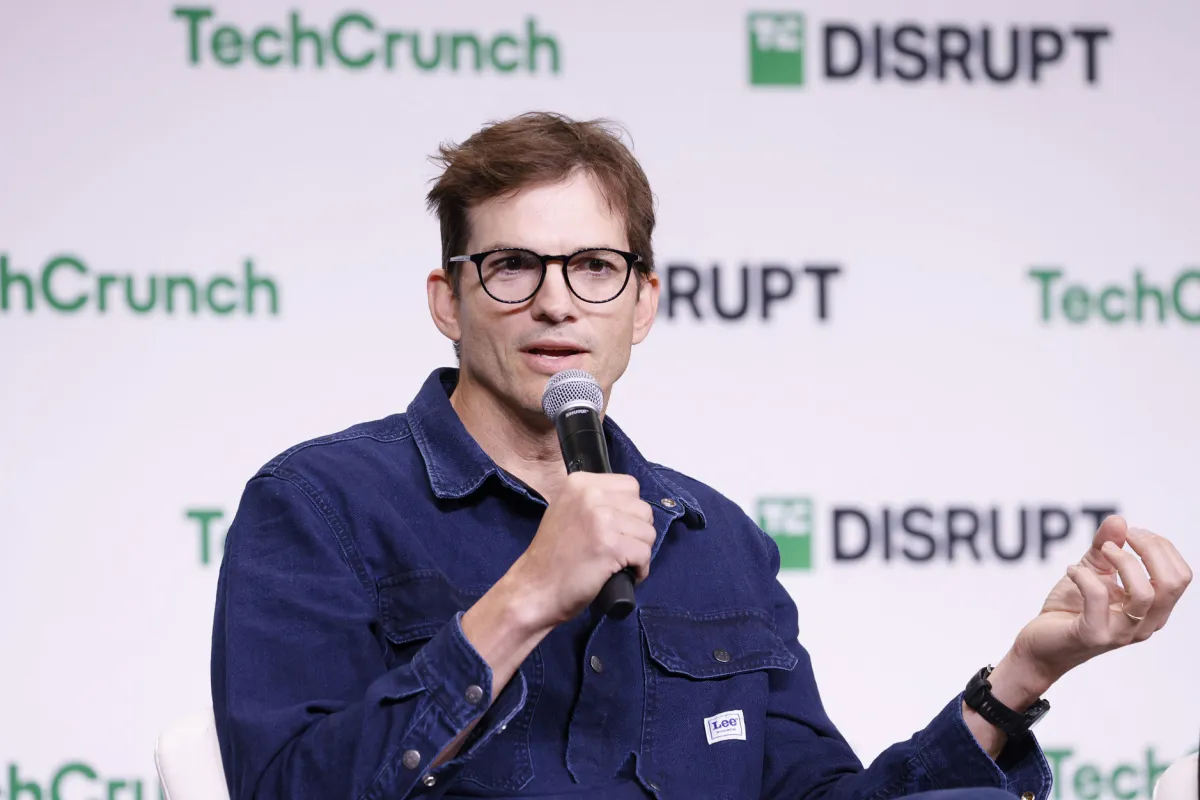
- Kutcher is leaving Sound Ventures after 11 years to co-found a new fund with Morgan Beller focused on AI infrastructure and deep tech
- The split reflects a strategic disagreement: Sound prefers later-stage bets while Kutcher wants early-stage infrastructure plays
- Both parties will cross-advise each other's funds, suggesting an amicable separation rather than a falling out
Ashton Kutcher is leaving Sound Ventures, the firm he co-founded with Guy Oseary 11 years ago, to launch a new venture fund with Morgan Beller. The move, first reported by the Wall Street Journal, marks a strategic split: Sound built its reputation on high-conviction bets in established AI labs like OpenAI and Anthropic, while Kutcher and Beller plan to chase the infrastructure layer underneath those companies.
Beller brings serious credentials to the partnership. She co-led Meta's Libra cryptocurrency project before it collapsed, spent nearly three years as a partner at Andreessen Horowitz, and most recently served as a general partner at seed-focused NFX. The new firm's name hasn't been disclosed.
Why Kutcher is walking away from a winning fund
This isn't a case of jumping ship from a sinking fund. Sound Ventures has an enviable track record. Beyond its AI lab investments, the firm backed Brex, Gusto, and Fei-Fei Li's World Labs. Stanford finance professor Ilya Strebulaev, who tracks top-performing VCs, noted Kutcher's consistent appearance in his unicorn investor rankings.
The departure comes down to stage preference. According to the Journal, Sound has been leaning toward backing more established companies, while Kutcher wants to write checks into very early-stage startups. That's a fundamental disagreement about where the best returns will come from in the next decade.
The thesis: AI infrastructure, energy, and deep tech
Kutcher and Beller are targeting startups built around hard science and engineering breakthroughs rather than software alone. The focus areas include AI infrastructure, energy, and deep tech. This is a bet that the AI boom's next wave of value creation will happen in the picks-and-shovels layer: the chips, data centers, power generation, and specialized hardware that foundation model companies depend on.
It's a logical extension of Kutcher's investing history. He backed OpenAI early, before ChatGPT made foundation models a household term. He's known Sam Altman since the Loopt days. Now he's betting that the infrastructure supporting those models is where the early-stage opportunity lives.
Beller's background adds a crypto and fintech dimension. Her work on Libra, while ultimately unsuccessful, gave her deep exposure to building financial infrastructure from scratch. That experience could prove valuable as the new fund evaluates AI-adjacent infrastructure plays.
The relationship stays intact
Despite the split, both sides are staying connected. Kutcher will continue as an adviser to Sound Ventures. Oseary and Sound general partner Effie Epstein will advise the new Kutcher-Beller fund. This cross-pollination suggests the separation is strategic rather than acrimonious. It also means deal flow could move between the two firms depending on stage and sector fit.
Logicity's Take
The timing tells a story. AI infrastructure is becoming a crowded trade as VCs chase the next Nvidia or CoreWeave. Kutcher and Beller are entering a market where capital is abundant but differentiated deal flow is scarce. Their edge will depend on whether Kutcher's founder relationships and Beller's technical credibility can surface opportunities before they hit mainstream VC radar. For founders building in this space, the new fund represents another well-capitalized option, but the real question is whether celebrity-adjacent capital brings strategic value beyond the check.
What this signals about the AI money shift
Sound Ventures made its name betting on the companies building AI models. Kutcher's new fund is betting on the companies those AI builders depend on. That's a meaningful distinction. It suggests at least one prominent investor believes the foundation model layer is getting expensive and competitive, while the infrastructure layer still has early-stage upside.
Whether that thesis plays out depends on factors largely outside any investor's control: chip supply, power grid constraints, regulatory moves around AI compute. But Kutcher has a track record of being early to categories that later exploded. His pre-Sound bets on Uber, Airbnb, and Spotify were made when those companies were still considered risky.
Frequently Asked Questions
Why is Ashton Kutcher leaving Sound Ventures?
Kutcher and Sound Ventures had different views on investment stage. Sound prefers backing more established companies, while Kutcher wants to focus on very early-stage startups in AI infrastructure and deep tech.
Who is Morgan Beller?
Beller is a venture capitalist who co-led Meta's Libra cryptocurrency project, spent nearly three years as a partner at Andreessen Horowitz, and was most recently a general partner at seed-focused VC firm NFX.
What will the new Kutcher-Beller fund invest in?
The fund will focus on early-stage investments in AI infrastructure, energy, and deep tech startups built around hard science and engineering breakthroughs.
Is Kutcher completely cutting ties with Sound Ventures?
No. Kutcher will continue to serve as an adviser to Sound Ventures, and Sound's partners will advise his new fund.
How successful was Sound Ventures?
Sound Ventures has backed companies including Brex, Gusto, OpenAI, Anthropic, and Fei-Fei Li's World Labs. Kutcher consistently ranks among top unicorn investors.
Need Help Implementing This?
If you're a founder building in AI infrastructure, energy, or deep tech, the Kutcher-Beller fund represents a new potential funding source. Reach out to Logicity for coverage of your fundraise or product launch.
Source: Venture Capital News | TechCrunch / Marina Temkin
Huma Shazia
Senior AI & Tech Writer
Produced with AI assistance and reviewed by the Logicity editorial team. Learn more in our Editorial Policy.




