Key Takeaways
- Apple's A20 chip will use TSMC's 2nm process, promising 15% more performance and 30% better efficiency
- iPhone 18 Pro Max could exceed 5,000mAh battery capacity for the first time
- IDC reports suggest Apple may raise prices by up to $200 amid memory chip constraints
Apple's iPhone 18 Pro and Pro Max are shaping up to be the most significant upgrades in years, with leaks pointing to a 2nm processor, variable aperture cameras, and batteries exceeding 5,000mAh. The catch: IDC suggests prices could jump by $200 over current models.
The company hasn't confirmed the iPhone 18 Pro lineup exists, let alone its specs. But the leak cycle for Apple's fall 2026 devices is running hot, and the picture emerging shows a device built around efficiency gains and computational photography improvements rather than radical design changes.
What's new with the A20 chip?
The A20 processor represents Apple's first consumer chip built on TSMC's 2nm process node. According to reports, this translates to roughly 15% higher performance and 30% better power efficiency compared to the A19 Pro in current iPhones.
More interesting is the rumored packaging change. Apple is reportedly adopting TSMC's Wafer-Level Multi-Chip Module technology, which places RAM physically closer to the processor die. The benefit: faster memory access for Apple Intelligence workloads and reduced power draw during on-device AI tasks.
For context, the shift from 3nm to 2nm is a bigger leap than typical year-over-year improvements. TSMC's 2nm node uses gate-all-around transistors instead of FinFETs, a fundamental architectural change that allows better current control at smaller scales.
Camera upgrades: variable aperture arrives
The camera system could see its most meaningful update since Apple introduced sensor-shift stabilization. The iPhone 18 Pro is rumored to feature a variable aperture main camera, letting users control how much light reaches the sensor rather than relying entirely on software processing.
Samsung introduced variable aperture on the Galaxy S9 back in 2018, toggling between f/1.5 and f/2.4. Apple's implementation reportedly goes further, offering finer control rather than binary switching. The practical upside: better low-light performance and more natural depth of field separation without portrait mode artifacts.
Reports also indicate Apple is testing larger apertures for both the main and telephoto lenses. Wider apertures gather more light but make optical design harder. If Apple pulls this off, the telephoto lens in particular could become far more usable in evening conditions.
Google's upcoming Pixel 11 also faces price increases and chip upgrades
Display and battery: incremental but meaningful
Screen sizes will reportedly stay the same as the iPhone 17 series. The visible change: a smaller Dynamic Island. Apple is expected to move more Face ID components under the display, shrinking the cutout without eliminating it entirely.
The display panel itself moves to LTPO+ OLED technology. The "plus" designation suggests improved variable refresh rate handling and lower power consumption at all brightness levels, not just minimum brightness.
Battery capacity on the iPhone 18 Pro Max is rumored to exceed 5,000mAh for the first time. That's roughly 10% larger than current Pro Max batteries. Combined with the A20's efficiency gains and LTPO+ display, real-world battery life could extend meaningfully. The tradeoff: reports suggest the phone may be slightly heavier.
| Spec | iPhone 17 Pro (current) | iPhone 18 Pro (leaked) |
|---|---|---|
| Processor | A19 Pro (3nm) | A20 (2nm) |
| Performance gain | Baseline | +15% (reported) |
| Power efficiency | Baseline | +30% (reported) |
| Display tech | LTPO OLED | LTPO+ OLED |
| Main camera | Fixed aperture | Variable aperture |
| Battery (Pro Max) | ~4,500mAh | >5,000mAh |
| Packaging | Standard | Wafer-Level MCM |
New colors, same design
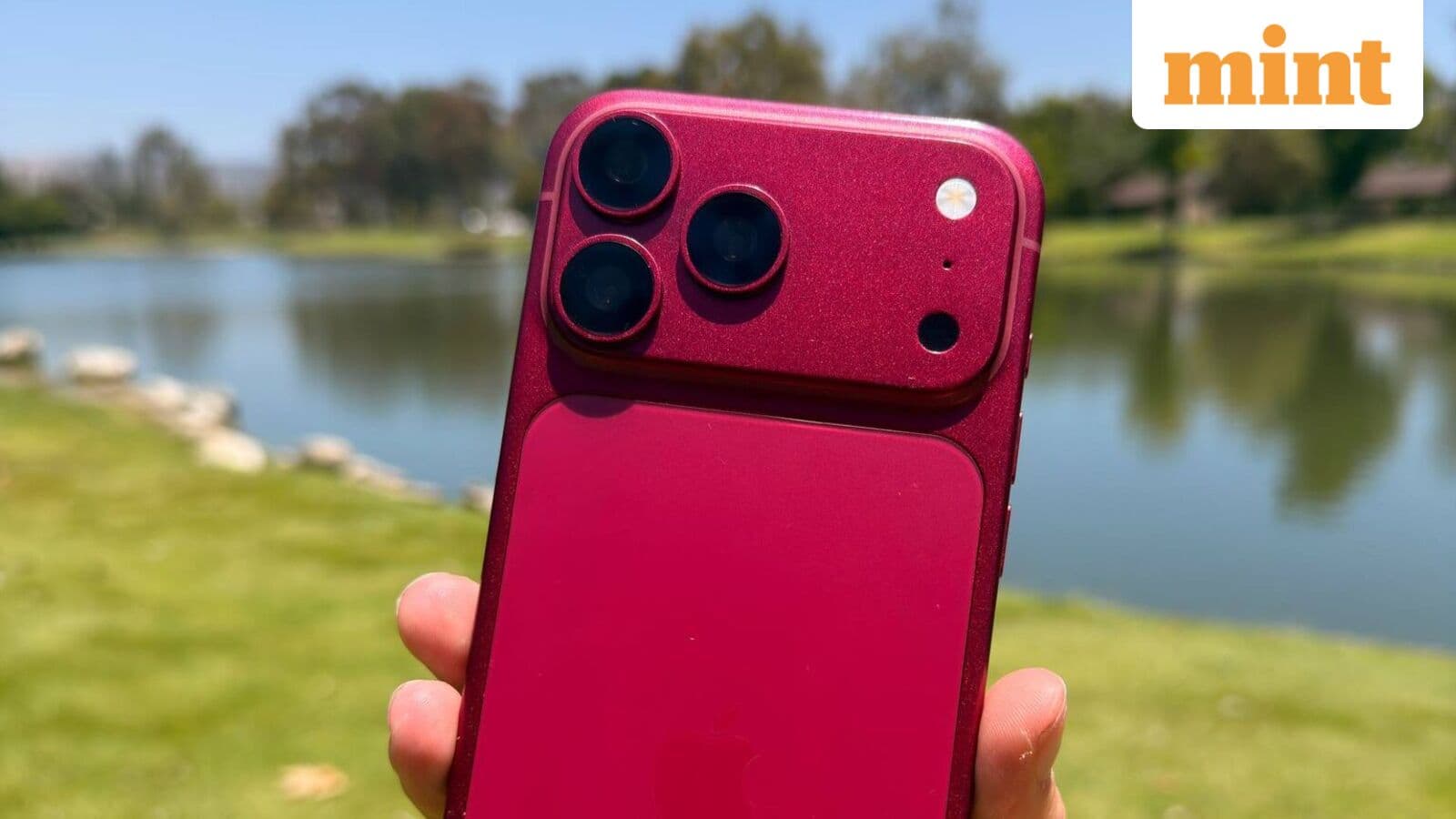
Don't expect a chassis redesign. The iPhone 18 Pro lineup reportedly keeps the design language introduced with the iPhone 17 series. The visual differentiation comes from four new color options: Dark Cherry, Light Blue, Dark Gray, and Silver.
Dark Cherry stands out as the most distinctive option. Apple has avoided red tones on Pro models for years, making this a notable shift if accurate.
Why prices may jump $200
An IDC report suggests Apple could raise iPhone 18 Pro prices by as much as $200. The timing aligns with Apple's recent iPad and MacBook price increases, which the company attributed to a memory chip crunch driving up component costs.
TSMC's 2nm wafers are also significantly more expensive than 3nm production. Apple pays a premium for cutting-edge nodes, and that cost eventually reaches consumers. A $200 increase would push the iPhone 18 Pro Max well past $1,400 in the US, entering territory previously reserved for foldables.
Whether buyers accept that premium depends on how tangible the upgrades feel. Better battery life and low-light photography are everyday improvements. A faster chip for Apple Intelligence matters less if the AI features remain limited.
Logicity's Take
The iPhone 18 Pro specs read like Apple finally catching up on hardware features Android flagships have offered for years: variable aperture cameras, larger batteries, and more aggressive chip efficiency. The real question is execution. Samsung's variable aperture implementation felt half-baked. Apple's advantage is vertical integration. If the A20's neural engine and the new camera hardware work together for on-device computational photography that actually looks better, not just different, the $200 premium becomes easier to justify. For enterprise buyers evaluating device refresh cycles, the 30% efficiency gains and improved on-device AI performance could meaningfully extend usable battery life during field work. But Google's Pixel 11 with Tensor G6 is targeting similar AI workloads at potentially lower price points.
When does iPhone 18 Pro launch?
Apple hasn't announced dates, but the company's September pattern holds firm. Expect an announcement in the second week of September 2026, with preorders opening the following Friday and retail availability a week later.
The leak cycle suggests component production is already underway. With two months until the expected launch, the spec sheet is likely locked. What remains uncertain is final pricing, which Apple typically decides late in the product cycle based on component costs and competitive positioning.
Frequently Asked Questions
What processor will iPhone 18 Pro use?
The iPhone 18 Pro is expected to use Apple's A20 chip, manufactured on TSMC's 2nm process. Reports suggest 15% higher performance and 30% better power efficiency versus the A19 Pro.
How big is the iPhone 18 Pro Max battery?
Leaks indicate the iPhone 18 Pro Max battery will exceed 5,000mAh for the first time, roughly 10% larger than current Pro Max batteries.
Will iPhone 18 Pro have a new camera?
Yes, the iPhone 18 Pro is rumored to feature a variable aperture main camera, allowing manual control over how much light reaches the sensor for improved low-light performance.
How much will iPhone 18 Pro cost?
IDC reports suggest Apple may raise prices by up to $200 compared to current models, citing memory chip constraints and rising component costs.
What colors will iPhone 18 Pro come in?
Leaked colors include Dark Cherry, Light Blue, Dark Gray, and Silver. Dark Cherry would be Apple's first red-toned Pro iPhone in years.
Need Help Implementing This?
If your team is planning device refresh cycles or evaluating mobile device management strategies ahead of Apple's fall 2026 lineup, reach out to discuss enterprise deployment considerations.
Source: mint / Aman Gupta
Huma Shazia
Senior AI & Tech Writer
Produced with AI assistance and reviewed by the Logicity editorial team. Learn more in our Editorial Policy.