Key Takeaways
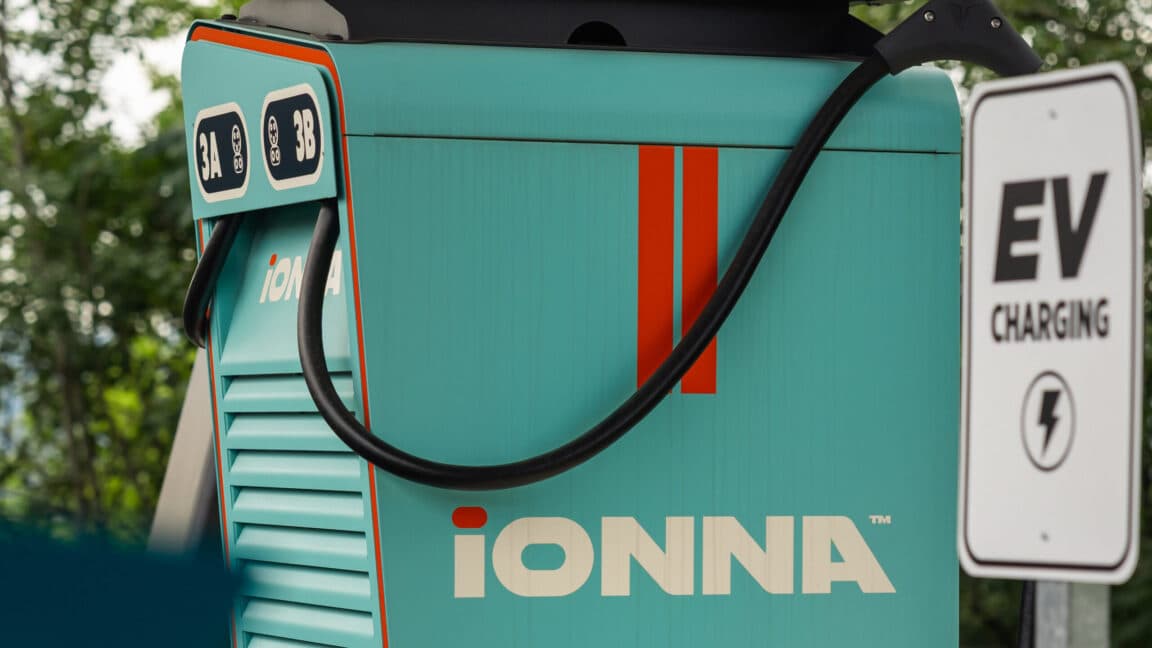
- IONNA will transform 350+ Circle K locations into premium Rechargery charging stations
- The first upgraded locations will go live by end of 2026, with major expansion in 2027
- IONNA is taking over 378 existing Circle K charging plugs at 93 stations
- The US now has over 79,500 fast-charging plugs available, with NACS plugs being the majority
Read in Short
IONNA, the charging network backed by eight major automakers, is partnering with Circle K to deploy its premium Rechargery stations at 350+ locations nationwide. The first sites go live by late 2026, and this is a big deal for EV drivers who are tired of sketchy charging experiences at random parking lots.
If you've ever charged your EV at a gas station and felt like a second-class citizen, this news is for you. IONNA just dropped an announcement that could genuinely change the road trip experience for electric vehicle owners across America.
The charging network announced today that it's teaming up with Circle K to bring its Rechargery concept to more than 350 Circle K convenience stores throughout the US. And look, this isn't just slapping some chargers in a parking lot and calling it a day. IONNA's whole pitch is creating charging stations that don't suck.
What Exactly is a Rechargery?
So here's the thing about most EV charging stations right now. They're often stuck in weird corners of parking lots with no lighting, no bathrooms nearby, and definitely no place to grab a coffee while you wait. IONNA wants to fix that.
Their Rechargery concept includes canopies to keep you dry, proper lighting for nighttime charging (this is huge for safety), access to bathrooms, a driver's lounge, and food and drink options. Basically, they're trying to make charging your car feel less like a chore and more like a proper pit stop.
IONNA is starting with 85 existing Circle K charging sites. The first Rechargeries should be up and running by the end of 2026, with the bigger rollout happening throughout 2027. They're also taking over the operation of Circle K's current chargers, which means 378 plugs at 93 stations are getting the IONNA treatment.
The Automakers Behind IONNA
What makes IONNA interesting is who's backing it. The network was founded back in 2023 by a consortium of eight major car manufacturers. We're talking BMW, General Motors, Honda, Hyundai, Kia, Mercedes-Benz, Stellantis, and Toyota. That's basically every major automaker except Ford and the Chinese brands.
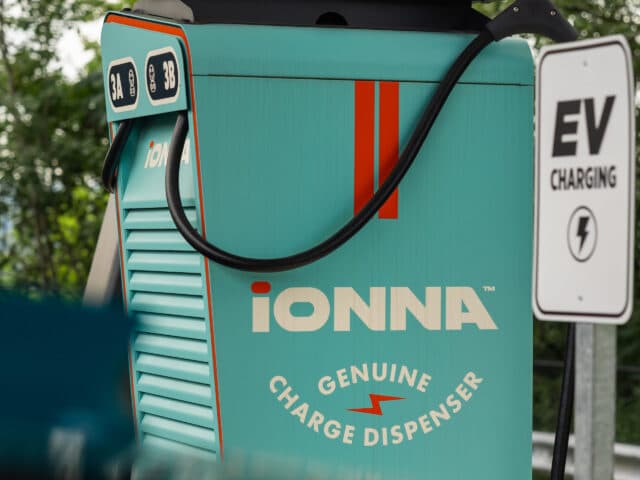
Their goal? Deploy 30,000 high-speed chargers across the US by 2030. They started opening locations in 2024, and right now there are 108 IONNA spots operational with 375 NACS plugs and 658 CCS plugs. That's according to the Department of Energy's tracking data, anyway.
What's NACS vs CCS?
NACS (North American Charging Standard), also called J3400, is Tesla's charging connector that most automakers are now adopting. CCS (Combined Charging System) is the previous standard. Most new EVs support NACS, but having both types means more cars can charge at each station.
“We are honored that Circle K has recognized IONNA as a leader in the industry and entrusted us to serve their customers with the same care and commitment to excellence that they show now. Circle K's scale, customer focus, and quality of location make them an ideal partner as we rapidly expand high-power charging where drivers already want to stop.”
— Aaron Wolff, IONNA COO
Why This Partnership Makes Sense
Here's why I think this deal is actually smart. One of the biggest headaches slowing down EV charging infrastructure is permitting. Getting approval to build new charging stations takes forever. By partnering with Circle K locations that already have some chargers installed, IONNA can skip a lot of that red tape.
Circle K gets something out of this too. They're essentially outsourcing the complicated business of running EV chargers to specialists while still getting customers through their doors. And those customers will probably grab a drink or snack while their car charges.
“Partnering with IONNA enables us to scale high-power charging quickly at locations drivers already trust—combining fast, reliable charging with a great food and beverage experience. This partnership is an important step in preparing for the future, delivering not just charging but a complete retail experience that supports our customers on the go.”
— Håkon Stiksrud, Circle K VP of Global eMobility
If you're interested in the clean energy transition, this piece on AI revolutionizing solar cell manufacturing shows another side of the green tech boom.
IONNA's Growing Network of Partners
Circle K isn't IONNA's first rodeo with convenience store chains. The company has already partnered with Sheetz, Wawa, and Casey's for Rechargery locations. If you live on the East Coast or in the Midwest, you probably know these brands well.
The strategy is clear. Instead of building standalone charging stations in random spots, IONNA is targeting places where people already stop on road trips. Gas stations and convenience stores have spent decades figuring out the best locations for travelers. Why not use that same real estate for electric cars?
Circle K has even been experimenting with EV-only stations. They opened their first charging-only location near Gothenburg, Sweden last year. The US market is different, but it shows the company is serious about this transition.
The Bigger Picture: EV Charging in America
Let me throw some numbers at you that might surprise you. Right now, there are over 17,550 fast-charging locations in the US and Canada, with nearly 79,600 individual plugs. Most people who don't own an EV have no idea this infrastructure even exists.
And here's what's really interesting. NACS plugs now make up the majority of that total. There are about 42,900 NACS plugs at roughly 4,700 locations. That's Tesla's connector design that pretty much everyone has agreed to adopt as the standard going forward.
But raw numbers don't tell the whole story. What matters is whether those chargers are reliable, whether they're in convenient locations, and whether the experience of using them doesn't make you want to go back to gas. That's the gap IONNA is trying to fill.
What This Means for EV Owners
If you're already driving an EV, this is genuinely good news. More charging options at familiar locations means less range anxiety on road trips. And the Rechargery concept addressing things like lighting and safety shows that someone is finally thinking about the actual user experience.
If you're thinking about buying an EV but worried about charging infrastructure, partnerships like this should give you some confidence. The network is growing fast, and it's not just Tesla building it anymore. Having eight major automakers invested in making charging work is a pretty big deal.
- Rechargeries will have canopies, proper lighting, and focus on nighttime safety
- Drivers get access to lounges, bathrooms, and food options while charging
- Both NACS and CCS plugs mean compatibility with virtually all EVs
- Locations are at familiar convenience store chains drivers already use
The Bottom Line
The IONNA and Circle K partnership represents exactly what the EV charging industry needs right now. Less focus on just adding more plugs and more attention to creating charging experiences that don't feel like a punishment for choosing an electric car.
Will 350 Circle K locations transform the entire charging landscape? Probably not. But combined with IONNA's partnerships with Sheetz, Wawa, and Casey's, you're starting to see a real network emerge. One that's built around the concept of convenience stores as charging hubs.
By the end of 2026, you should be able to pull into a Circle K Rechargery, plug in your car, grab a coffee, use a real bathroom, and wait in a proper lounge instead of your car. That might not sound revolutionary, but for anyone who's experienced the current state of most public charging, it kind of is.
Source: Ars Technica
Huma Shazia
Senior AI & Tech Writer
Produced with AI assistance and reviewed by the Logicity editorial team. Learn more in our Editorial Policy.