Key Takeaways
- Munich Regional Court issued an injunction against Google for AI Overview content that falsely linked publishers to another company's questionable practices
- The court ruled AI Overviews are Google's own content, not third-party results, stripping away traditional intermediary liability protections
- Google's argument that users know not to trust AI blindly was rejected because the ability to verify claims doesn't exempt a publisher from liability
Google's AI Overviews have landed the company in legal trouble in Germany. On May 28, the Munich Regional Court issued an injunction against Google after its AI-generated search summaries made false claims about two Munich-based publishers.
The AI Overview allegedly attributed questionable business practices of another company to the plaintiffs. The connection did not exist in any of the sources Google's AI scraped. When the publishers sent a cease-and-desist letter, Google failed to adequately address the issue, leading them to sue.
Why This Ruling Is Different
German law has long given search engines limited liability for third-party content they index. If a traditional search result links to defamatory content, Google typically points to the original publisher as the responsible party.
The Munich court ruled that AI Overviews don't qualify for this protection. From an average user's perspective, an AI-generated summary reads like direct information from Google, not a pointer to external sources.
“The AI overview is Google's own content. It is not merely a list of search results pointing to third-party information; it is a rephrased, evaluated, and structured summary that creates a new legal reality.”
— Munich Regional Court, Presiding Judge (Summary of reasoning)
The court argued Google owns the content its AI Overviews produce "because it alone has influence over the AI's offering and the algorithms with which the AI operates." This makes Google liable for "independent, new, and substantive statements" generated by the feature.
Google's Failed Defense
At the hearing, Google claimed most users understand "that information generated with AI should not be blindly trusted." The company pointed to the source links included in AI Overviews, arguing users can verify claims themselves.
The court rejected this argument. The capacity to check claims does not "regularly exempt from liability for this statement," according to the ruling.
The logic is straightforward. If a journalist publishes false information, the fact that readers could easily verify the claim elsewhere doesn't shield the journalist from libel consequences. The same principle now applies to Google's AI summaries in Germany.
The Click-Through Problem
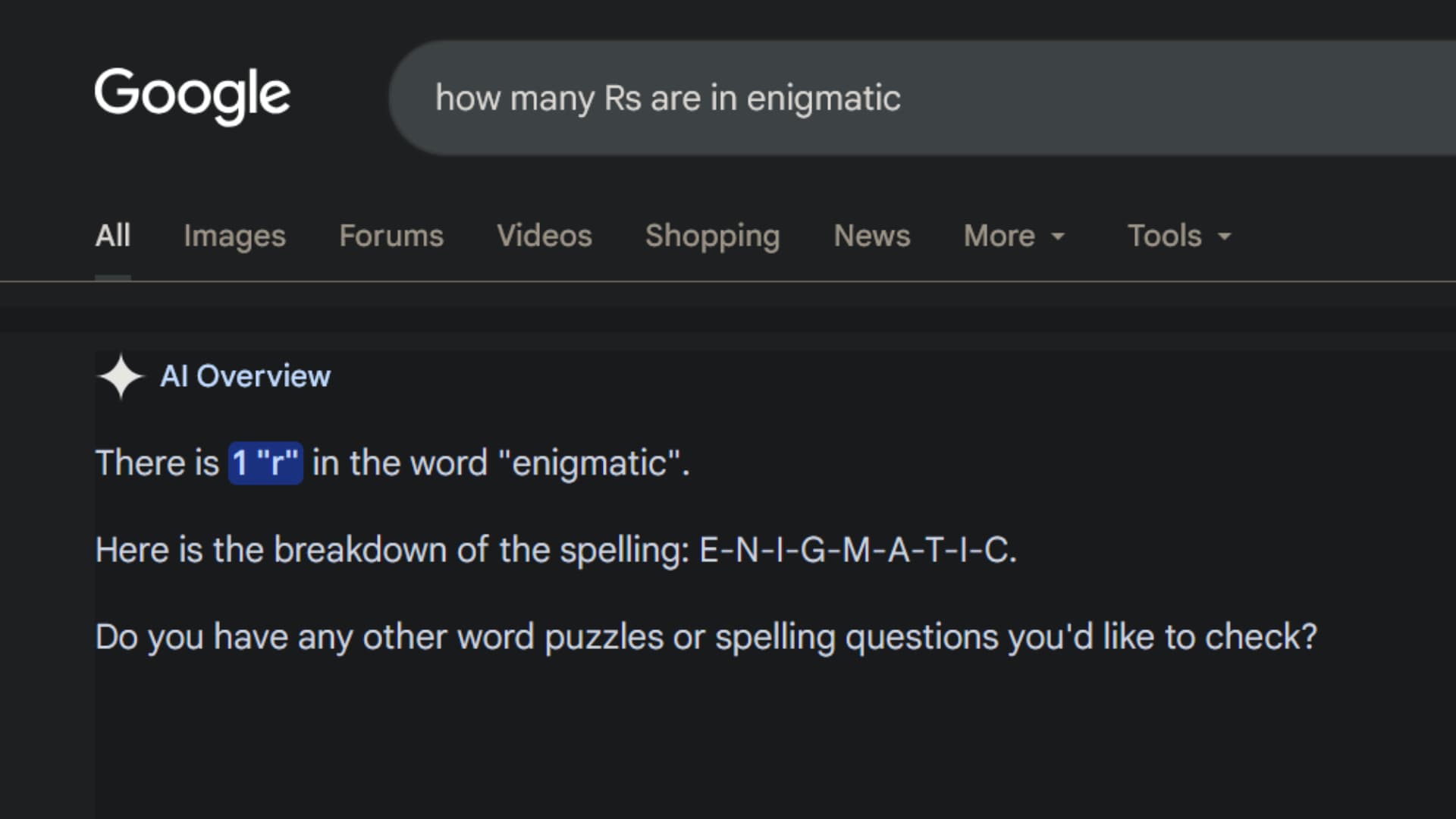
Google's "check the sources" defense runs into a practical problem: users rarely do. Pew Research found last year that Google users are much less likely to click on sources shared via AI Overviews compared to traditional search results.
When an AI summary appears to answer a question directly, users have little reason to dig deeper. This behavior supports the court's position that users treat AI Overviews as authoritative statements from Google, not as starting points for further research.
From Passive Directory to Active Publisher
For years, search engines benefited from "intermediary liability" protections. They were treated as passive directories, pointing users toward content without creating it.
The Munich court's ruling establishes that AI Overviews cross a line. By synthesizing, rewriting, and presenting information as factual statements, Google transforms from a passive directory into an active publisher. Publishers face liability for their content. Now, so does Google.
What Comes Next
The ruling is from a regional court, not Germany's Federal Court of Justice, so it's not the final word. Google will likely appeal. But the reasoning could influence courts in other jurisdictions examining similar questions about AI-generated content liability.
Online discussions suggest this could force Google to make AI Overviews more conservative, hedging statements or including more prominent disclaimers. It could also trigger a wave of similar lawsuits from publishers across Europe who have been harmed by AI hallucinations.
Engineers in HackerNews threads point to a deeper problem: the technical architecture of large language models prioritizes fluency over truth. An LLM generates text that sounds confident and authoritative even when the underlying claims are fabricated. This design is fundamentally at odds with legal standards that hold publishers accountable for accuracy.


Logicity's Take
Another look at how AI tools are reshaping everyday workflows
Frequently Asked Questions
What did the Munich court rule about Google AI Overviews?
The court ruled that AI Overviews are Google's own content, not third-party search results, making Google liable for false claims generated by the feature.
Why did Google's defense fail in this case?
Google argued users know AI should not be blindly trusted and can check sources themselves. The court rejected this, ruling that the ability to verify claims doesn't exempt a publisher from liability.
Could this ruling affect Google globally?
The reasoning could influence courts in other jurisdictions. If more countries adopt similar logic, Google may need to redesign how AI Overviews handle unverified claims.
What is intermediary liability protection?
It shields search engines from responsibility for third-party content they index. The court ruled AI Overviews don't qualify because they synthesize and present information as Google's own statements.
What triggered this lawsuit against Google?
Google's AI Overview falsely attributed another company's questionable practices to two Munich publishers. After Google failed to address their cease-and-desist letter, the publishers sued.
Need Help Implementing This?
Source: PCGamer latest
Manaal Khan
Tech & Innovation Writer
Produced with AI assistance and reviewed by the Logicity editorial team. Learn more in our Editorial Policy.