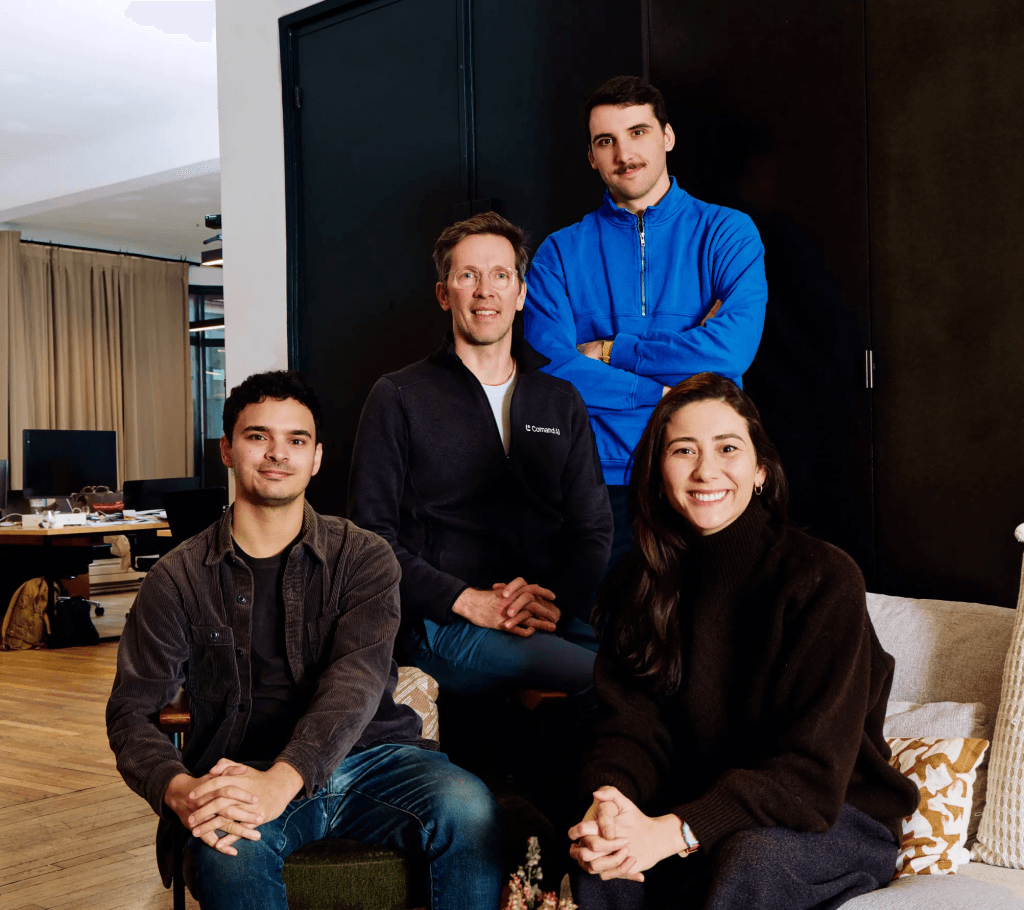
Enigma, a robotics research lab founded by two Israeli cybersecurity veterans, emerged from stealth this week with $71 million in seed funding. The round was led by Index Ventures and Ribbit Capital, with participation from Sarah Guo of Conviction Partners. The company's bet: the biggest barrier to useful robots isn't model capability, it's the interaction layer.

Where most robotics companies are racing to build foundation models that generalize to new tasks, Enigma is focused on a different problem: figuring out how humans actually want to communicate with machines. The startup's thesis is that even the most capable robot is useless if instructing it takes longer than doing the task yourself.
The volume knob problem
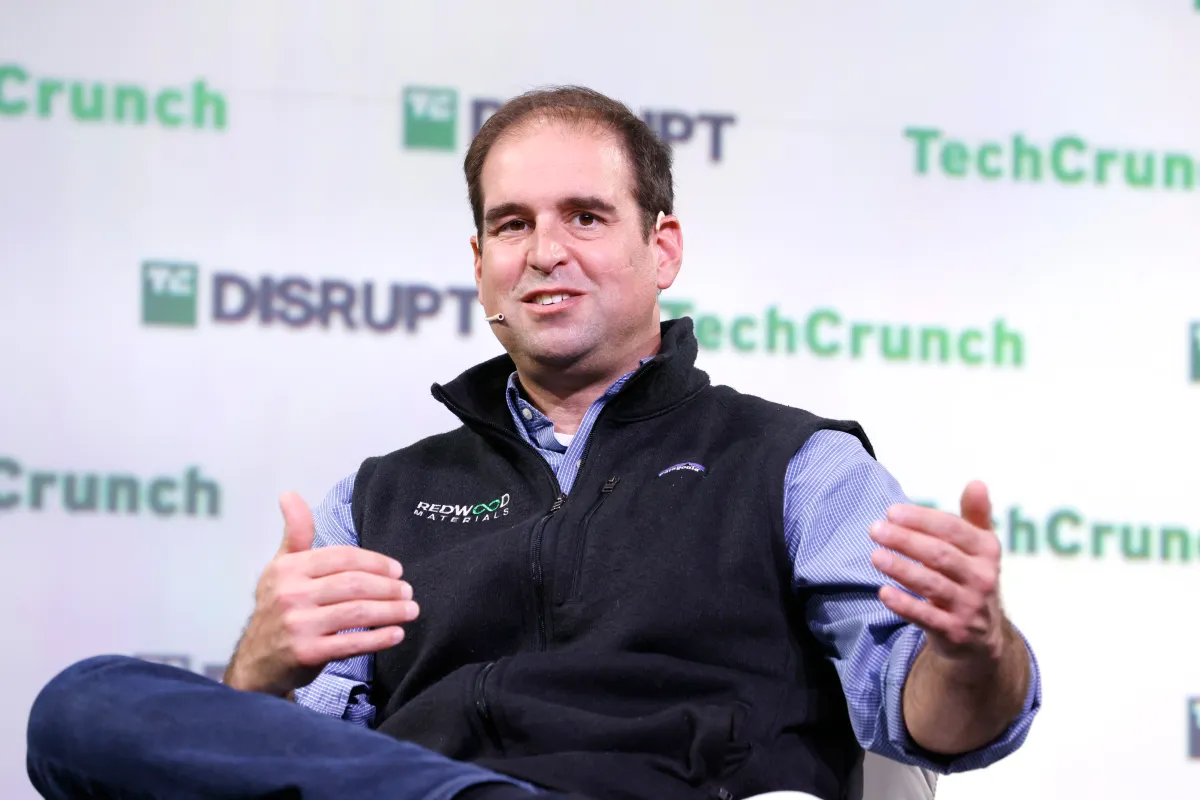
Co-founder Jonathan Jacobi frames the challenge with a car analogy. Adjusting your stereo volume is effortless: turn a knob, hear the result, correct if needed. Now imagine if volume adjustment required typing percentages without knowing how loud 47% actually sounds. That's where robot interaction sits today.
“If you had to do your dishes and spent 15 minutes explaining to a robot where to put everything, everyone reaches the point of 'Forget it, I'll just do it myself.' Right now, everyone is at that point — even with the most capable models.”
— Jonathan Jacobi, Co-founder, Enigma
Jacobi co-founded Enigma with Gal Niv. The two met as teenagers competing in hacking competitions, then served together in Israel's Unit 8200 conducting cybersecurity research. Jacobi was Microsoft's youngest-ever employee, recruited by Wiz founder Assaf Rappaport. Neither founder has a robotics background, which Index Ventures partner Shardul Shah views as an advantage.
"Someone who's an insider may start with the capability of teleoperation or dexterity, but Enigma is starting from a very different place: 'What's the ultimate experience?'" Shah said.
100 robots, open to the public
To answer that question, Enigma is launching a large-scale public experiment. More than 100 proprietary AI robots, housed in hangars in Israel and California, will be accessible online to anyone who wants to interact with them. The robots can draw pictures with paintbrushes, fight each other with swords, and perform simple chemistry experiments by mixing liquids in flasks.
The experiment will test different communication modalities. Text commands. Voice instructions. Video demonstrations. Tap-and-drag interfaces. Enigma claims to have built both the robotic arms and their underlying AI models from scratch.
The team includes alumni from top AI labs, math Olympiad winners, and several people who dropped out of PhD programs to join. Jacobi describes them as "some of their smartest friends" from Israel's tech ecosystem.
Business model still undefined
Jacobi admits the experiment is open-ended. The hope is that real-world interaction data will reveal not just better interfaces, but better ways to train foundational models. What Enigma will actually sell remains unclear. Jacobi declined to share specific use cases, though he mentioned partnerships with companies in healthcare, logistics, and entertainment.
For a startup less than a year old, $71 million in seed funding buys significant runway to figure that out. The robotics space has seen a surge of investment as companies race to apply transformer architectures and foundation models to physical manipulation. Enigma's contrarian angle, prioritizing UX over raw capability, may prove prescient or premature. The public experiment should generate data either way.
Logicity's Take
Enigma's bet is intellectually interesting but commercially unproven. The robot-as-volume-knob metaphor resonates because it's true: instruction overhead kills adoption. But interface innovation without a clear product roadmap is a tough sell to enterprise buyers. The public experiment is clever marketing and potentially valuable research, though converting that into revenue will require Enigma to eventually pick a vertical and commit. Healthcare and logistics customers don't buy platforms, they buy solutions to specific problems.
Context on the current funding environment for deep-tech startups
The stealth exit and funding announcement position Enigma as an outsider challenging conventional robotics wisdom. Whether that outsider status translates to breakthrough products will depend on what the public experiment reveals, and whether Enigma can move from research lab to operating company before the seed capital runs out.
Need Help Implementing This?
If you're building in robotics or exploring AI interfaces for physical products, reach out to our team for introductions to relevant investors and technical advisors in the space.
Source: Startups | TechCrunch / Marina Temkin
Huma Shazia
Senior AI & Tech Writer
Produced with AI assistance and reviewed by the Logicity editorial team. Learn more in our Editorial Policy.