
Key Takeaways
- BigBasket is cutting from 76 cities to about 40 profitable markets under new CEO Amit Nanda
- UnifyApps is negotiating $100-120M from EQT at a valuation of $700-750M, up from $200M in October
- Ultrahuman seeks $60M at $400M valuation despite US patent dispute with Oura limiting its largest market
Tata Digital's BigBasket is abandoning nearly half its operational footprint, narrowing from 76 markets to about 40 profitable cities as new CEO Amit Nanda takes on a mandate to stem losses. The same week, AI startup UnifyApps entered talks with EQT for $100-120 million that would value the company at $700-750 million, more than triple its October valuation.
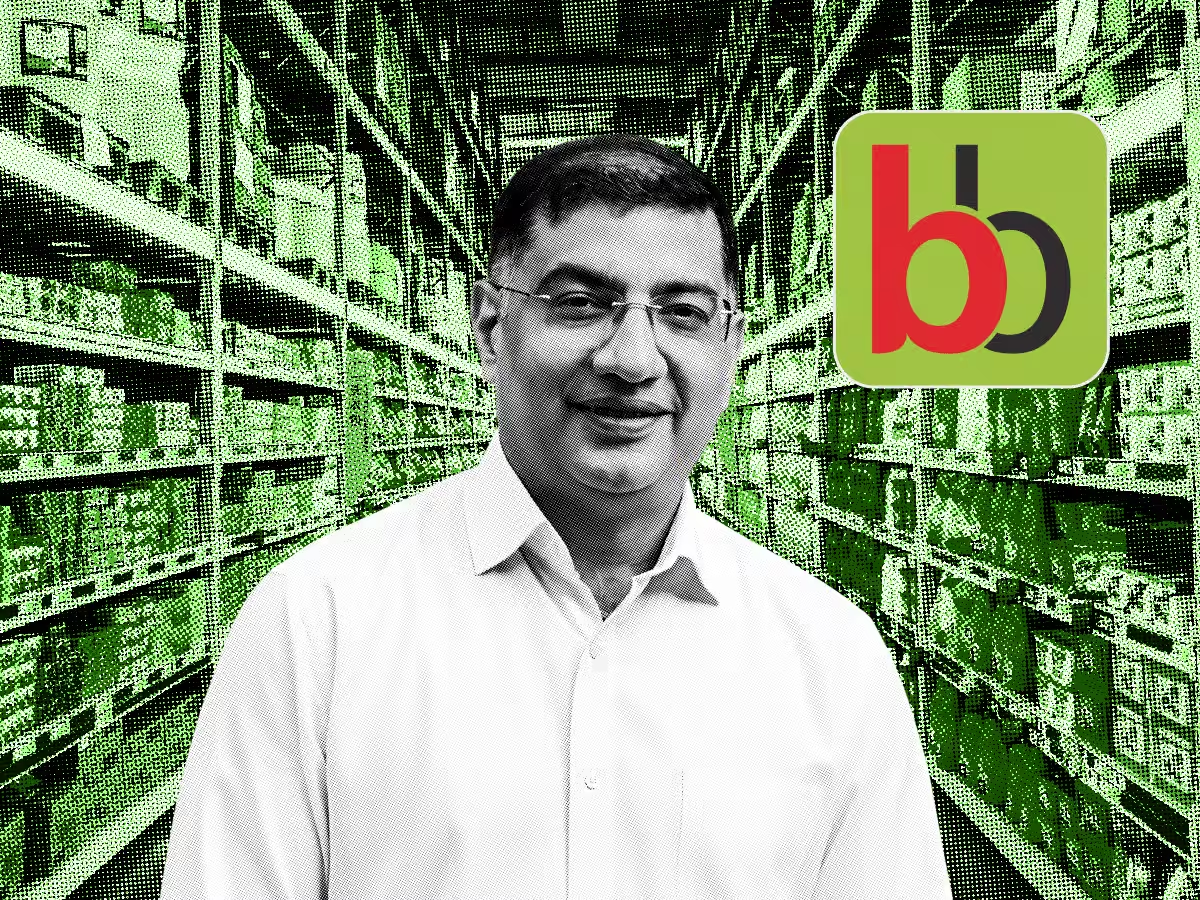
Why is BigBasket shrinking its city footprint?
BigBasket has been a sore point inside the Tata conglomerate. The online grocer's cash burn and mounting losses drew internal scrutiny, and the appointment of Amit Nanda signals a shift from founder-led operations to a professionally managed, execution-focused model.
The logic behind the contraction is density. A company executive told the Economic Times that concentrating on larger cities, where customer density is higher, improves unit economics. Spreading thin across 76 markets was not working. The new strategy zeroes in on three levers: customer acquisition, pricing discipline, and product assortment.
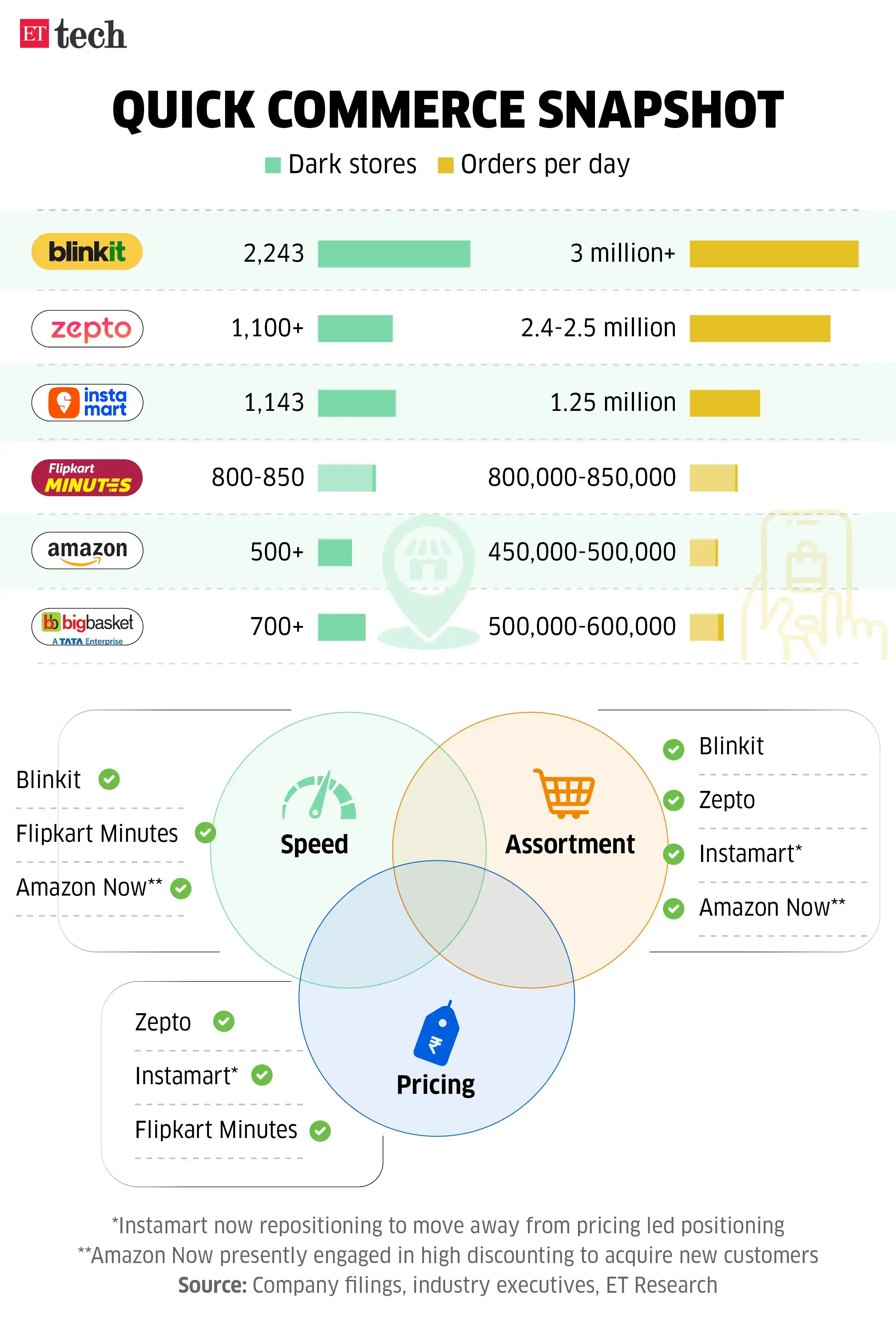
BigBasket cofounder Hari Menon, who recently exited the company, admitted in a LinkedIn post that he was initially in denial about quick commerce as a category. That hesitation cost the company ground. Zepto, Blinkit, and Swiggy Instamart now dominate 10-minute grocery delivery, and Amazon and Flipkart are piling in.
Tata Digital CEO Sajith Sivanandan said in April that BigBasket started slow but is clawing back. The question is whether a halved footprint and tighter operations can offset the head start rivals enjoy.
UnifyApps: $120M round would mark one of India's largest AI raises
UnifyApps helps enterprises unify fragmented data, automate workflows, and deploy AI agents across business functions. The startup closed a round in October at a $200 million valuation. Now it is negotiating with EQT for $100-120 million at $700-750 million, a jump of roughly 3.5x in under a year.

The pitch resonates with a real enterprise pain point. Companies increasingly want to embed AI into existing software stacks rather than rip and replace. That creates demand for integration platforms that can stitch together disparate systems and enterprise data. UnifyApps reported 600% year-on-year revenue growth in October and serves clients in retail, banking, travel, and telecom.
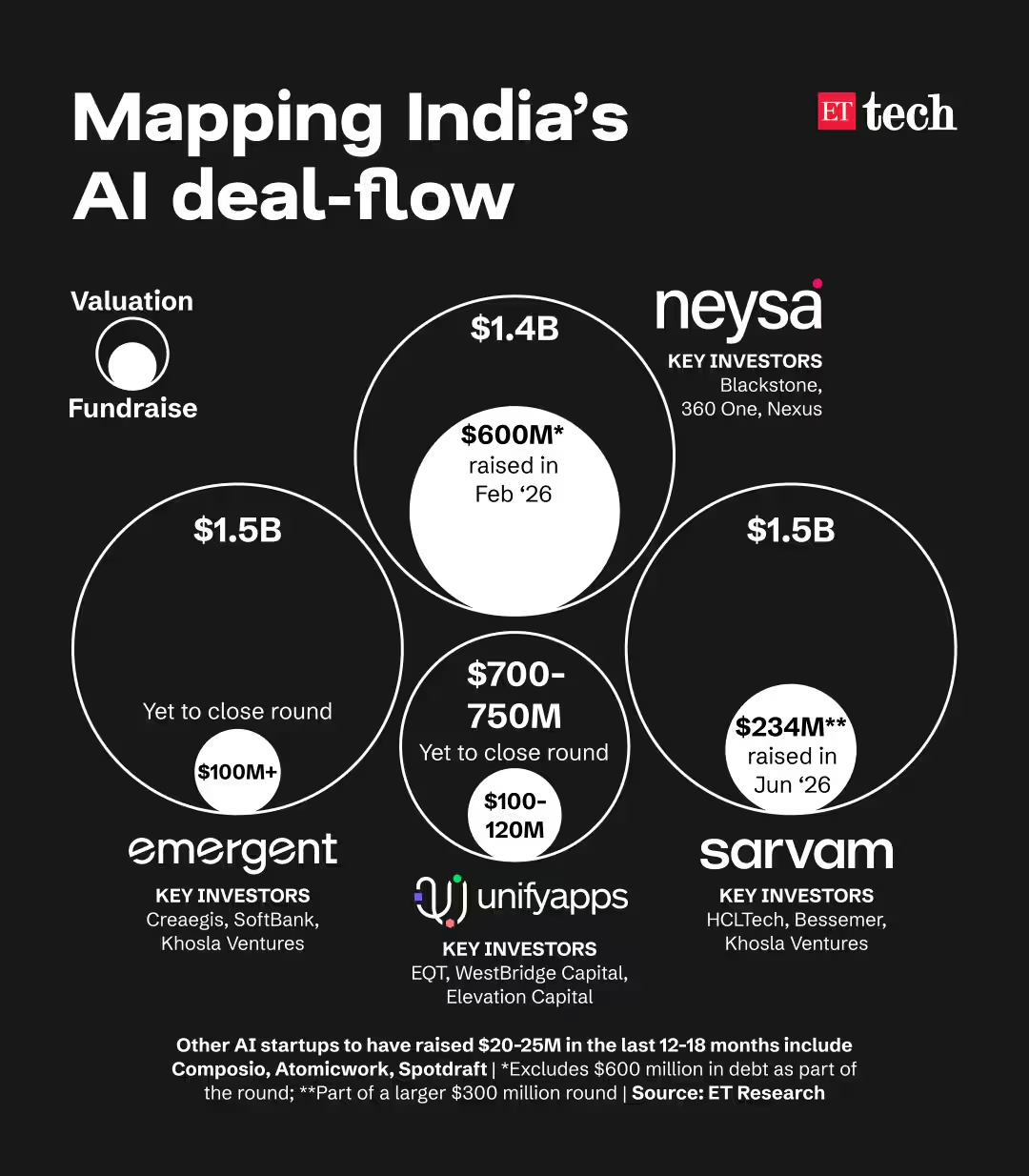
If the deal closes at the reported terms, it would rank among the largest capital raises for an Indian AI firm. Enterprise workflow automation is a crowded space globally, with players like Zapier, Make, and n8n competing for similar integration use cases. UnifyApps' differentiation appears to be its AI-agent deployment layer on top of the core integration offering.
Disclosure
Some links in this post are affiliate links — Logicity earns a commission if you sign up, at no extra cost to you. We only link products we have used or actively recommend.
Ultrahuman's fundraising runs into patent wall
Smart-ring maker Ultrahuman is negotiating about $60 million at a $360-400 million post-money valuation, led by existing investors Steadview Capital and Blume Ventures. The deal is structured as an extension of the $35-40 million round closed in March.

The valuation step-down tells a story. SoftBank and WestBridge Capital had separately evaluated investments at $500-550 million but did not proceed. The sticking point: a patent dispute with Oura that has clouded Ultrahuman's access to the US, its largest market. The US accounted for about 52% of revenue as of February, and projections excluded future Ring Air sales following an import restriction.
Udaan secures $160M in structured financing
B2B ecommerce platform Udaan closed a $160 million structured financing deal combining fresh equity, debt, and debt-to-equity conversion. Existing investors Lightspeed and M&G Prudential are putting in $50-60 million in fresh equity. BlackRock's credit platform is providing about $45 million in debt. The remainder comes from bondholders converting debt into equity.
The deal arrives while Udaan navigates insolvency proceedings, making the fresh capital injection a vote of confidence from existing backers willing to ride out the restructuring.
Quick commerce: the competitive backdrop
India's quick commerce market is estimated to hit $5.5 billion by 2025, according to RedSeer. The sector has attracted massive capital and fierce competition. Zepto, Blinkit, and Swiggy Instamart have built dense dark-store networks that enable 10-minute delivery in metro areas.

BigBasket's original value proposition was scheduled grocery delivery. Quick commerce upended that model. The company's pivot to instant delivery came late, and the market punished the delay. Halving the footprint is an acknowledgment that competing everywhere is unsustainable.

What does this mean for Indian tech funding?
The UnifyApps round, if it closes, suggests that enterprise AI remains a bright spot for investors despite the broader funding winter. Valuations for consumer-facing startups have compressed, but B2B SaaS companies with strong revenue growth can still command premium multiples.
For Ultrahuman, the valuation cut reflects real market risk. Patent disputes and import restrictions are not theoretical concerns; they directly impact revenue projections. Investors are pricing that uncertainty in.
Logicity's Take
BigBasket's contraction is overdue. Competing with Zepto and Blinkit on speed while maintaining a 76-city footprint was financially untenable. The real question is whether 40 cities generate enough scale to matter. For UnifyApps, the 3.5x valuation jump in under a year is aggressive, but enterprise AI integration is a genuine need, not hype. Companies using [Salesforce](https://logicity.in/r/salesforce), [HubSpot](https://logicity.in/r/hubspot), or [Zoho CRM](https://logicity.in/r/zoho-crm) alongside dozens of other tools feel the fragmentation pain daily. If UnifyApps can deliver AI agents that actually work across those stacks, the valuation could prove cheap.
Frequently Asked Questions
Why is BigBasket cutting its operational footprint?
BigBasket is narrowing from 76 cities to about 40 profitable markets to improve unit economics. Higher customer density in larger cities makes operations more sustainable as the company races to reach profitability.
How much is UnifyApps raising and at what valuation?
UnifyApps is in talks with EQT to raise $100-120 million at a valuation of $700-750 million, up from $200 million in October 2024.
What is blocking Ultrahuman's US market access?
A patent dispute with Oura led to import restrictions on Ultrahuman's Ring Air in the US, which accounted for 52% of revenue as of February 2025.
Who are the main quick commerce players in India?
Zepto, Blinkit (owned by Zomato), and Swiggy Instamart dominate the quick commerce space. Amazon and Flipkart are also expanding into the sector.
What does UnifyApps do?
UnifyApps helps enterprises unify fragmented data, automate workflows, and deploy AI agents across business functions like retail, banking, travel, and telecom.
Another Indian startup securing significant funding in the current market
Need Help Implementing This?
If you're building enterprise integrations or evaluating quick commerce partnerships, our team tracks these markets daily. Reach out to Logicity for briefings on Indian tech funding trends and competitive intelligence.
Source: Tech-Economic Times
Huma Shazia
Senior AI & Tech Writer
Produced with AI assistance and reviewed by the Logicity editorial team. Learn more in our Editorial Policy.




