Boris Cherny, Anthropic's head of Claude Code, says the biggest mistake users make with AI prompts is giving step-by-step instructions that micromanage the model. Speaking at a Y Combinator event last week, Cherny argued that users should treat Claude like a capable coworker and focus on verification rather than elaborate prompts.
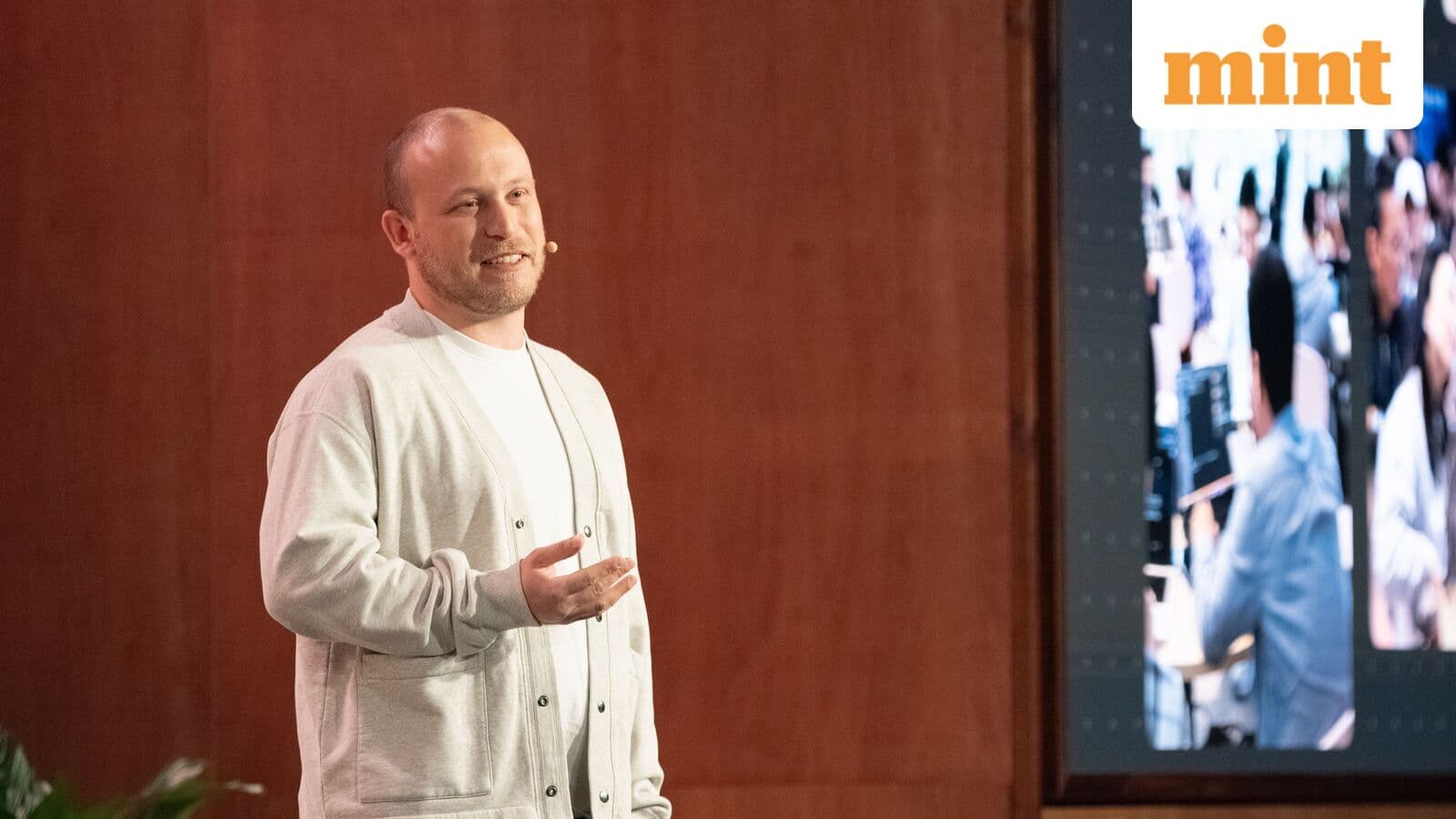
"I think a really common mistake that I see is people are using Claude Code, they're using Claude, and they just give it way over-specific instructions," Cherny said. "They're like, 'I want you to do this, but I want you to do it in this way, this way, this way. You must do like one, then two, then three, then four.'"
Why detailed prompts backfire
How Anthropic Engineers ACTUALLY Prompt Claude Code
Cherny's core argument is that the latest generation of AI models are capable enough to determine the best approach themselves. Micromanaging prevents them from doing so.
He acknowledged this approach would not have worked six months ago. But current models can handle tasks that would have stumped earlier versions. He pointed to a recent example: Claude rewrote an entire production codebase from one programming language to another over 11 days. Engineers, he said, would have needed more than a year.
The shift in capability means users should actually push harder. "Give AI models harder tasks than you think they can accomplish," Cherny advised, because each generation handles work the previous one could not.
Verification over prompting
If elaborate prompts are out, what replaces them? Verification. Cherny called it "probably the single most important thing that people do not get right."
Instead of writing longer and longer instructions, users should give the model ways to test and validate its own output. That could mean specifying expected test results, defining acceptance criteria, or describing what success looks like. Let the AI figure out the path.
"Treat it like you would a coworker," Cherny said. "That is the level of intelligence that it's at now."
Context on recent Anthropic product issues
Google Brain co-founder reached the same conclusion
Cherny is not alone in this view. Google Brain co-founder Andrew Ng made a similar argument last year, coining the term "lazy prompting." Under this approach, users start with a short, imprecise prompt and add detail only if the initial response falls short.
"I find it's sometimes faster to be lazy and dash off a quick, imprecise prompt and see what happens," Ng wrote on X. He noted the technique works best when users can quickly judge output quality, such as debugging code or editing text.
The convergence matters. Two practitioners from different camps, a product lead and a research founder, arriving at the same advice suggests this is not personal preference but a genuine shift in how AI tools work best.
What this means for teams using AI coding tools
For engineering teams adopting AI assistants, Cherny's advice implies a change in workflow. Stop writing multi-step instructions. Write outcome definitions and test criteria instead. Let the model propose its own implementation.
This is harder than it sounds. Most developers are trained to think in procedures. Shifting to outcome-based delegation requires trust in the tool, plus good enough verification to catch failures quickly.
Logicity's Take
Cherny's advice sounds counterintuitive but matches what power users have discovered independently: detailed prompts often constrain more than they help. The real skill is not prompt engineering, it is building feedback loops that catch bad output fast. Teams should invest in CI test coverage and clear acceptance criteria rather than prompt libraries. The best prompt is often three lines plus a test command.
Whether this scales beyond individual tasks to production workflows remains the open question. An 11-day codebase rewrite is impressive, but it is a single task with a clear endpoint. Complex projects with shifting requirements and human stakeholders are a different beast.
Need Help Implementing This?
Logicity works with engineering teams to integrate AI coding assistants into real workflows. If you're evaluating Claude Code, Cursor, or similar tools and want advice on verification pipelines and adoption patterns, reach out at partners@logicity.in.
Source: mint / Aman Gupta
Huma Shazia
Senior AI & Tech Writer
Produced with AI assistance and reviewed by the Logicity editorial team. Learn more in our Editorial Policy.