Key Takeaways
The BEST CRM for Real Estate Agents in 2026 (It's Not What You Think)
- Follow Up Boss leads for brokerages with 250+ integrations; IXACT Contact offers new agents a 6-month free trial
- AI-powered CRMs like Lofty now deploy agentic AI for lead nurturing and task automation
- Budget options exist: Wise Agent starts at $49/month for up to 5 users, Pipedrive at $24/user/month
Zapier's team tested dozens of CRM platforms for real estate agents, read thousands of user reviews, and consulted working agents to identify the best options for 2026. The verdict: there's no single winner. The right CRM depends on whether you're a solo agent, a brokerage, or a team focused on lead generation.
Disclosure
Some links in this post are affiliate links — Logicity earns a commission if you sign up, at no extra cost to you. We only link products we have used or actively recommend.
The real estate CRM market has matured. Every major platform now offers mobile apps, workflow automation, and some form of AI assistance. What separates the winners from the also-rans is how well they handle the specific chaos of real estate: juggling listings, tracking lead sources, integrating with MLS feeds, and keeping follow-ups from slipping through the cracks.
The 9 best real estate CRMs at a glance
| CRM | Best For | Starting Price |
|---|---|---|
| Follow Up Boss | Brokerages | $69/user/month |
| IXACT Contact | New agents | $55/user/month (6-mo free trial) |
| CINC | Lead generation | By request |
| Lofty | Agentic AI | By request |
| Top Producer | Lead nurturing | $179/user/month |
| Real Geeks | Small teams | By request |
| Wise Agent | Budget-conscious agents | $49/month (up to 5 users) |
| Pipedrive | Multiple portfolios | $24/user/month |
| HubSpot | Integrated marketing | Free; paid from $50/user/month |
Follow Up Boss: best for brokerages
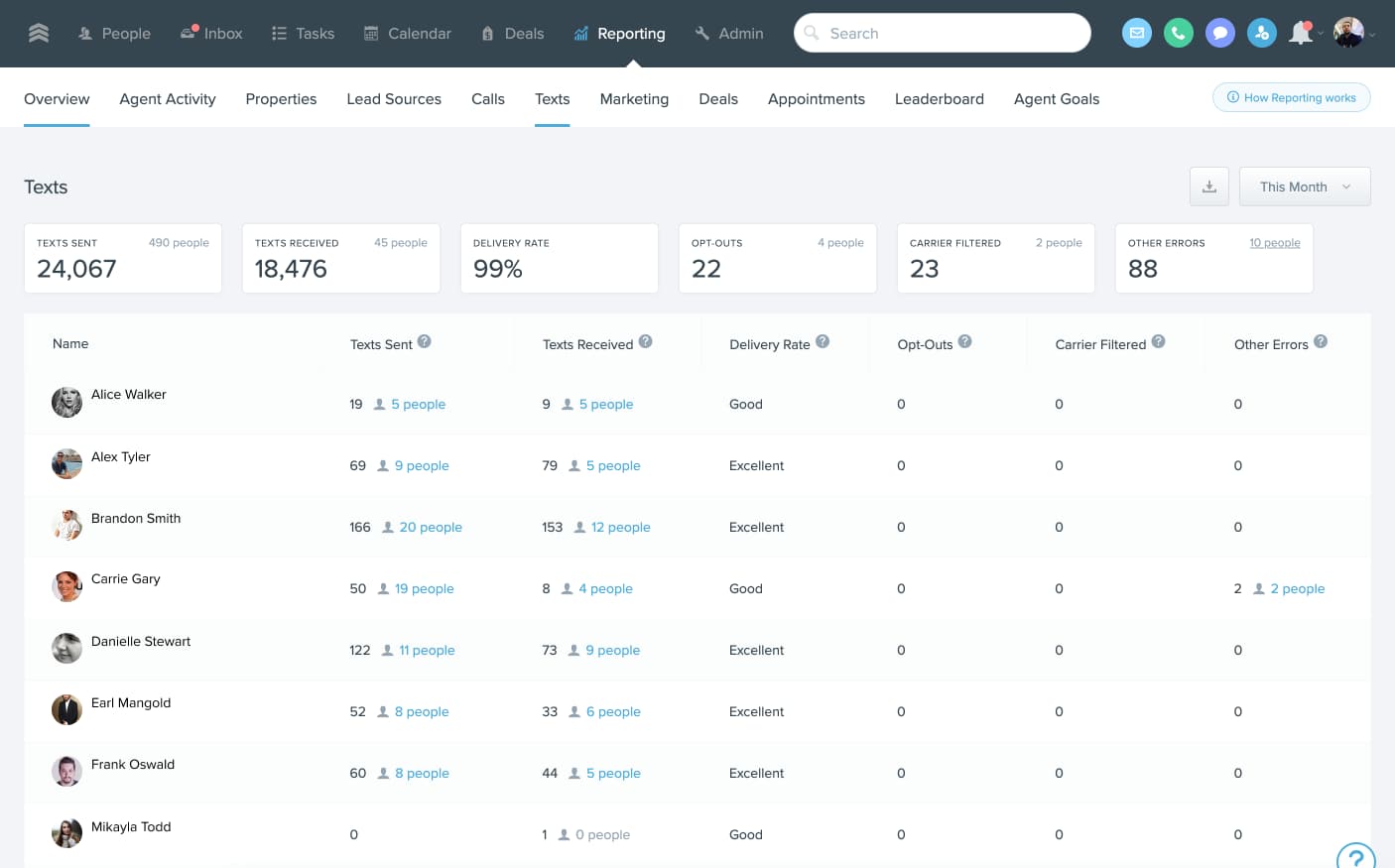
Follow Up Boss integrates with over 250 apps natively, plus anything else via Zapier. For brokerages managing multiple agents and lead sources, this flexibility matters. The platform pulls leads from Zillow, Realtor.com, Facebook ads, and custom websites into a single pipeline.
At $69 per user per month, it's not cheap. But brokerages typically justify the cost through faster lead response times. Research from Tom Ferry International suggests agents who respond within five minutes are 21 times more likely to convert a lead than those who wait 30 minutes. Follow Up Boss is built around that urgency.
IXACT Contact: best for new agents
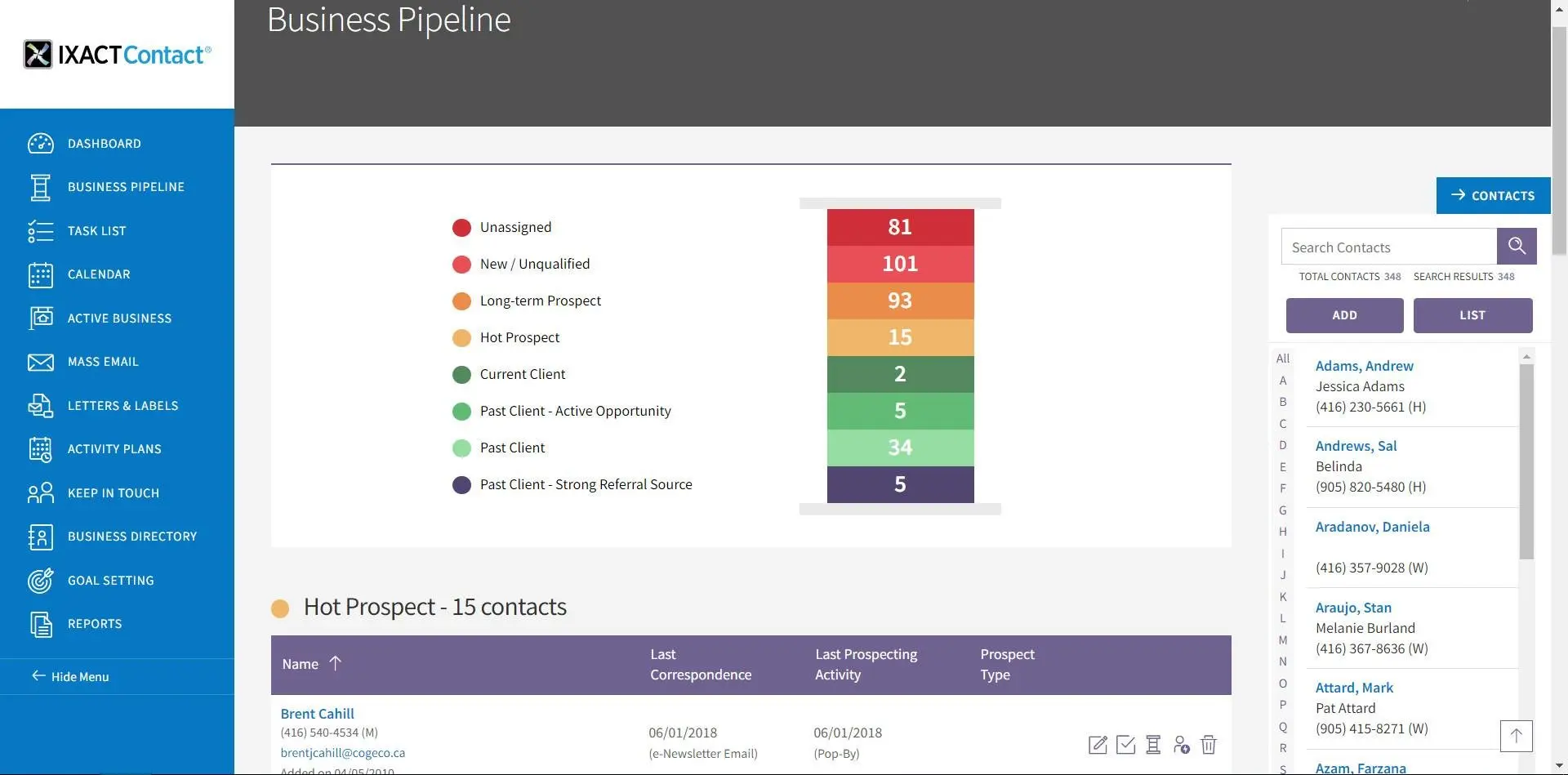
IXACT Contact offers something rare: a six-month free trial for agents new to the industry. After that, pricing starts at $55 per user per month. The platform includes pre-built email templates, drip campaigns, and a keep-in-touch coach that prompts agents to reconnect with past clients.
The interface is simpler than enterprise options, which works in its favor. New agents don't need a CRM that takes weeks to configure. They need something they'll actually use.
CINC: best for lead generation
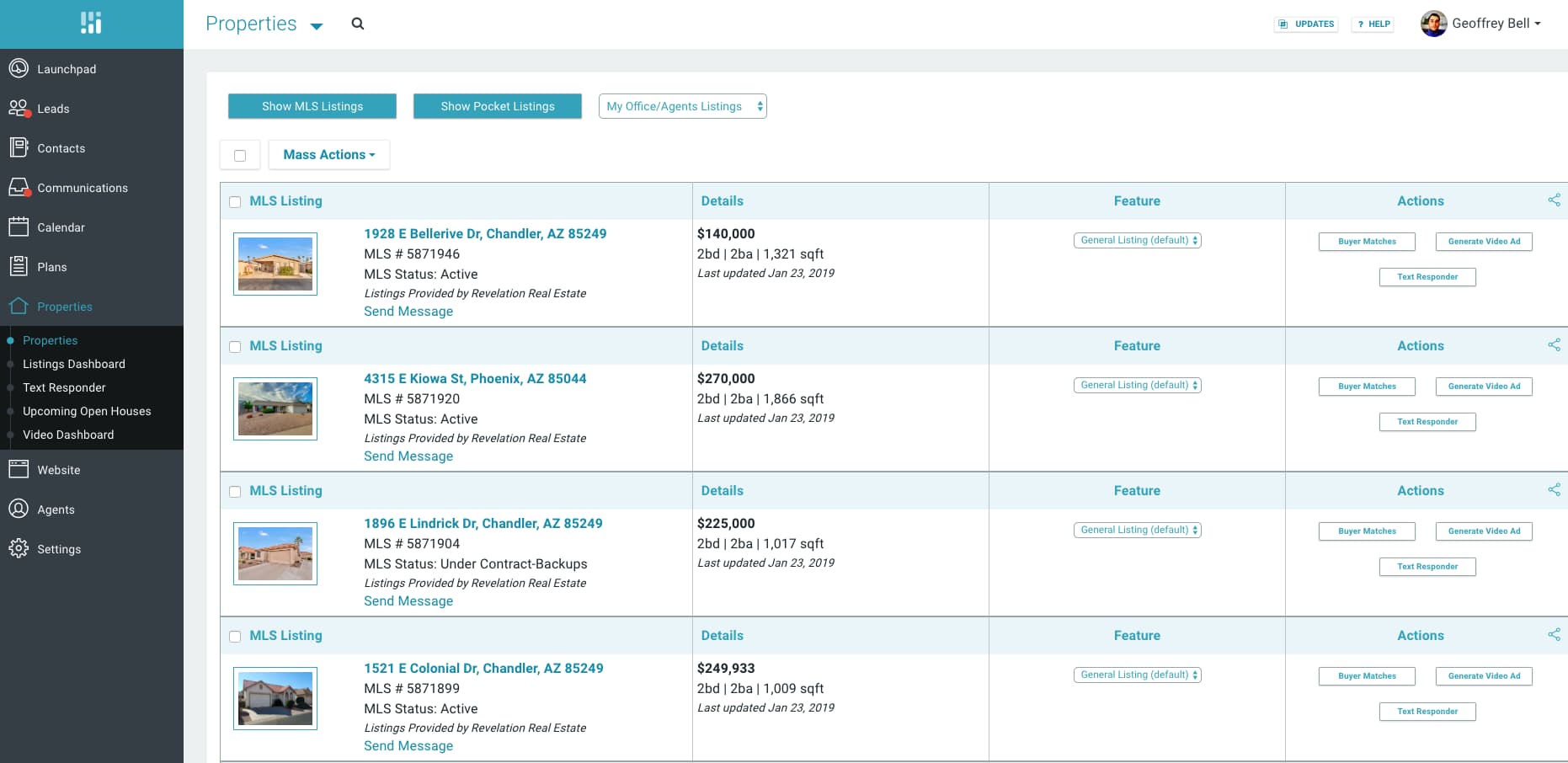
CINC (short for Commissions Inc.) focuses on lead generation rather than just lead management. The platform includes IDX websites, paid advertising management, and lead routing based on geography or agent availability. Pricing requires a quote, which typically means it's positioned for teams spending real money on lead acquisition.
For agents already investing in Google or Facebook ads, CINC's ad management features can consolidate spend tracking. For those relying on referrals and organic traffic, it's overkill.
Lofty: best for agentic AI
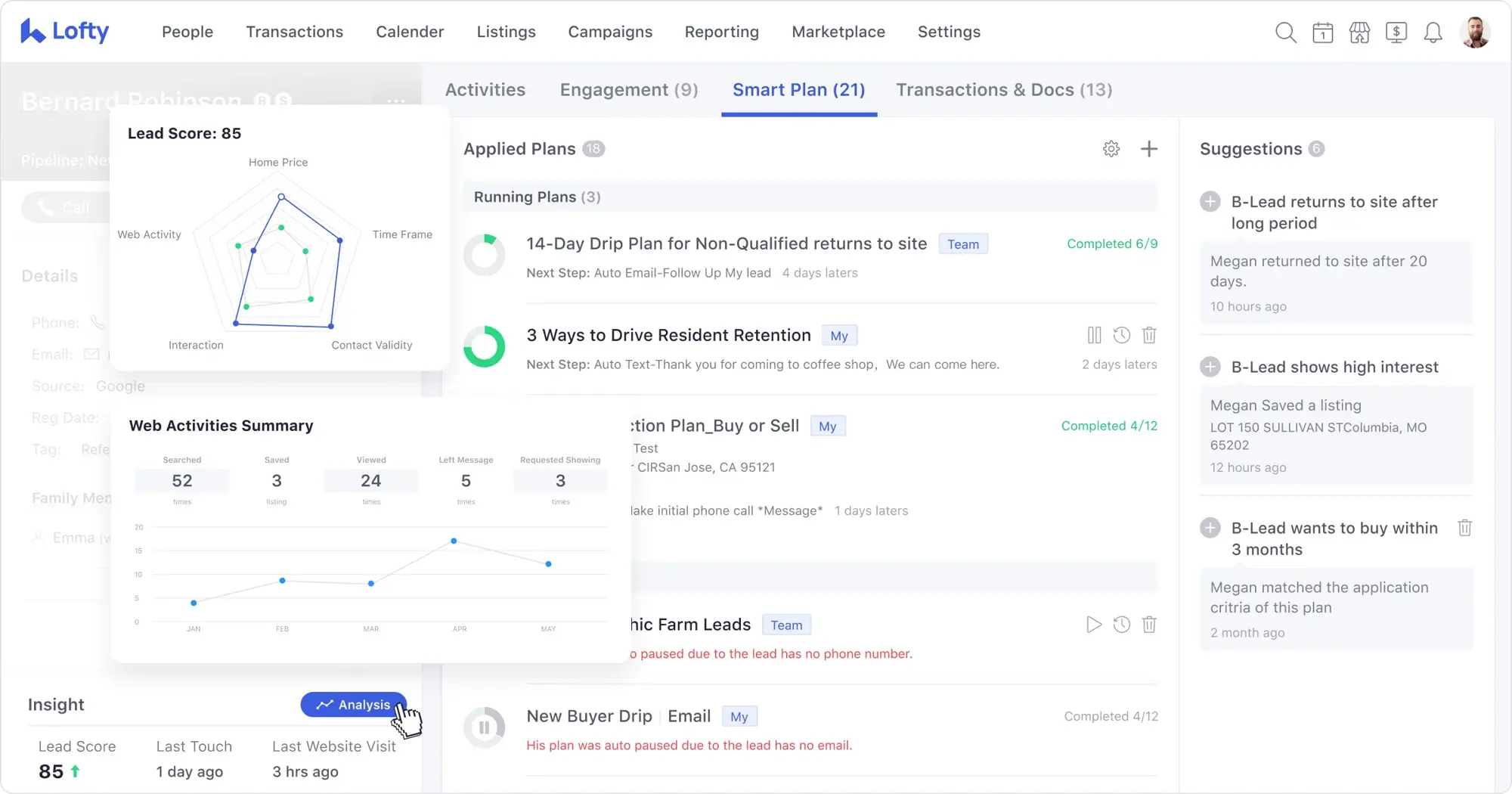
Lofty (formerly Chime) has pushed hardest into AI. The platform deploys what it calls AI agents for lead nurturing, appointment scheduling, and follow-up sequences. These aren't just chatbots. They're autonomous workflows that can handle multi-step conversations and hand off to human agents when leads are ready.
According to Bernice Ross, CEO of RealEstateCoach.com, agents using AI-powered lead scoring see roughly 40% better conversion rates. Lofty is betting that agentic AI, not just AI assistance, becomes the standard expectation.
Top Producer: best for lead nurturing
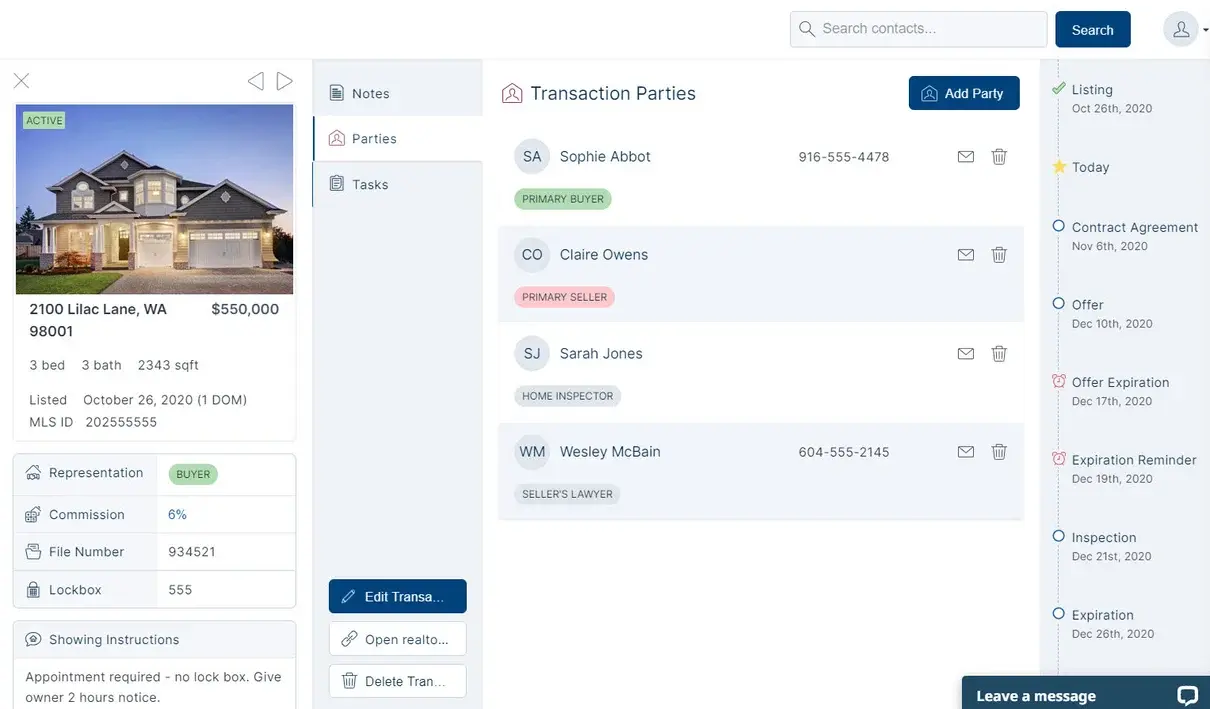
Top Producer has been in the real estate CRM business since 1982. Its standout feature is direct MLS integration, meaning listing data updates automatically without manual entry. At $179 per user per month, it's one of the pricier options, but the time saved on data entry can justify the cost for high-volume agents.
The platform also includes market snapshot reports that agents can send to clients, showing recent sales and price trends in their neighborhood. It's a touch that keeps agents top-of-mind between transactions.
Real Geeks: best for small teams
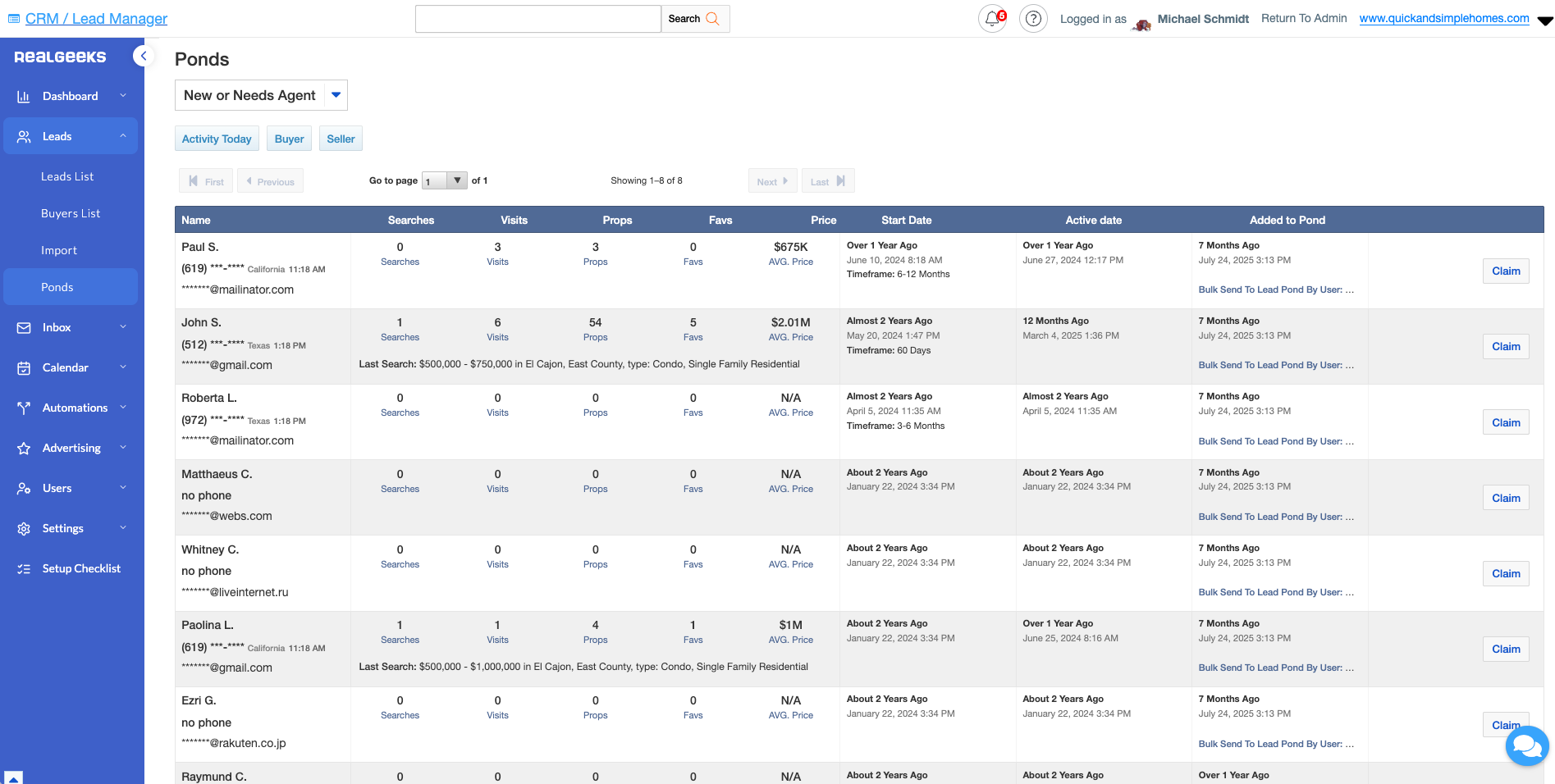
Real Geeks bundles CRM with website hosting. The sites are SEO-optimized and IDX-enabled, meaning they pull live listing data from the MLS. For small teams that want lead generation and CRM in one package, it's a compelling option.
Pricing is by request, but reviews suggest it's competitive with mid-tier options. The tradeoff: you're locked into their website platform. Teams already invested in a custom site may find the bundling less useful.
Wise Agent: best for agents on a budget
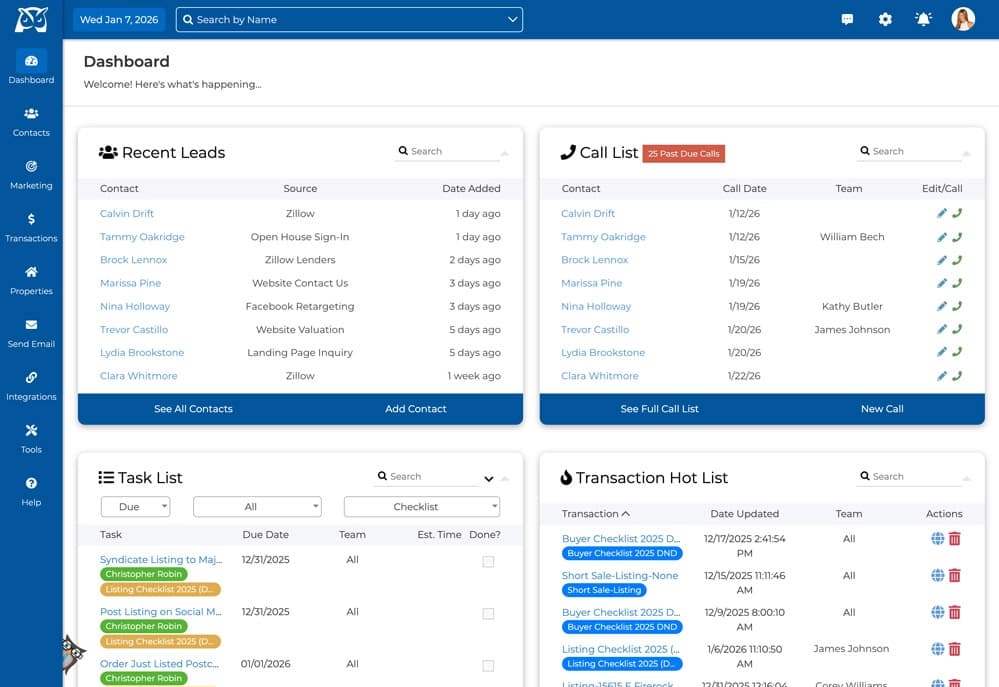
Wise Agent offers a comprehensive feature set at $49 per month for up to five users. That's not per user, that's total. For solo agents or small partnerships, the math is attractive. The platform includes transaction management, drip campaigns, and a built-in calendar.
The interface looks dated compared to newer options, and integrations are more limited. But for agents watching every dollar, Wise Agent delivers core CRM functionality without the enterprise price tag.
Pipedrive: best for managing multiple portfolios
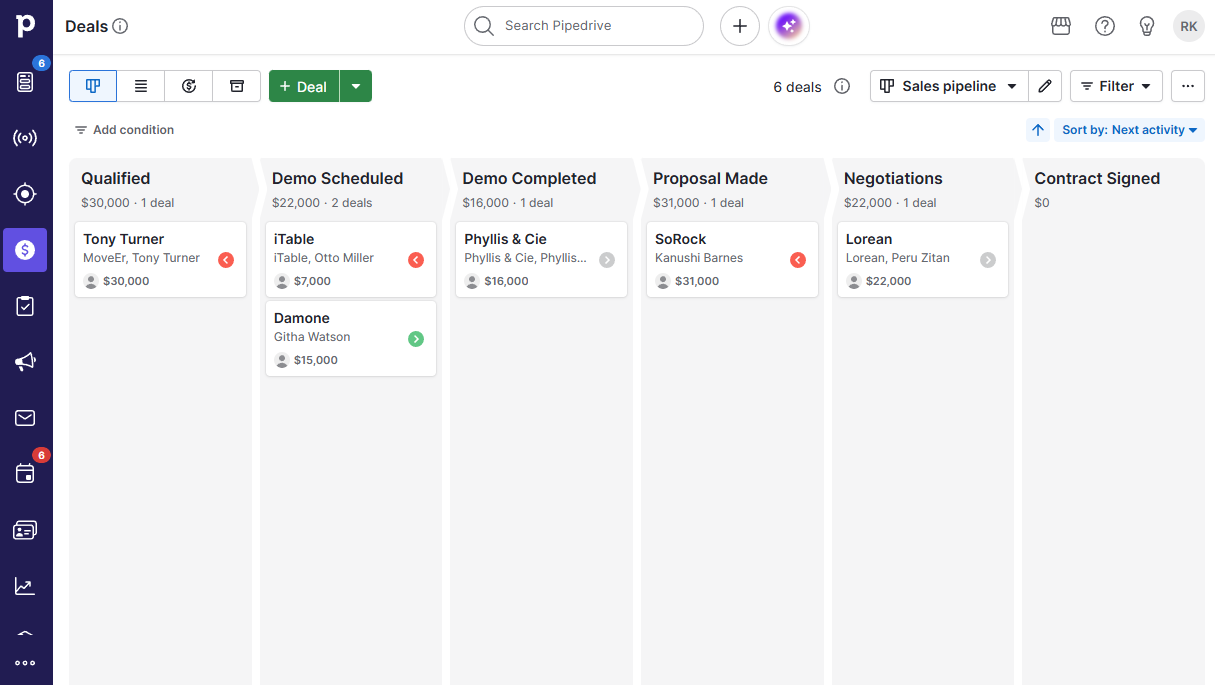
Pipedrive isn't built specifically for real estate, but its clean Kanban-style pipeline view works well for agents managing multiple deal types: residential, commercial, rentals. At $24 per user per month for the Lite plan, it's among the most affordable options that still feels modern.
The platform lacks MLS integration out of the box, so agents need to handle listing data manually or through Zapier connections. For agents who value visual deal tracking over real estate-specific features, it's a strong choice.
HubSpot: best for integrated marketing and sales
HubSpot offers a free CRM tier that's genuinely usable, plus paid plans starting at $50 per user per month for additional marketing and sales tools. For agents who want to run email campaigns, track website visitors, and manage deals in one ecosystem, HubSpot delivers.
The downside: HubSpot is a general-purpose CRM. There's no MLS integration, no property tracking, no commission calculations. Agents can customize it for real estate workflows, but it requires more setup than purpose-built alternatives.
What features matter most in a real estate CRM?
Lead capture and source tracking top the list. Agents need to know which channels produce closings, not just inquiries. The best CRMs attribute leads to specific campaigns, ads, or referral sources.
Workflow automation comes next. Follow-up emails, appointment reminders, and task assignments should happen without manual intervention. According to Salesforce research, CRM users see a 29% average increase in sales productivity, mostly from eliminating repetitive admin work.
Mobile access is non-negotiable. Agents live in cars and at showings. A CRM that only works from a desktop is a CRM that won't get used. Every platform on this list offers either a capable mobile app or a responsive mobile site.
Finally, integration matters. Real estate agents use multiple tools: email, calendar, MLS, marketing platforms. A CRM that plays well with Zapier, Make, or native integrations reduces friction and increases adoption.
Logicity's Take
For SaaS founders studying vertical markets, real estate CRM is instructive. The category shows how industry-specific features (MLS integration, commission tracking, IDX websites) justify premium pricing over horizontal tools like Pipedrive or HubSpot. CINC and Lofty price by quote, a signal they're capturing enterprise value. Meanwhile, Wise Agent proves there's still a market for affordable, feature-complete options. If you're building vertical SaaS, note how the winners bundle adjacent problems (lead gen + CRM + website) rather than solving one narrow pain point.
Frequently Asked Questions
What is the best free CRM for real estate agents?
HubSpot offers the most capable free CRM tier, though it lacks real estate-specific features like MLS integration. Agents need to customize pipelines manually for property tracking.
Do real estate agents really need a CRM?
Agents managing more than a handful of active clients typically see significant benefits. NAR survey data indicates 74% of agents consider CRM critical to their business success.
How much should I pay for a real estate CRM?
Entry-level options like Wise Agent start at $49/month for small teams. Mid-tier platforms like Follow Up Boss run $69/user/month. Enterprise options like Top Producer reach $179/user/month.
Can I use a general CRM like Salesforce for real estate?
Yes, but it requires significant customization. Purpose-built real estate CRMs include MLS integration, property tracking, and transaction workflows out of the box.
What's the ROI on CRM software?
Nucleus Research reports an average return of $8.71 for every $1 spent on CRM technology, driven by improved lead conversion and reduced administrative time.
Need Help Implementing This?
Choosing a CRM is only the first step. Implementation, data migration, and workflow design determine whether the tool actually gets used. Reach out to our team at Logicity for guidance on CRM selection and integration strategy.
Source: The Zapier Blog
Manaal Khan
Tech & Innovation Writer
Produced with AI assistance and reviewed by the Logicity editorial team. Learn more in our Editorial Policy.