Key Takeaways
I tested Smart-Home Gadgets...that are ACTUALLY Smart.
- The Kasa Smart Plug Ultra Mini costs $11 and leaves room for adjacent outlets
- Aqara T2 bulbs support Zigbee, Thread, and Matter compatibility via hub
- Eufy Security E340 doorbell offers local storage, eliminating subscription fees
After testing dozens of smart home devices, ZDNet's Maria Diaz has narrowed her recommendations to five products that survived daily use: the Kasa Smart Plug Ultra Mini 15A, Aqara T2 smart bulb, Eufy Security E340 video doorbell, Ting Smart Sensor, and Lockly Visage Zeno Series smart lock. The list prioritizes reliability and value over flashy features.
Smart home adoption has accelerated sharply. About 63% of US households are expected to have at least one smart device by 2025, and the global market should exceed $150 billion by 2026. Yet most buyers still face the same question: which devices actually work without constant troubleshooting? Diaz's picks offer a starting point.
Why the Kasa Smart Plug stands out
The Kasa Smart Plug Ultra Mini 15A costs $11 for a single unit or $17 for a two-pack. Its selling point is size. Many smart plugs block adjacent outlets, but the Kasa's compact footprint leaves room for a second plug. Diaz uses hers for Christmas lights, lamps, fans, and a flat iron, setting schedules or confirming devices are off remotely.
Smart plugs remain the cheapest entry into home automation. They convert any appliance into a controllable device without rewiring. For anyone hesitant about ripping out switches or installing new fixtures, a $10 plug is a low-risk experiment.
Aqara T2: a bulb that plays well with others
The Aqara T2 E26 supports Zigbee and Thread out of the box. Paired with an Aqara hub, it becomes Matter-compatible, meaning it works across Apple Home, Google Home, and Amazon Alexa without ecosystem lock-in. The bulb outputs up to 1,100 lumens and covers a 2,000K to 9,000K color temperature range.
Diaz schedules hers to turn on at dusk and ties it into voice routines. The protocol flexibility matters because Matter, backed by Apple, Google, Amazon, and Samsung, is quickly becoming the standard for interoperability. Buying Matter-ready devices now avoids compatibility headaches later.
Eufy doorbell: no subscription required
The Eufy Security E340 video doorbell stores footage locally, so there's no monthly cloud fee. Ring and Nest doorbells typically charge $3 to $10 per month for video history. Over a few years, those fees add up to more than the hardware itself.
Local storage also reduces privacy exposure. Footage stays on your property rather than a company's servers. For tech buyers skeptical of subscription creep, Eufy's model is appealing.
Ting sensor and Lockly lock round out the list
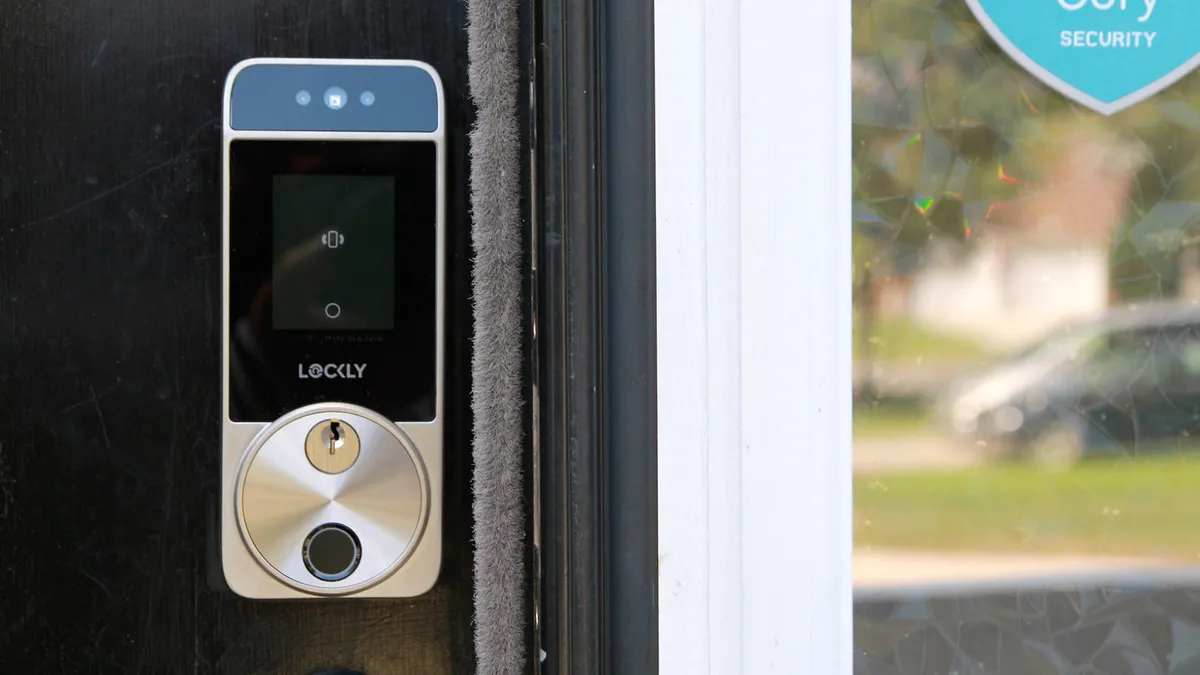
The Ting Smart Sensor monitors electrical hazards, detecting potential fire risks before they become emergencies. It's a niche device but useful in older homes with aging wiring. The Lockly Visage Zeno Series smart lock uses facial recognition and fingerprint scanning for keyless entry. Both solve specific problems rather than chasing novelty.
Diaz's criteria throughout: devices that automate something useful and keep working without babysitting. That bar disqualifies a lot of gadgets that demo well but frustrate daily.
How to start a smart home without overcomplicating it
You need a hub. An Amazon Echo, Apple HomePod, or Google Nest speaker acts as a central controller. From there, add devices one at a time. Smart plugs first, then lighting, then locks or cameras. Each layer builds on the last.
Automation tools like Zapier or Make can extend smart home triggers beyond the native apps. For example, you could log every time your front door unlocks to a spreadsheet in Airtable, or send a Slack alert when motion is detected after midnight. These integrations appeal to technically minded users who want more than basic schedules.
Disclosure
Some links in this post are affiliate links — Logicity earns a commission if you sign up, at no extra cost to you. We only link products we have used or actively recommend.
Logicity's Take
The real story here isn't the five products. It's the shift toward Matter compatibility and local-first storage. Buyers should treat ecosystem flexibility as a requirement, not a bonus. Kasa plugs at $11 and Eufy doorbells with zero subscriptions represent where the market is heading: cheaper hardware, fewer recurring fees, and protocols that don't trap you. If you're evaluating smart home investments for an office or rental property, prioritize Matter-ready gear and devices with local processing. The subscription model that Ring popularized is losing ground.
Frequently Asked Questions
Do I need a hub for smart home devices?
Most require a hub or compatible speaker like Amazon Echo, Apple HomePod, or Google Nest. Some devices work standalone via Wi-Fi but lose advanced features without a hub.
What is Matter and why does it matter?
Matter is a universal smart home standard backed by Apple, Google, Amazon, and Samsung. Devices supporting Matter work across all major ecosystems without proprietary lock-in.
Are smart home devices worth it for renters?
Yes. Smart plugs, bulbs, and portable sensors require no permanent installation. You can take them when you move.
Do video doorbells require a subscription?
Ring and Nest charge monthly for cloud storage. Eufy stores footage locally at no ongoing cost. Check before buying.
How much can smart thermostats save on energy bills?
Users report around 40% savings on heating and cooling costs annually, though results vary by climate and usage patterns.
Need Help Implementing This?
If you're building out smart home infrastructure for your office or property portfolio and need help evaluating devices or integrating automation workflows, reach out to Logicity's consulting team.
Source: Latest news
Huma Shazia
Senior AI & Tech Writer
Produced with AI assistance and reviewed by the Logicity editorial team. Learn more in our Editorial Policy.