Xiaomi 17T Series Launches May 28: Specs, Prices, What to Expect
Key Takeaways
- Xiaomi 17T Series officially launches May 28, featuring the 17T and 17T Pro
- 17T Pro expected to pack a 7,000mAh battery with 100W wired and 50W wireless charging
- European pricing rumored at €749 for 17T and €999 for 17T Pro
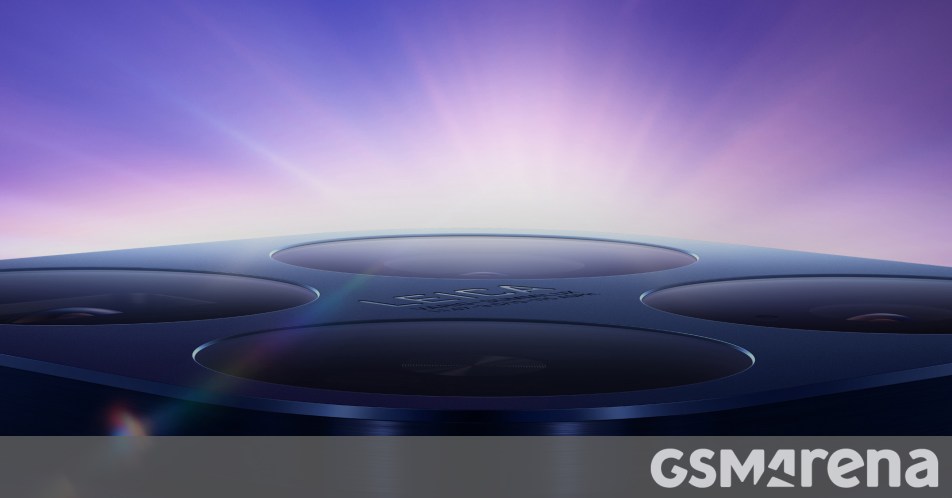
Xiaomi has set May 28 as the official launch date for its 17T series. The announcement came via the company's social media, where Xiaomi described the upcoming phones as 'the biggest T Series upgrade yet.'
The lineup includes two models: the standard Xiaomi 17T and the higher-end 17T Pro. Both have been the subject of extensive leaks over the past few weeks, including official renders and detailed specifications. Here's what we know so far.
Chipsets: Dimensity 8500-Ultra and Dimensity 9500
Both phones will run on MediaTek silicon. The standard 17T is expected to use the Dimensity 8500-Ultra, a capable mid-to-upper tier chip. The 17T Pro steps up to the flagship Dimensity 9500 SoC, which should deliver performance competitive with Qualcomm's Snapdragon 8 Elite.
This marks Xiaomi's continued partnership with MediaTek for its T series, which has traditionally offered flagship-adjacent specs at slightly lower prices than the main numbered series.
Displays: 144Hz on Pro, 120Hz on Standard
The 17T Pro is rumored to feature a 6.83-inch AMOLED panel with FHD+ resolution and a 144Hz refresh rate. The vanilla 17T gets a smaller 6.59-inch AMOLED screen, also FHD+, but capped at 120Hz.
Both should offer bright, punchy displays typical of Xiaomi's recent phones. The size difference, about a quarter inch, gives buyers a choice between manageability and screen real estate.
Camera Systems: Light Fusion Sensors
Camera hardware is where the two models diverge significantly. Both phones will have 50MP main sensors, but the 17T is expected to use a Light Fusion 800 sensor while the 17T Pro gets the newer Light Fusion 950.
The rest of the camera setup appears shared between the two: a 50MP telephoto lens with 5x optical zoom and a 12MP ultrawide. That telephoto is notable for a T series phone. It could make the 17T Pro a serious contender for photography enthusiasts who want zoom capabilities without paying flagship prices.
Battery and Charging: Big Cells, Fast Charging
Battery capacity is one of the biggest upgrades. The standard 17T is rumored to pack a 6,500mAh cell with 67W wired charging. The 17T Pro goes even bigger with a 7,000mAh battery, 100W wired charging, and 50W wireless charging support.
A 7,000mAh battery is substantial. For context, most flagships hover around 5,000mAh to 5,500mAh. If these numbers hold, the 17T Pro could offer two-day battery life for moderate users.
| Spec | Xiaomi 17T | Xiaomi 17T Pro |
|---|---|---|
| Chipset | Dimensity 8500-Ultra | Dimensity 9500 |
| Display | 6.59" AMOLED, FHD+, 120Hz | 6.83" AMOLED, FHD+, 144Hz |
| Main Camera Sensor | Light Fusion 800 (50MP) | Light Fusion 950 (50MP) |
| Telephoto | 50MP, 5x optical zoom | 50MP, 5x optical zoom |
| Ultrawide | 12MP | 12MP |
| Battery | 6,500mAh | 7,000mAh |
| Wired Charging | 67W | 100W |
| Wireless Charging | Not confirmed | 50W |
| Storage (base) | 12/256GB | 12/512GB |
| Expected Price (Europe) | €749 (~$878) | €999 (~$1,170) |
Expected Pricing
Leaked pricing suggests the Xiaomi 17T (12GB RAM, 256GB storage) will start at €749 in Europe, roughly $878. The 17T Pro (12GB RAM, 512GB storage) is expected to start at €999, or about $1,170.
These prices position the phones below the Xiaomi 15 series flagships but above budget options. Whether Xiaomi brings the T series to other markets, and at what prices, remains to be seen. The company has historically launched T models in Europe and select Asian markets before broader rollouts.
What 'Biggest T Series Upgrade' Might Mean
Xiaomi's marketing language is bold, but the leaked specs back it up. Previous T series phones offered good value but compromised somewhere, usually battery size or camera zoom. The 17T Pro appears to check every box: flagship chip, large battery, fast charging, and a proper telephoto lens.
The real test will be pricing and availability outside Europe. If Xiaomi can hit similar price points in India and other markets, the 17T series could pressure Samsung and OnePlus in the €600-1,000 segment.
Logicity's Take
Frequently Asked Questions
When does the Xiaomi 17T series launch?
Xiaomi has confirmed May 28, 2025 as the official launch date for both the 17T and 17T Pro.
What chipset does the Xiaomi 17T Pro use?
The 17T Pro is expected to use MediaTek's flagship Dimensity 9500 SoC. The standard 17T will use the Dimensity 8500-Ultra.
How much will the Xiaomi 17T cost?
European pricing is rumored at €749 ($878) for the 17T (12/256GB) and €999 ($1,170) for the 17T Pro (12/512GB). Prices in other markets may vary.
Does the Xiaomi 17T Pro have wireless charging?
Yes, the 17T Pro is expected to support 50W wireless charging alongside 100W wired charging.
What's the battery size on the Xiaomi 17T Pro?
The 17T Pro is rumored to have a 7,000mAh battery, which is larger than most flagship phones currently on the market.
If battery life matters to you, here's what iPhone users should know about the latest iOS update.
Need Help Implementing This?
Source: GSMArena.com / Michail
Manaal Khan
Tech & Innovation Writer
اقرأ أيضاً

رأي مغاير: كيف يؤثر اختراق الأمن الداخلي الأميركي على شركاتنا الخاصة؟
في ظل اختراق عقود الأمن الداخلي الأميركي مع شركات خاصة، نناقش تأثير هذا الاختراق على مستقبل الأمن السيبراني. نستعرض الإحصاءات الموثوقة ونناقش كيف يمكن للشركات الخاصة أن تتعامل مع هذا التهديد. استمتع بقراءة هذا التحليل العميق

الإنسان في زمن ما بعد الوجود البشري: نحو نظام للتعايش بين الإنسان والروبوت - Centre for Arab Unity Studies
في هذا المقال، سنناقش كيف يمكن للبشر والروبوتات التعايش في نظام متكامل. سنستعرض التحديات والحلول المحتملة التي تضعها شركات مثل جوجل وأمازون. كما سنلقي نظرة على التوقعات المستقبلية وفقًا لتقرير ماكنزي

إطلاق ناسا لمهمة مأهولة إلى القمر: خطوة تاريخية نحو استكشاف الفضاء
تعتبر المهمة الجديدة خطوة هامة نحو استكشاف الفضاء وتطوير التكنولوجيا. سوف تشمل المهمة إرسال رواد فضاء إلى سطح القمر لconducting تجارب علمية. ستسهم هذه المهمة في تطوير فهمنا للفضاء وتحسين التكنولوجيا المستخدمة في استكشاف الفضاء.