Will Robotics Have Its ChatGPT Moment?
Key Takeaways
- Robotics leaders are debating whether the field is nearing a ChatGPT-scale moment
- Physical world constraints make robot breakthroughs harder than software-only AI
- Two industry veterans with hands-on experience offer differing perspectives on timing
The Question Every Robotics Company Is Asking
ChatGPT turned AI from a niche interest into a global obsession almost overnight. Large language models went from research curiosity to boardroom priority in months. Now robotics researchers and executives are asking: could their field experience the same kind of inflection point?
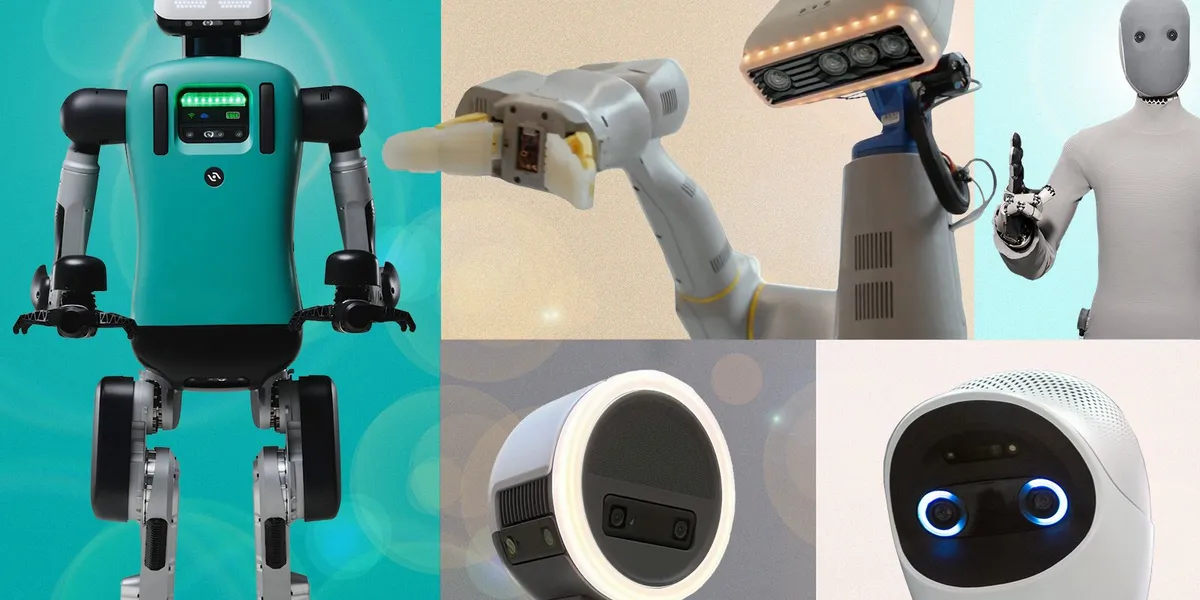
Two people with direct experience building robots at scale are weighing in. Jonathan Hurst co-founded Agility Robotics and teaches robotics at Oregon State University. Hans Peter Brøndmo spent seven years at Google X, where he started and led the Everyday Robots project from 2016 to 2023.
Why Robots Haven't Had Their Moment Yet
Software breakthroughs can spread instantly. OpenAI released ChatGPT and within weeks, millions of people were using it. The marginal cost of one more user is nearly zero.
Robots face different economics. Every unit requires motors, sensors, batteries, and materials. Manufacturing takes time. Deployment requires physical space, safety testing, and often human oversight. You can't scale a robot the way you scale a chatbot.
There's also the physics problem. Language models operate in a domain where errors are recoverable. A chatbot that gives a wrong answer can be corrected. A robot that misjudges a staircase falls down it.
What Would a Breakthrough Look Like?
For language models, the breakthrough was clear: they started producing text that felt human. The output crossed a threshold where people stopped treating it as a novelty and started treating it as a tool.
For robots, the equivalent threshold is harder to define. Would it be a humanoid robot that can navigate any home? A robot arm that can handle any warehouse item? A machine that learns new tasks from watching humans once?
The answer probably depends on who you ask. A logistics company cares about different capabilities than a home care provider. Unlike language, which has universal applications, robot usefulness is context-dependent.
The Agility Robotics Perspective
Hurst's company builds Digit, a humanoid robot designed for warehouse work. The company has focused on a specific use case rather than general-purpose capabilities. This approach trades breadth for depth.
The bet is that robots don't need to do everything. They need to do specific things reliably enough that companies will pay for them. A ChatGPT moment for robotics might not look like one universal breakthrough. It might look like dozens of narrow breakthroughs in different applications.
Lessons from Google X's Everyday Robots
Brøndmo's experience at Google X offers a different vantage point. Everyday Robots worked on getting robots to perform useful tasks in Google's own offices. Cleaning tables, sorting recyclables, opening doors.
Google shut down the project in 2023, folding the team into DeepMind. The move suggested that even with Google-scale resources, getting robots to work reliably in unstructured environments remained too hard to commercialize.
That doesn't mean progress isn't happening. The techniques developed at Everyday Robots, combining large models with physical manipulation, are now being applied elsewhere. Sometimes a project's shutdown teaches more than its continuation.
Logicity's Take
What Could Accelerate Progress
Several trends could push robotics forward faster. Foundation models trained on robot data are improving. Simulation environments let robots practice millions of scenarios before touching real objects. Hardware costs continue to fall.
The wildcard is whether advances in AI reasoning transfer to physical tasks. If a robot can use a large language model to plan actions, then break those actions into motor commands, the software breakthrough might pull hardware along with it.
But physics remains stubborn. A model can hallucinate plausible text. A robot cannot hallucinate a successful grasp.
Frequently Asked Questions
What is a 'ChatGPT moment' in robotics?
It would be a breakthrough where robots suddenly become useful enough for mainstream adoption, similar to how ChatGPT made AI accessible to millions overnight.
Why haven't robots had a ChatGPT moment yet?
Physical robots face manufacturing costs, safety requirements, and physics constraints that software doesn't. Scaling a chatbot costs almost nothing per user. Scaling robots requires building each unit.
What happened to Google's Everyday Robots?
Google shut down the project in 2023 and moved the team to DeepMind. The robots worked in Google offices on tasks like cleaning and sorting but weren't ready for commercial deployment.
When will humanoid robots be widely deployed?
No consensus exists. Companies like Agility Robotics are deploying robots in warehouses now, but general-purpose home robots remain years away from commercial viability.
Can AI language models help robots learn faster?
Possibly. Researchers are exploring whether large models can help robots plan actions and understand instructions, but translating language understanding into physical movement remains a challenge.
How AI model economics are shifting
Need Help Implementing This?
Source: IEEE Spectrum
Huma Shazia
Senior AI & Tech Writer
اقرأ أيضاً

رأي مغاير: كيف يؤثر اختراق الأمن الداخلي الأميركي على شركاتنا الخاصة؟
في ظل اختراق عقود الأمن الداخلي الأميركي مع شركات خاصة، نناقش تأثير هذا الاختراق على مستقبل الأمن السيبراني. نستعرض الإحصاءات الموثوقة ونناقش كيف يمكن للشركات الخاصة أن تتعامل مع هذا التهديد. استمتع بقراءة هذا التحليل العميق

الإنسان في زمن ما بعد الوجود البشري: نحو نظام للتعايش بين الإنسان والروبوت - Centre for Arab Unity Studies
في هذا المقال، سنناقش كيف يمكن للبشر والروبوتات التعايش في نظام متكامل. سنستعرض التحديات والحلول المحتملة التي تضعها شركات مثل جوجل وأمازون. كما سنلقي نظرة على التوقعات المستقبلية وفقًا لتقرير ماكنزي

إطلاق ناسا لمهمة مأهولة إلى القمر: خطوة تاريخية نحو استكشاف الفضاء
تعتبر المهمة الجديدة خطوة هامة نحو استكشاف الفضاء وتطوير التكنولوجيا. سوف تشمل المهمة إرسال رواد فضاء إلى سطح القمر لconducting تجارب علمية. ستسهم هذه المهمة في تطوير فهمنا للفضاء وتحسين التكنولوجيا المستخدمة في استكشاف الفضاء.