Why the Galaxy S21 Ultra Was Samsung's Last Great Phone
Key Takeaways
- The Galaxy S21 Ultra's 6.8-inch screen is narrower and more comfortable to hold than current Samsung flagships
- Newer Samsung phones prioritize specs like 200MP sensors over consistent, reliable camera performance
- The reviewer skipped the S22, S23, and S24 series entirely because the S21 Ultra remained capable
The case for keeping an old flagship
Cory Gunther has reviewed Samsung phones for 14 years. He's covered CES, MWC, and written over 9,000 articles on consumer tech. And after all that, his favorite Samsung phone is one from 2021.
In a recent column for How-To Geek, Gunther explains why he kept his Galaxy S21 Ultra through three generations of successors. He skipped the S22, S23, and S24 series. Not because he couldn't get review units. He reviewed plenty. He just didn't want to switch.
His argument comes down to a simple observation: Samsung's flagship line has gotten more capable on paper while getting worse in the hand.
What made the S21 Ultra different
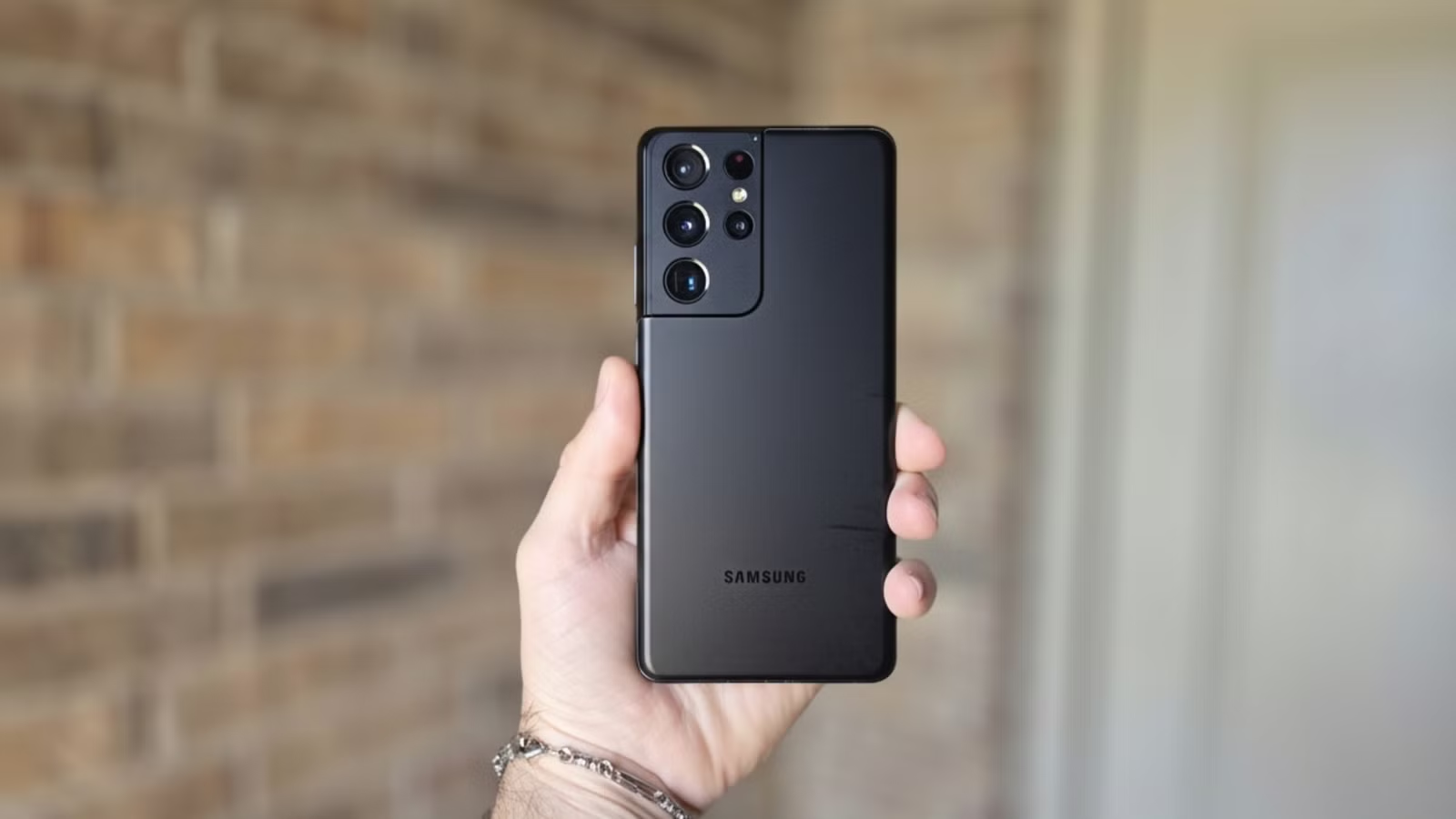
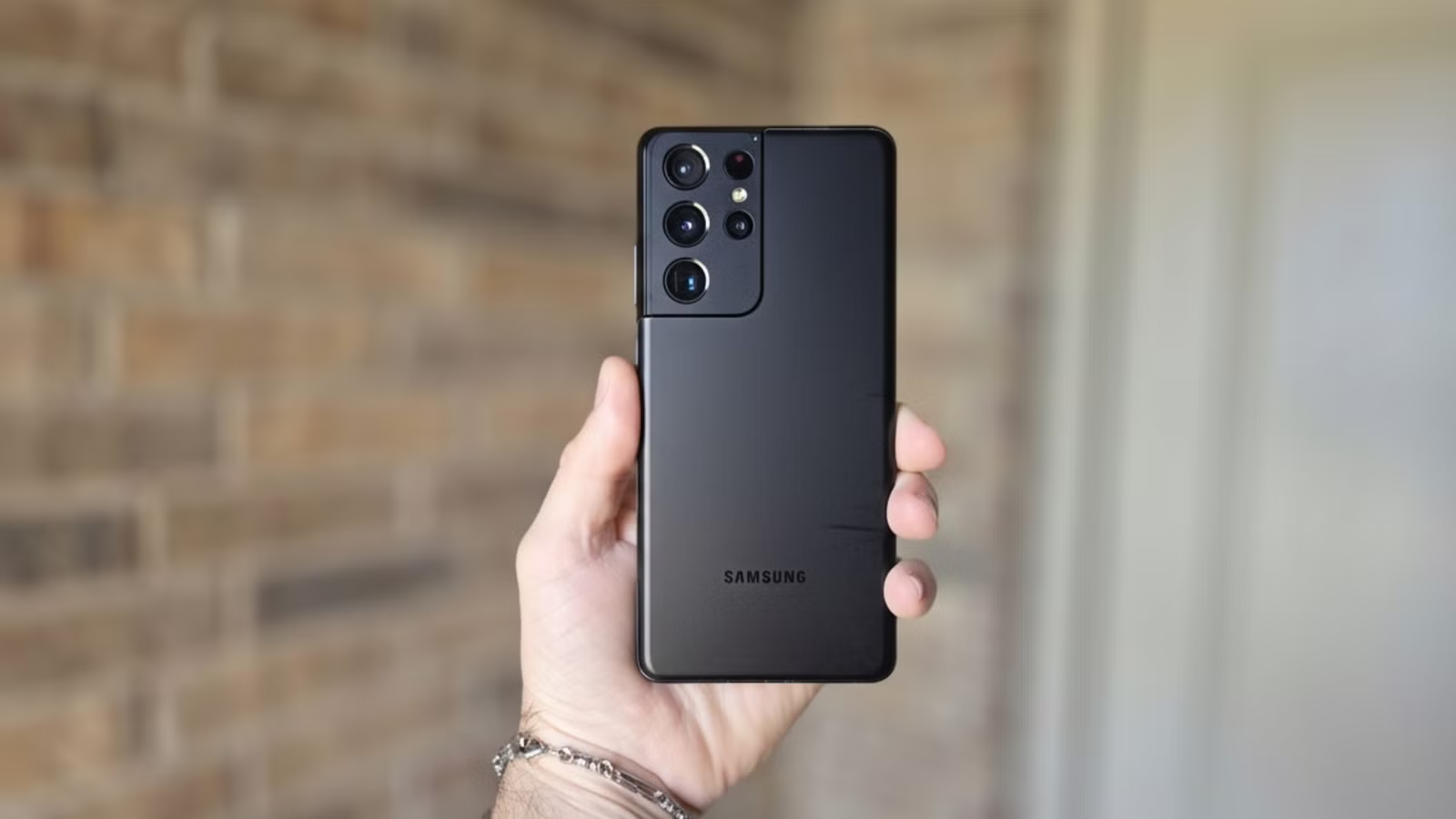
The Galaxy S21 Ultra launched with a 6.8-inch display, four cameras including a dual-telephoto system, an under-display fingerprint scanner, and fast performance. On specs alone, it sounds like every flagship since. But Gunther points to two qualities that set it apart: ergonomics and camera consistency.
The phone's screen isn't as wide as current models or the older Note series. Gunther describes it as "easy to hold" and notes that "no flagship Samsung since is anywhere near ergonomic or comfortable to hold and use." That's a damning assessment from someone who reviews these phones for a living.
The camera system reinforces his point. Modern Samsung flagships chase specs like 200MP sensors and AI processing. The S21 Ultra's cameras "might not be as fancy or capable," Gunther writes, "but at least they are consistent. Something I can't say about newer models. They try to do too much."
The specs-over-experience problem
Samsung's current flagship strategy centers on headline numbers. 200MP sensors. Folding screens. AI integration. Each generation promises more capability than the last.
Gunther doesn't dispute the improvements on paper. He disputes whether they translate to a better phone. His description of current Samsung flagships reads like a critique of the entire industry: devices that prioritize marketing bullet points over daily usability.
The S21 Ultra represents a moment when Samsung balanced both. It had flagship specs for 2021. It also fit comfortably in a hand and took consistent photos. Gunther calls it "nearly perfect." His only complaints? No removable battery and no expandable storage. Features Samsung dropped years earlier.
Reddit agrees
Gunther isn't alone in his assessment. He points to Reddit communities where S21 Ultra owners share similar sentiments. Threads in r/S21Ultra describe the phone as "one of the greatest" Samsung ever made and praise its design as the best in the company's lineup.
This grassroots enthusiasm matters. Enthusiast communities tend to chase new hardware. When they don't, it signals something meaningful about product direction.
What changed at Samsung
The article doesn't dig into Samsung's product strategy decisions, but the pattern is clear from the outside. After the S21 Ultra, Samsung pushed harder on differentiating features: larger sensors, more aggressive computational photography, AI assistants, folding form factors.
Each choice makes sense in isolation. Bigger sensors capture more light. AI processing can enhance photos. Folding screens create new use cases. But the cumulative effect, at least in Gunther's view, is phones that are harder to hold and less predictable to use.
The curved screen on the S21 Ultra was "a bit fragile," Gunther notes. But that's the extent of his hardware criticism. Everything else about the build quality, he describes as excellent.
Logicity's Take
Gunther's column points to a broader pattern in consumer tech: the gap between what companies optimize for and what users actually value. Samsung isn't alone here. But when a 14-year veteran skips three generations of flagships because his old phone works better, that's a product strategy red flag worth examining.
The durability question
One implicit argument in Gunther's piece: flagship phones from 2021 still work. Samsung's software support has extended to seven years for newer devices, but even the S21 Ultra continues to receive updates. Performance remains "highly capable" five years later.
This challenges the annual upgrade cycle that drives smartphone revenue. If a $1,200 phone from 2021 still outperforms current models on daily usability metrics, the value proposition of new flagships gets harder to justify.
For readers considering Samsung's current mid-range options
Should you buy a used S21 Ultra?
Gunther wrote a separate article arguing the S21 Ultra was still worth buying years after launch. The logic holds: if the phone's strengths are ergonomics and consistency rather than raw specs, age matters less than it would for a device chasing benchmark scores.
The practical considerations are battery degradation and software support timelines. A five-year-old battery won't match a new one. Samsung's update window will eventually close. But for users who prioritize comfort and predictable performance over maximum capability, Gunther's argument is worth considering.
Frequently Asked Questions
Is the Galaxy S21 Ultra still worth buying in 2026?
According to Gunther, yes. The phone's ergonomics, camera consistency, and build quality hold up. Battery degradation and the approaching end of software support are the main concerns.
Why did Samsung's newer phones get worse?
Gunther argues Samsung prioritized headline specs like 200MP sensors and AI features over daily usability. The phones got wider, harder to hold, and less consistent in camera output.
What are the S21 Ultra's main weaknesses?
No removable battery, no expandable storage, and a curved screen that's somewhat fragile. These are the only hardware criticisms Gunther mentions.
How long will the Galaxy S21 Ultra receive updates?
Samsung committed to four years of OS updates and five years of security patches for the S21 series, meaning security support extends through 2026.
Did the reviewer actually use the S21 Ultra as his main phone?
Yes. Gunther states it's the Samsung phone he used the longest, keeping it through the S22, S23, and S24 generations despite having access to review units.
Need Help Implementing This?
Evaluating mobile device strategies for your organization? Whether you're standardizing on a device fleet or rethinking upgrade cycles, reach out to discuss how to balance capability, durability, and total cost of ownership.
Source: How-To Geek
Manaal Khan
Tech & Innovation Writer
مقالات ذات صلة
تصفح الكل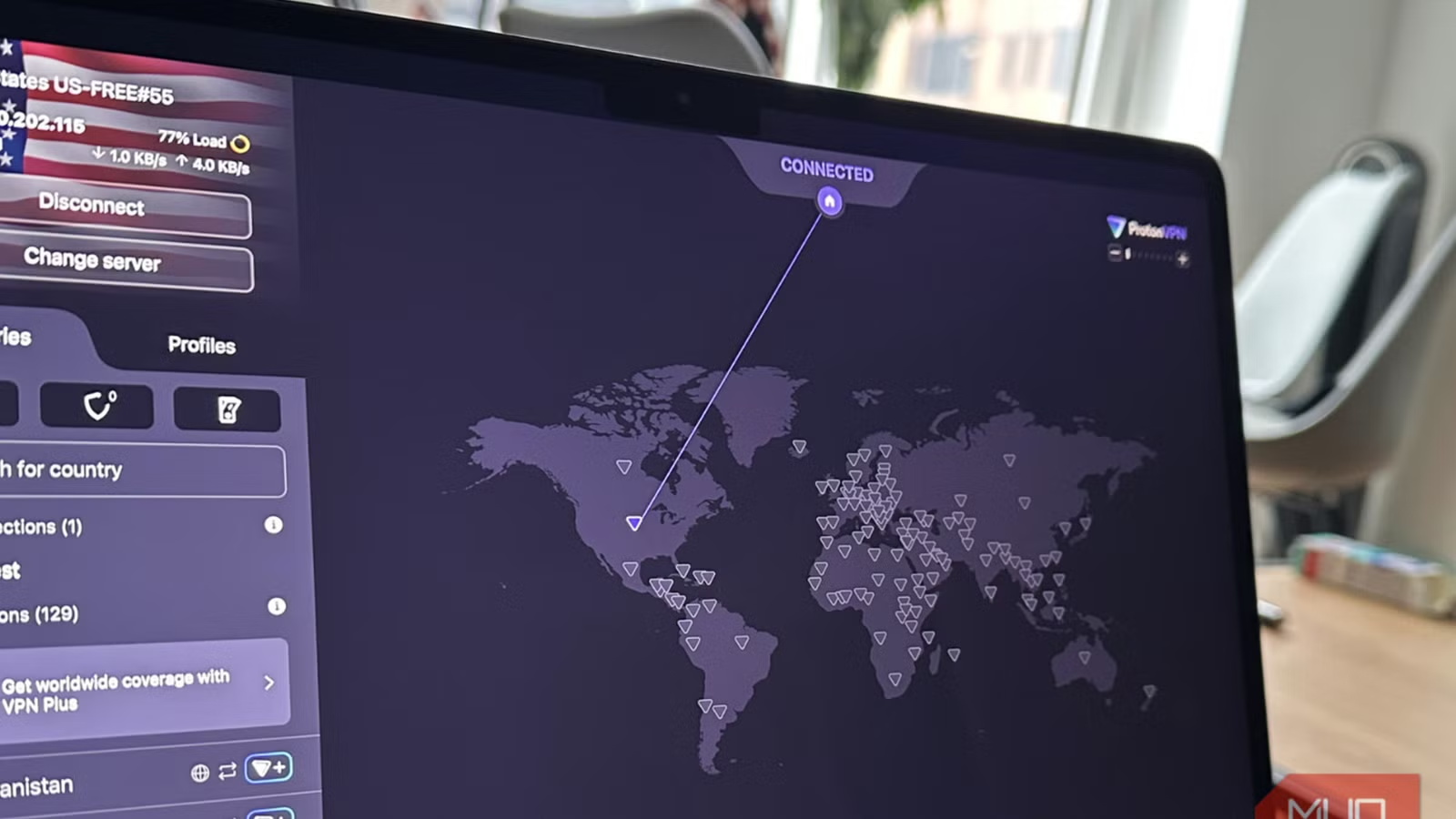
5 إعدادات في متصفحك تسرّب بياناتك حتى مع تفعيل VPN
ماذا لو أخبرتك أن متصفحك المفضل يسلّم عنوان IP الحقيقي وموقعك الفعلي وعادات تصفحك لأي موقع يطلبها، حتى مع تفعيل VPN؟ هذا بالضبط ما يحدث لملايين المستخدمين يومياً، ومنهم من يكتشف ذلك بالصدفة عند إجراء
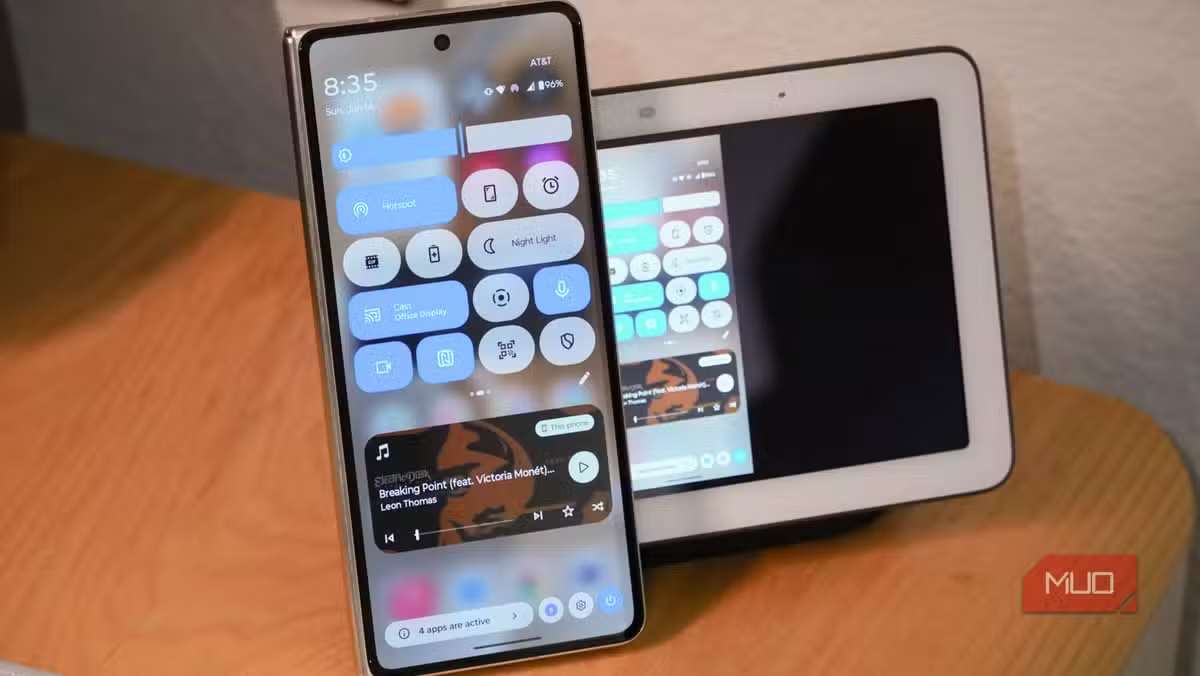
كيف تعرض شاشة هاتف Android على التلفزيون مجاناً باستخدام Google Cast
هل تبحث عن طريقة لعرض شاشة هاتف Android على التلفزيون دون دفع أموال لتطبيقات مليئة بالإعلانات أو شراء كابلات HDMI؟ الحل موجود فعلياً داخل هاتفك: ميزة Google Cast المدمجة في نظام Android 16 تتيح لك بث
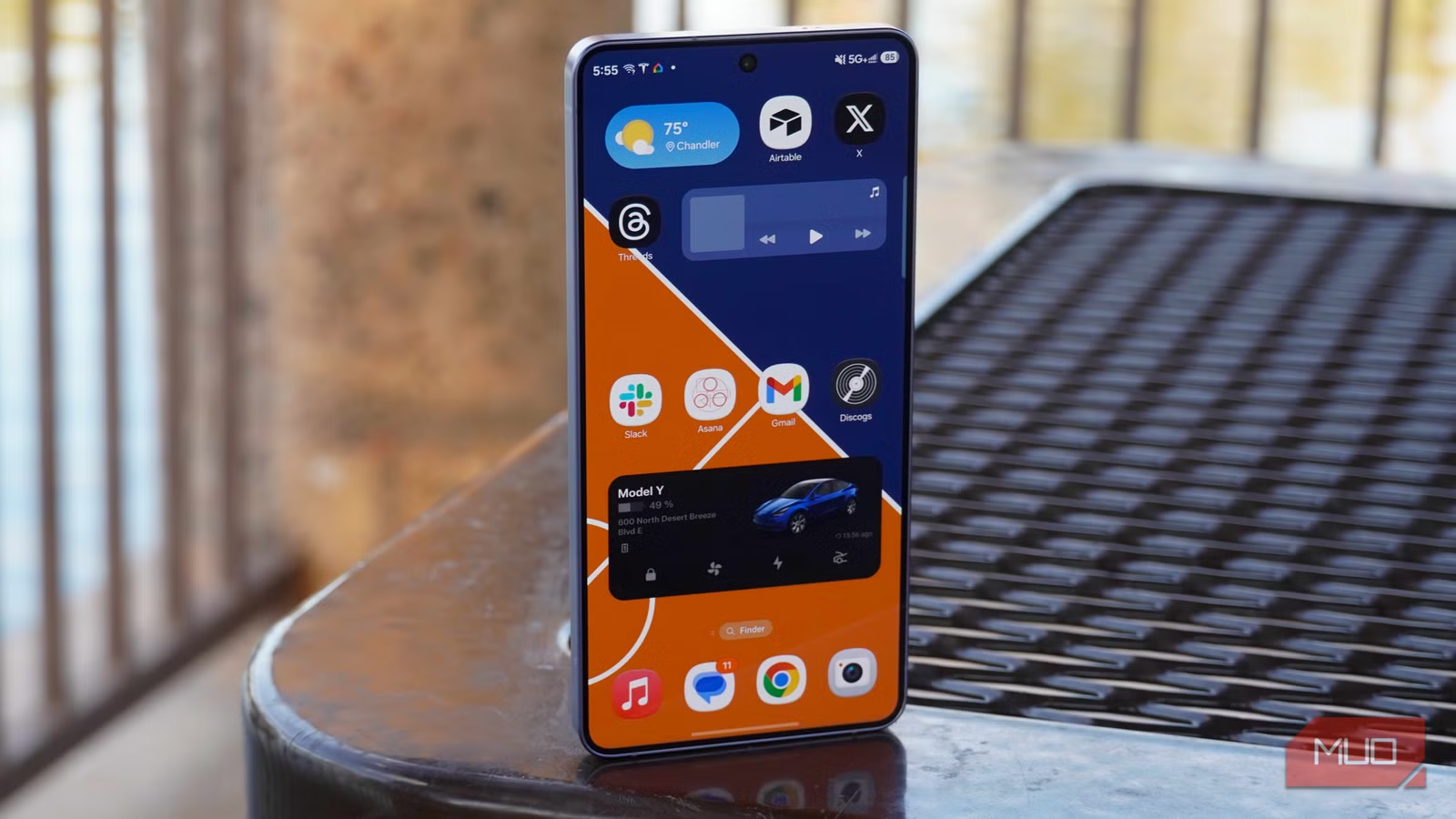
4 تطبيقات سامسونج تستحق البقاء على هاتفك Galaxy
يأتي هاتف Galaxy الجديد محملاً بأكثر من 50 تطبيقاً مُثبتاً مسبقاً، وليست جميعها ضرورية. لكن وسط هذا الكم من التطبيقات، تبرز أربعة تطبيقات سامسونج تستحق فعلاً أن تبقى على جهازك — بل قد تفضّلها على بدائ
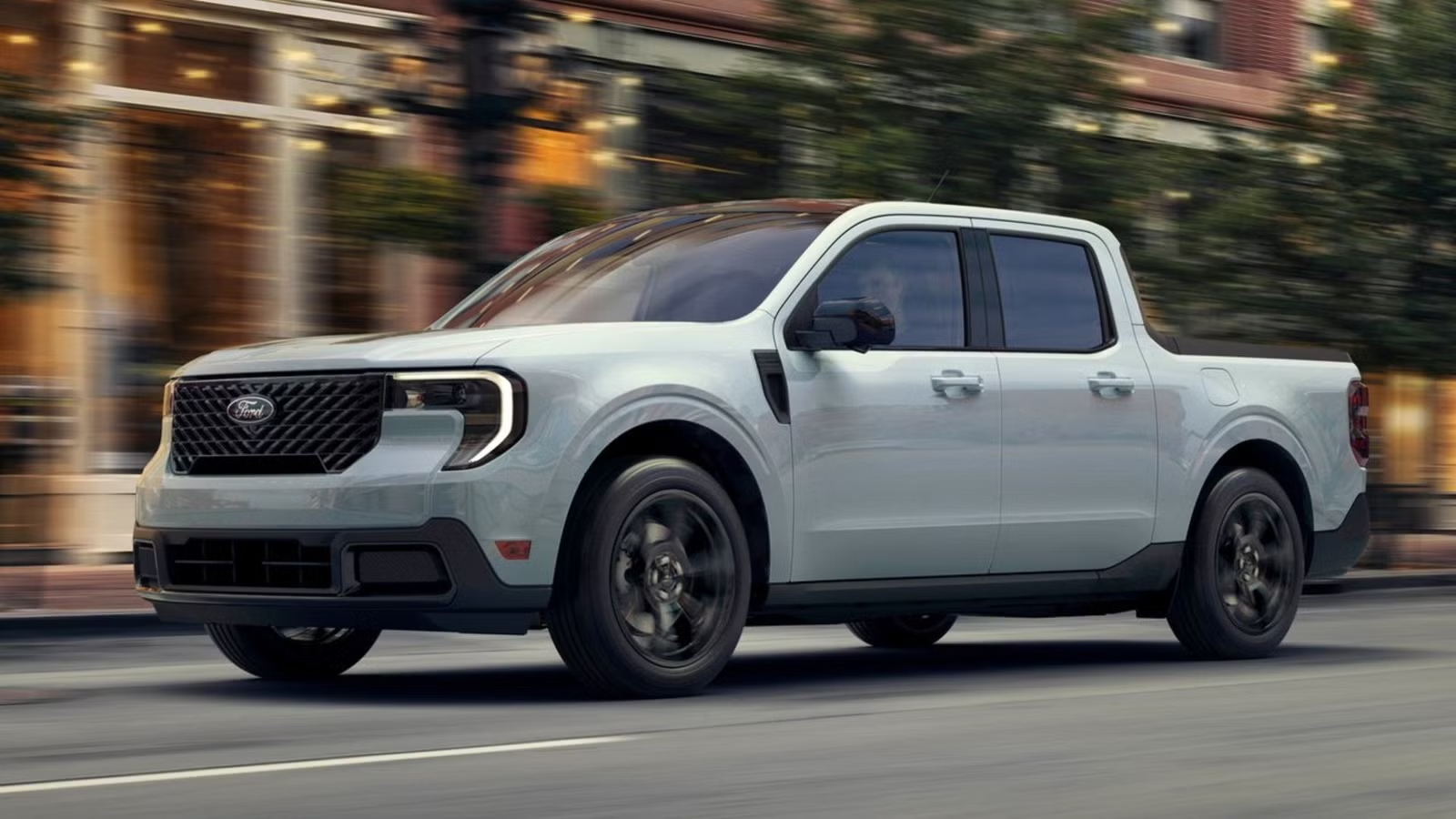
استدعاءات يونيو 2026 للسيارات: Ford وHonda وToyota تسحب ملايين المركبات من الأسواق
سجّلت الهيئة الوطنية الأمريكية لسلامة المرور على الطرق السريعة NHTSA أكثر من 300 استدعاء للسلامة شملت أكثر من 100 شركة مصنّعة منذ بداية عام 2026، لكن استدعاءات يونيو 2026 للسيارات جاءت الأضخم والأخطر.
اقرأ أيضاً
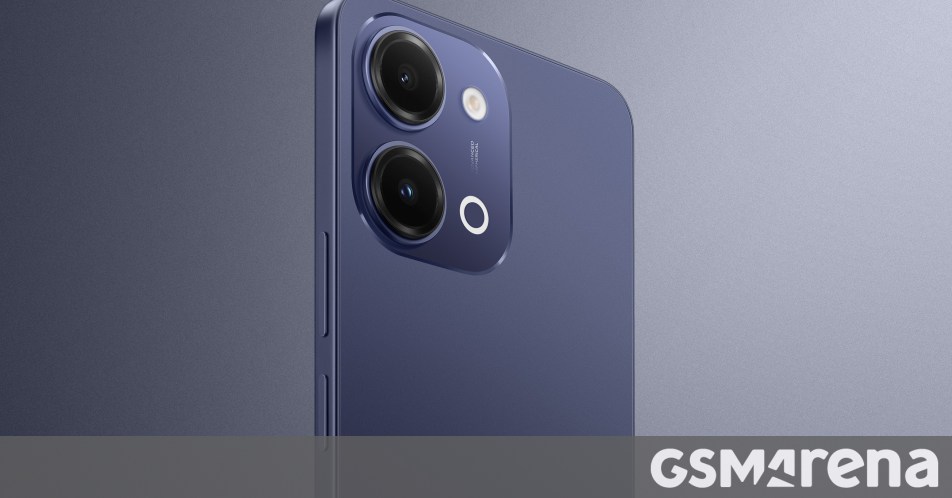
iQOO Z11i يظهر في الصين: هاتف vivo Y60 بثوب جديد وبطارية 6,500 مللي أمبير
بدأت iQOO بالتشويق لهاتفها الجديد Z11i في السوق الصينية، ليُضاف إلى عائلة Z11 المتنامية التي باتت تضم نماذج عدة. الهاتف يأتي ببطارية ضخمة سعة 6,500 مللي أمبير، لكن تسريبات من منصة Weibo تشير إلى أنه ق
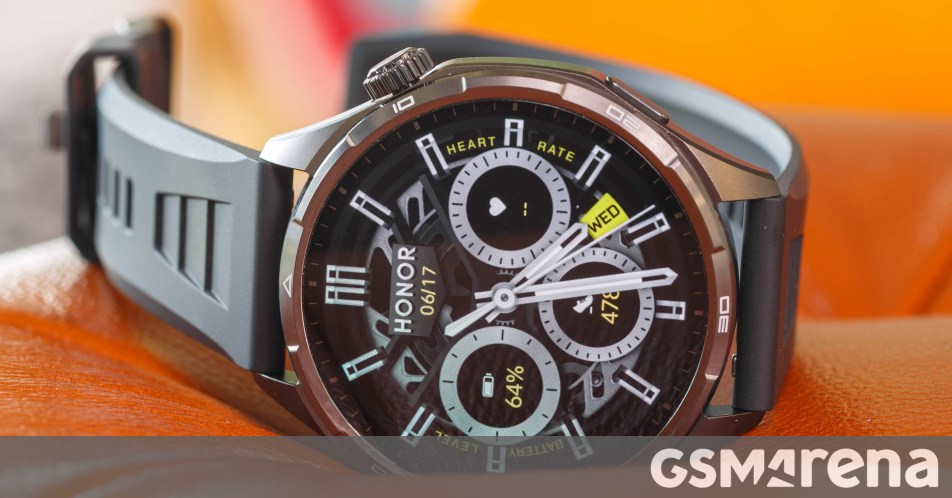
Honor Watch 6: بطارية تدوم 35 يوماً في ساعة تزن 68 غراماً فقط
كشفت Honor عن ساعتها الذكية الجديدة Honor Watch 6، وهي تطرح سؤالاً مباشراً على منافسيها: كيف تحشرون بطارية بسعة 980mAh في ساعة لا يتجاوز وزنها مع السوار 68 غراماً، وتجعلونها تدوم 35 يوماً كاملة؟ هذا ل
الإمارات تحظر وسائل التواصل الاجتماعي على من هم دون 15 عاماً: أول دولة عربية تتخذ هذه الخطوة
في خطوة تاريخية تضع الإمارات في طليعة الدول العربية، أعلنت الحكومة الإماراتية حظر وسائل التواصل الاجتماعي على الأطفال دون 15 عاماً حظراً فعلياً، لتصبح بذلك أول دولة عربية تتخذ إجراءً بهذا الحجم لحماية