The Worst Hacks and Data Breaches of 2026 So Far

Key Takeaways
- The DOGE-linked Social Security database exposure may be the largest data breach in U.S. history
- Hackers are increasingly targeting civilian infrastructure like power grids and water systems
- Third-party vendor risk has become the primary attack vector for enterprise breaches
Cybersecurity is often a mirror of global instability. In 2026, that reflection is ugly. While wars rage and climate disasters mount, digital attacks have escalated in both scale and sophistication. Botnets undermine Western institutions. Governments weaponize civilian data. Ransomware gangs demand eight-figure payouts from hospitals and city governments.
We're halfway through the year, and the damage is already historic. Here's a look at the worst hacks and breaches of 2026 so far, and what they signal about the state of digital security.
DOGE and the Social Security Database Disaster
The most alarming breach of the year may have come from inside the U.S. government itself. A year after Elon Musk's Department of Government Efficiency (DOGE) operatives swept through federal agencies, we're still piecing together what happened to some of the nation's most sensitive data.
When DOGE entered the Social Security Administration, something went wrong. Court filings reveal that DOGE allegedly uploaded a live copy of the Social Security database to an unsecured third-party server. That database reportedly contained the Social Security numbers and personal information of most living Americans.

The Social Security Administration has admitted in court documents that it doesn't know for certain what data was stored on that server. What is known: DOGE signed an agreement with an outside political advocacy group, allegedly to search for evidence of voter fraud. This is a claim President Trump continues to make without evidence.
Two top House Democrats investigating DOGE's activities offered a stark assessment. They called the exposure of the Social Security database "the largest data breach in our nation's history."
Why This Matters
Civilian Infrastructure Under Attack
While Americans debate what happened to their Social Security data, Europeans are watching hackers target the systems that keep their lights on and water flowing.
A wave of cyberattacks across Europe has hit civilian energy and water supplies. Power plants. Water treatment facilities. Dams. Several attacks have been attributed to Russia, either directly or through aligned groups.
Poland's energy grid was hit with computer-destroying malware late last year. A Swedish thermal plant suffered a similar attack. These aren't just data thefts. They're attempts to cause real-world harm to communities and populations.
“The weaponization of civilian infrastructure against entire populations is no longer a theoretical risk; it is the current operational reality of our digital landscape.”
— Dr. Aris Thorne, Lead Cybersecurity Researcher at the Institute for Global Resilience
The trend marks a troubling evolution. Ransomware gangs want money. Nation-state hackers want disruption, fear, and leverage. When those motivations target water systems and power grids, the stakes shift from financial loss to public safety.
The Year's Biggest Breaches by the Numbers
Beyond the headline-grabbing government incidents, 2026 has seen massive private-sector breaches that exposed billions of records.
- National Public Data breach: 2.9 billion individuals affected. This is the largest data breach in history by raw numbers.
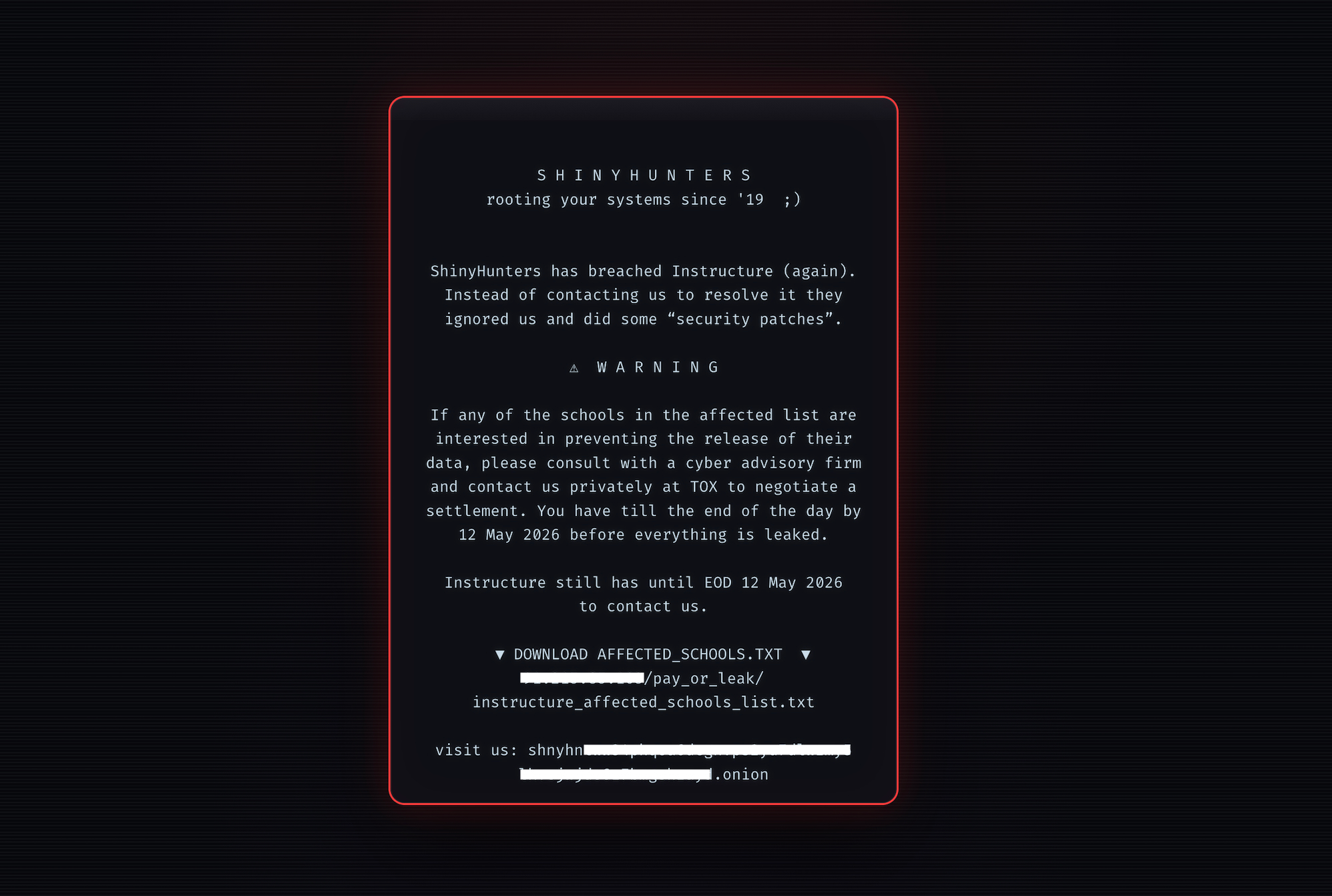
- CarGurus incident: 12.4 million users impacted by the hacking group ShinyHunters.
- Cisco development environment: Over 300 GitHub repositories cloned in a targeted heist.
- UK visa services provider: 100,000 passport scans and selfies left exposed on an unprotected AWS bucket.
The National Public Data breach alone dwarfs previous records. For context, the 2017 Equifax breach affected 147 million people and was considered catastrophic. The NPD breach is 20 times larger.
Third-Party Vendors: The Silent Killer
A pattern has emerged across 2026's major breaches. Attackers aren't breaking through corporate front doors. They're slipping in through vendor side entrances.
“Third-party vendor risk has become the silent killer of enterprise security. Companies can be perfectly secure, but they are only as strong as their weakest marketing analytics partner.”
— Sarah Jenkins, Chief Information Security Officer at Sentinel Systems
This matches what security professionals have been warning about for years. A company can invest millions in firewalls, intrusion detection, and employee training. None of it matters if a third-party contractor with database access uses "password123" as their login.
On Reddit's r/cybersecurity, IT professionals have filled threads with frustration over auditing third-party vendor access. Many describe 2026 as the year the "security perimeter" ceased to exist entirely. When your data lives in a dozen vendor systems, your perimeter is everywhere and nowhere.
What Security Professionals Are Saying
On HackerNews, discussions have focused on the "inevitability" of massive data breaches given current identity management systems. Many users are calling for a total overhaul of the Social Security number system in the U.S.
The argument: Social Security numbers were never designed as universal identity keys. They were created in 1936 to track earnings for benefit calculations. Now they're used for credit applications, tax filings, background checks, and countless other purposes. Once your number is leaked, it's compromised forever. You can't change it like a password.
Other security experts point to AI-driven phishing as a growing threat. Attackers are using large language models to craft personalized, convincing messages at scale. The days of spotting phishing by bad grammar are over.
The Road Ahead
Six months remain in 2026. Given the pace so far, the year's final tally of breaches will likely set records.
The trends are clear. Nation-states are targeting civilian infrastructure. Criminal gangs are exploiting third-party vendors. Government agencies are struggling with data governance. And billions of personal records are already circulating on dark web marketplaces.
For organizations, the lesson is uncomfortable: security is no longer about building walls. It's about assuming those walls will be breached and limiting what attackers can access when they get in. Zero-trust architecture, network segmentation, and aggressive vendor auditing aren't optional. They're survival requirements.
Logicity's Take
Frequently Asked Questions
What is the largest data breach of 2026?
The National Public Data breach affected 2.9 billion individuals, making it the largest data breach in history by number of people impacted.
Was the Social Security database actually breached?
According to whistleblower claims and court filings, DOGE operatives allegedly uploaded a live copy of the Social Security database to an unsecured third-party server. The Social Security Administration says it doesn't know for certain what data was stored there.
Why are hackers targeting water systems and power grids?
Nation-state hackers, particularly those attributed to Russia, are targeting civilian infrastructure to cause real-world disruption and fear. Unlike ransomware attacks focused on money, these attacks aim to destabilize communities and pressure governments.
How can companies protect against third-party vendor breaches?
Security experts recommend aggressive vendor auditing, limiting vendor access to only necessary data, implementing zero-trust architecture, and treating vendor security as a board-level concern rather than an IT checkbox.
Should the U.S. replace Social Security numbers?
Many security professionals argue yes. Social Security numbers were never designed as universal identity keys and cannot be changed once compromised. However, replacing the system would require massive infrastructure changes across government and private sector.
AI tools are increasingly used in both offensive and defensive cybersecurity operations
Need Help Implementing This?
Source: TechCrunch / Zack Whittaker
Huma Shazia
Senior AI & Tech Writer
اقرأ أيضاً

رأي مغاير: كيف يؤثر اختراق الأمن الداخلي الأميركي على شركاتنا الخاصة؟
في ظل اختراق عقود الأمن الداخلي الأميركي مع شركات خاصة، نناقش تأثير هذا الاختراق على مستقبل الأمن السيبراني. نستعرض الإحصاءات الموثوقة ونناقش كيف يمكن للشركات الخاصة أن تتعامل مع هذا التهديد. استمتع بقراءة هذا التحليل العميق

الإنسان في زمن ما بعد الوجود البشري: نحو نظام للتعايش بين الإنسان والروبوت - Centre for Arab Unity Studies
في هذا المقال، سنناقش كيف يمكن للبشر والروبوتات التعايش في نظام متكامل. سنستعرض التحديات والحلول المحتملة التي تضعها شركات مثل جوجل وأمازون. كما سنلقي نظرة على التوقعات المستقبلية وفقًا لتقرير ماكنزي

إطلاق ناسا لمهمة مأهولة إلى القمر: خطوة تاريخية نحو استكشاف الفضاء
تعتبر المهمة الجديدة خطوة هامة نحو استكشاف الفضاء وتطوير التكنولوجيا. سوف تشمل المهمة إرسال رواد فضاء إلى سطح القمر لconducting تجارب علمية. ستسهم هذه المهمة في تطوير فهمنا للفضاء وتحسين التكنولوجيا المستخدمة في استكشاف الفضاء.