SpaceX IPO Could Hit $2 Trillion. Is It Still a Rocket Company?
Key Takeaways
- SpaceX filed for an IPO that could value the company at $2 trillion, potentially the largest in history
- Starlink now generates 60% of SpaceX's $18.7 billion revenue, making it an internet company as much as a rocket company
- Elon Musk retains 85.1% voting power despite a smaller equity stake, maintaining control post-IPO
SpaceX filed its Form S-1 with the SEC on May 20, setting the stage for what analysts say could be the largest initial public offering in history. The company will trade under the ticker SPCX, with a target valuation of $2 trillion.
But the prospectus tells a different story than what most people expect from SpaceX. This is not primarily a rocket company anymore. The filings show a business that generates 60% of its $18.7 billion annual revenue from Starlink, its satellite internet service. After merging with xAI in February 2026, SpaceX has repositioned itself as what one analyst calls "a vertically integrated AI and satellite infrastructure behemoth."
The Elon Factor and Investor Attention
Shaun Davies, associate professor of finance at the University of Colorado Boulder's Leeds School of Business, told Space.com that people should view this as bigger than just another IPO.
“This could be one of the largest IPOs in history, both from a valuation perspective and from the sheer amount of attention it will attract. Everyone will be watching because of the Elon factor. Love him or hate him, you know who he is.”
— Shaun Davies, Associate Professor of Finance, University of Colorado Boulder
Davies emphasized that SpaceX is no longer just a rocket company. "When people hear 'SpaceX,' they think rockets, NASA partnerships, and commercial space travel. That is certainly part of the story," he said. But the IPO is equally tied to Starlink and xAI's role in the broader AI arms race.
Where the Money Actually Comes From
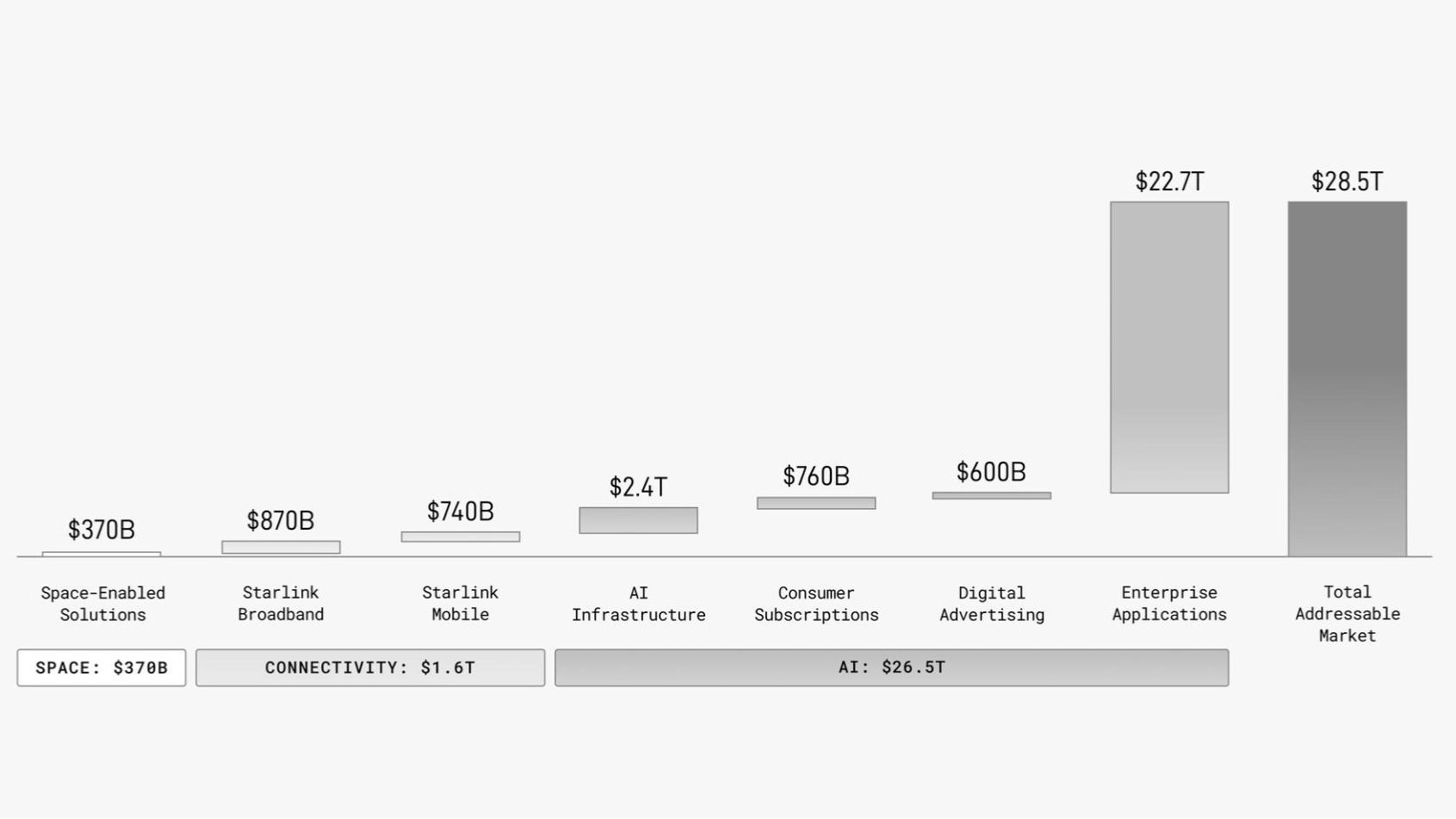
The S-1 filing reveals the company's revenue breakdown for 2025: $18.7 billion total, with Starlink accounting for about $11.2 billion of that. Launch services, the business SpaceX is famous for, now represents the minority of income.
Ann Lipton, professor and Laurence W. DeMuth Chair at the University of Colorado Boulder's School of Law, noted that the hype has boosted investor interest in space stocks generally. But she pointed to something concerning in the filings: "The financials being disclosed suggest that SpaceX's profitability is being used to finance artificial intelligence development."
“SpaceX is transitioning from a launch services provider to a vertically integrated AI and satellite infrastructure behemoth.”
— Sarah Chen, Lead Aerospace Analyst, Global Tech Insights
Control Stays with Musk
One detail in the prospectus stands out for corporate governance watchers. Elon Musk retains 85.1% of total voting power despite holding a smaller equity stake. This dual-class share structure means public investors will own shares but have limited say in company decisions.
SpaceX's own prospectus warns investors directly: "This prospectus contains forward-looking statements that are subject to a number of risks and uncertainties, many of which are beyond our control. You should read this entire prospectus carefully before making an investment decision."
The company also describes its mission in ambitious terms that go beyond typical corporate filings: "We face a number of challenges relating to our business and growth strategy and, ultimately, the achievement of our mission to make life multiplanetary, understand the true nature of the universe, and extend the light of consciousness to the stars."
What Investors Are Debating
The $2 trillion valuation has sparked debate among investors and analysts. On Hacker News, discussions center on whether the valuation is sustainable given SpaceX's high burn rate for Starship development and AI infrastructure. The company is spending heavily on R&D across multiple frontiers simultaneously.
Retail investors on Reddit's r/SpaceX are focused on a different aspect: the 30% retail allocation. This unusually high percentage for retail investors means individual shareholders could own a meaningful slice of the company.
A Different Kind of Space Company
The IPO forces a question that SpaceX has avoided answering directly: what kind of company is this? By revenue, it's an internet service provider. By R&D spending, it's an AI and aerospace conglomerate. By public perception, it's still the rocket company that lands boosters on drone ships.
For investors, the answer matters. A $2 trillion valuation for a launch services company would be extraordinary. For an AI and satellite infrastructure firm with global coverage and vertical integration from chip design to orbit? The math looks different.
Logicity's Take
Frequently Asked Questions
What is SpaceX's stock ticker?
SpaceX will trade under the ticker symbol SPCX once the IPO is complete.
How much is SpaceX worth at IPO?
SpaceX is targeting a $2 trillion valuation, which would make it the largest IPO in history.
How much revenue does SpaceX generate?
SpaceX generated $18.7 billion in total revenue in 2025, with Starlink accounting for 60% of that figure.
Does Elon Musk control SpaceX after the IPO?
Yes. Musk retains 85.1% of total voting power through a dual-class share structure, maintaining control despite a smaller equity stake.
Can retail investors buy SpaceX stock?
SpaceX is allocating 30% of shares to retail investors, an unusually high percentage that gives individual shareholders a chance to participate.
Understanding venture capital trends that shape tech IPO valuations
Need Help Implementing This?
Source: Latest from Space.com
Huma Shazia
Senior AI & Tech Writer
اقرأ أيضاً

رأي مغاير: كيف يؤثر اختراق الأمن الداخلي الأميركي على شركاتنا الخاصة؟
في ظل اختراق عقود الأمن الداخلي الأميركي مع شركات خاصة، نناقش تأثير هذا الاختراق على مستقبل الأمن السيبراني. نستعرض الإحصاءات الموثوقة ونناقش كيف يمكن للشركات الخاصة أن تتعامل مع هذا التهديد. استمتع بقراءة هذا التحليل العميق

الإنسان في زمن ما بعد الوجود البشري: نحو نظام للتعايش بين الإنسان والروبوت - Centre for Arab Unity Studies
في هذا المقال، سنناقش كيف يمكن للبشر والروبوتات التعايش في نظام متكامل. سنستعرض التحديات والحلول المحتملة التي تضعها شركات مثل جوجل وأمازون. كما سنلقي نظرة على التوقعات المستقبلية وفقًا لتقرير ماكنزي

إطلاق ناسا لمهمة مأهولة إلى القمر: خطوة تاريخية نحو استكشاف الفضاء
تعتبر المهمة الجديدة خطوة هامة نحو استكشاف الفضاء وتطوير التكنولوجيا. سوف تشمل المهمة إرسال رواد فضاء إلى سطح القمر لconducting تجارب علمية. ستسهم هذه المهمة في تطوير فهمنا للفضاء وتحسين التكنولوجيا المستخدمة في استكشاف الفضاء.