Samsung's New 4K QD-OLED Panel Hits 360Hz
Key Takeaways
- Samsung's new 32-inch panel is the first 4K OLED to reach 360Hz refresh rate
- RGB-stripe subpixel structure fixes text clarity issues that plagued earlier QD-OLEDs
- Dual-mode functionality allows switching to 1080p at 680Hz for competitive gaming
Samsung has announced a new 32-inch 4K QD-OLED panel that pushes refresh rates to 360Hz. That's a 50% jump over the 240Hz ceiling that limited every OLED monitor panel until now, whether from Samsung or competitor LG.
The panel also introduces true RGB-stripe subpixel structure to the 4K QD-OLED lineup. Samsung added this layout to its 34-inch 1440p ultrawide earlier this year, but the 4K panel released around the same time still used the older triangular arrangement. Now both lines share the improved design.
Why RGB-Stripe Matters for Text
Every QD-OLED panel before the recent 34-inch ultrawide used a triangular subpixel layout. The pixels were still RGB. They didn't rely on a white subpixel like LG's WOLED panels. But Windows assumes a standard vertical RGB-stripe arrangement for features like ClearType font smoothing.
The mismatch caused fuzzy or color-fringed text on earlier QD-OLEDs. Combining 4K pixel density with the new RGB-stripe structure should fix that problem.
“The new V-stripe subpixel structure is the missing piece for QD-OLED adoption in professional creative workflows.”
— Lead Display Analyst, TFTCentral
HDR True Black 600: Brighter Than Before
Samsung says this is the first consumer OLED monitor panel to earn VESA's DisplayHDR True Black 600 certification. The previous benchmark for premium OLED monitors was True Black 500.
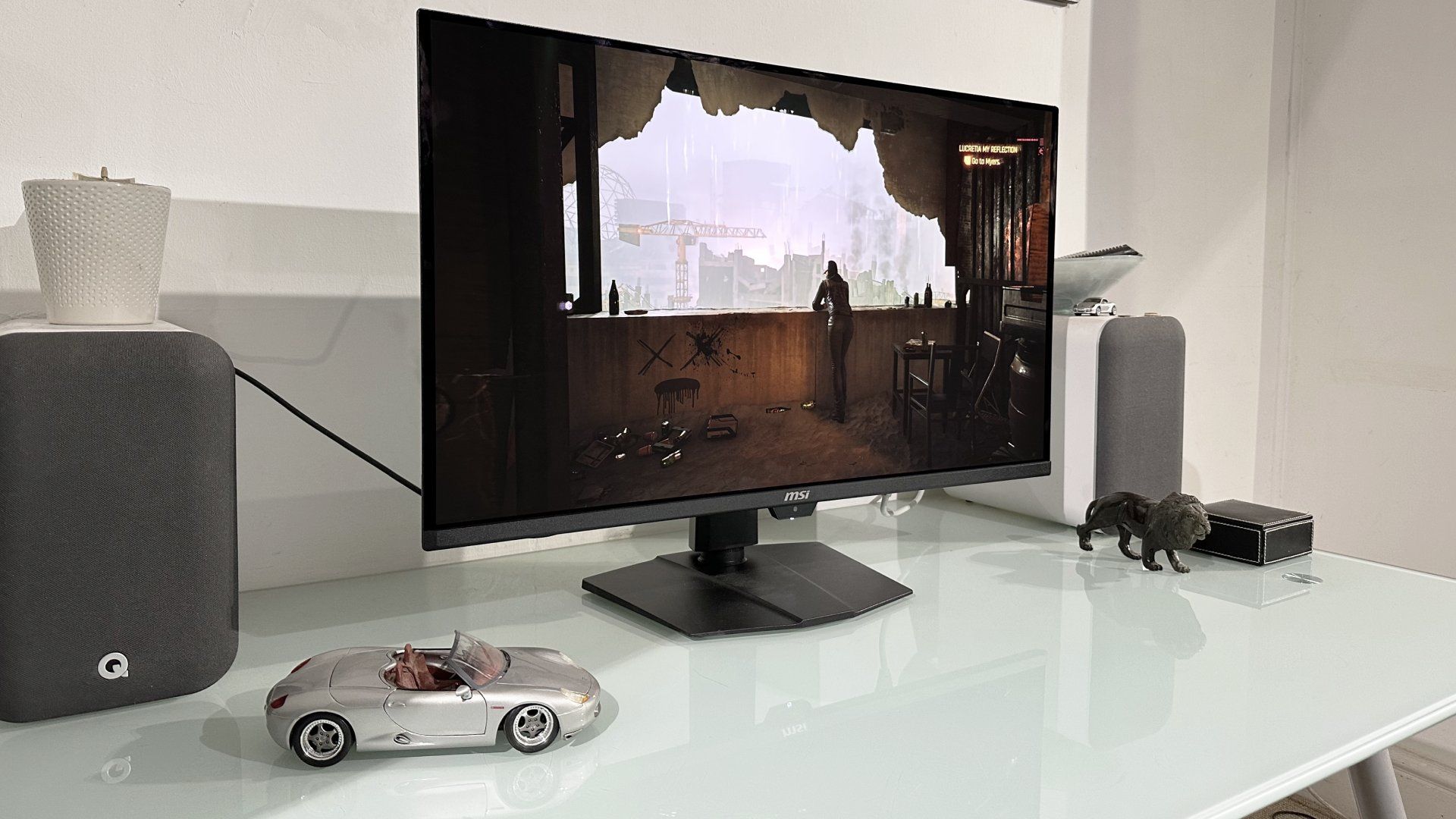
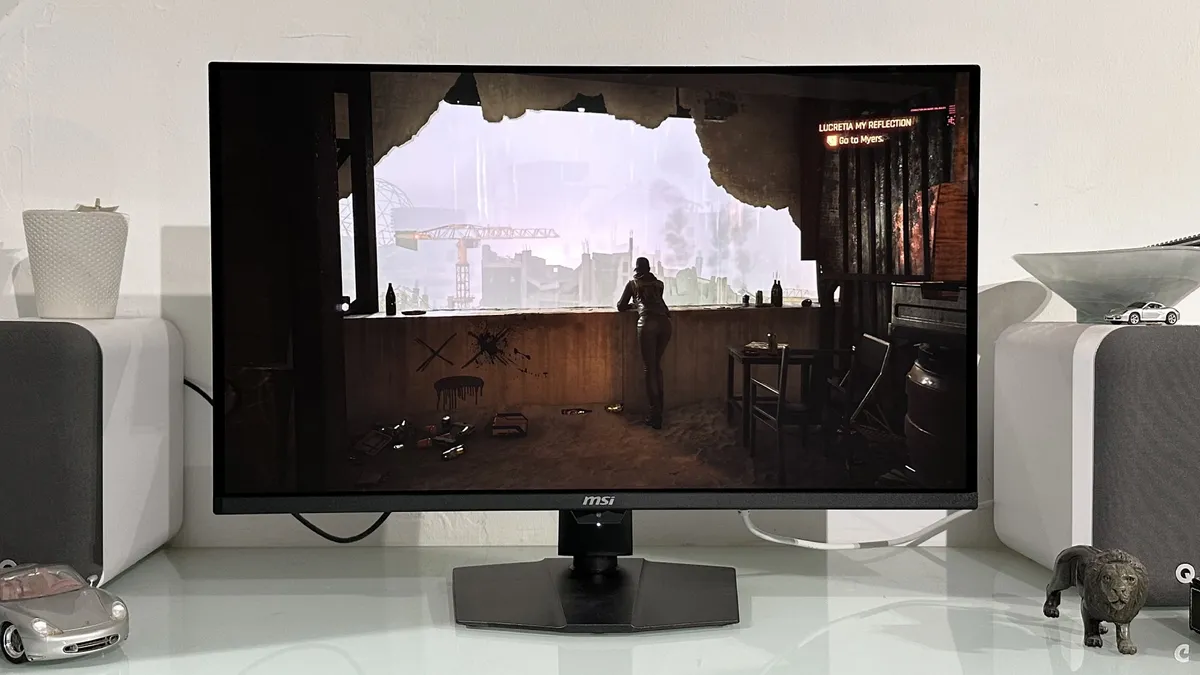
Samsung hasn't quoted exact brightness numbers. But the True Black 600 spec requires 350 nits full-screen. The current 32-inch 4K QD-OLED panel, seen in monitors like the MSI MPG 322UR X24, meets True Black 500 at 300 nits full-screen. So the new panel delivers at least 17% more brightness across the entire display.
Dual-Mode: 4K for Campaigns, 1080p for Esports
The panel supports dual-mode functionality. At native 4K, it runs at 360Hz. Switch to 1080p and the refresh rate jumps to 680Hz. That makes a single monitor viable for both cinematic single-player games and competitive shooters where frame rates matter more than resolution.
Pushing 4K at 360Hz requires massive bandwidth. DisplayPort 2.1 with UHBR20 mode handles 110 Gbps, enough to drive the panel at full speed. Monitors using this panel will need the latest GPU and cable standards to hit the top spec.
What's Still Missing
Samsung's new panel addresses two of the three lingering complaints about QD-OLED: full-screen brightness and subpixel structure. The third issue is a purple tint that appears in bright scenes on some QD-OLED displays. Samsung hasn't mentioned any fix for that in this announcement.
Pricing remains unknown. Early community reactions on Reddit and enthusiast forums anticipate that monitors using this panel will be among the most expensive consumer displays ever sold. Samsung only just released the previous 32-inch 4K QD-OLED panel, so monitor makers are still catching up.
Logicity's Take
Frequently Asked Questions
What refresh rate does Samsung's new 4K QD-OLED panel support?
The panel runs at 360Hz at native 4K resolution. It can also switch to 1080p mode at 680Hz for competitive gaming.
What is RGB-stripe subpixel structure?
RGB-stripe arranges red, green, and blue subpixels in vertical columns. Windows assumes this layout for font smoothing, so it produces clearer text than the triangular arrangement used in earlier QD-OLEDs.
What does HDR True Black 600 mean?
It's a VESA certification that requires 350 nits full-screen brightness while maintaining true black levels. It's higher than the True Black 500 spec used by current premium OLED monitors.
When will monitors with this panel be available?
Samsung has announced the panel but hasn't given availability dates. Monitor makers typically need several months after a panel announcement to ship finished products.
Do I need a new graphics card for 4K 360Hz?
You need a GPU with DisplayPort 2.1 output. Current NVIDIA RTX 40-series and AMD RX 7000-series cards support it. Older GPUs max out at DisplayPort 1.4, which can't carry enough bandwidth.
More on Samsung's latest hardware developments
Need Help Implementing This?
Source: PCGamer latest
Huma Shazia
Senior AI & Tech Writer
اقرأ أيضاً

رأي مغاير: كيف يؤثر اختراق الأمن الداخلي الأميركي على شركاتنا الخاصة؟
في ظل اختراق عقود الأمن الداخلي الأميركي مع شركات خاصة، نناقش تأثير هذا الاختراق على مستقبل الأمن السيبراني. نستعرض الإحصاءات الموثوقة ونناقش كيف يمكن للشركات الخاصة أن تتعامل مع هذا التهديد. استمتع بقراءة هذا التحليل العميق

الإنسان في زمن ما بعد الوجود البشري: نحو نظام للتعايش بين الإنسان والروبوت - Centre for Arab Unity Studies
في هذا المقال، سنناقش كيف يمكن للبشر والروبوتات التعايش في نظام متكامل. سنستعرض التحديات والحلول المحتملة التي تضعها شركات مثل جوجل وأمازون. كما سنلقي نظرة على التوقعات المستقبلية وفقًا لتقرير ماكنزي

إطلاق ناسا لمهمة مأهولة إلى القمر: خطوة تاريخية نحو استكشاف الفضاء
تعتبر المهمة الجديدة خطوة هامة نحو استكشاف الفضاء وتطوير التكنولوجيا. سوف تشمل المهمة إرسال رواد فضاء إلى سطح القمر لconducting تجارب علمية. ستسهم هذه المهمة في تطوير فهمنا للفضاء وتحسين التكنولوجيا المستخدمة في استكشاف الفضاء.