Oppo Find X9 Ultra vs Vivo X300 Ultra: Which Telephoto Wins?
Key Takeaways
- The Find X9 Ultra has a 200MP primary sensor and 10x optical zoom telephoto, the longest native reach in smartphones today
- The Vivo X300 Ultra uses Zeiss optics with a 6.3x telephoto and excels in low-light portrait work
- Both phones support teleconverter accessories that push zoom ranges even further
Smartphone cameras have reached a strange inflection point. The sensors are good enough. The computational photography is mature. So manufacturers are now chasing optical reach, the one area where physics still matters and software can't fully compensate.
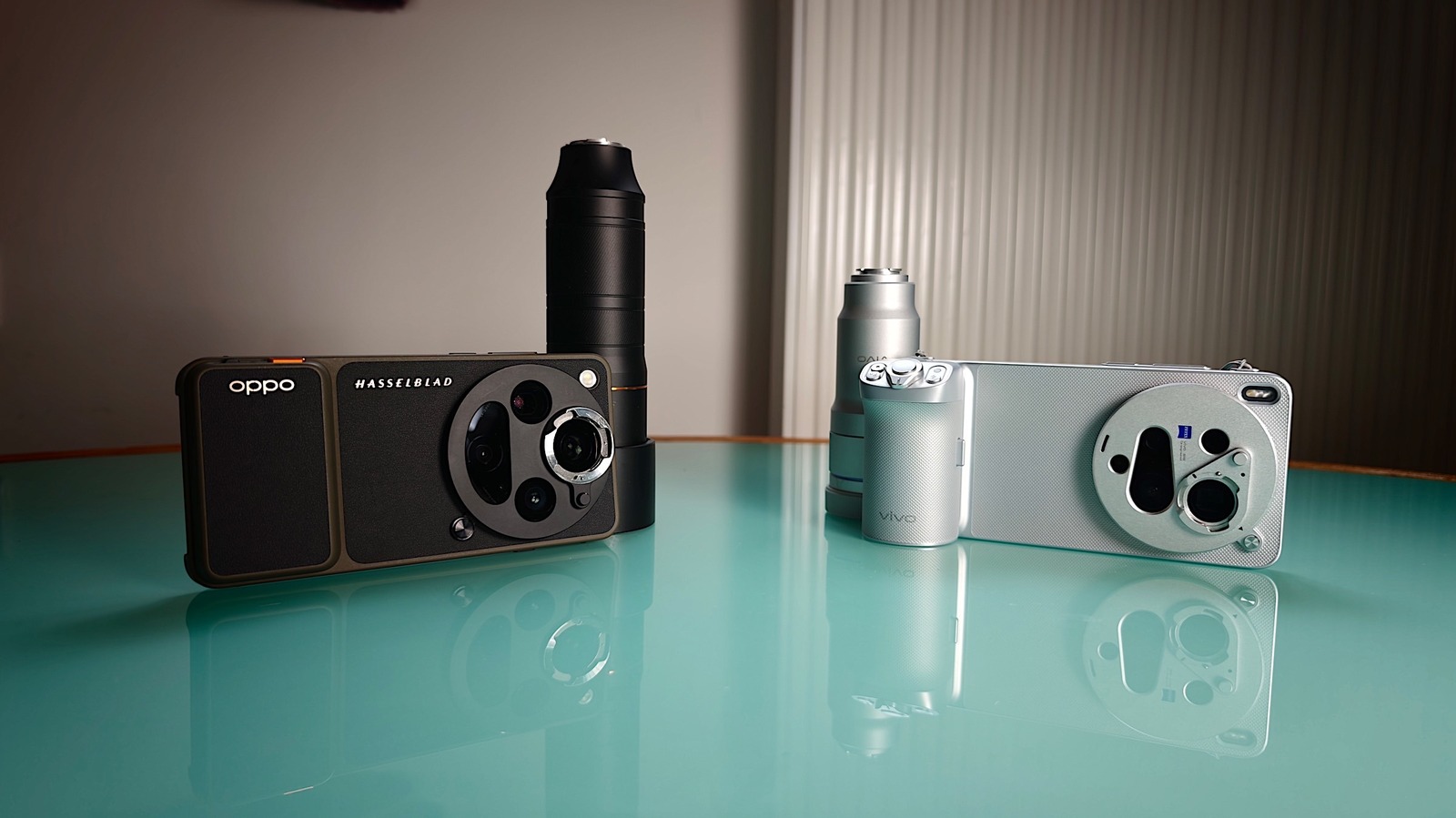
Oppo and Vivo have both bet big on this trend. Their 2026 Ultra flagships ship with teleconverter accessories, barrel lens add-ons that extend zoom capabilities to ranges previously reserved for dedicated cameras. Both companies also have partnerships with storied optics brands. Oppo works with Hasselblad. Vivo works with Zeiss.
The result is two phones that look similar on paper but make very different choices about what matters most in a camera system.
The Camera Hardware
The Oppo Find X9 Ultra carries a penta camera setup. The primary shooter uses a 200-megapixel 1/1.28-inch sensor with an f/1.5 aperture. That's a large sensor by smartphone standards, designed to pull in light and handle difficult conditions.
Where things get interesting is the telephoto arrangement. Oppo includes two telephoto cameras. The first is a 200MP sensor at 3x zoom (70mm equivalent), useful for portraits and general mid-range shots. The second is a 50MP sensor with 10x optical zoom. That's genuine 10x optical, not a crop or digital zoom.
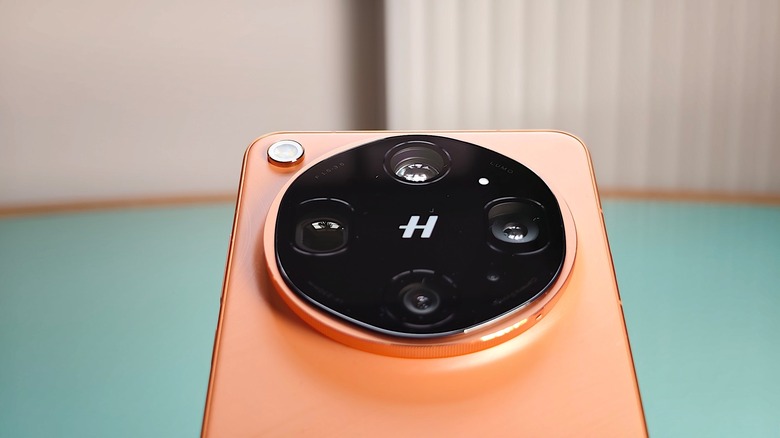
We've seen 10x optical before. Samsung's Galaxy S23 Ultra had it briefly. But those sensors were lower resolution. Oppo's 50MP sensor at 10x means more detail in distant shots and room to digitally crop further without losing clarity. The phone also offers 20x lossless zoom before you even attach the teleconverter accessory.
Rounding out the system: a 50MP ultra-wide camera and a 3.2MP multispectral sensor that helps with white balance and color accuracy.
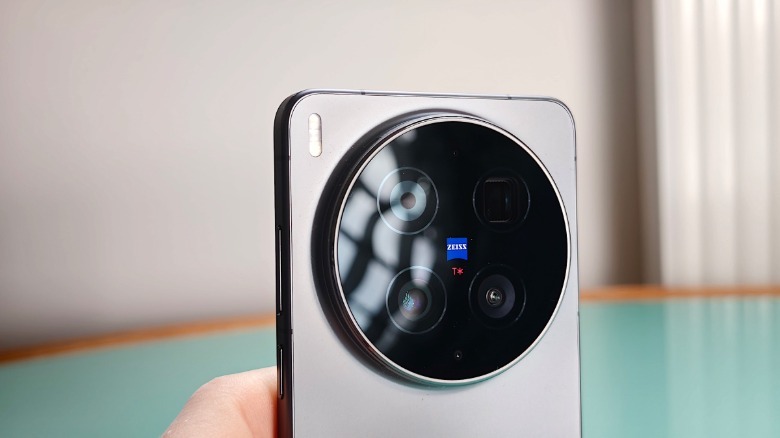
The Vivo X300 Ultra takes a different approach. Its telephoto tops out at 6.3x optical zoom, shorter than Oppo's reach. But Vivo has invested heavily in the Zeiss partnership, applying their T* coating to reduce lens flare and ghosting. The color science leans toward Zeiss's traditionally neutral, accurate rendering.
| Specification | Oppo Find X9 Ultra | Vivo X300 Ultra |
|---|---|---|
| Primary Sensor | 200MP, 1/1.28-inch, f/1.5 | Large sensor with Zeiss optics |
| Telephoto Reach | 10x optical (50MP) | 6.3x optical |
| Secondary Telephoto | 3x at 200MP | Not specified |
| Ultra-wide | 50MP | Standard ultra-wide |
| Special Sensor | 3.2MP multispectral | Not specified |
| Optics Partner | Hasselblad | Zeiss |
| Teleconverter Support | Yes | Yes |
| Stabilization | Sensor-shift | Proprietary system |
The Teleconverter Factor
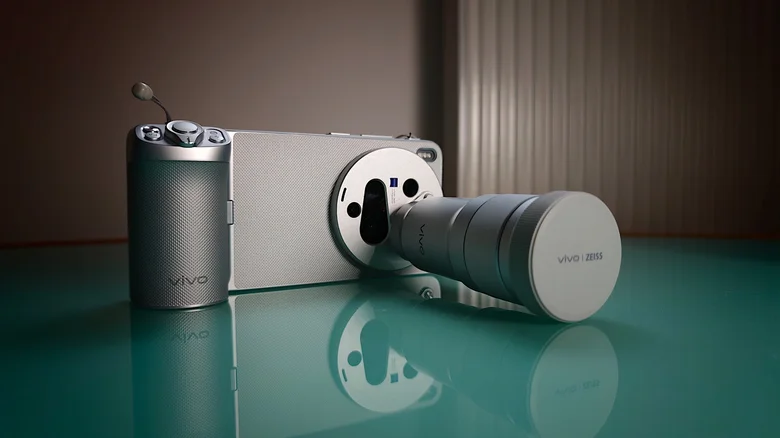
Both phones support external teleconverter lenses. These are physical barrel attachments that mount over the camera module and extend zoom ranges further. It's a throwback to traditional photography, where swapping lenses was the only way to change focal lengths.
The teleconverters add bulk and require you to carry extra hardware. But they also unlock zoom ranges that no smartphone can achieve with built-in optics alone. For wildlife photography, sports, or any scenario where you can't get physically closer to your subject, they matter.
Software and Processing
Oppo's Hasselblad partnership shows up primarily in software. The camera app includes a Master Mode that mimics Hasselblad's color profiles, plus portrait modes tuned to their aesthetic. Some hardware design touches carry the Hasselblad name, and the 10x telephoto was developed with their input.
However, Oppo's computational photography can be aggressive. Testing showed ghostly outlines appearing on human subjects, especially with the 3x telephoto. Digital sharpening sometimes pushed images into unnatural territory. The processing wants to help, but it doesn't always know when to stop.
Vivo's Zeiss collaboration focuses more on optics and color science. The T* coating reduces flare in challenging lighting. The color rendering aims for accuracy rather than the punchy, saturated look that phones often default to. It's a more restrained approach that appeals to photographers who want to do their own editing.
Stabilization Systems
At extreme zoom levels, stabilization becomes critical. Any hand movement is magnified. A slight shake at 1x becomes a blurry mess at 10x.
Oppo uses sensor-shift stabilization on the Find X9 Ultra. The sensor itself moves to counteract hand motion, similar to what full-frame mirrorless cameras do. This helps maintain sharpness and reduces blur in both photos and video.
Vivo has developed its own stabilization system for the X300 Ultra. The source material didn't detail the specific technology, but both companies recognize that telephoto optics without strong stabilization are essentially unusable for handheld shooting.
Who Should Buy Which?
The Find X9 Ultra is the choice for maximum reach. If you shoot wildlife, sports, concerts, or anything where distance is your enemy, the 10x optical zoom with a 50MP sensor gives you more to work with than any other phone. The 200MP primary sensor handles everyday shooting well, and the dual telephoto setup means smooth transitions between focal lengths.
The X300 Ultra makes sense if you prioritize color accuracy and low-light performance over raw zoom distance. The Zeiss partnership delivers more neutral, natural-looking images. The 6.3x telephoto is still plenty for most portrait and travel photography. And the T* coating helps in mixed lighting where other phones struggle with flare.
✅ Pros
- • Find X9 Ultra: 10x optical zoom is unmatched in smartphones
- • Find X9 Ultra: 200MP sensors on both primary and 3x telephoto
- • X300 Ultra: Zeiss color science produces more natural images
- • X300 Ultra: T* coating reduces flare in challenging light
- • Both: Teleconverter support extends capabilities further
❌ Cons
- • Find X9 Ultra: Aggressive computational processing causes artifacts
- • Find X9 Ultra: Complex camera app with too many shooting modes
- • X300 Ultra: 6.3x telephoto is shorter than Oppo's 10x reach
- • Both: Teleconverters add bulk and cost
- • Both: Limited availability outside China at launch
The Bigger Picture
These phones represent a bet that serious photographers will carry smartphones with camera accessories. That's a meaningful shift. For years, the smartphone camera pitch was convenience. Now Oppo and Vivo are saying the convenience trade-off is worth accepting for better optical performance.
Whether the market agrees remains to be seen. But for the subset of users who want a pocketable camera that can genuinely compete with dedicated hardware, the options have never been better.
Logicity's Take
Frequently Asked Questions
Which phone has better zoom, Oppo Find X9 Ultra or Vivo X300 Ultra?
The Oppo Find X9 Ultra has 10x optical zoom compared to the Vivo X300 Ultra's 6.3x optical zoom. Both support teleconverter accessories for even longer reach.
What is a teleconverter on a smartphone?
A teleconverter is a barrel lens attachment that mounts over the phone's camera to extend its zoom range. Both the Find X9 Ultra and X300 Ultra support these accessories for extreme telephoto photography.
Is the Oppo Hasselblad partnership real or just marketing?
It's a mix. Hasselblad contributed to the 10x telephoto development and provides color profiles in the camera app. The partnership influences software tuning and some hardware design, but Oppo manufactures the cameras.
Are these phones available in the US?
Both the Oppo Find X9 Ultra and Vivo X300 Ultra launch primarily in China. International availability varies by region, with some markets getting later releases.
Which phone takes better low-light photos?
The Vivo X300 Ultra's Zeiss optics and T* coating give it an edge in challenging lighting conditions. The Find X9 Ultra's large f/1.5 aperture also performs well, but Oppo's aggressive processing can introduce artifacts.
More on smartphone component supply chains and manufacturing partnerships
Need Help Implementing This?
Source: Engadget
Huma Shazia
Senior AI & Tech Writer
اقرأ أيضاً

رأي مغاير: كيف يؤثر اختراق الأمن الداخلي الأميركي على شركاتنا الخاصة؟
في ظل اختراق عقود الأمن الداخلي الأميركي مع شركات خاصة، نناقش تأثير هذا الاختراق على مستقبل الأمن السيبراني. نستعرض الإحصاءات الموثوقة ونناقش كيف يمكن للشركات الخاصة أن تتعامل مع هذا التهديد. استمتع بقراءة هذا التحليل العميق

الإنسان في زمن ما بعد الوجود البشري: نحو نظام للتعايش بين الإنسان والروبوت - Centre for Arab Unity Studies
في هذا المقال، سنناقش كيف يمكن للبشر والروبوتات التعايش في نظام متكامل. سنستعرض التحديات والحلول المحتملة التي تضعها شركات مثل جوجل وأمازون. كما سنلقي نظرة على التوقعات المستقبلية وفقًا لتقرير ماكنزي

إطلاق ناسا لمهمة مأهولة إلى القمر: خطوة تاريخية نحو استكشاف الفضاء
تعتبر المهمة الجديدة خطوة هامة نحو استكشاف الفضاء وتطوير التكنولوجيا. سوف تشمل المهمة إرسال رواد فضاء إلى سطح القمر لconducting تجارب علمية. ستسهم هذه المهمة في تطوير فهمنا للفضاء وتحسين التكنولوجيا المستخدمة في استكشاف الفضاء.