NatWest CEO: AI will 'deliver' roles that currently exist
Key Takeaways
- NatWest CEO Paul Thwaite confirmed AI will take over certain existing bank roles, though he didn't specify job cuts
- 85% of large financial services firms plan to increase AI budgets in the next 12 months
- Deutsche Bank reports AI cut some task completion times from two years to three months
NatWest CEO Paul Thwaite told a Times business summit that AI will fully take over certain roles at the bank. His exact words: "In effect there will be roles that currently exist that absolutely to all intents and purposes [will be] delivered by AI." He stopped short of saying this would shrink the workforce.
Thwaite's remarks, reported by Finextra on June 19, mark the latest in a drumbeat of major bank CEOs acknowledging that automation is coming for white-collar finance jobs. The Daily Mail noted that NatWest is simultaneously growing its headcount in software and AI roles, suggesting a workforce shift rather than pure cuts.
What are banks actually using AI for right now?
A PYMNTS Intelligence report found that 85% of financial services and insurance firms with over $1 billion in annual revenue plan to increase their AI budgets over the next year. The most common applications are back-office functions customers never see: revenue recognition, accounting close, credit risk scoring, and sales forecasting.
The adoption numbers are striking. 65% of surveyed firms use AI for revenue recognition and accounting. 60% use it for credit risk assessment. Another 60% deploy it for sales forecasting and pipeline optimization. The pattern is clear: structured, auditable tasks go first.
Nvidia's State of AI in Financial Services report, released in early June, found that nearly 90% of financial institutions are either deploying or assessing AI. 65% already use it in production. Banks are not experimenting anymore. They're rolling out.
How other major banks are approaching AI automation
NatWest isn't operating in a vacuum. Deutsche Bank's chief information officer Denis Roux said this week that AI has slashed some task completion times from two years to three months. That's not a marginal efficiency gain. It's a category shift in what's possible.
Roux noted Deutsche Bank uses simpler models for routine tasks and remains cautious about deploying AI everywhere. The bank is developing tools to automate extraction and analysis of financial data and link external events to portfolio exposure. In other words: the grunt work of risk analysis.
JPMorgan Chase CEO Jamie Dimon put it more bluntly in May. "I think we will be hiring more AI people and fewer bankers in certain categories," he said. "There will be all different types of jobs, and it will make them more productive." Dimon added that the bank might eventually hire more AI experts than traditional bankers.
“I think it will reduce our jobs down the road. There will be all different types of jobs, and I think we will be hiring more AI people and fewer bankers in certain categories.”
— Jamie Dimon, Chairman and CEO, JPMorgan Chase
Why bank CEOs are saying the quiet part out loud
Three of the world's largest banks have now publicly acknowledged AI will replace certain jobs. That's unusual. Executives typically soften automation talk with phrases like "augment human workers" or "free employees for higher-value tasks." Thwaite, Dimon, and Roux are being direct.
The honesty likely reflects investor pressure to show AI returns. Banks have poured billions into technology infrastructure over the past decade. Shareholders want to see cost savings, not just capability demonstrations. Acknowledging workforce changes signals that the investment is producing results.
It also reflects labor market realities. Banks are hiring AI and software engineers aggressively. NatWest, per the Daily Mail, has grown its tech workforce even as traditional roles face automation. The job market is shifting, not collapsing.
What this means for banking employees
The PYMNTS report identified a pattern worth noting: the first roles to go are "structured, auditable back-office functions." These are tasks with clear inputs, defined rules, and measurable outputs. Think reconciliation, data entry, standard risk calculations, routine compliance checks.
Client-facing roles, complex negotiations, and judgment-heavy decisions appear safer for now. But Deutsche Bank's example shows how quickly that could change. When AI can link external events to portfolio exposure automatically, the analyst who used to spend weeks on that task needs to find new work.
For employees, the message is clear: technical skills related to AI systems are becoming as valuable as financial expertise. For customers, the short-term impact should be minimal. Banks are automating processes customers never saw anyway.
Frequently Asked Questions
Is NatWest planning layoffs due to AI?
CEO Paul Thwaite said AI will take over certain existing roles but did not specify whether this would reduce overall headcount. NatWest is reportedly hiring more people in software and AI positions.
What banking jobs are most at risk from AI?
Structured back-office functions like revenue recognition, accounting close, credit risk scoring, and data reconciliation are being automated first. Client-facing and judgment-heavy roles appear safer for now.
How many banks are currently using AI?
According to Nvidia's 2026 report, 65% of financial institutions already use AI in production, and nearly 90% are either deploying or assessing it.
How much faster can AI complete banking tasks?
Deutsche Bank reports AI has cut some task completion times from two years to three months, representing a dramatic efficiency improvement.
Logicity's Take
The coordinated timing of these CEO statements from NatWest, JPMorgan, and Deutsche Bank isn't coincidental. Banks are managing expectations for their next earnings cycles, where investors will want to see AI delivering measurable cost reductions. The subtext: headcount changes are coming, probably starting with attrition rather than layoffs. Banks will quietly stop backfilling certain roles while loudly announcing AI hires. Watch the hiring data, not the press releases.
Need Help Implementing This?
Logicity covers the intersection of AI and enterprise transformation. Subscribe to our newsletter for weekly analysis on how emerging technology is reshaping business operations, workforce strategy, and competitive dynamics.
Source: PYMNTS | / PYMNTS
Manaal Khan
Tech & Innovation Writer
مقالات ذات صلة
تصفح الكل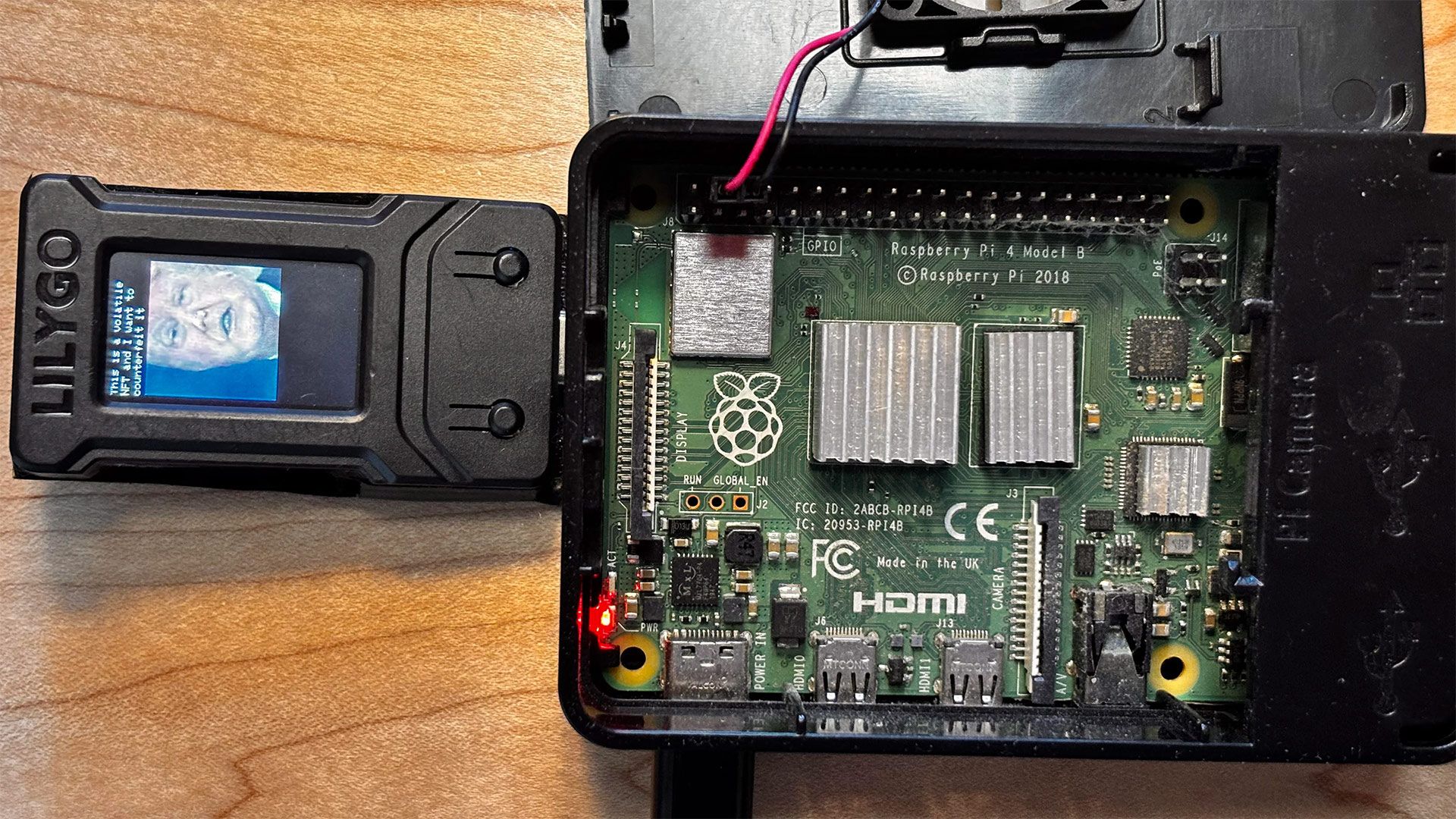
جهاز Raspberry Pi لسكّ رموز NFT يحقق لصاحبه أرباحاً قدرها 9.92 دولار فقط
في مشهد يمزج بين السخرية والإبداع التقني، أطلق المطوّر الأمريكي ديفيد كريمر مشروعاً أسماه «آلة المال اللامتناهي»، وهو جهاز Raspberry Pi لسكّ NFT يُنتج رموزاً رقمية غير قابلة للاستبدال بضغطة زر واحدة.

SolarSquare تجمع 53 مليون دولار مع تسارع انتشار الطاقة الشمسية المنزلية في الهند
أعلنت شركة SolarSquare الهندية المتخصصة في حلول الطاقة الشمسية السكنية عن إتمام جولة تمويل Series C بقيمة 53 مليون دولار، في توقيت يشهد فيه قطاع الطاقة الشمسية المنزلية في الهند نمواً استثنائياً، حيث

شركات ناشئة هندية تُعيد رسم خريطة منتجات العناية الشخصية الحميمة
بينما تتردد الشركات الاستهلاكية الكبرى في دخول أسواق تحيط بها حساسيات ثقافية، تندفع شركات هندية ناشئة لملء الفراغ وتوسيع مفهوم العناية الشخصية الحميمة من مجرد فوط صحية إلى منظومة متكاملة تشمل صحة ما ب
أمازون تتوقع ظهور أول حواسيب كمية تجارية بحلول 2031: ماذا يعني ذلك للمنطقة؟
كشف بيتر ديسانتيس، نائب الرئيس الأول لنماذج الذكاء الاصطناعي التأسيسية والرقائق المخصصة والحوسبة الكمية في أمازون، أن أول الحواسيب الكمية التجارية صغيرة الحجم ستظهر في غضون خمس إلى سبع سنوات، أي نحو ع
اقرأ أيضاً

Motorola Razr Fold: أول هاتف قابل للطي بتصميم الكتاب من موتورولا بسعر 1,900 دولار
أعلنت موتورولا رسمياً عن هاتفها Motorola Razr Fold، لتدخل بذلك لأول مرة سوق الهواتف القابلة للطي بتصميم الكتاب (Book-style) منافسةً عمالقة مثل Samsung وOppo وHonor. الهاتف الجديد يأتي بسعر 1,900 دولار

اختراق TinyPulse يكشف بيانات موظفي Nintendo: ما الذي نعرفه عن هجوم الابتزاز؟
أكدت شركة Nintendo of America تعرّض بيانات موظفيها للسرقة إثر اختراق TinyPulse، منصة استطلاعات الموظفين التابعة لشركة WebMD Health Services، في حادثة تسلّط الضوء مجدداً على مخاطر الاعتماد على مزوّدي خ
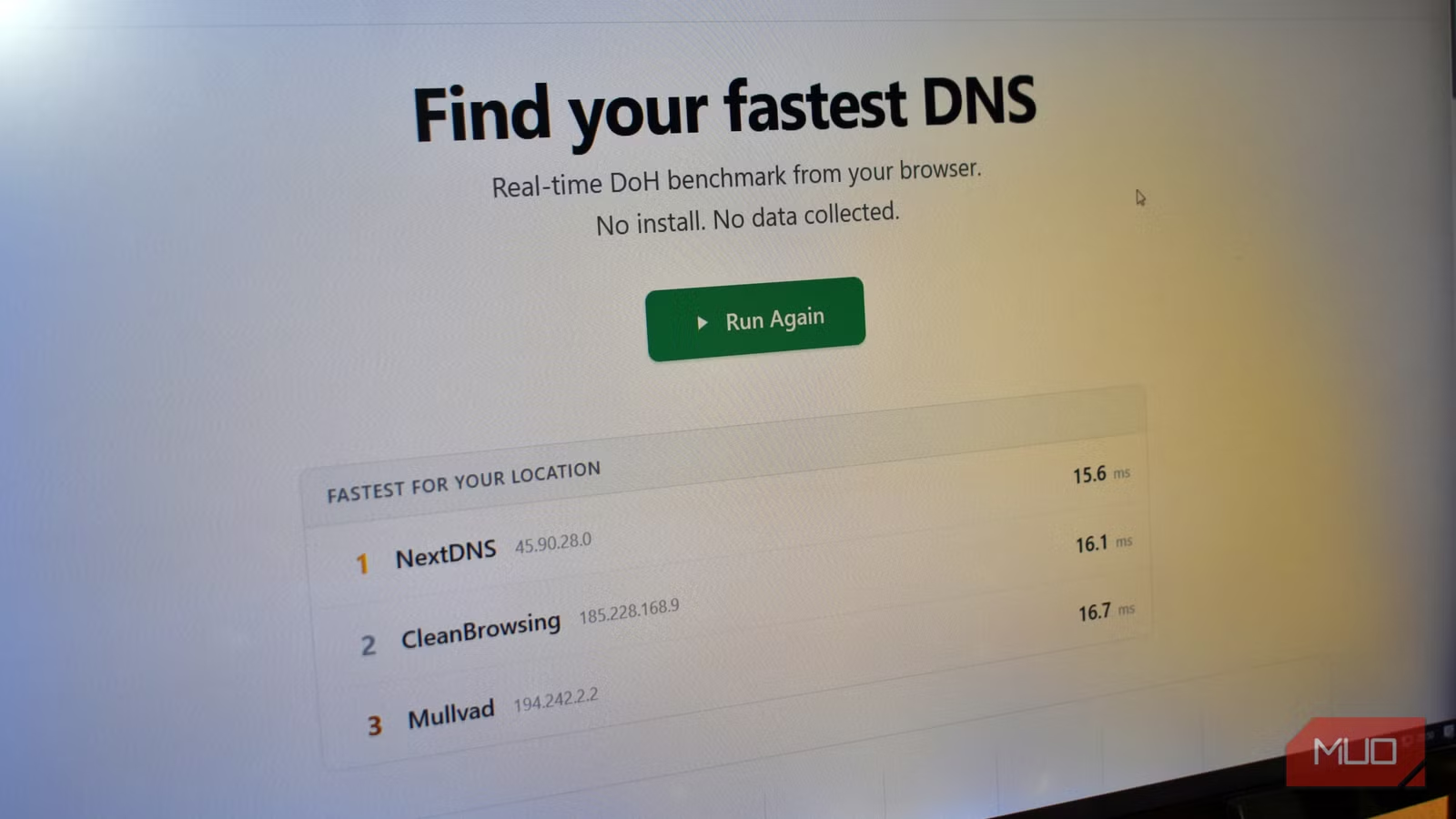
إعداد DNS واحد يحمي عائلتك من مخاطر الإنترنت أفضل من مزود خدمتك
إعدادات DNS آمنة قد تكون أهم تغيير تُجريه على شبكتك المنزلية هذا العام. معظمنا يستخدم خوادم DNS التي يوفرها مزود الإنترنت دون تفكير، لكن هذا الإعداد الافتراضي يُعرّض عائلتك لمخاطر أمنية يمكن تجنبها بخ