MIT's 2-in-1 Satellite Thruster Heads to Space in November
Key Takeaways
- NASA's Green Propulsion Dual Mode cubesat will test a single-fuel system that powers both chemical and electrical thrusters
- The ASCENT propellant is less toxic than traditional hydrazine, making satellites safer to handle before launch
- MIT's electrospray thrusters achieved 1,800-2,800 seconds of specific impulse in ground tests, indicating high fuel efficiency
Small satellites have a packing problem. They need chemical thrusters for big maneuvers like orbital insertions, plus electrical thrusters for the slow, precise adjustments that keep them in position. Each system requires its own fuel tank. That eats up space and weight that could go toward sensors, instruments, or batteries.
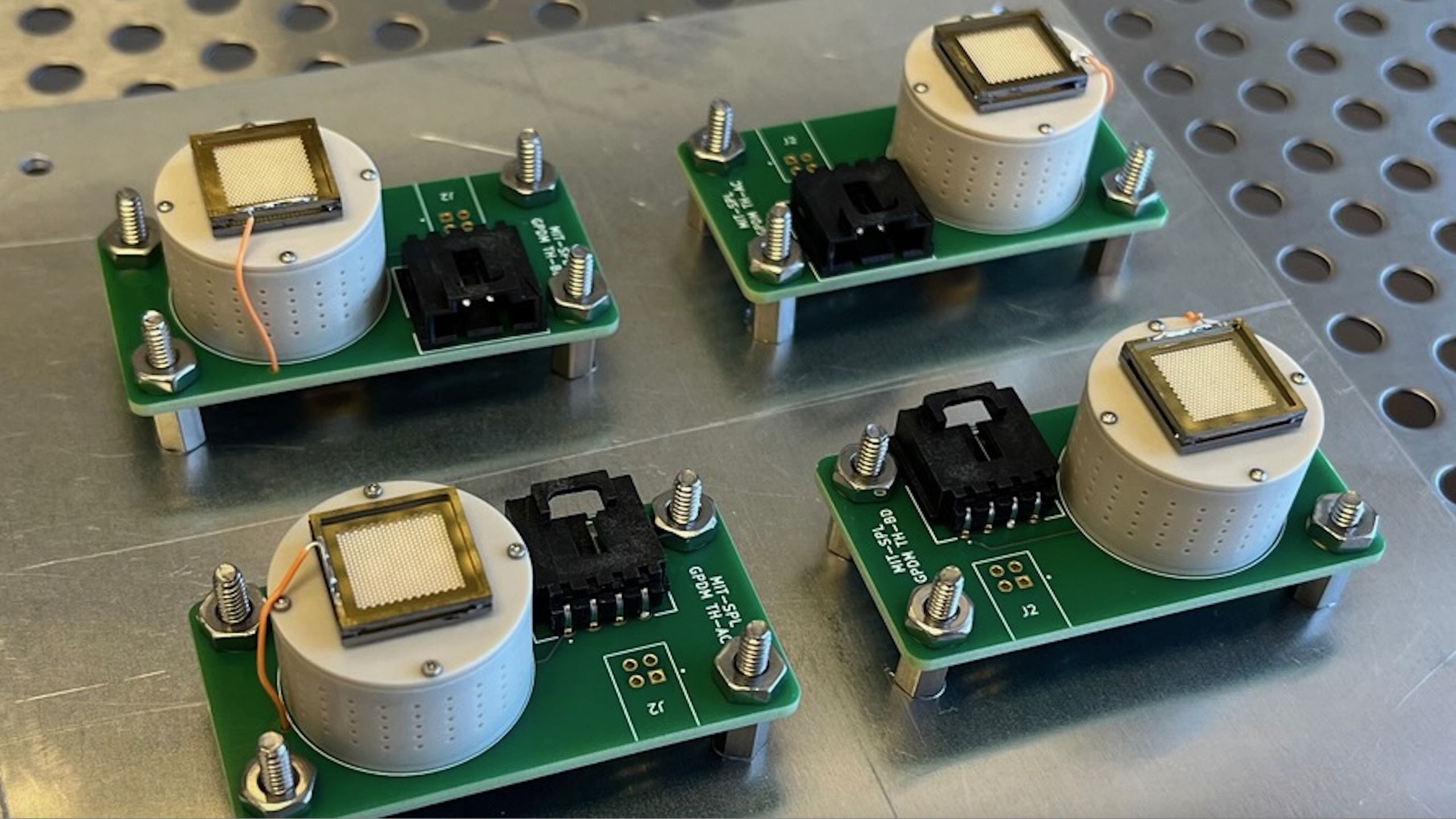
MIT researchers think they have a fix. A new propulsion system uses a single propellant to power both types of thrusters. NASA plans to test it in orbit as early as November 2025 on the Green Propulsion Dual Mode (GPDM) cubesat mission.
“If you can have chemical and electrical propulsion in one small package, it's the best of both worlds. This opens the door for small satellites to do even more science, more observations, and more interesting missions, all on a smaller and cheaper platform.”
— Amelia Bruno, former MIT postdoctoral researcher and lead author of the study
How the System Works
The dual-mode system relies on a fuel called ASCENT (Advanced Spacecraft Energetic Non-Toxic Propellant). The U.S. Air Force Research Laboratory developed it as a safer alternative to hydrazine, the standard high-performance fuel that works great in space but is hazardous to handle on the ground.
ASCENT was originally designed for chemical thrusters. You ignite it, it burns, and the expanding gases push the satellite. That's useful for big moves like changing orbits. But MIT's study, published in the Journal of Propulsion and Power, shows the same fuel also works in electrospray thrusters.
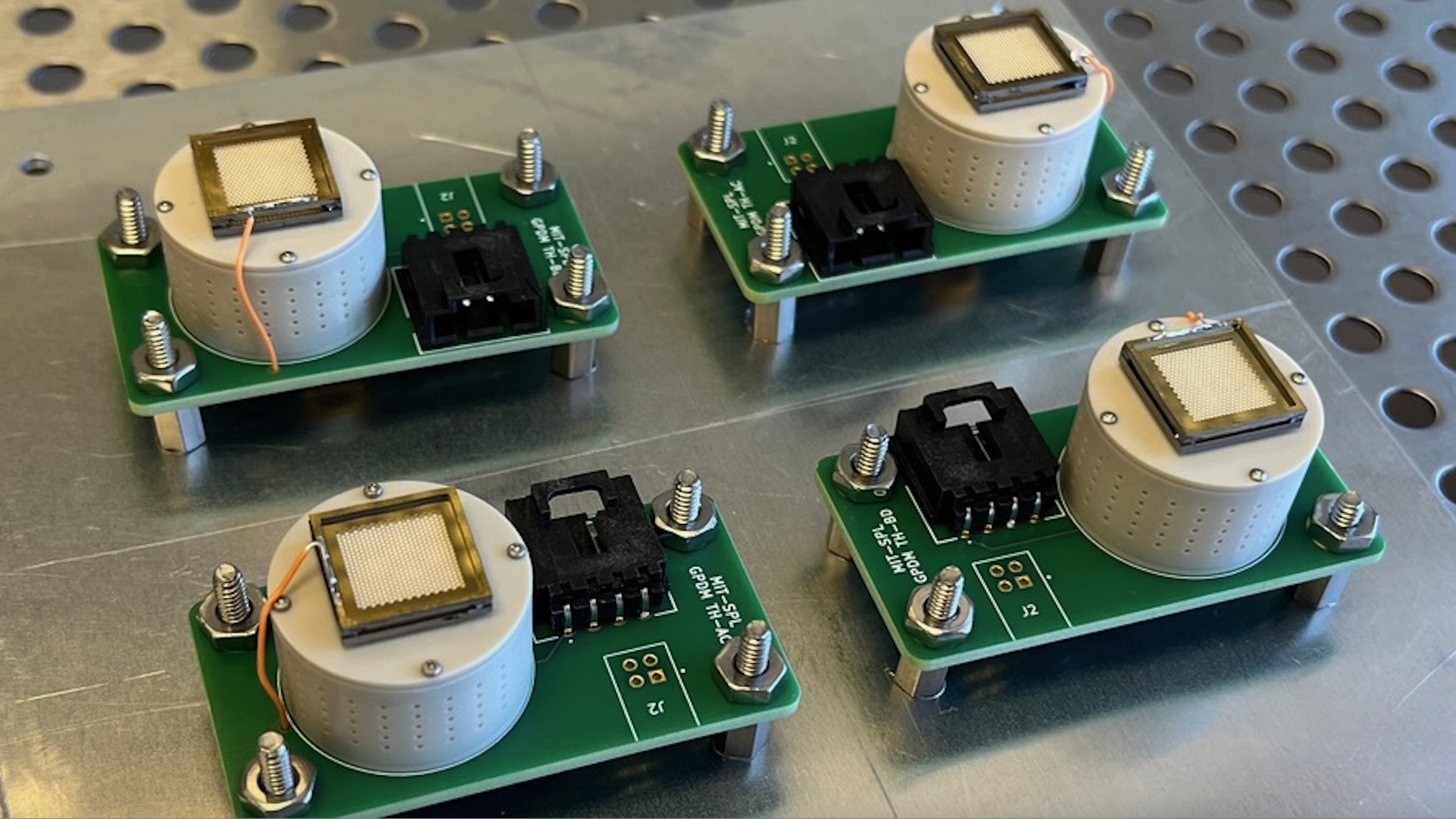
Electrospray thrusters work differently. They ionize the propellant and use electric fields to accelerate the charged particles out of the spacecraft. The thrust is tiny, measured in micro-newtons, but extremely efficient. You use almost no fuel for each adjustment, which makes electrospray ideal for long-term station-keeping or precise formation flying.
In ground tests, MIT's electrospray thrusters achieved a specific impulse of 1,800 to 2,800 seconds. Specific impulse measures how efficiently a thruster uses fuel. Higher numbers mean more thrust per unit of propellant. For comparison, the Space Shuttle's main engines had a specific impulse around 450 seconds.
Why This Matters for Satellite Design
The GPDM mission will fly on a 6U cubesat, roughly the size of a briefcase. That's not much room. Every cubic centimeter matters.
Current small satellites face what engineers call the "volume tax." If you want both high-thrust chemical propulsion and high-efficiency electric propulsion, you need two fuel systems. Two tanks, two sets of plumbing, two failure modes. The dual-mode approach cuts that in half.
“The ability to perform both high-thrust maneuvers and high-efficiency maneuvers with a single propellant system is a game-changer for small satellite mission architecture.”
— Paulo Lozano, Director of the MIT Space Propulsion Laboratory
The weight savings matter beyond Earth orbit. NASA sees this technology as a stepping stone for missions to Mars and other deep-space destinations.
"NASA is looking to expand deeper into space to support future agency objectives," the agency wrote in mission documentation. "Major drivers for these activities include researching and developing new and advanced propulsion systems and capabilities."
The Safety Advantage
ASCENT isn't just about performance. It's also about making satellites less dangerous before they launch.
Hydrazine is toxic. Workers who handle it need protective gear. Spills require hazmat responses. That adds cost and complexity to every launch operation.
ASCENT is marketed as "green" propellant because it's less toxic than hydrazine. NASA already tested it in space during the Green Propellant Infusion Mission in 2019-2020, when the fuel went by its Air Force designation AF-M315E. The upcoming GPDM mission extends that work by testing the dual-mode capability.
What Comes Next
The November launch will be the first in-space test of the dual-mode system. Ground testing has been promising, but space is a different environment. Vacuum, radiation, temperature swings, and microgravity all affect how propulsion systems perform.
If the GPDM mission succeeds, the technology could become standard equipment on future small satellites. That would let cubesats take on missions previously reserved for larger, more expensive spacecraft.
The study was partially funded by NASA and built on previous Air Force fuel research, showing how military technology often finds civilian applications in space.
Logicity's Take
Frequently Asked Questions
What is ASCENT propellant?
ASCENT (Advanced Spacecraft Energetic Non-Toxic Propellant) is a "green" rocket fuel developed by the U.S. Air Force Research Laboratory. It's less toxic than traditional hydrazine and can power both chemical and electrical thrusters.
When will the dual-mode propulsion system launch?
NASA's Green Propulsion Dual Mode cubesat mission is scheduled to launch no earlier than November 2025.
What is an electrospray thruster?
An electrospray thruster ionizes propellant and uses electric fields to accelerate charged particles, producing very small but extremely efficient thrust. It's ideal for precise orbital adjustments and station-keeping.
Why is dual-mode propulsion useful for small satellites?
Small satellites have limited space and weight. Using one fuel for both chemical thrusters (big maneuvers) and electric thrusters (precise adjustments) eliminates the need for two separate fuel systems.
More on NASA's upcoming space missions
Need Help Implementing This?
Source: Latest from Space.com
Manaal Khan
Tech & Innovation Writer
اقرأ أيضاً

رأي مغاير: كيف يؤثر اختراق الأمن الداخلي الأميركي على شركاتنا الخاصة؟
في ظل اختراق عقود الأمن الداخلي الأميركي مع شركات خاصة، نناقش تأثير هذا الاختراق على مستقبل الأمن السيبراني. نستعرض الإحصاءات الموثوقة ونناقش كيف يمكن للشركات الخاصة أن تتعامل مع هذا التهديد. استمتع بقراءة هذا التحليل العميق

الإنسان في زمن ما بعد الوجود البشري: نحو نظام للتعايش بين الإنسان والروبوت - Centre for Arab Unity Studies
في هذا المقال، سنناقش كيف يمكن للبشر والروبوتات التعايش في نظام متكامل. سنستعرض التحديات والحلول المحتملة التي تضعها شركات مثل جوجل وأمازون. كما سنلقي نظرة على التوقعات المستقبلية وفقًا لتقرير ماكنزي

إطلاق ناسا لمهمة مأهولة إلى القمر: خطوة تاريخية نحو استكشاف الفضاء
تعتبر المهمة الجديدة خطوة هامة نحو استكشاف الفضاء وتطوير التكنولوجيا. سوف تشمل المهمة إرسال رواد فضاء إلى سطح القمر لconducting تجارب علمية. ستسهم هذه المهمة في تطوير فهمنا للفضاء وتحسين التكنولوجيا المستخدمة في استكشاف الفضاء.