Microsoft Open-Sources Earliest DOS Code Ever Found
Key Takeaways
- Microsoft released 86-DOS 1.00 source code, predating the MS-DOS brand
- Historians transcribed the code from paper printouts because no digital copies existed
- The release includes the kernel, PC-DOS 1.00 snapshots, and utilities like CHKDSK
Older Than MS-DOS Itself
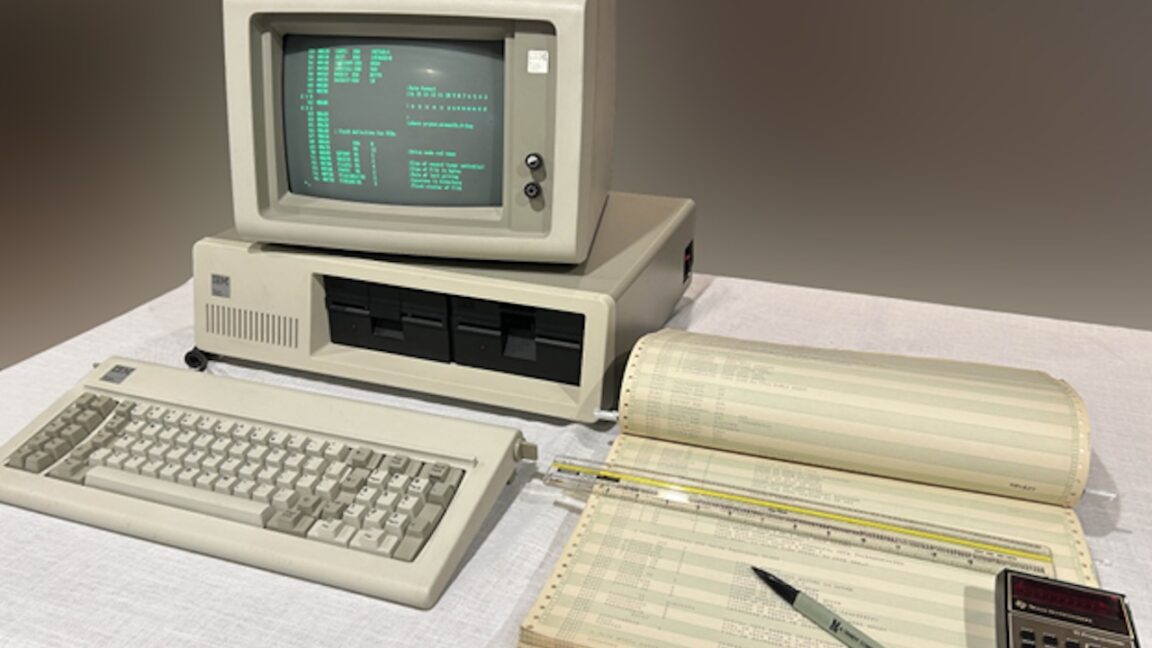
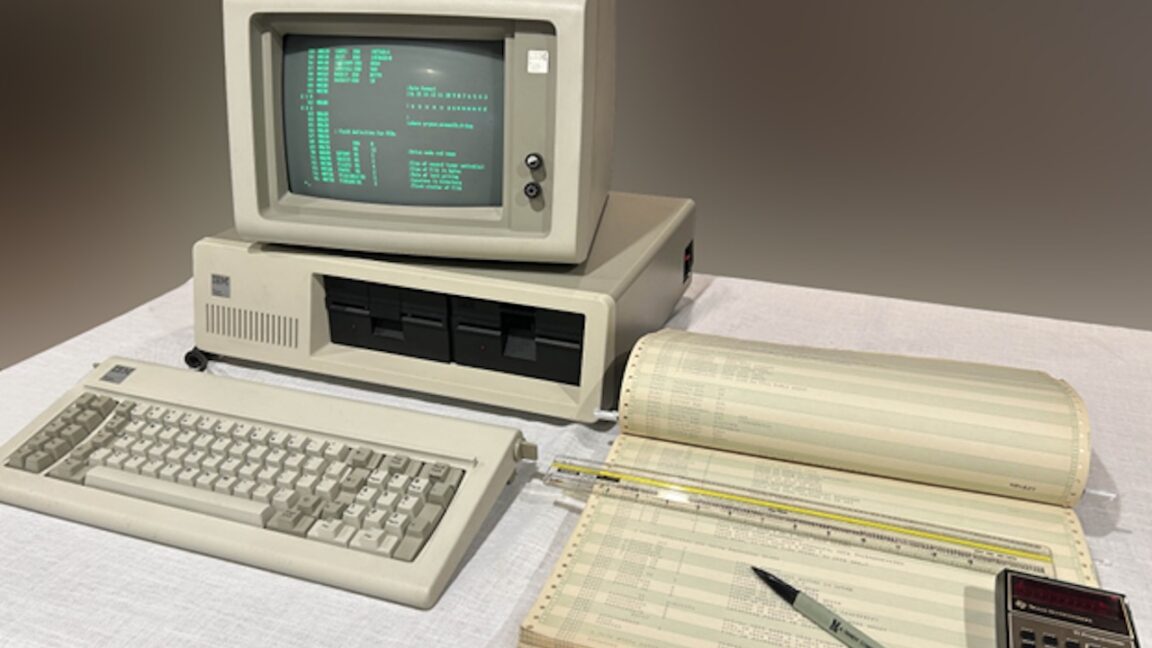
Microsoft has released what it calls "the earliest DOS source code discovered to date." The code is so old it predates the MS-DOS name entirely. It's 86-DOS, the operating system that Microsoft licensed and later bought to create the software that dominated personal computing for two decades.
The release includes sources for the 86-DOS 1.00 kernel, several development snapshots of the PC-DOS 1.00 kernel, and utilities like CHKDSK. Microsoft's Stacey Haffner and Scott Hanselman announced the release in a joint blog post.
From Paper Printouts to GitHub
Here's the unusual part: this source code wasn't stored digitally. A group calling itself the "DOS Disassembly Group," led by historians Yufeng Gao and Rich Cini, transcribed the code from paper printouts provided by original developer Tim Paterson.
The transcription was harder than expected. Modern OCR software struggled with the quality of decades-old printouts. The team had to work through the code painstakingly, line by line.
Quick History: How 86-DOS Became MS-DOS
Tim Paterson created 86-DOS for Seattle Computer Products. It ran on an Intel 8086-based computer kit. The operating system was originally called QDOS, short for "quick and dirty operating system."
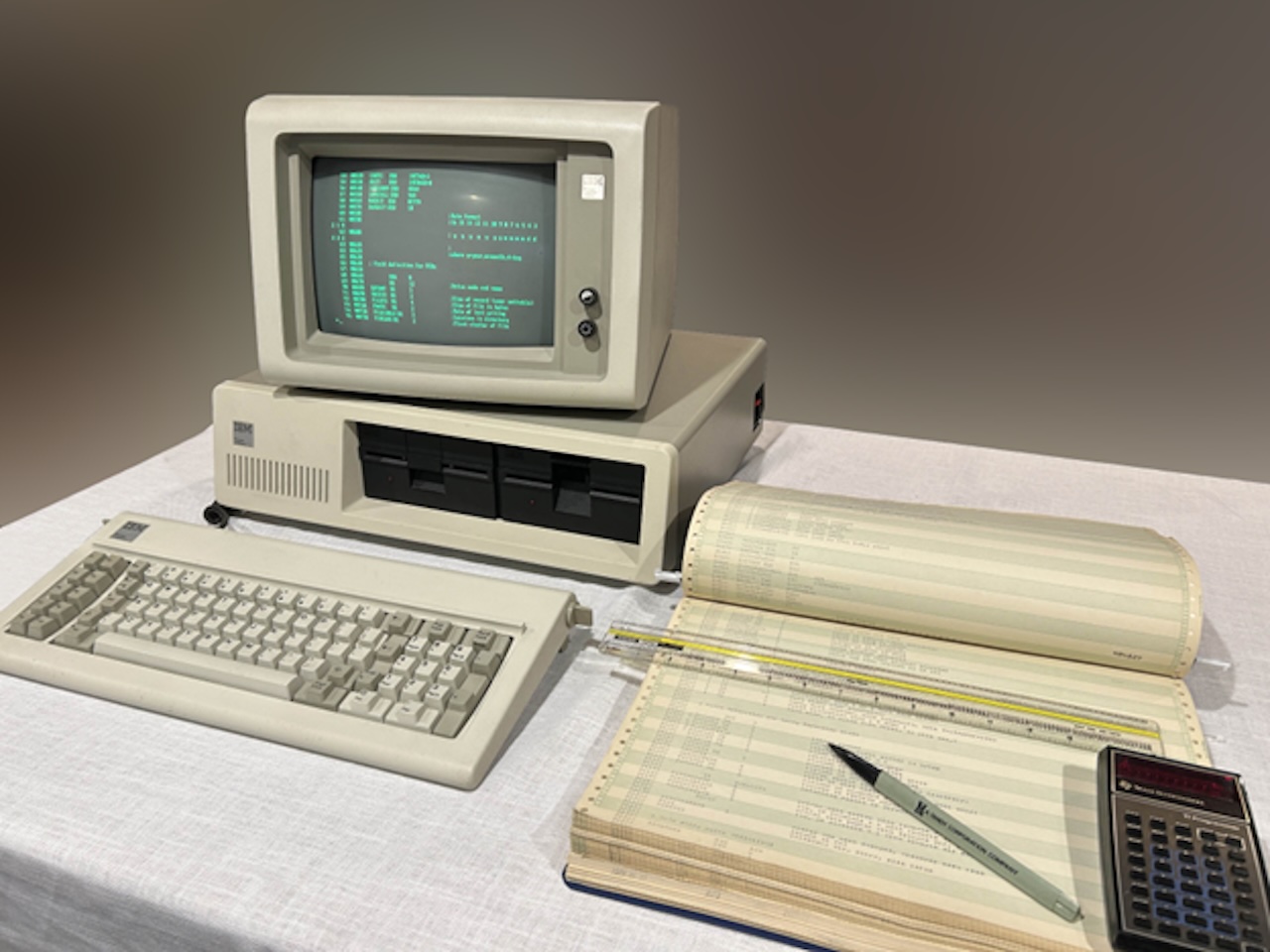
Microsoft needed an operating system for the IBM PC 5150, then in development. The company licensed 86-DOS and hired Paterson to keep developing it. Microsoft later bought the rights outright.
Microsoft licensed the operating system to IBM as PC-DOS but kept the right to sell it to other companies. The Microsoft-branded version became MS-DOS. When IBM PC clones flooded the market in the 1980s and 1990s, MS-DOS became the dominant version.
Part of a Larger Preservation Effort
Microsoft has been open-sourcing its early software for years. In 2014 and again in 2018, the company released MS-DOS versions 1.25 and 2.0. In 2024, it added the oddball MS-DOS 4.0 release. All versions are available in the same GitHub repository.
Other open-sourced Microsoft projects include the text adventure game Zork and its sequels, plus 1995's 3D Movie Maker. Plans to modernize 3D Movie Maker and add features haven't gone anywhere.
This isn't even the first 86-DOS discovery this decade. Two years ago, the earliest known version of 86-DOS was rediscovered and uploaded to the Internet Archive.
More on vintage tech finding new purposes
Why This Matters
For computer historians, this release fills a gap in the documented history of personal computing. MS-DOS shaped how hundreds of millions of people used computers. Understanding its origins means understanding the foundations of modern operating systems.
For developers, the code offers a look at how software was written under extreme constraints. The 8086 processor had limited memory and processing power by today's standards. Every byte mattered.
Logicity's Take
Frequently Asked Questions
What is 86-DOS?
86-DOS was an operating system created by Tim Paterson for Seattle Computer Products. Microsoft licensed it, hired Paterson, and eventually bought it outright. It became the basis for both PC-DOS (sold to IBM) and MS-DOS (sold to everyone else).
Why was the source code on paper instead of digital storage?
The code predates reliable long-term digital storage. Many early software projects were documented on paper printouts as backups or working copies. Digital media from that era often degraded or became unreadable.
Where can I access the 86-DOS source code?
Microsoft has made the code available on GitHub in the same repository as its other open-sourced DOS versions, including MS-DOS 1.25, 2.0, and 4.0.
What utilities are included in this release?
The release includes the 86-DOS 1.00 kernel, PC-DOS 1.00 development snapshots, and utilities like CHKDSK.
Need Help Implementing This?
Source: Ars Technica
Manaal Khan
Tech & Innovation Writer
مقالات ذات صلة
تصفح الكل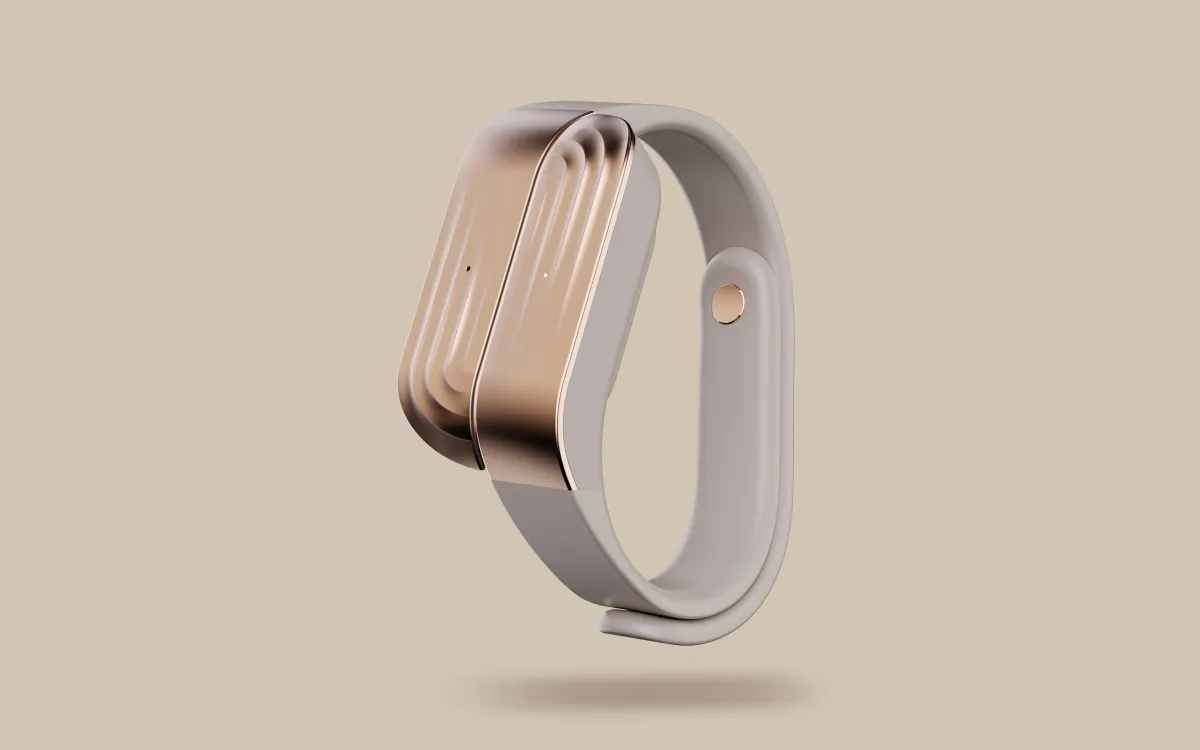
Clair Health تجمع 11.6 مليون دولار لتتبع الهرمونات عبر جهاز قابل للارتداء
أعلنت شركة Clair Health الناشئة عن جمع تمويل بقيمة 11.6 مليون دولار لتطوير جهاز قابل للارتداء يُحدث نقلة نوعية في مجال تتبع الهرمونات الأنثوية. الجهاز الذي يشبه الإكسسوار الأنيق يعد بتقديم رؤى فورية ح

ترقية مجانية لـ GTA V على PS5 وXbox Series X قبل إطلاق GTA VI
أعلنت Rockstar Games عن ترقية مجانية للعبة Grand Theft Auto V تتيح لأصحاب النسخ القديمة الانتقال إلى إصدار PlayStation 5 وXbox Series X/S دون أي تكلفة إضافية، وذلك قبل أشهر قليلة من الموعد المرتقب لإط
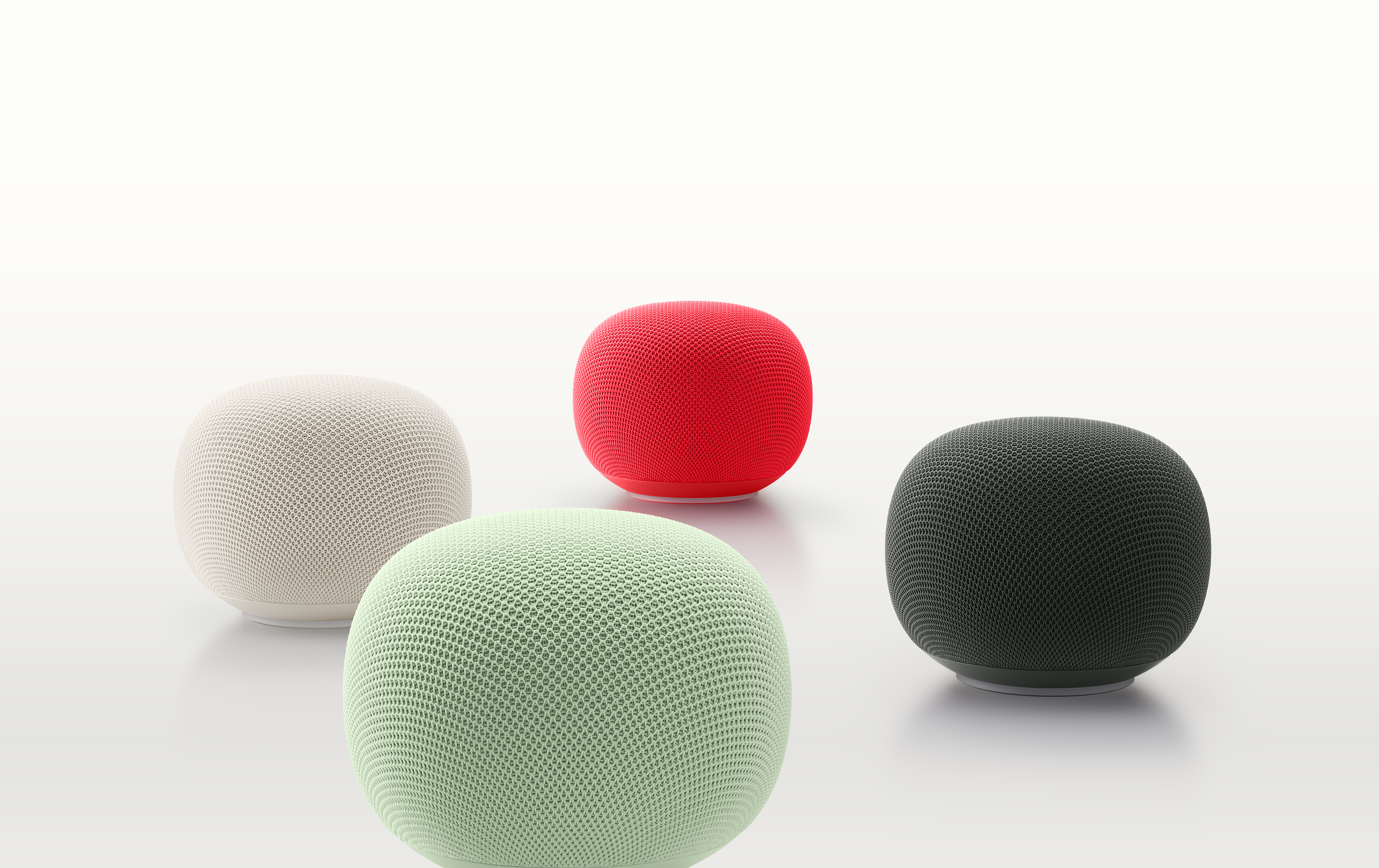
Google تعيد اختراع السماعات الذكية: Google Home Speaker بتقنية Gemini AI بسعر 99 دولاراً
أعلنت Google عن إطلاق Google Home Speaker، أول سماعة ذكية مستقلة من الشركة منذ خمس سنوات، مدمج فيها نظام الذكاء الاصطناعي Gemini بسعر 99.99 دولاراً. يمثل هذا الإطلاق تحولاً جذرياً في فلسفة السماعات ال
تيليغرام تقاضي الهند بعد حظر التطبيق: معركة حرية التعبير تصل للمحاكم
في تصعيد قانوني غير مسبوق، رفعت شركة تيليغرام دعوى قضائية أمام محكمة دلهي العليا ضد قرار الحكومة الهندية بحظر التطبيق على مستوى البلاد، معتبرةً أن هذا الإجراء ينتهك الحقوق الدستورية لـ 150 مليون مستخد
اقرأ أيضاً
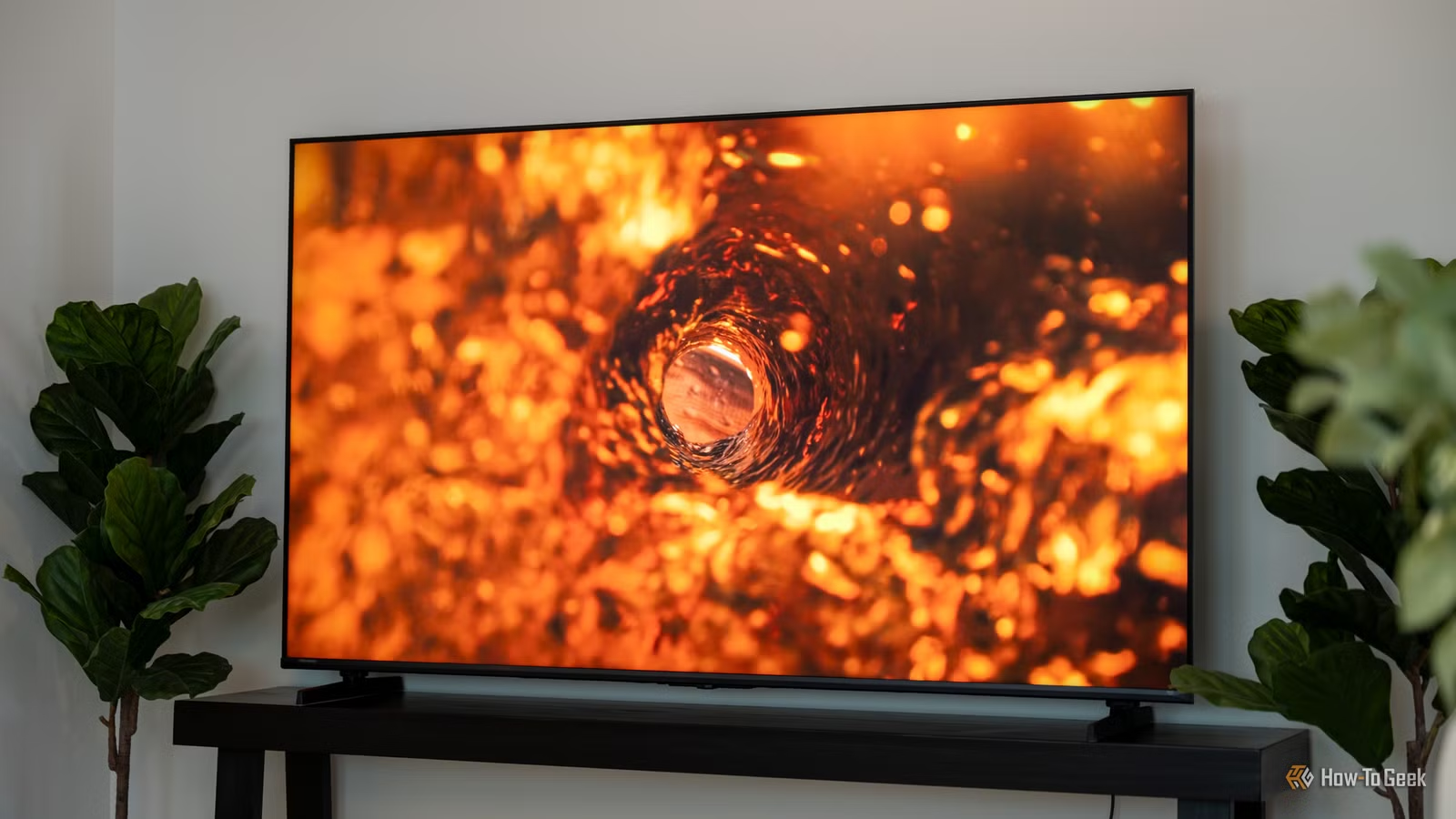
تلفزيون Hisense U6SF بتقنية MiniLED: آلاف مناطق التعتيم بأقل من 800 دولار
أطلقت Hisense تلفزيون U6SF الجديد بتقنية Hi-QLED MiniLED، ليقدم آلاف مناطق التعتيم المحلي بسعر يبدأ من أقل من 800 دولار — وهو ما كان حكراً على الفئات الفاخرة قبل عامين فقط. هذا التلفزيون الذكي المدمج
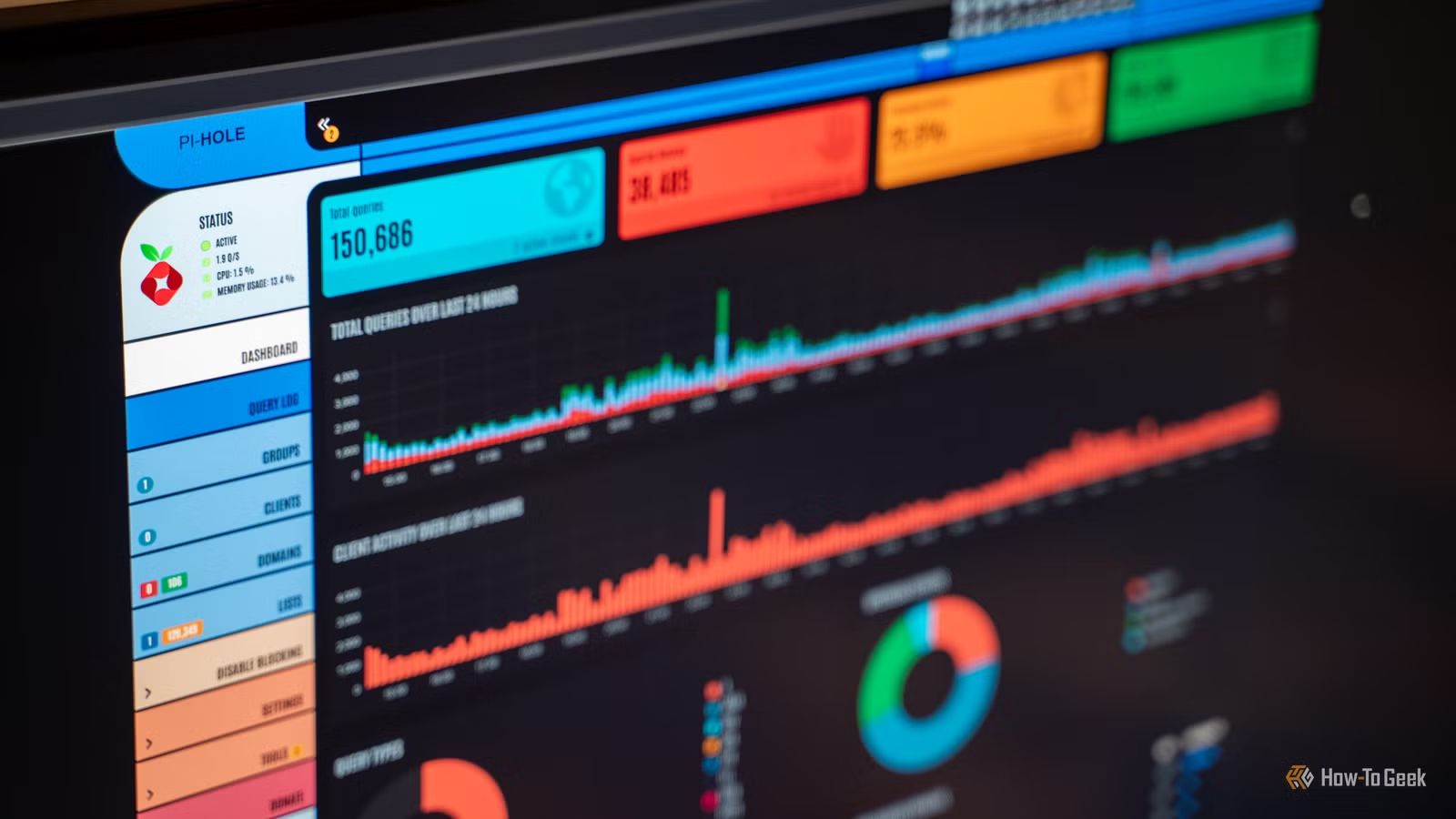
دليل تثبيت Pi-hole: حظر الإعلانات على شبكتك المنزلية بالكامل في 15 دقيقة
هل سئمت من الإعلانات المزعجة التي تظهر على تلفزيونك الذكي أو أجهزة إنترنت الأشياء في منزلك؟ الحل يكمن في Pi-hole، وهو نظام حظر الإعلانات على مستوى الشبكة الذي يحمي جميع أجهزتك المتصلة — من الهواتف وال
أمازون تُجمّد فيلماً سينمائياً عن سام ألتمان بعد صفقة بقيمة 50 مليار دولار مع OpenAI
في خطوة تكشف بجلاء كيف يمكن للمصالح التجارية أن تُعيد رسم حدود الإنتاج الإعلامي، أعلنت Amazon MGM Studios تجميد إصدار فيلم Artificial الذي يتناول سيرة سام ألتمان وأزمة قيادة OpenAI الشهيرة عام 2023. ا