Huawei Watch Fit 5: Enterprise Wearables Market Heats Up
Key Takeaways
- Huawei enters enterprise-relevant health monitoring at half the Apple Watch price point
- ECG and freediving certification in Pro model signals push toward industrial and healthcare applications
- Voice recording feature could disrupt field service and inspection workflows
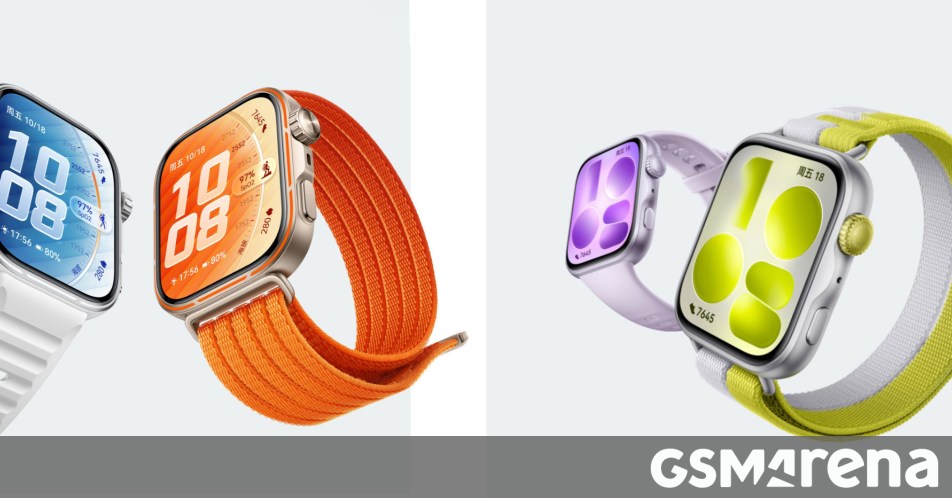
According to [GSMArena](https://www.gsmarena.com/huawei_watch_fit_5_series_announced_-news-72457.php), Huawei has announced its fifth-generation Watch Fit series, introducing two models priced between $161 and $322 that pack enterprise-relevant features including ECG monitoring, voice recording, and 10-day battery life.
If you're running a company with field teams, managing employee wellness programs, or simply trying to understand where wearable technology is headed for business applications, this launch deserves your attention. Not because Huawei's new watches are revolutionary, but because of what they signal about pricing pressure in the enterprise wearables space.
What Does Huawei Watch Fit 5 Offer Business Users?
Let's cut through the consumer-focused marketing and look at what actually matters for business applications. The Watch Fit 5 series splits into two models: the standard Fit 5 at $161 and the Fit 5 Pro at $322. Both run Huawei's proprietary HarmonyOS, which means no Google services but also no Android fragmentation headaches.
The Pro model is where things get interesting for enterprise buyers. ECG monitoring, freediving certification to 40 meters, and upgraded optical sensors open doors for specific industry applications. Think construction site supervisors, offshore workers, healthcare staff monitoring, or any role where real-time health data could prevent incidents.
| Feature | Watch Fit 5 ($161) | Watch Fit 5 Pro ($322) | Enterprise Relevance |
|---|---|---|---|
| Display | 1.82-inch AMOLED, 2500 nits | 1.92-inch AMOLED, 3000 nits | Outdoor readability for field workers |
| ECG Monitoring | No | Yes | Critical for health-sensitive industries |
| Water Resistance | 5 ATM (swimming) | 40m freediving certified | Industrial and marine applications |
| Voice Recording | Yes | Yes | Field notes, inspections, meetings |
| Battery Life | 7-10 days | 7-10 days | Reduces charging logistics for deployments |
| Connectivity | Bluetooth 6.0, NFC | Bluetooth 6.0, NFC | Contactless payments, access control potential |
Why Should CEOs Care About Smartwatch Pricing Wars?
Here's the business case in plain terms: enterprise wearables have been stuck at premium price points that made large-scale deployments prohibitively expensive. Apple Watch Series 9 with cellular starts at $499. Samsung Galaxy Watch 6 runs $329-449. For a company wanting to equip 500 field technicians with health-monitoring wearables, you're looking at $165,000 to $250,000 before software and management costs.
Huawei just dropped a credible alternative at $161 per unit. That's $80,500 for the same 500-person deployment. The Pro model with ECG still comes in at $161,000. These aren't budget devices with compromised specs. They're legitimate competitors that happen to cost less.
This pricing pressure benefits every buyer in the market, even those who ultimately choose Apple or Samsung. Competition forces all players to justify their premium positioning or adjust their enterprise pricing tiers.
How Does Employee Wellness Monitoring Impact the Bottom Line?
The ROI conversation around employee wearables typically centers on three areas: reduced healthcare costs, improved productivity, and liability protection. Let's be honest about what's proven and what's still speculative.
The Proven Business Case for Wellness Wearables
Studies from companies like Johnson & Johnson and BP have documented 5-15% reductions in healthcare claims among employees participating in wearable-tracked wellness programs. However, these programs require sustained engagement and proper data privacy frameworks to succeed. The wearable is just the hardware. Without a coherent wellness strategy, you're buying expensive pedometers.
The Watch Fit 5's voice recording feature opens a different value proposition entirely. Field service companies, inspectors, and anyone who currently juggles phones and clipboards could benefit from wrist-based voice notes. Huawei specifically calls this out as a meeting and ideas recorder. For a technician documenting equipment status or a safety inspector noting observations, this workflow improvement might justify the device cost faster than wellness benefits.
What Are the Risks of Deploying Huawei Wearables?
No enterprise technology decision happens without risk assessment, and Huawei carries specific considerations that business leaders must evaluate honestly.
✅ Pros
- • Aggressive pricing creates immediate procurement savings
- • Feature parity with premium competitors on core health monitoring
- • HarmonyOS avoids Android fragmentation and update inconsistencies
- • 10-day battery life dramatically reduces charging infrastructure needs
- • Voice recording addresses real workflow gaps in field operations
❌ Cons
- • US government restrictions may affect some enterprise contracts
- • Limited app ecosystem compared to Apple Watch or Wear OS
- • International availability and support uncertain outside China
- • Data sovereignty concerns for highly regulated industries
- • Integration with existing enterprise MDM solutions may require custom work
For US-based companies or those with government contracts, Huawei products may simply be off the table due to regulatory restrictions. That's a non-negotiable constraint. For companies operating primarily in Asia, Europe, or other markets without these restrictions, the calculation looks different.
Data privacy deserves serious attention. Any wearable collecting ECG, heart rate, sleep, and location data creates a treasure trove of sensitive employee information. Before deploying any wearable at scale, ensure your legal and HR teams have addressed consent frameworks, data retention policies, and employee rights to opt out without penalty.
When Will Huawei Watch Fit 5 Be Available Globally?
Huawei confirmed Chinese sales begin April 29, but stayed silent on international availability. This is typical for Huawei launches. Historically, their wearables reach European and Asian markets 4-8 weeks after China. US availability is unlikely given current trade restrictions.
For procurement planning, assume Q3 2025 availability in most international markets. If you're evaluating enterprise wearables for a deployment later this year, include the Watch Fit 5 series in your RFP but have fallback options ready.
How Does This Compare to Apple and Samsung Enterprise Options?
The enterprise wearables market has been a three-way race between Apple, Samsung, and Garmin for premium deployments, with Fitbit (Google) dominating budget corporate wellness programs. Huawei's entry doesn't displace any leader overnight, but it changes the pricing conversation.
Apple Watch remains the gold standard for enterprise deployments where integration with existing Apple infrastructure matters. If your company already runs on iPhones and Macs, the ecosystem advantages of Apple Watch often outweigh raw cost comparisons. Samsung's Galaxy Watch lineup offers strong Android integration and has established enterprise management tools through Knox.
Huawei's opportunity lies in the gap between premium and budget. Companies that found Apple Watch too expensive but Fitbit too basic now have a middle-ground option with legitimate health monitoring features.
Understanding Apple's device strategy helps contextualize the enterprise wearable competitive landscape
What Should Business Leaders Do Next?
If you're actively evaluating enterprise wearables, here's a practical action plan based on this announcement.
- Update your vendor comparison matrix: Add Huawei Watch Fit 5 Pro to any ongoing enterprise wearable evaluations. Even if you don't ultimately select it, having the data strengthens your negotiating position with other vendors.
- Reassess budget assumptions: If previous wearable initiatives stalled due to cost, revisit those business cases with $161-322 per-device pricing. The math may now work.
- Clarify your regulatory constraints: Have legal confirm whether Huawei products are permissible for your specific industry and contract portfolio before investing evaluation time.
- Define your actual use case: Wellness tracking, field operations, safety monitoring, and access control all have different requirements. Match features to needs rather than buying the most expensive option.
- Plan for pilot programs: Any enterprise wearable deployment benefits from a controlled pilot. Budget for 50-100 devices to test real-world adoption, charging logistics, and data integration before committing to thousands.
Fleet managers evaluating vehicle technology face similar build-vs-buy decisions as wearable deployments
Frequently Asked Questions
How much does Huawei Watch Fit 5 cost for enterprise deployments?
The standard Watch Fit 5 starts at $161 (CNY 1,099) and the Pro model with ECG at $322 (CNY 2,199). Volume pricing for enterprise orders isn't publicly available yet, but expect 10-20% discounts on orders of 100+ units based on Huawei's historical B2B pricing.
Is Huawei Watch Fit 5 compatible with enterprise mobile device management?
Huawei wearables run HarmonyOS and integrate with Huawei's own management tools. Integration with third-party MDM platforms like VMware Workspace ONE or Microsoft Intune may require custom development. Evaluate this carefully if MDM compatibility is essential to your deployment.
Can US companies legally purchase Huawei wearables?
Current US government restrictions primarily affect network infrastructure equipment. Consumer electronics like wearables aren't explicitly banned for private companies, but federal contractors and certain regulated industries may face restrictions. Consult legal counsel for your specific situation.
How long does Huawei Watch Fit 5 battery last in enterprise use?
Huawei claims 7-10 days of normal use. With Always-On Display enabled, expect 4 days. For enterprise deployments, the 10-day ceiling dramatically reduces the need for daily charging infrastructure compared to Apple Watch (18-36 hours) or Samsung Galaxy Watch (40-50 hours).
What health data can Huawei Watch Fit 5 collect for wellness programs?
Both models track heart rate (6 LED/6 PPG sensors), sleep, activity, and body temperature. The Pro model adds ECG monitoring. All data flows through Huawei Health app. Enterprise wellness platform integrations would require API development or third-party middleware.
Logicity's Take
We build enterprise software integrations at Logicity, and wearable data pipelines are becoming a regular client request. Here's our honest assessment: Huawei's hardware is competitive, but the integration story is where most enterprise deployments actually struggle. Apple and Fitbit have mature APIs and established connectors to platforms like Salesforce Health Cloud, Workday wellness modules, and custom HR dashboards. Huawei's ecosystem is younger and more closed, particularly outside China. That doesn't mean it's unusable. We've built successful integrations with HarmonyOS devices for clients in the Middle East and Southeast Asia where Huawei has strong market presence. The key is budgeting for custom middleware development rather than expecting plug-and-play compatibility. For Indian enterprises specifically, Huawei's aggressive pricing makes it worth evaluating, but factor in 40-60 hours of integration development if you need the wearable data flowing into existing HR or safety systems. The hardware savings often cover that development cost with room to spare.
Need Help Implementing This?
Logicity helps companies integrate wearable data into enterprise workflows, build custom wellness dashboards, and connect health monitoring devices to existing HR and safety platforms. If you're evaluating enterprise wearable deployments and need help with the technical integration layer, reach out to our team for a consultation.
Source: GSMArena.com / Michail
Huma Shazia
Senior AI & Tech Writer
اقرأ أيضاً

رأي مغاير: كيف يؤثر اختراق الأمن الداخلي الأميركي على شركاتنا الخاصة؟
في ظل اختراق عقود الأمن الداخلي الأميركي مع شركات خاصة، نناقش تأثير هذا الاختراق على مستقبل الأمن السيبراني. نستعرض الإحصاءات الموثوقة ونناقش كيف يمكن للشركات الخاصة أن تتعامل مع هذا التهديد. استمتع بقراءة هذا التحليل العميق

الإنسان في زمن ما بعد الوجود البشري: نحو نظام للتعايش بين الإنسان والروبوت - Centre for Arab Unity Studies
في هذا المقال، سنناقش كيف يمكن للبشر والروبوتات التعايش في نظام متكامل. سنستعرض التحديات والحلول المحتملة التي تضعها شركات مثل جوجل وأمازون. كما سنلقي نظرة على التوقعات المستقبلية وفقًا لتقرير ماكنزي

إطلاق ناسا لمهمة مأهولة إلى القمر: خطوة تاريخية نحو استكشاف الفضاء
تعتبر المهمة الجديدة خطوة هامة نحو استكشاف الفضاء وتطوير التكنولوجيا. سوف تشمل المهمة إرسال رواد فضاء إلى سطح القمر لconducting تجارب علمية. ستسهم هذه المهمة في تطوير فهمنا للفضاء وتحسين التكنولوجيا المستخدمة في استكشاف الفضاء.