Google AI for the Economy Forum 2026: New Research Investments and Worker Training Programs Announced

Key Takeaways
- Google launched its inaugural AI for the Economy Forum with MIT FutureTech in Washington D.C.
- New research program features visiting economists like MIT's David Autor producing original studies
- Training initiatives target healthcare workers and apprenticeships in high-demand fields
- Google.org funding and Google Cloud credits being distributed to external research groups
- The company argues AI's impact on jobs isn't predetermined and can be shaped by policy decisions
Read in Short
Google's hosting its first AI for the Economy Forum today in D.C., announcing research investments to study how AI will reshape work and training programs to help people adapt. The big message? AI's economic impact isn't set in stone, and they want government, business, and workers all at the table to figure this out together.
So here's the thing about AI and jobs. Everyone's got an opinion. Some people think robots are coming for every paycheck, others say it's all hype. Google's betting the truth is somewhere in between, and more importantly, that we actually have a say in how this plays out.
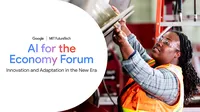
Today the company kicked off its inaugural AI for the Economy Forum in Washington D.C., teaming up with MIT FutureTech to get economists, policymakers, and industry folks in the same room. The goal isn't just another tech conference with keynotes nobody remembers. They're trying to build something that lasts, a framework for ongoing collaboration between all the groups who'll shape how AI changes work.
The Core Idea: Nothing About AI's Impact Is Guaranteed
Google's SVP James Manyika, who oversees Research, Labs, Technology and Society, put it pretty directly. Neither the benefits nor the risks of AI are automatic. That's a refreshing take in a conversation that often feels like people are either promising utopia or predicting doom.
“How AI impacts our lives, jobs and economy is something we as a society can shape – and fully realizing AI's economic potential will require a new era of partnership between companies, workers, governments, researchers and more.”
— Google's official announcement
Look, this isn't just corporate PR speak. There's actually something here. Most AI discussions treat the technology like weather, something that happens to us. Google's framing suggests it's more like urban planning, something we can design with intention.
Research Investments: Getting the Data We Actually Need
The first big announcement is Google's AI and Economy Research Program. And honestly? This addresses a real gap. Right now, a lot of AI policy conversations are happening without solid data. Everyone's making predictions based on vibes and a handful of studies from three years ago.
The program has a few components worth knowing about. There's a Visiting Fellows program that brings in heavy hitters like MIT economist David Autor to produce original research. Autor's been studying labor markets and technological change for decades, so having him embedded with Google's data could yield some genuinely useful insights.
Then there's the Digital Futures Project, which has already supported work from MIT researchers Ben Armstrong and Julia Shah. Their research focused on something specific and practical: how companies can encourage AI adoption that actually benefits workers, not just bottom lines.
What the MIT Research Found
Armstrong and Shah's work identified that AI implementations work best when they minimize tedious tasks, help workers learn new skills, and encourage team collaboration. In other words, AI as a tool that makes work better, not a replacement for humans.
Google's now expanding this with Google.org funding and Google Cloud credits for a new cohort of researchers. That's not nothing. Cloud computing costs are a real barrier for academic research, and giving researchers access to the same infrastructure tech companies use could level the playing field a bit.
Understanding the global semiconductor race is crucial context for AI economic discussions, as chip access directly affects who can build and deploy AI systems.
Training Programs: The Practical Side
Research is great, but people need skills right now. That's where Google's second initiative comes in. They're funding training programs specifically targeting healthcare workers and creating apprenticeships in high-demand fields.
The healthcare focus makes sense. It's one of those industries where AI can genuinely help, administrative tasks eating up doctor time, diagnostic assistance, patient communication, but also one where getting implementation wrong has real consequences. Training workers to use these tools effectively matters.
- Healthcare worker training programs for AI tool adoption
- Apprenticeship creation in high-demand technical fields
- Google.org funding for external training initiatives
- Google Cloud credits for hands-on learning environments
The apprenticeship angle is interesting too. There's been a lot of talk about AI skills gaps, but less action on creating pathways for people who didn't go through traditional CS programs. Apprenticeships could help bridge that, though we'll need to see the actual scale and accessibility of these programs before getting too excited.
Who's Actually in the Room?
Forums like this live or die based on who shows up. Google says they've got economists, industry leaders, policymakers, and experts gathering to share information and identify gaps in current understanding.
The MIT FutureTech partnership adds academic credibility. MIT's been doing serious work on AI governance and labor economics, and they're not exactly known for rubber-stamping corporate initiatives. Having them as co-hosts suggests this might be more substantive than your average industry event.

But here's the question nobody's asking loudly enough: where are the workers themselves in these conversations? Bringing together economists and policymakers is valuable. Having actual workers, union representatives, and people from affected industries would be even better. Maybe they're there and just not highlighted in the announcement. Maybe not.
Why This Timing Matters
We're at a weird moment with AI and employment. Chatbots and image generators dominated 2023 and 2024 headlines. Now in 2026, companies are actually deploying these tools at scale, and we're starting to see real effects on real jobs. Some positive, some not.
The kicker? Most of our policy frameworks are still playing catch-up. Governments are trying to regulate AI while barely understanding how it works. Companies are deploying tools faster than anyone can study their effects. Workers are caught in the middle, uncertain whether to embrace or fear these technologies.
Google positioning itself as a convener rather than just an AI builder is strategic, sure. But it's also potentially useful. Somebody needs to get these groups talking, and big tech companies have resources and reach that academics and governments often lack.
Other tech giants are taking very different approaches to AI development, making Google's research-focused strategy worth comparing.
The Skeptic's Take
I'll be honest. There's reason to be cautious here. Google has obvious interests in shaping how AI regulation develops. Funding research and training is genuinely helpful, but it also builds goodwill and potentially influence over the very policies that will govern Google's AI products.
That doesn't make the initiative worthless. It just means we should watch what actually comes out of this forum. Will the research be independent and published openly? Will training programs reach people who need them most, or mainly tech-adjacent workers who'd probably be fine anyway?
The best case scenario: this becomes a model for public-private collaboration on AI policy, producing research that helps everyone make better decisions and training that genuinely expands opportunity. The worst case: it's expensive window dressing that lets Google claim responsibility while changing nothing fundamental.
What Happens Next
Today's forum is being framed as a starting point, not a one-time event. Google's talking about laying the foundation for ongoing collaboration. That suggests more convenings, more research releases, and presumably more announcements over the coming months and years.
For now, anyone interested in AI's economic effects should keep an eye on what comes out of the Visiting Fellows program and the Digital Futures Project. Those are the places where we might actually learn something new, rather than hearing the same talking points recycled at another conference.
Frequently Asked Questions
What is the AI for the Economy Forum?
It's Google's new initiative co-hosted with MIT FutureTech, bringing together economists, policymakers, and industry leaders to discuss AI's impact on jobs and the economy.
Who is eligible for Google's AI training programs?
Details are still emerging, but announced programs target healthcare workers and people seeking apprenticeships in high-demand technical fields.
Is the research independent?
Google says the program supports collaboration with external experts, including MIT economists. Research from the Digital Futures Project has been published through MIT.
Will there be more forums?
Google describes this as an inaugural event meant to establish ongoing collaboration, suggesting future convenings are planned.
The bottom line? Google's doing something potentially useful here, even if the motivations aren't purely altruistic. The AI-and-jobs conversation desperately needs better data and broader participation. If this forum delivers on even some of its promises, that's a step forward. We'll be watching to see if the follow-through matches the announcement.
Source: AI
Huma Shazia
Senior AI & Tech Writer
اقرأ أيضاً

رأي مغاير: كيف يؤثر اختراق الأمن الداخلي الأميركي على شركاتنا الخاصة؟
في ظل اختراق عقود الأمن الداخلي الأميركي مع شركات خاصة، نناقش تأثير هذا الاختراق على مستقبل الأمن السيبراني. نستعرض الإحصاءات الموثوقة ونناقش كيف يمكن للشركات الخاصة أن تتعامل مع هذا التهديد. استمتع بقراءة هذا التحليل العميق

الإنسان في زمن ما بعد الوجود البشري: نحو نظام للتعايش بين الإنسان والروبوت - Centre for Arab Unity Studies
في هذا المقال، سنناقش كيف يمكن للبشر والروبوتات التعايش في نظام متكامل. سنستعرض التحديات والحلول المحتملة التي تضعها شركات مثل جوجل وأمازون. كما سنلقي نظرة على التوقعات المستقبلية وفقًا لتقرير ماكنزي

إطلاق ناسا لمهمة مأهولة إلى القمر: خطوة تاريخية نحو استكشاف الفضاء
تعتبر المهمة الجديدة خطوة هامة نحو استكشاف الفضاء وتطوير التكنولوجيا. سوف تشمل المهمة إرسال رواد فضاء إلى سطح القمر لconducting تجارب علمية. ستسهم هذه المهمة في تطوير فهمنا للفضاء وتحسين التكنولوجيا المستخدمة في استكشاف الفضاء.