Can Gemma4-31B Index a Year of Video on a 2021 MacBook?
Key Takeaways
- Gemma4-31B can run locally on a 2021 MacBook using 50GB of swap memory to index video archives
- The setup replaced a $140/month SaaS stack with a $22 alternative using DaVinci Resolve and Claude Code
- Generative AI video tools don't work for authentic travel brands where guests expect real footage
Every photographer and videographer sits on the same problem: an archive that grows faster than they can edit it. One developer decided to fix his with a local AI model, a 2021 MacBook, and 50GB of swap memory.
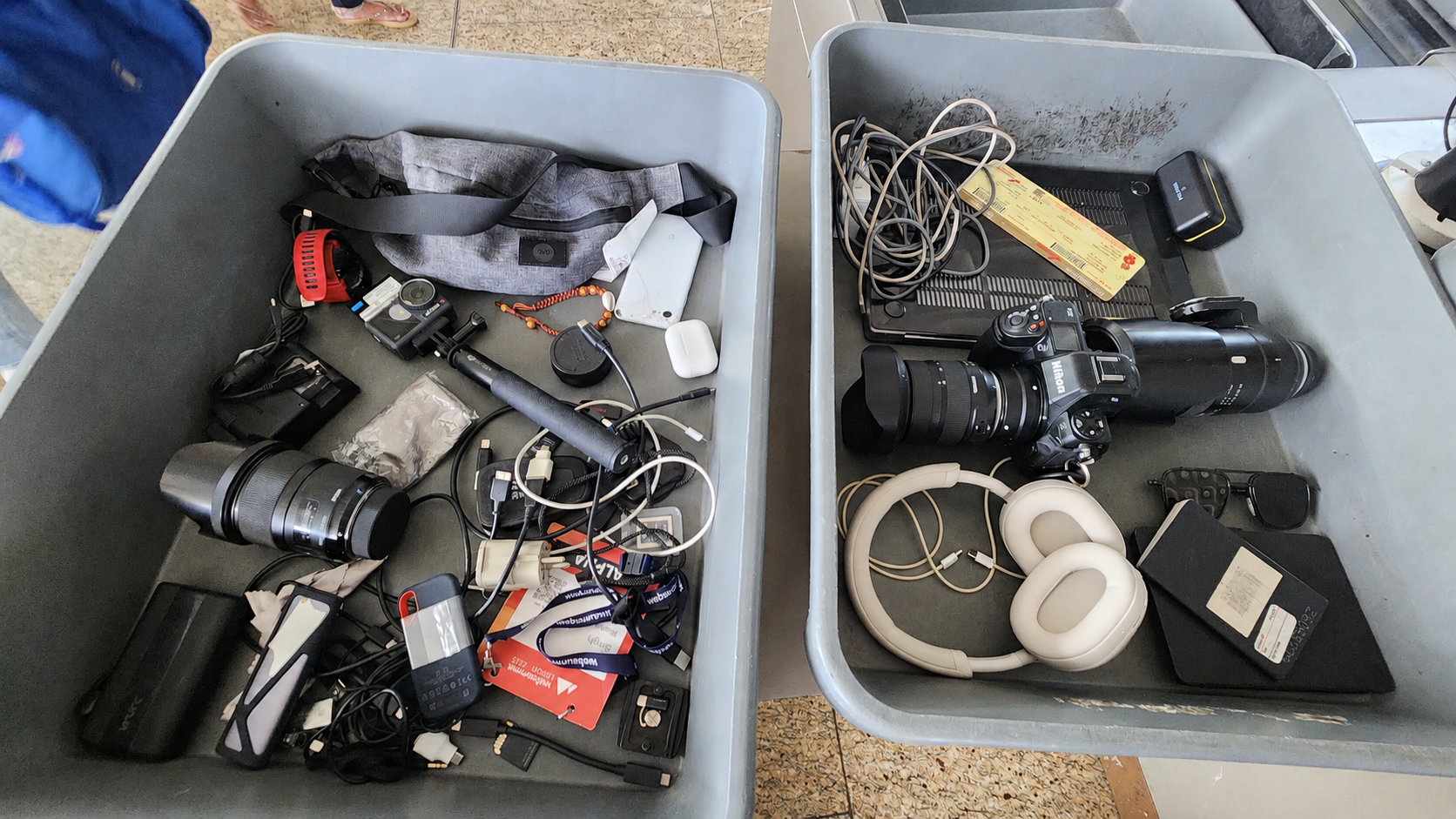
The developer, who splits his year between Silicon Valley and Kenya's Maasai Mara, documents his time at a lodge with an iPhone, DJI Pocket, drone, Nikon Z8, and Ray-Ban Metas. Three months ago, the lodge's social channels went dark. Not for lack of content. The lodge has years of raw footage across multiple SSDs. The bottleneck was editing time.
The $140 SaaS Stack That Didn't Work
The first attempt was a SaaS approach: Eddie AI for iterative editing, Higgsfield MCP for generative B-roll, Submagic for captions, Buffer for cross-posting. About $140 a month. Two problems killed it before it started.
First, generative AI video has no place on a real travel brand. Guests pay $300 a night and up to see the actual place. Mislabeled AI shots equal TripAdvisor crucifixion. Higgsfield was out.
Second, the posting schedule was too aggressive. Three to five posts a week was optimistic. The realistic floor was two to three. The pitch was optimistic in a way that would have failed by week two.
What Already Exists in DaVinci Resolve
Then came the realization: DaVinci Resolve Studio, already owned, ships with IntelliSearch for semantic clip search, Smart Bins for auto-organizing folders, and Voice to Subtitle that produces 90-95% accurate captions on the timeline. That's roughly 70% of what Eddie sells.
The new stack: Claude Code driving Resolve via the open-source DaVinci Resolve MCP, with ElevenLabs handling voiceover on informational clips. Cost dropped from $140 a month to $22.
The Local AI Indexing Setup
The deeper problem only landed once the developer tried to actually use any of this. Every AI video editor on the market assumes footage is already organized. But a year of raw video from multiple devices isn't organized. It's chaos.
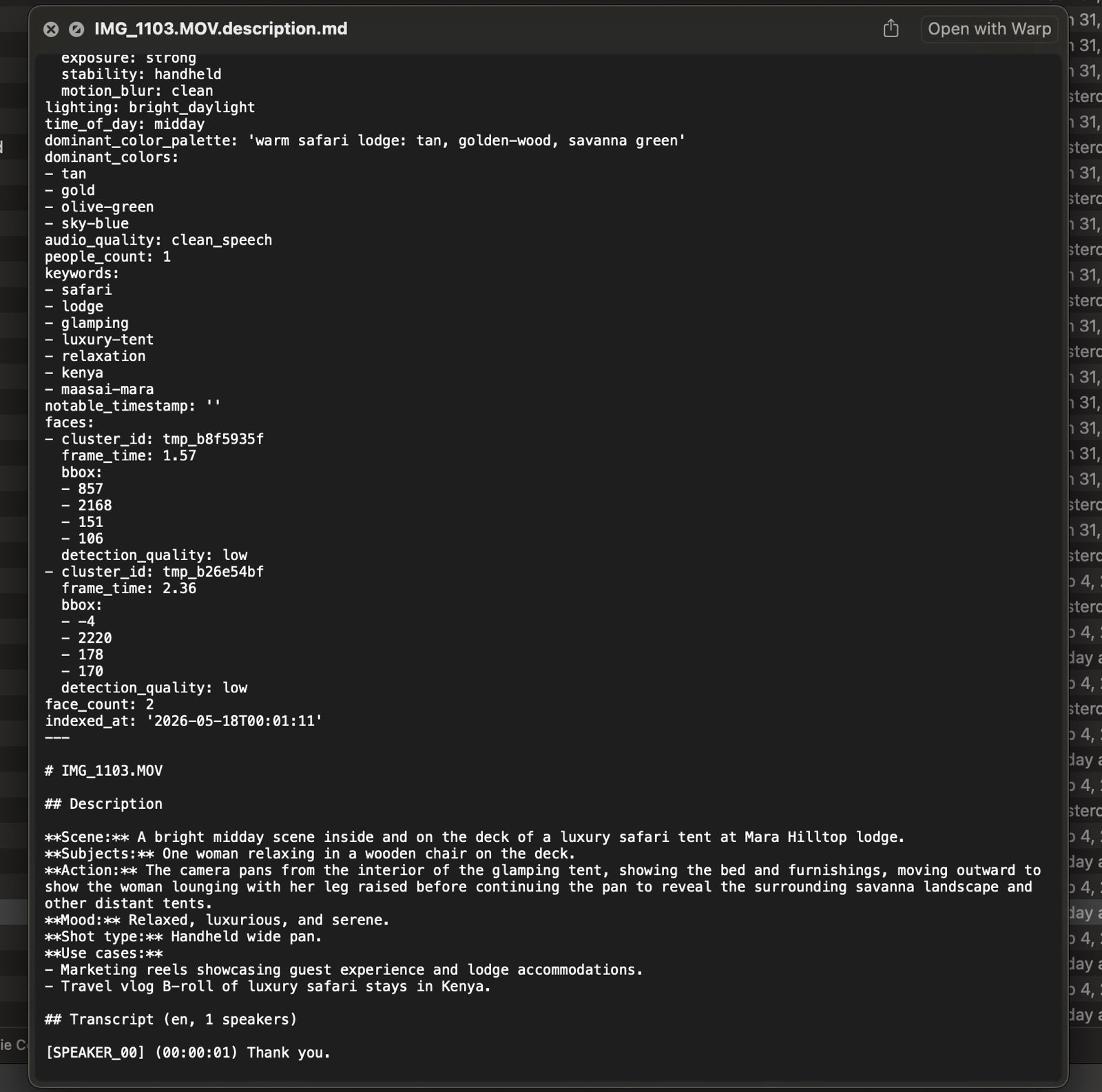
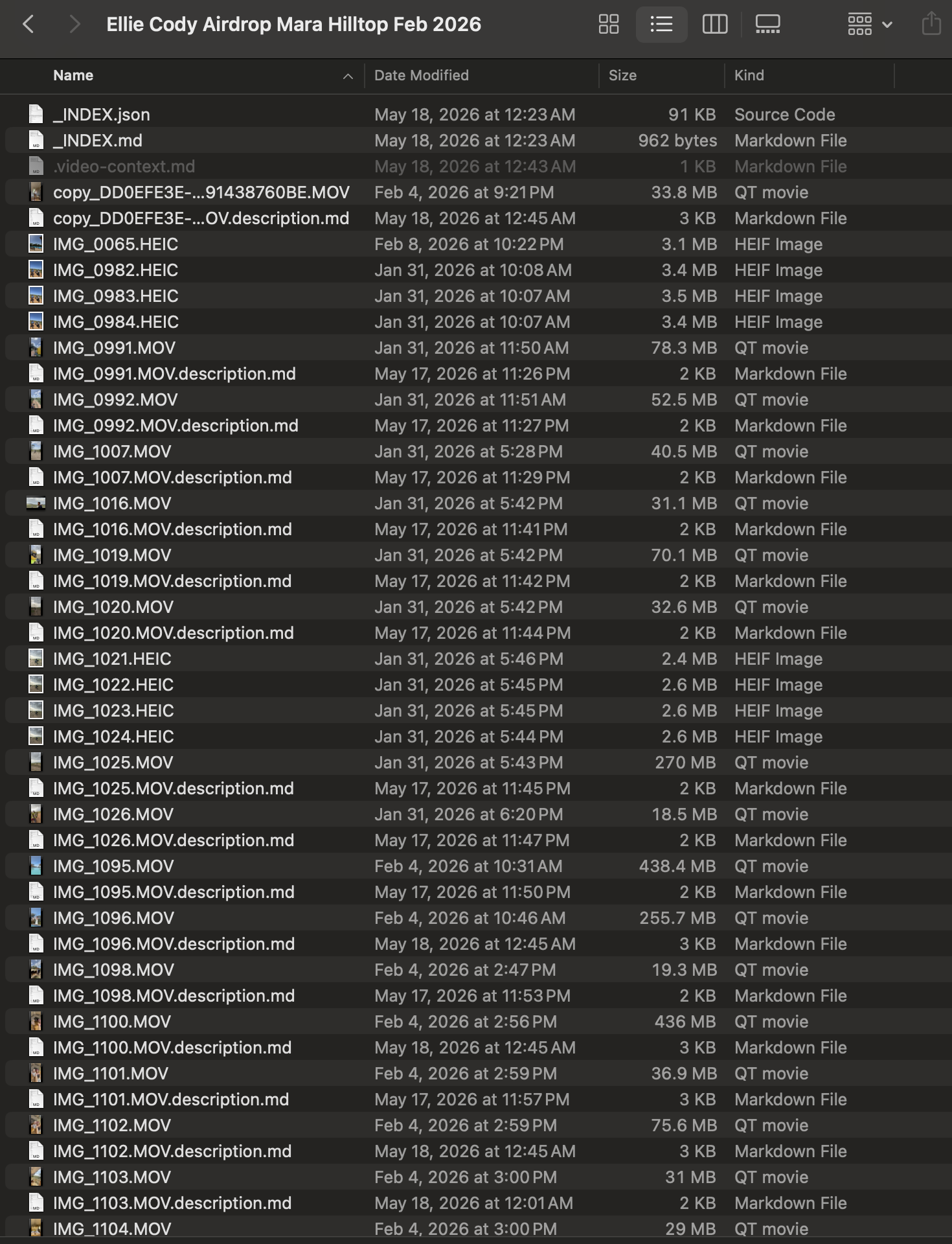
The solution: run Gemma4-31B locally to index the archive. The model generates sidecar files with YAML schema descriptions for each video, making the footage searchable before it ever hits the editor.
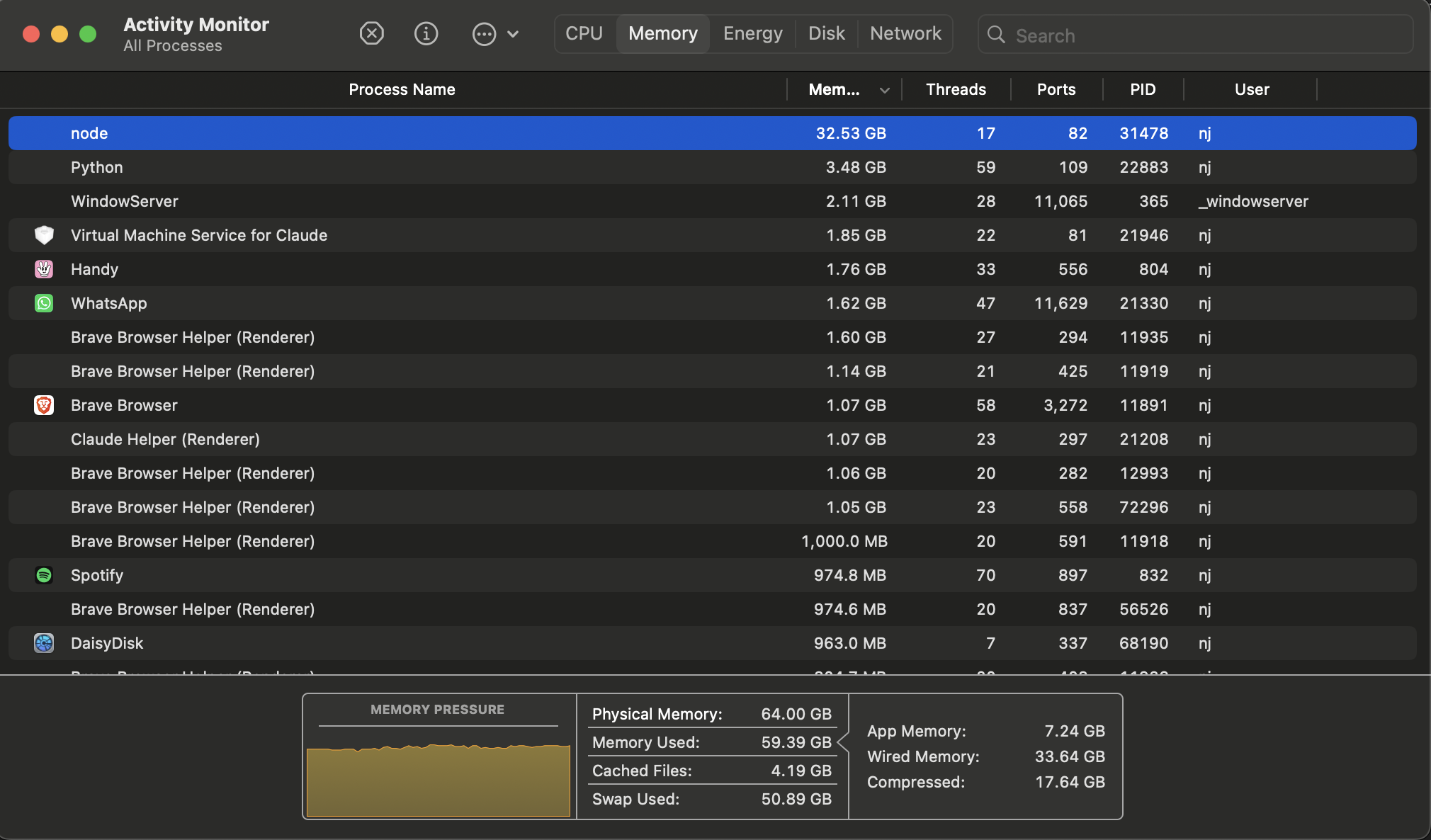
The hardware: a 2021 MacBook with 64GB of physical RAM. During indexing, the system used 50.89GB of swap. Not elegant, but functional.
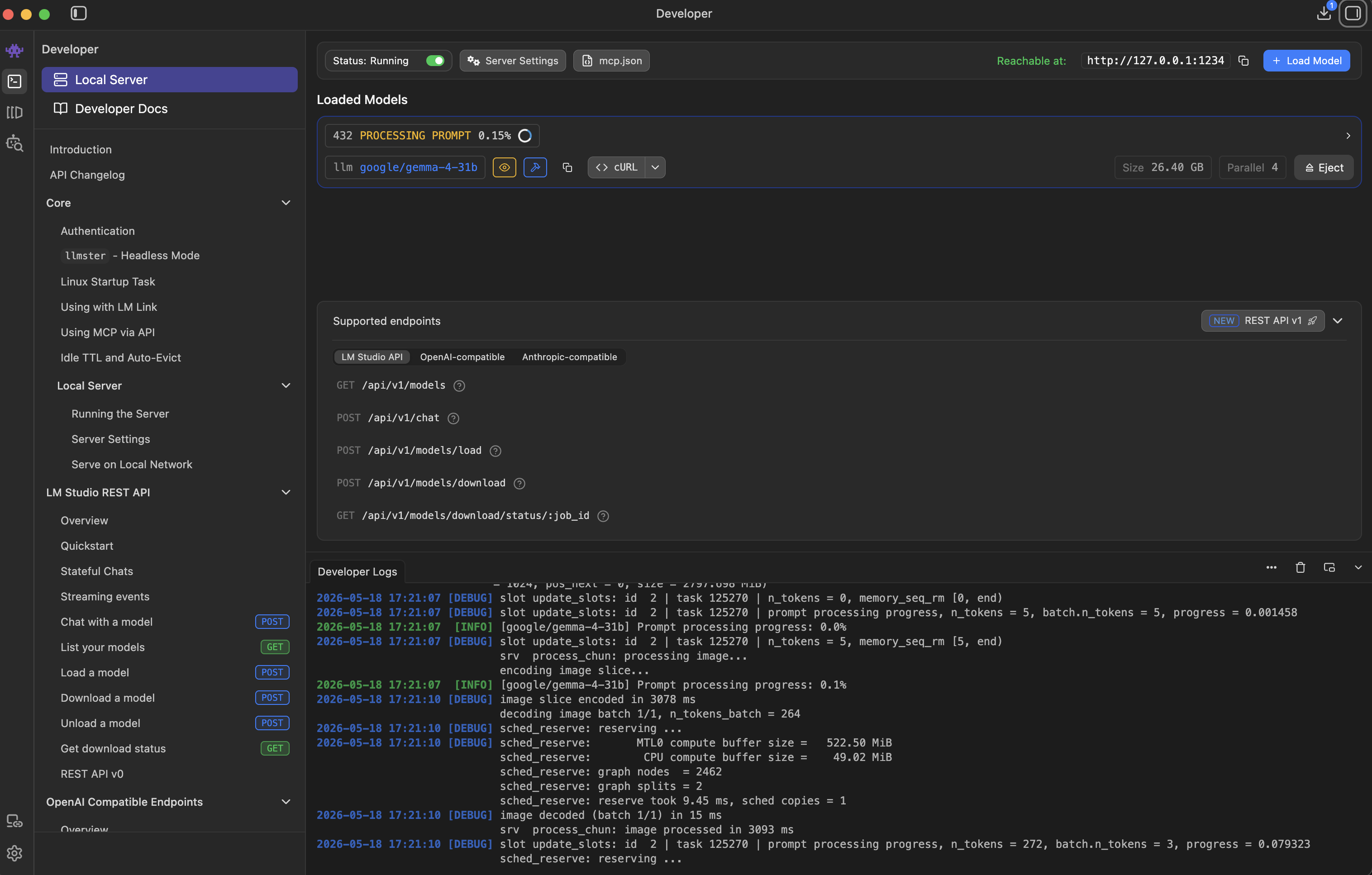
LM Studio loaded gemma-4-31b at 28.40GB, running a REST API at 127.0.0.1 for local processing. The model analyzed frames from each video and wrote structured metadata that pairs with the original files.
Why Local Beats Cloud for This Use Case
Uploading a year of video to cloud services would take days and cost hundreds in bandwidth and storage. Running the model locally means the footage never leaves the machine. Privacy aside, it's just faster for large archives.
The trade-off is obvious: 50GB of swap means the MacBook is basically unusable for anything else during indexing. This is an overnight job, not something you run while working.
The Real Workflow
The end-to-end workflow now looks like this: Gemma4-31B indexes raw footage overnight, generating searchable metadata. Claude Code drives DaVinci Resolve via MCP to pull clips matching specific queries. ElevenLabs adds voiceover where needed. Buffer handles posting.
Monthly cost: $22, down from the original $140 estimate. And the footage stays authentic. No AI-generated savannah sunsets that will get the lodge roasted on TripAdvisor.
Logicity's Take
What This Means for Media Archives
The core insight isn't about Gemma4-31B specifically. It's that AI video tools assume organized input, but most real archives are chaos. The indexing step is the missing piece. Without it, semantic search and smart bins are useless.
For anyone sitting on years of raw footage, the bottleneck isn't editing software. It's knowing what you have. Local AI models can solve that without uploading terabytes to someone else's servers.
Frequently Asked Questions
Can you run Gemma4-31B on a MacBook?
Yes, but it requires significant swap memory. The developer used a 2021 MacBook with 64GB RAM and 50GB of swap during indexing.
How much does local AI video indexing cost?
The setup costs about $22/month, replacing a $140/month SaaS stack, using DaVinci Resolve, Claude Code, and ElevenLabs.
Is generative AI video suitable for travel brands?
No. Guests paying for authentic experiences expect real footage. AI-generated content risks backlash on review platforms.
What is DaVinci Resolve MCP?
An open-source integration that lets Claude Code control DaVinci Resolve for automated video editing workflows.
How long does it take to index a year of video locally?
It's an overnight process. The MacBook is unusable during indexing due to heavy swap usage.
More on keeping your media consumption private
Need Help Implementing This?
Source: Hacker News: Best / NJ
Manaal Khan
Tech & Innovation Writer
اقرأ أيضاً

رأي مغاير: كيف يؤثر اختراق الأمن الداخلي الأميركي على شركاتنا الخاصة؟
في ظل اختراق عقود الأمن الداخلي الأميركي مع شركات خاصة، نناقش تأثير هذا الاختراق على مستقبل الأمن السيبراني. نستعرض الإحصاءات الموثوقة ونناقش كيف يمكن للشركات الخاصة أن تتعامل مع هذا التهديد. استمتع بقراءة هذا التحليل العميق

الإنسان في زمن ما بعد الوجود البشري: نحو نظام للتعايش بين الإنسان والروبوت - Centre for Arab Unity Studies
في هذا المقال، سنناقش كيف يمكن للبشر والروبوتات التعايش في نظام متكامل. سنستعرض التحديات والحلول المحتملة التي تضعها شركات مثل جوجل وأمازون. كما سنلقي نظرة على التوقعات المستقبلية وفقًا لتقرير ماكنزي

إطلاق ناسا لمهمة مأهولة إلى القمر: خطوة تاريخية نحو استكشاف الفضاء
تعتبر المهمة الجديدة خطوة هامة نحو استكشاف الفضاء وتطوير التكنولوجيا. سوف تشمل المهمة إرسال رواد فضاء إلى سطح القمر لconducting تجارب علمية. ستسهم هذه المهمة في تطوير فهمنا للفضاء وتحسين التكنولوجيا المستخدمة في استكشاف الفضاء.