Apple Seeks Intel, Samsung to Reduce TSMC Dependency
Key Takeaways
- Apple is in early-stage negotiations with Intel and Samsung for chip manufacturing
- Apple executives have visited Samsung's Texas factory, which will produce advanced chips
- The company recently merged hardware teams under Chief Hardware Officer Johny Srouji
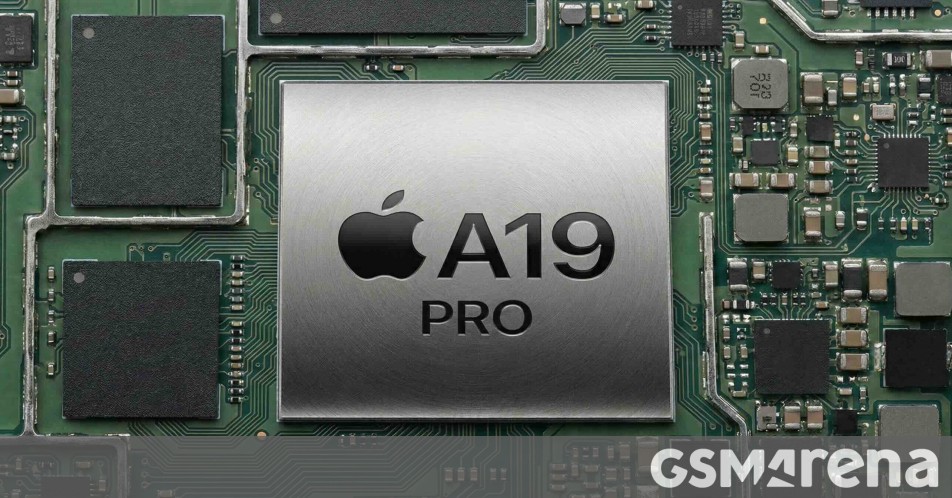
Apple's decade-long reliance on TSMC for chip manufacturing may be coming to an end. The company is in early negotiations with both Intel and Samsung to diversify its chip supply chain, according to multiple reports.
This marks a potential return to Intel, which Apple abandoned when it shifted MacBooks to its own silicon in 2020. The Taiwanese chipmaker TSMC has been Apple's sole chip supplier since 2014, when it began producing the Apple A8 chip.
Why Apple Is Moving Now
The urgency is real. Supply chain disruptions and a global chip shortage, made worse by surging demand from AI data centers, have exposed the risks of single-supplier dependency. Apple acknowledged this directly in its most recent earnings call, stating that relying on TSMC alone "might prove to be problematic in the future."
Apple has reportedly been exploring alternatives for some time. But the AI boom changed the timeline. TSMC's production capacity is stretched thin as every major tech company scrambles for advanced chips to power their AI infrastructure.
Samsung's Texas Bet
Key Apple executives have already visited Samsung's factory in Texas. The facility is expected to begin producing advanced chips relatively soon, making it a potential candidate for Apple's manufacturing needs.
Samsung has struggled to match TSMC's yields and production consistency in recent years. Winning Apple's business would be a significant validation of its manufacturing improvements.
Intel's Second Chance
The Intel negotiations are notable given the history. Apple famously dumped Intel chips from its Mac lineup starting in 2020, citing performance and power efficiency concerns. The switch to Apple Silicon was widely seen as a rebuke of Intel's stagnating chip development.
Intel has since invested heavily in its foundry business, aiming to manufacture chips for other companies. Landing Apple as a customer would be a major coup for CEO Pat Gelsinger's turnaround strategy.
Internal Reorganization
The supplier diversification effort coincides with a significant internal restructuring at Apple. The company recently merged its hardware engineering and hardware technologies teams under Johny Srouji, Apple's Chief Hardware Officer.
Srouji led Apple's transition to custom silicon and oversees the teams that design the A-series and M-series chips. Consolidating hardware leadership under him suggests Apple is preparing for a more complex manufacturing landscape with multiple suppliers.
The Scale Problem
Apple's main challenge is finding manufacturers who can deliver chips at the scale and consistency it requires. The company ships hundreds of millions of devices annually. Each iPhone, iPad, Mac, and Apple Watch contains Apple-designed chips.
TSMC has met these requirements for over a decade. Intel and Samsung have not proven they can match that performance. Both companies will need to demonstrate improved yields and production capacity to secure Apple orders.
Logicity's Take
Apple's TSMC dependency has been an open risk for years. The company ships too many devices to rely on a single supplier in a single country. Intel and Samsung both have something to prove here. Intel needs foundry customers to justify its pivot, and Samsung needs a win to stay relevant in advanced chip manufacturing. Apple has the leverage to get favorable terms from both.
What Happens Next
These negotiations are described as "early stage." Even if Apple reaches agreements with Intel or Samsung, it would take years before either could produce chips at meaningful scale for Apple devices.
TSMC will remain Apple's primary supplier for the foreseeable future. But the mere fact that Apple is actively courting alternatives signals a strategic shift. The era of TSMC exclusivity appears to be ending.
Related coverage on Apple's US manufacturing strategy
Frequently Asked Questions
Why is Apple looking for alternatives to TSMC?
Apple wants to reduce supply chain risk. Relying on a single chip supplier in Taiwan exposes the company to geopolitical tensions, natural disasters, and capacity constraints from AI-driven chip demand.
When did Apple stop using Intel chips?
Apple began transitioning away from Intel in 2020 with the launch of M1-powered Macs. The company cited better performance and power efficiency with its own silicon designs.
Where is Samsung's US chip factory?
Samsung has a semiconductor facility in Taylor, Texas, with additional operations in Austin. Apple executives have reportedly visited the Texas factory.
Could Intel or Samsung replace TSMC for Apple?
Not immediately. TSMC has the most advanced manufacturing processes and proven scale. Intel and Samsung would need to demonstrate consistent yields and production capacity before Apple would shift significant orders.
Who is Johny Srouji?
Johny Srouji is Apple's Chief Hardware Officer. He led the development of Apple Silicon and now oversees the merged hardware engineering and hardware technologies teams.
Need Help Implementing This?
Navigating supply chain diversification or chip sourcing decisions for your hardware products? Our team can help analyze your options and connect you with the right partners. Reach out to Logicity for expert guidance.
Source: GSMArena.com / Ro
Manaal Khan
Tech & Innovation Writer
اقرأ أيضاً

رأي مغاير: كيف يؤثر اختراق الأمن الداخلي الأميركي على شركاتنا الخاصة؟
في ظل اختراق عقود الأمن الداخلي الأميركي مع شركات خاصة، نناقش تأثير هذا الاختراق على مستقبل الأمن السيبراني. نستعرض الإحصاءات الموثوقة ونناقش كيف يمكن للشركات الخاصة أن تتعامل مع هذا التهديد. استمتع بقراءة هذا التحليل العميق

الإنسان في زمن ما بعد الوجود البشري: نحو نظام للتعايش بين الإنسان والروبوت - Centre for Arab Unity Studies
في هذا المقال، سنناقش كيف يمكن للبشر والروبوتات التعايش في نظام متكامل. سنستعرض التحديات والحلول المحتملة التي تضعها شركات مثل جوجل وأمازون. كما سنلقي نظرة على التوقعات المستقبلية وفقًا لتقرير ماكنزي

إطلاق ناسا لمهمة مأهولة إلى القمر: خطوة تاريخية نحو استكشاف الفضاء
تعتبر المهمة الجديدة خطوة هامة نحو استكشاف الفضاء وتطوير التكنولوجيا. سوف تشمل المهمة إرسال رواد فضاء إلى سطح القمر لconducting تجارب علمية. ستسهم هذه المهمة في تطوير فهمنا للفضاء وتحسين التكنولوجيا المستخدمة في استكشاف الفضاء.