Apple's New Anti-Snatch Feature Could Lock Your iPhone Mid-Theft
Key Takeaways
- Apple's upcoming feature uses accelerometer data to detect snatching motions and auto-lock the iPhone
- The system includes safeguards to prevent false lockouts on trusted Wi-Fi networks or familiar locations
- No release date announced, but the feature extends Apple's existing Stolen Device Protection
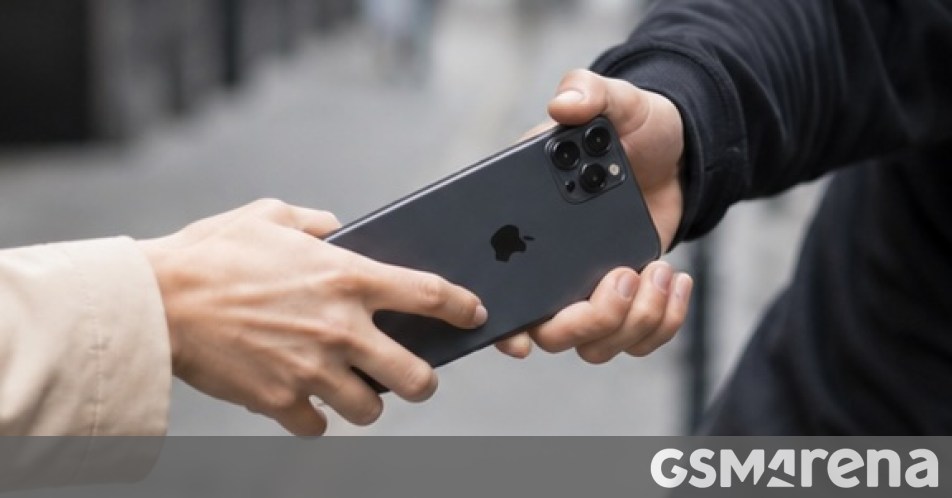
Apple is working on a feature that could lock your iPhone the moment someone snatches it from your hand. The company is developing an anti-theft system that uses the device's built-in accelerometer to detect the sudden, jerky motion of a grab-and-run theft.
The feature works similarly to Android's Theft Detection Lock, which Google rolled out in 2024. When the iPhone's sensors detect movement patterns consistent with snatching, the device automatically locks itself. This closes the window thieves rely on: the seconds between when you unlock your phone and when it's ripped from your grip.
How It Prevents False Lockouts
Apple isn't just copying Android's approach. The company is adding safeguards borrowed from its existing Stolen Device Protection feature to reduce accidental lockouts. The system checks whether your iPhone is connected to a trusted Wi-Fi network or in a familiar location. If you're at home or work, the auto-lock won't trigger even if you make a sudden movement.
This addresses a real concern. Early reactions on Reddit's r/Apple forum show users worried about false positives from jogging, accidental drops, or getting bumped on crowded trains. Apple's location-aware approach should filter out most of these scenarios.
“Security is a cat-and-mouse game; Apple's move to leverage motion hardware is the logical evolution to closing the window of opportunity thieves rely on.”
— Sarah Chen, Senior Mobile Security Analyst at TechInsight
The Technical Implementation
Modern smartphones pack accelerometers capable of measuring sudden directional changes with high precision. According to research on similar systems, the sensor fusion engine can detect a snatch event and initiate a lock sequence in approximately 120 milliseconds. That's faster than most thieves can swipe to a home screen.
Discussions on Hacker News have focused on the privacy implications of continuous accelerometer monitoring. Apple has historically processed sensor data on-device rather than in the cloud, which would likely apply here. The company hasn't commented on the feature's technical architecture.
Part of a Broader Anti-Theft Strategy
This feature extends Apple's Stolen Device Protection, introduced in iOS 17.3. That update added biometric requirements and time delays before thieves could change critical settings like Apple ID passwords. The new snatch detection adds a proactive layer. Instead of slowing down thieves after they have your phone, it aims to make the device useless immediately.
The timing makes sense. Smartphone theft remains a significant problem in major cities. Stolen Device Protection reportedly reduced iPhone theft reports by 40% in regions where it first rolled out. A feature that locks phones mid-theft could push that number higher.
When Will It Launch?
Apple hasn't announced a release date. The feature is expected to be part of iOS 27, with a potential announcement at WWDC 2026. Code strings referencing the feature have reportedly appeared in beta builds, suggesting active development.
Whether the feature will be on by default or require user opt-in remains unclear. Given Apple's history with Stolen Device Protection, expect a toggle in Settings with clear explanations of what it does and when it activates.
Logicity's Take
Frequently Asked Questions
How does Apple's anti-snatch feature detect theft?
The feature uses the iPhone's accelerometer to identify sudden, jerky movements consistent with someone grabbing the phone from your hand. When detected, it automatically locks the device.
Will the anti-snatch feature cause false lockouts?
Apple is adding safeguards to prevent this. The system checks if you're connected to a trusted Wi-Fi network or in a familiar location before triggering. This should filter out false positives from jogging, drops, or bumps on public transit.
When will Apple release the anti-snatch feature?
No official date has been announced. The feature is expected to arrive with iOS 27, potentially announced at WWDC 2026.
Does Android have a similar theft detection feature?
Yes. Google's Theft Detection Lock uses similar accelerometer-based detection and has been available on Android devices since 2024.
How is this different from Stolen Device Protection?
Stolen Device Protection adds delays and biometric requirements after theft. The anti-snatch feature is proactive. It locks the phone during the theft itself, before a thief can access anything.
More on protecting your devices and privacy
Need Help Implementing This?
Source: GSMArena.com / Siddharth
Manaal Khan
Tech & Innovation Writer
اقرأ أيضاً

رأي مغاير: كيف يؤثر اختراق الأمن الداخلي الأميركي على شركاتنا الخاصة؟
في ظل اختراق عقود الأمن الداخلي الأميركي مع شركات خاصة، نناقش تأثير هذا الاختراق على مستقبل الأمن السيبراني. نستعرض الإحصاءات الموثوقة ونناقش كيف يمكن للشركات الخاصة أن تتعامل مع هذا التهديد. استمتع بقراءة هذا التحليل العميق

الإنسان في زمن ما بعد الوجود البشري: نحو نظام للتعايش بين الإنسان والروبوت - Centre for Arab Unity Studies
في هذا المقال، سنناقش كيف يمكن للبشر والروبوتات التعايش في نظام متكامل. سنستعرض التحديات والحلول المحتملة التي تضعها شركات مثل جوجل وأمازون. كما سنلقي نظرة على التوقعات المستقبلية وفقًا لتقرير ماكنزي

إطلاق ناسا لمهمة مأهولة إلى القمر: خطوة تاريخية نحو استكشاف الفضاء
تعتبر المهمة الجديدة خطوة هامة نحو استكشاف الفضاء وتطوير التكنولوجيا. سوف تشمل المهمة إرسال رواد فضاء إلى سطح القمر لconducting تجارب علمية. ستسهم هذه المهمة في تطوير فهمنا للفضاء وتحسين التكنولوجيا المستخدمة في استكشاف الفضاء.