6 Linux distros that make switching from Windows easy in 2026
Key Takeaways
- Linux now holds 5.33% of the Steam gaming market, a record high driven by Proton 11 and improved driver support
- Immutable distros like Fedora Silverblue represent a major architectural shift toward desktop stability
- Windows 11's strict hardware requirements and telemetry concerns are pushing users toward Linux alternatives
Linux holds 5.33% of the Steam gaming market as of March 2026, the highest share ever recorded. That number matters because gaming was the last major barrier keeping desktop Linux in the enthusiast corner. With Proton 11 and mature Wayland implementations, that barrier is effectively gone.
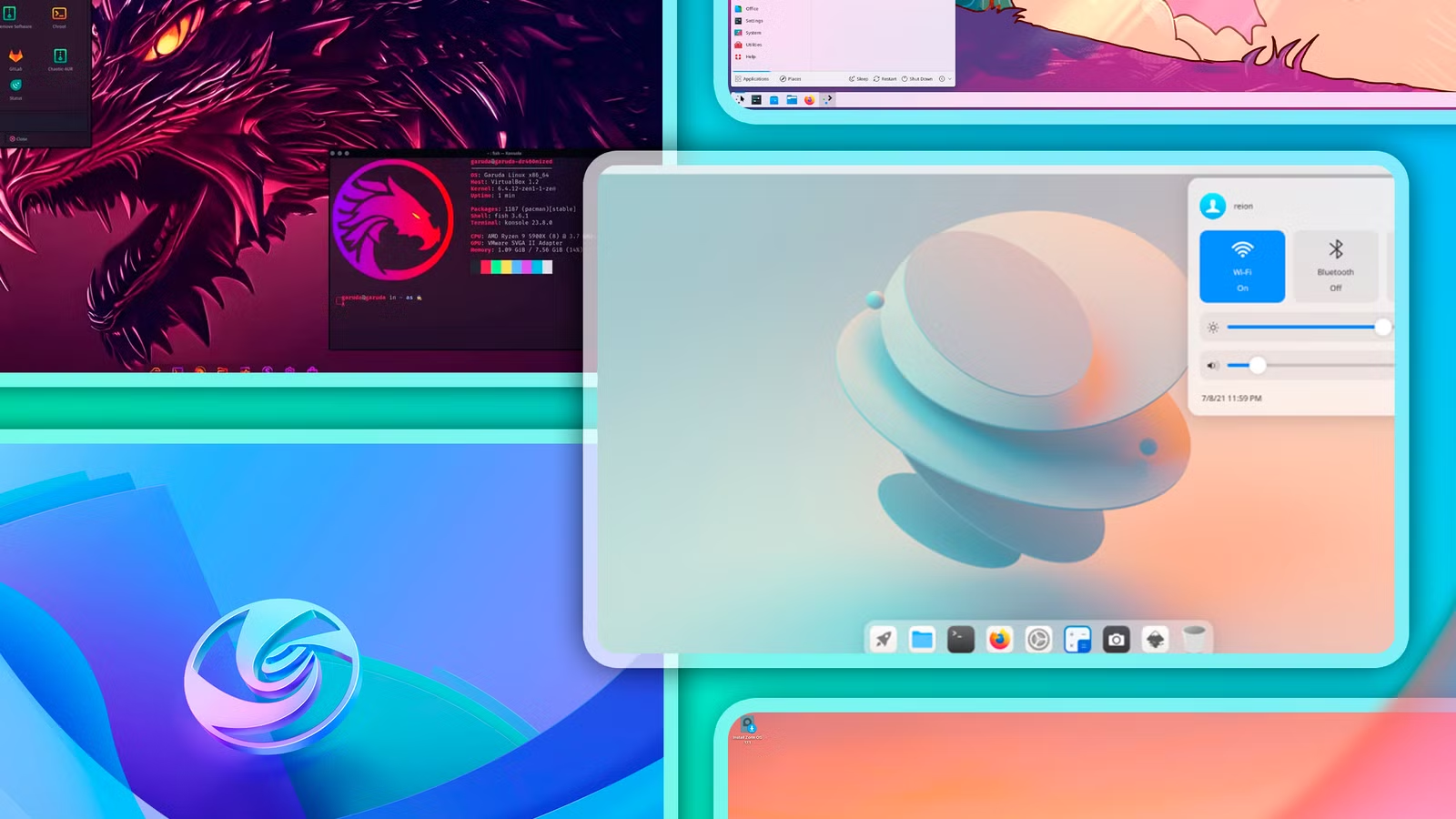
How-To Geek's Bobby Jack recently highlighted six distributions that demonstrate just how far the Linux desktop has come. The selection spans performance-optimized gaming machines, beginner-friendly environments, and rock-solid immutable systems. Each solves a specific problem that kept potential users on Windows.
The timing is not accidental. Windows 11's strict TPM 2.0 and Secure Boot requirements left millions of perfectly functional PCs unable to upgrade. Microsoft's aggressive telemetry and Start menu ads have frustrated users who remember when operating systems stayed out of the way. Linux offers an alternative that respects older hardware and user preferences.
CachyOS: The gaming performance king
CachyOS currently sits at the top of DistroWatch's popularity rankings, and for good reason. Built on Arch Linux, it ships with CPU-specific optimizations that squeeze extra performance from your hardware. The focus on gaming shows in every design decision.
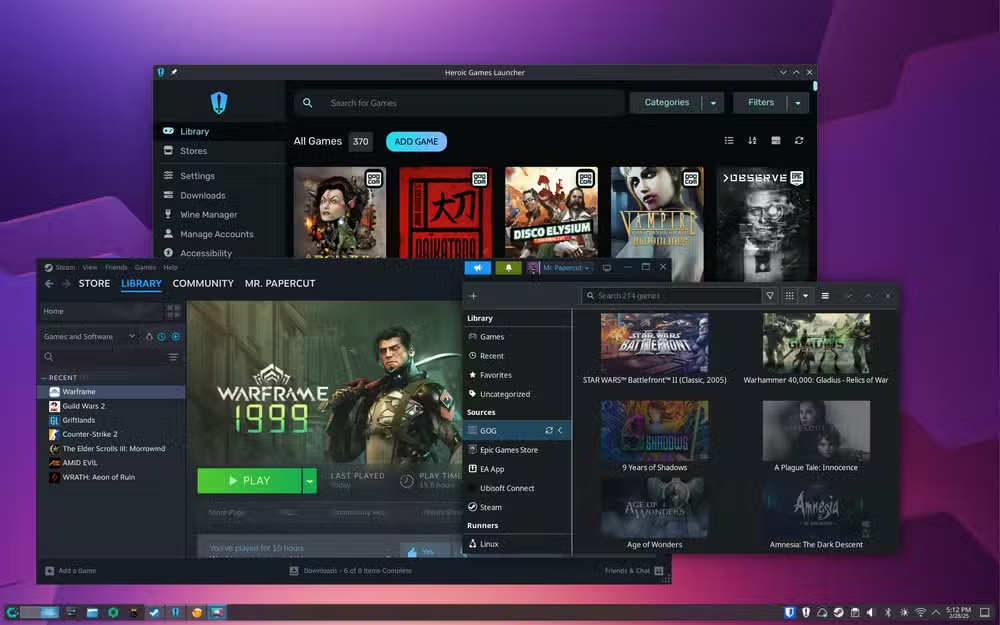
Arch's reputation for difficulty kept casual users away for years. CachyOS changes that with a polished installer while preserving the customization options power users expect. For those not ready to abandon Windows entirely, CachyOS supports running both operating systems without traditional dual-boot hassles.
Pop!_OS brings the Rust-powered COSMIC desktop
System76's Pop!_OS stands out for its COSMIC desktop environment, written entirely in Rust. That choice prioritizes memory safety and performance, addressing two persistent criticisms of Linux desktop environments.
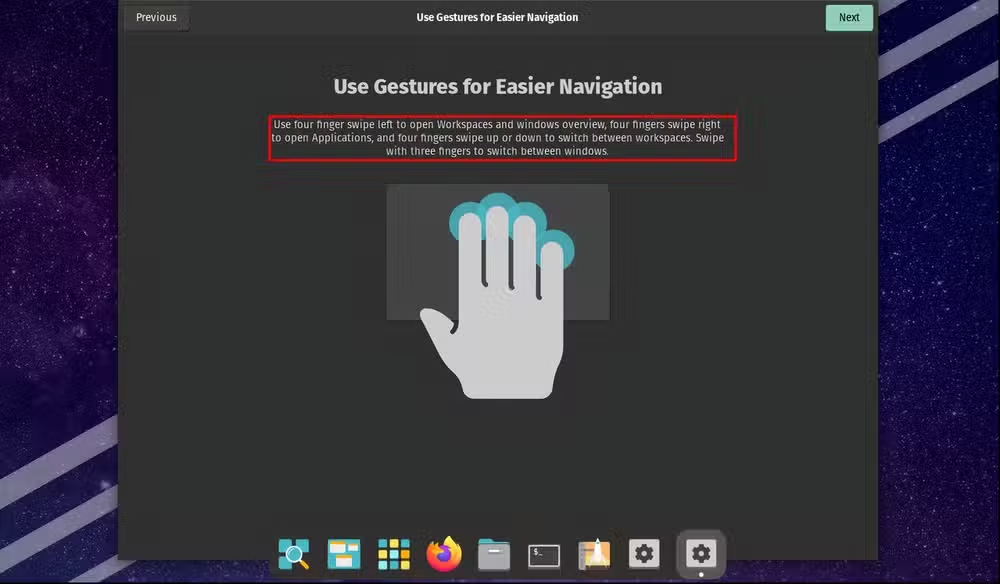
Auto-tiling, keyboard navigation, and built-in disk encryption appeal to developers and power users. Native GPU drivers make it a strong choice for gamers. The combination gives Pop!_OS broad appeal across user types, from first-time Linux users to professionals who live in the terminal.
Fedora Silverblue: Immutable architecture for stability
Fedora Silverblue represents a different philosophy. Its atomic, immutable design isolates the core system from user modifications. Every installation of a specific version is identical to every other installation. You cannot accidentally break your system by tinkering.
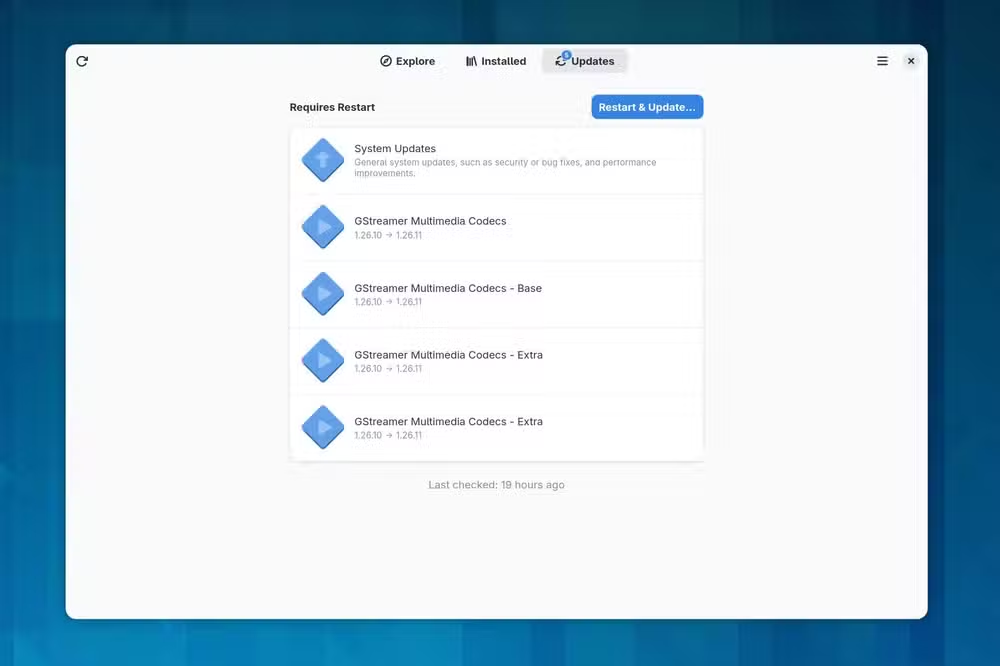
Applications run in Flatpak containers, separated from the base system. Updates happen atomically. If something goes wrong, you roll back to the previous state. This approach mirrors what mobile operating systems have done for years, and it's catching on.
Silverblue defaults to GNOME, but Fedora offers atomic variants for other desktops: Kinoite for KDE Plasma, Sway Atomic for tiling enthusiasts, and COSMIC Atomic for those who prefer System76's approach.
Linux Mint still converts Windows users after 20 years
Linux Mint turns 20 this year, and its core mission remains unchanged: make Linux familiar for Windows refugees. The Cinnamon desktop looks and feels like what Windows users expect, with a taskbar, start menu, and system tray in the expected places.
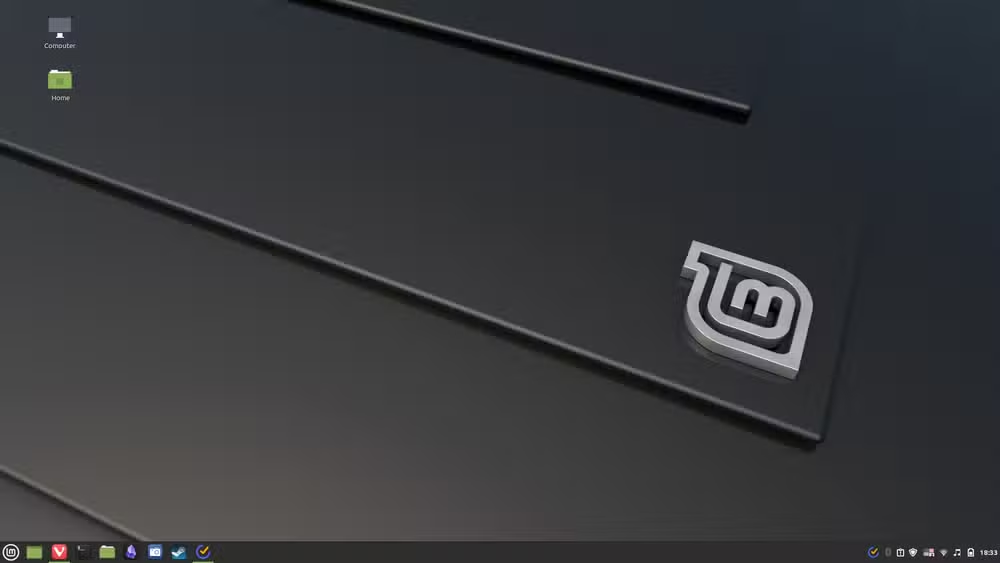
Mint's original innovation was bundling proprietary drivers and codecs out of the box. No hunting for media playback support or Wi-Fi drivers. That pragmatism made it the default recommendation for Linux beginners, a position it still holds.
The distribution requires zero command-line knowledge for daily use. A large community provides support for the occasional dependency issue. For someone whose needs are web browsing, office work, and media consumption, Mint handles everything Windows does.
Debian: 30 years of proof that Linux endures
Debian is over 30 years old. It remains in the top five most-used distributions according to DistroWatch. That longevity matters for organizations worried about betting on software that might disappear.
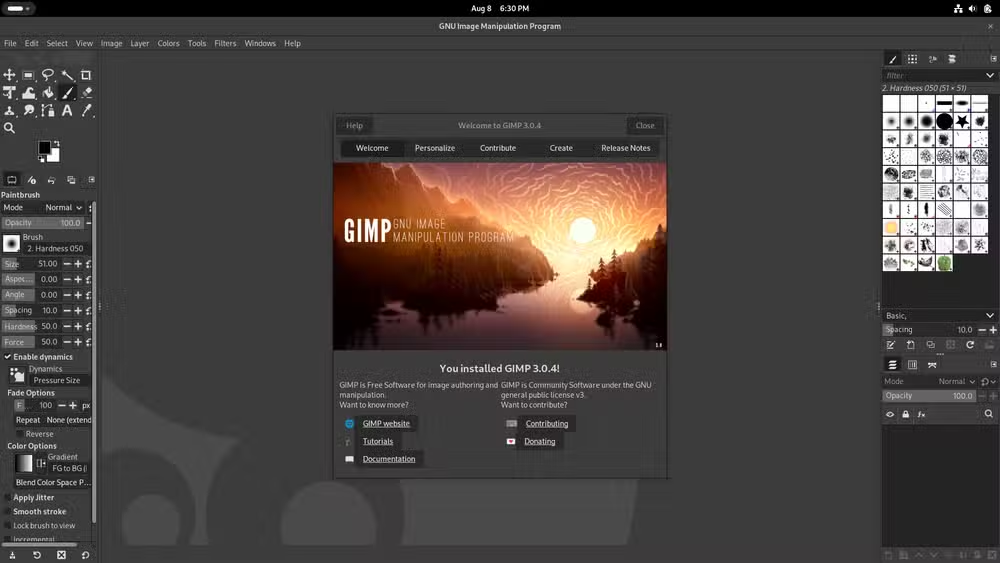
The project's stability-first approach means slower feature adoption but fewer surprises. Servers run Debian for years without intervention. Desktop users who prioritize reliability over cutting-edge features find the same value.
Why gaming drove mainstream Linux adoption
Mark Jansen, a senior engineer at GamingOpenSource, put it bluntly: "With Proton 11 and kernel-level synchronization improvements, we've effectively neutralized the performance tax of playing games on non-Windows platforms."
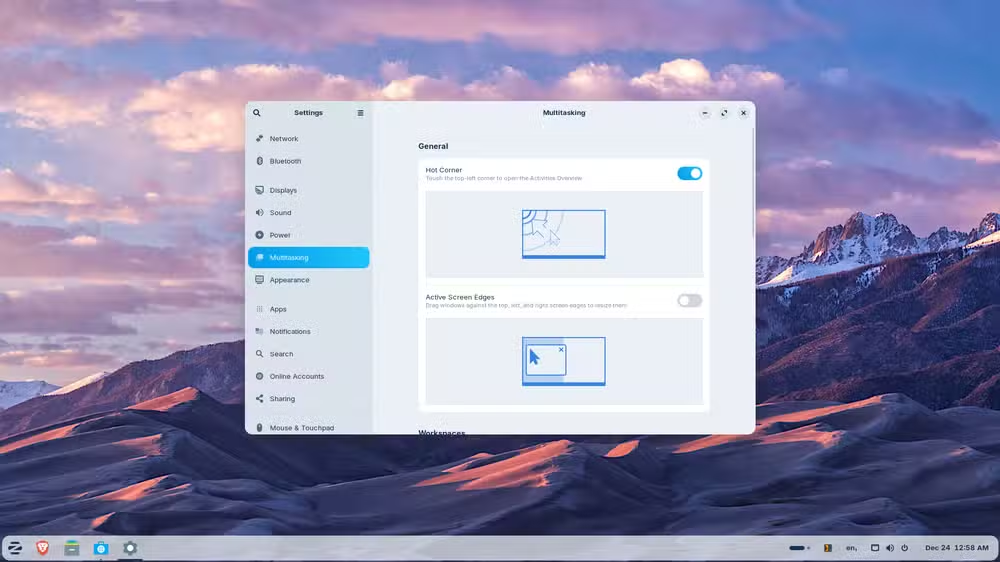
The Steam Deck deserves significant credit here. Valve's handheld runs Arch Linux, and its success proved that a Linux-based gaming device could compete with consoles. Every Steam Deck owner is a Linux user, whether they think of themselves that way or not.
NVIDIA's improved Linux driver support removed another historical pain point. For years, NVIDIA users on Linux dealt with inferior open-source drivers or proprietary blobs that broke on kernel updates. That situation has improved substantially.
Regional adoption tells a different story
Global averages understate what's happening in specific markets. Linux desktop adoption in India has reached 16.21%, dramatically higher than North American or European figures. Cost-conscious markets where Windows licenses represent a larger portion of system cost see faster Linux adoption.
Reddit communities like r/linuxmasterrace and r/linux_gaming have seen a surge of "I finally switched" posts. The common thread: Windows 11's forced telemetry and advertisements pushed users past their tolerance threshold. Linux offers an escape.
More open-source software alternatives for professional workflows
What's still missing?
Fragmentation remains Linux's biggest challenge. The existence of hundreds of distributions confuses newcomers who just want someone to tell them what to install. The six distros highlighted here represent sensible defaults for different use cases, but that guidance isn't obvious to outsiders.
Certain professional software has no Linux equivalent. Adobe Creative Cloud doesn't run natively. Some enterprise security tools assume Windows. These gaps shrink each year but still exist.
Hardware support, while vastly improved, occasionally surprises users. A specific fingerprint reader or webcam might lack drivers. Doing pre-installation research on your specific hardware prevents frustration.
Frequently Asked Questions
Which Linux distro is best for beginners switching from Windows?
Linux Mint offers the smoothest transition. Its Cinnamon desktop mimics Windows layouts, it bundles necessary drivers and codecs, and it requires no command-line knowledge for daily use.
Can I play Windows games on Linux in 2026?
Yes. Proton 11 and Steam's compatibility layer run most Windows games with minimal performance difference. CachyOS and Pop!_OS are optimized for gaming workloads.
What is an immutable Linux distro?
An immutable distro like Fedora Silverblue keeps its core system read-only and identical across installations. Applications run in containers. If an update breaks something, you roll back instantly.
Is Linux faster than Windows 11?
Generally yes, especially on older hardware. Linux distros have lower resource overhead and no background telemetry processes. CachyOS specifically optimizes for CPU-specific performance gains.
How do I know if my hardware works with Linux?
Check your specific laptop or components on the Arch Wiki or Ubuntu's certified hardware list before installing. Most modern hardware works, but specific peripherals occasionally lack drivers.
Logicity's Take
The "Year of the Linux Desktop" meme has outlived its usefulness. What's actually happened is quieter and more significant: Linux became a normal choice rather than a statement. The combination of Windows 11's hardware gatekeeping, Valve's Steam Deck normalizing Linux gaming, and immutable architectures solving the "I broke my system" problem created conditions where ordinary users can switch without becoming Linux evangelists. The question is no longer whether Linux is ready. It's whether Microsoft will notice the slow bleed.
Need Help Implementing This?
Considering a Linux migration for your team or organization? Logicity connects you with IT consultants who specialize in enterprise Linux deployments, from hardware compatibility audits to user training. Contact us to find the right expertise for your transition.
Source: How-To Geek
Manaal Khan
Tech & Innovation Writer
اقرأ أيضاً

استدعاءات يونيو 2026 للسيارات: Ford وHonda وToyota تسحب ملايين المركبات من الأسواق
سجّلت الهيئة الوطنية الأمريكية لسلامة المرور على الطرق السريعة NHTSA أكثر من 300 استدعاء للسلامة شملت أكثر من 100 شركة مصنّعة منذ بداية عام 2026، لكن استدعاءات يونيو 2026 للسيارات جاءت الأضخم والأخطر.

رأي مغاير: كيف يؤثر اختراق الأمن الداخلي الأميركي على شركاتنا الخاصة؟
في ظل اختراق عقود الأمن الداخلي الأميركي مع شركات خاصة، نناقش تأثير هذا الاختراق على مستقبل الأمن السيبراني. نستعرض الإحصاءات الموثوقة ونناقش كيف يمكن للشركات الخاصة أن تتعامل مع هذا التهديد. استمتع بقراءة هذا التحليل العميق

الإنسان في زمن ما بعد الوجود البشري: نحو نظام للتعايش بين الإنسان والروبوت - Centre for Arab Unity Studies
في هذا المقال، سنناقش كيف يمكن للبشر والروبوتات التعايش في نظام متكامل. سنستعرض التحديات والحلول المحتملة التي تضعها شركات مثل جوجل وأمازون. كما سنلقي نظرة على التوقعات المستقبلية وفقًا لتقرير ماكنزي