6 Linux Distros That Dominated, Then Disappeared
Key Takeaways
- Mandrake Linux pioneered user-friendly installation in 1998 but fell victim to trademark disputes and financial struggles
- Ubuntu absorbed much of the desktop Linux audience while containers changed server deployments
- Several once-dominant distributions now exist only on the fringes of the Linux ecosystem
The Wild West Era of Linux
Linux was chaotic in the late 1990s and early 2000s. Hundreds of distributions emerged with bold ambitions: dethrone Windows, make open-source software accessible to everyday users, and redefine what a personal computer could be.
As floppy disks gave way to LiveCDs, each new distro carried the promise of a better, freer operating system. Some gained serious momentum. They built large communities, appeared on magazine cover discs, and inspired intense loyalty across enthusiast forums.
Then the landscape shifted. Ubuntu absorbed much of the desktop Linux audience. Enterprise adoption narrowed around a smaller group of dominant distributions. Containers fundamentally changed the server world. The distros that once commanded huge attention now exist only on the fringes or have faded altogether.
Mandrake Linux: The People's Distro, Briefly
Before user-friendly operating systems became common in the open-source world, installing alternative software required a frightening amount of technical knowledge and patience. In 1998, Gaël Duval shifted the conversation with Mandrake Linux.
Mandrake came with DrakX, a graphical installer that guided users through partitioning and system setup in a way that felt visual and approachable rather than cryptic. It also made a bold call by shipping the K Desktop Environment by default at a time when licensing concerns made many projects hesitant.
Those decisions gave the distribution a welcoming personality that drew in a huge global user base. The momentum didn't last. A trademark dispute involving the comic character Mandrake the Magician forced a rebrand. Financial troubles followed. Today, its successor Mandriva exists in name only.
Caldera OpenLinux: Enterprise Dreams Cut Short
Caldera OpenLinux targeted business users when most Linux distros focused on hobbyists and developers. The company bundled commercial applications and offered professional support, positioning itself as a serious alternative to Windows NT.
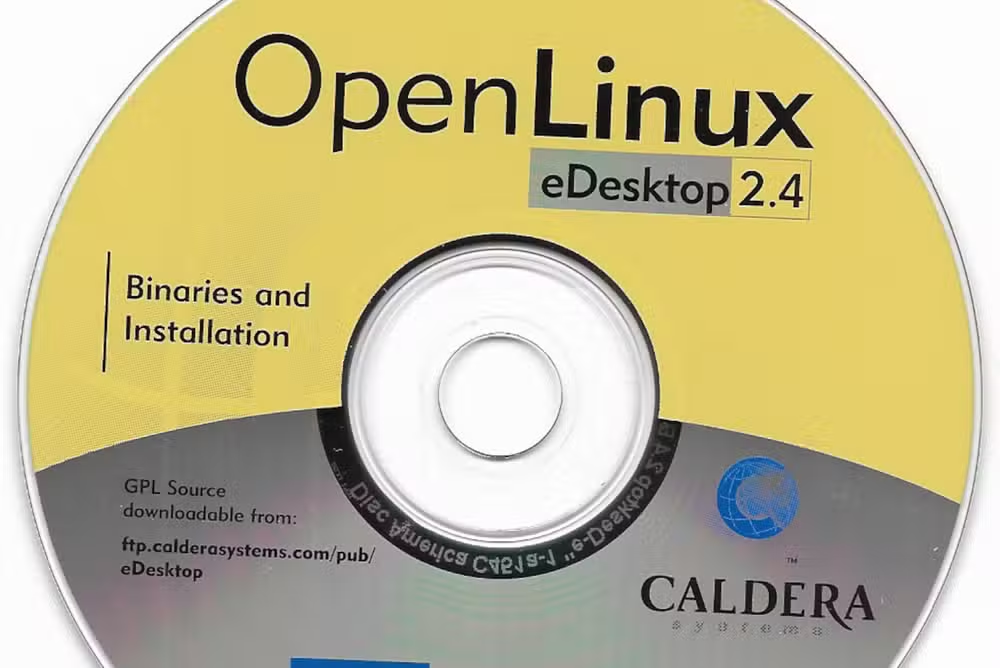
The strategy worked for a while. Caldera gained traction in corporate environments looking to reduce licensing costs. But the company pivoted to litigation, suing IBM over alleged SCO Unix copyright violations. The lawsuits drained resources and goodwill. By the time courts ruled against most of Caldera's claims, the company had alienated the open-source community and lost its market position.
Yellow Dog Linux: PowerPC's Champion
Yellow Dog Linux filled a specific niche: it ran on PowerPC processors, making it the go-to Linux distribution for Mac users who wanted to dual-boot or escape Apple's ecosystem entirely.
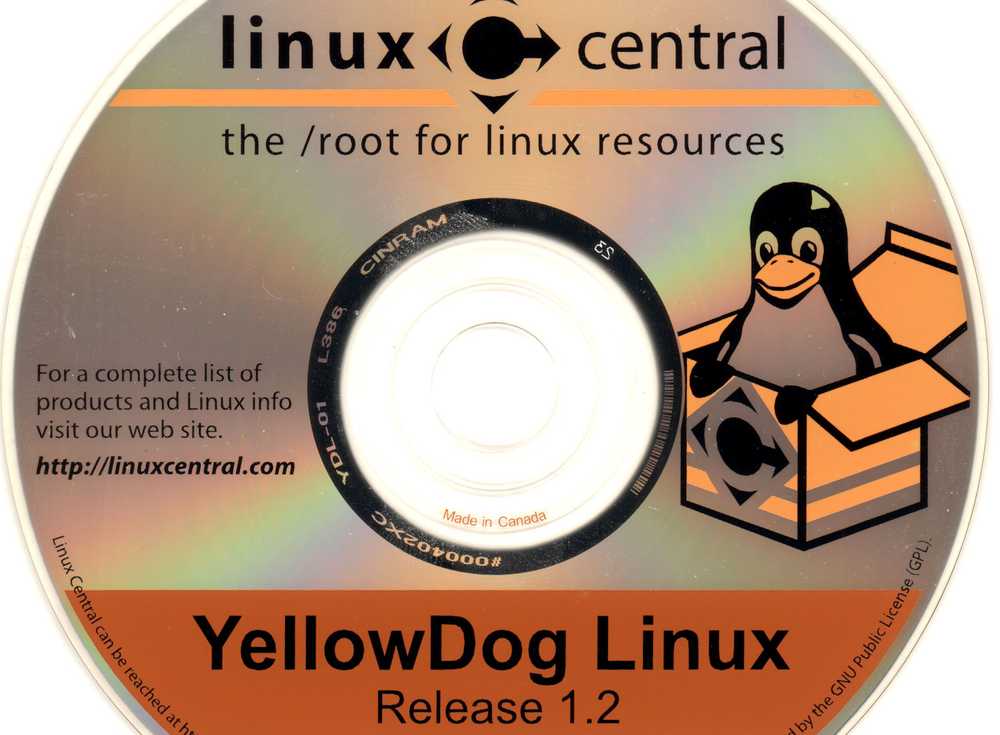
The distribution built a loyal following among developers and enthusiasts who appreciated its PowerPC optimization. Then Apple switched to Intel processors in 2006. Yellow Dog's primary use case evaporated almost overnight. While the project attempted to pivot toward PlayStation 3 and embedded systems, it never recaptured its earlier momentum.
Knoppix: The LiveCD Pioneer
Klaus Knopper created Knoppix in 2000 with a simple premise: boot Linux directly from a CD without installing anything. The concept was transformative. System administrators used it for recovery. Curious users could try Linux without risking their Windows installation.
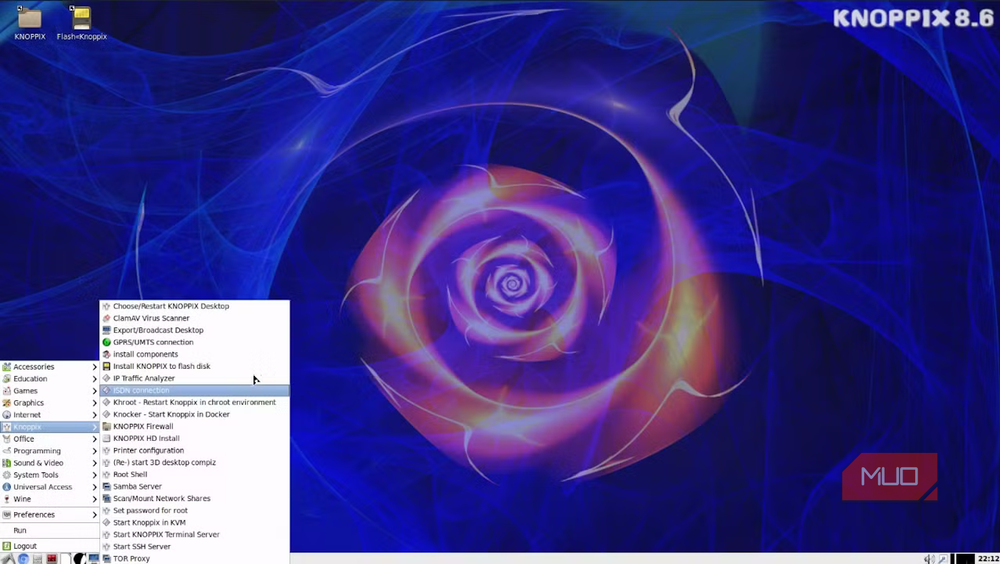
Knoppix became the standard for LiveCD distributions. Magazine cover discs featured it regularly. Tech support professionals carried Knoppix CDs everywhere. But as USB booting became standard and other distributions adopted live boot capabilities, Knoppix's unique advantage disappeared. Ubuntu and others absorbed its innovation.
CentOS: Red Hat's Free Twin
CentOS offered something valuable: binary compatibility with Red Hat Enterprise Linux without the subscription fees. Companies ran production servers on CentOS, confident they were getting enterprise-grade stability at zero licensing cost.
Red Hat acquired the CentOS project in 2014, initially promising to maintain the free downstream model. Then in 2020, Red Hat announced CentOS Linux would end, replaced by CentOS Stream, a rolling-release that sits upstream of RHEL rather than downstream. The change broke the implicit promise that attracted CentOS users. Rocky Linux and AlmaLinux emerged to fill the gap.
What These Fades Tell Us
Each of these distributions faced a common pattern. They solved a real problem at the right moment. They built communities around that solution. Then the underlying conditions changed, and they couldn't adapt fast enough.
- Technology shifts killed niche advantages (Yellow Dog lost when Apple switched to Intel)
- Legal battles drained resources (Caldera's SCO lawsuits)
- Innovations got absorbed by larger projects (Knoppix's LiveCD concept became standard)
- Corporate ownership changed priorities (CentOS Stream pivot)
The consolidation continues. Today's Linux landscape clusters around a handful of major distributions: Ubuntu and its derivatives for desktop, RHEL and its forks for enterprise, Debian for servers. The wild experimentation of the early 2000s has settled into a more stable ecosystem.
Logicity's Take
Frequently Asked Questions
What happened to Mandrake Linux?
Mandrake Linux faced trademark disputes and financial struggles. It rebranded to Mandriva, which later went bankrupt. The project's innovations were absorbed by other distributions.
Why did CentOS lose popularity?
Red Hat shifted CentOS from a downstream rebuild of RHEL to an upstream rolling release called CentOS Stream in 2020. This broke compatibility guarantees that attracted enterprise users. Rocky Linux and AlmaLinux emerged as replacements.
What replaced Knoppix for live booting Linux?
Most major distributions now include live boot capabilities. Ubuntu, Fedora, and Linux Mint all offer LiveUSB options that provide the same functionality Knoppix pioneered.
Are any once-popular Linux distros still maintained?
Some continue in reduced form. Knoppix still releases updates occasionally. Mandriva's code lives on through forks like OpenMandriva. But none command the user bases they once had.
What Linux distros dominate today?
Ubuntu leads desktop Linux. RHEL, Rocky Linux, and AlmaLinux dominate enterprise servers. Debian remains popular for web servers. Container-based deployments often use minimal images from Alpine or Debian.
Practical Linux tips for current users
Need Help Implementing This?
Source: MakeUseOf
Manaal Khan
Tech & Innovation Writer
اقرأ أيضاً

رأي مغاير: كيف يؤثر اختراق الأمن الداخلي الأميركي على شركاتنا الخاصة؟
في ظل اختراق عقود الأمن الداخلي الأميركي مع شركات خاصة، نناقش تأثير هذا الاختراق على مستقبل الأمن السيبراني. نستعرض الإحصاءات الموثوقة ونناقش كيف يمكن للشركات الخاصة أن تتعامل مع هذا التهديد. استمتع بقراءة هذا التحليل العميق

الإنسان في زمن ما بعد الوجود البشري: نحو نظام للتعايش بين الإنسان والروبوت - Centre for Arab Unity Studies
في هذا المقال، سنناقش كيف يمكن للبشر والروبوتات التعايش في نظام متكامل. سنستعرض التحديات والحلول المحتملة التي تضعها شركات مثل جوجل وأمازون. كما سنلقي نظرة على التوقعات المستقبلية وفقًا لتقرير ماكنزي

إطلاق ناسا لمهمة مأهولة إلى القمر: خطوة تاريخية نحو استكشاف الفضاء
تعتبر المهمة الجديدة خطوة هامة نحو استكشاف الفضاء وتطوير التكنولوجيا. سوف تشمل المهمة إرسال رواد فضاء إلى سطح القمر لconducting تجارب علمية. ستسهم هذه المهمة في تطوير فهمنا للفضاء وتحسين التكنولوجيا المستخدمة في استكشاف الفضاء.