6 Classic Kids' Toys You Can 3D Print This Weekend
Key Takeaways
- A Spirograph clone prints in 30 minutes using less than 12g of filament
- Printable Rubik's cubes require magnets and lubrication for smooth operation
- Not all filaments work well for flexible toys like Slinkys
3D printing has moved well beyond prototyping brackets and replacement parts. The machines sitting in garages and home offices can now produce fully functional versions of the toys many of us grew up with. Better yet, most of these prints take under a day and cost pennies in filament.
Tim Brookes at How-To Geek compiled six classic toy projects that work well for a long weekend. Each uses freely available models from MakerWorld and requires standard PLA or TPU filament. Here's what made the list and what you should know before hitting print.
Spirograph Drawing Tool
The original Spirograph hit shelves in 1965 and somehow never stopped being fun. Valdis Torms' Drawing Tool V2 replicates the experience with a simple gear-and-pen setup. The print requires less than 12g of filament and finishes in about 30 minutes.
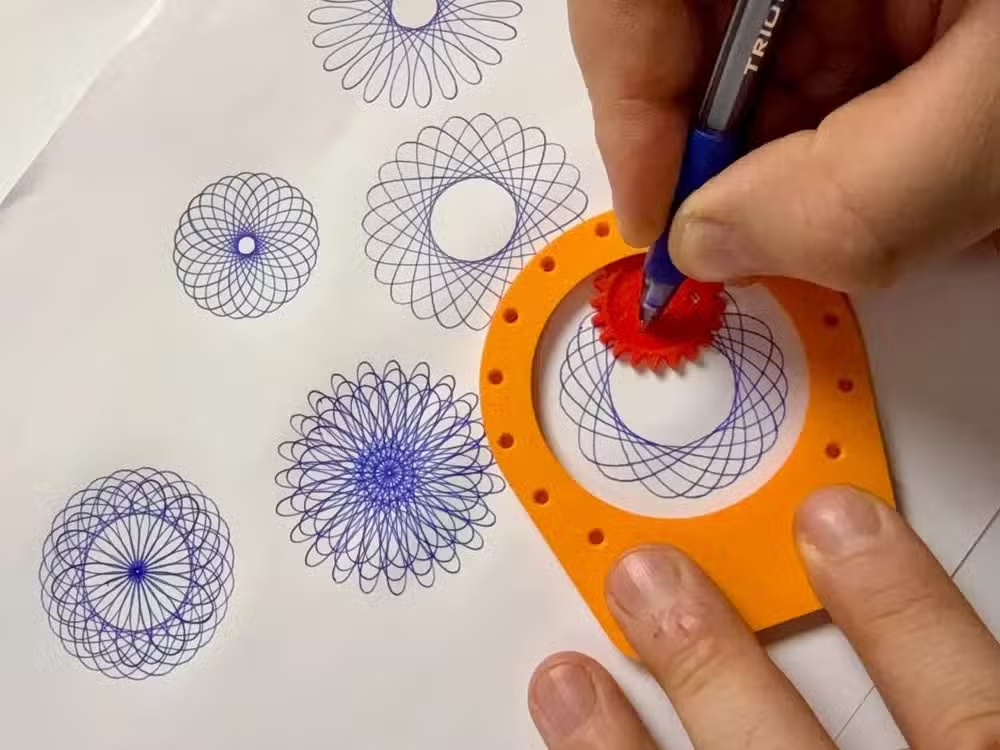
The model works with any standard pen or pencil. It's a low-commitment print that makes a good test for anyone new to toy projects. Kids can create intricate geometric patterns without staring at a screen.
Speedcube (Rubik's Cube)
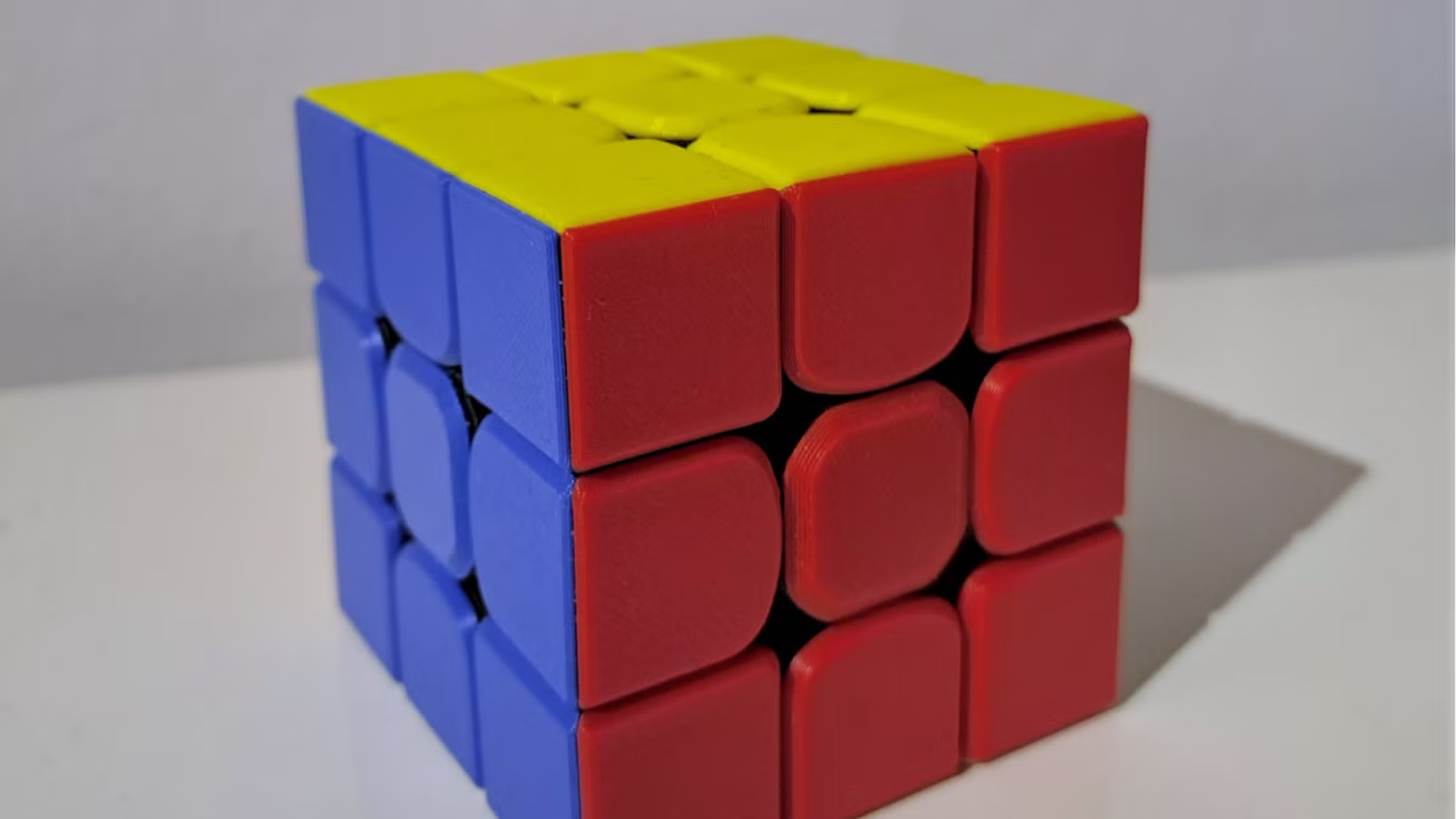
A fully 3D-printed Rubik's cube sounds ambitious, and it is. The Speedcube model by 3D_Plot on MakerWorld is an improved version with tight tolerances and optional magnet support. You can print and assemble it without magnets, but the mechanism works more smoothly with them.
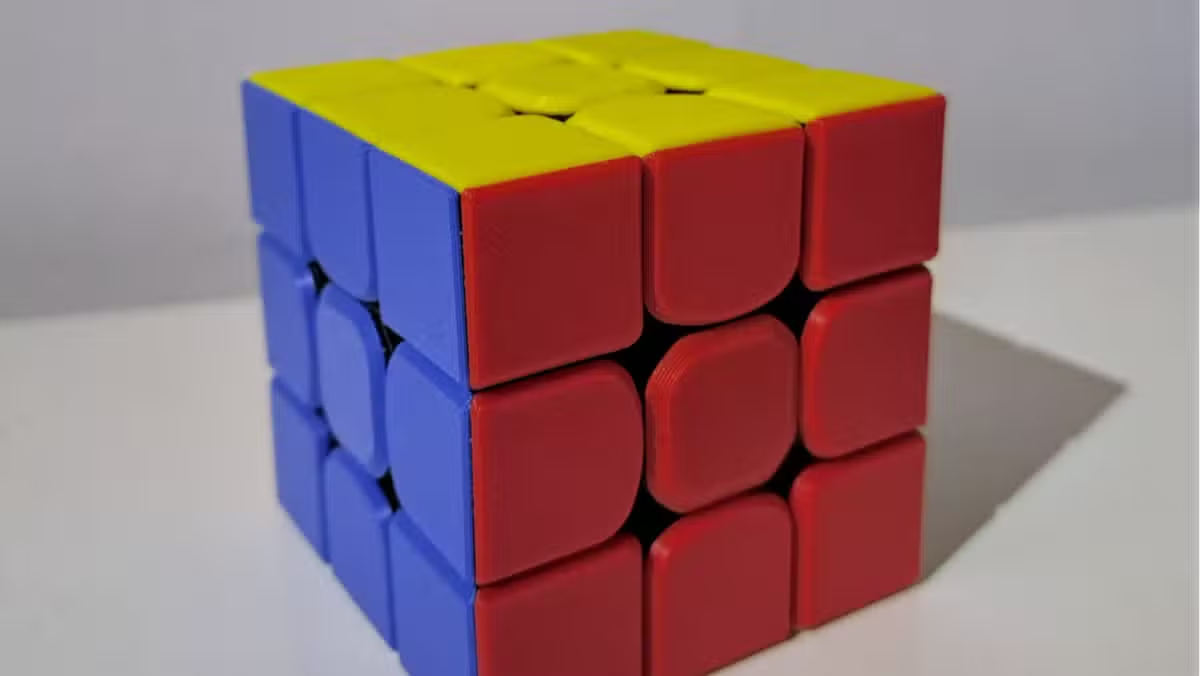
Expect some post-processing. The cube needs lubrication and will take time to break in before it reaches what the creator calls a "butter smooth" state. Read through the detailed assembly instructions before printing. The assembly itself is something of a puzzle.
Slinky
Wing-Art's Slinky model on MakerWorld recreates the coiled metal toy in printed form. You can use it as a fidget toy, learn walking-downstairs tricks, or print it in fancy filament as a display piece. A double-length remix is also available for those who want more spring action.
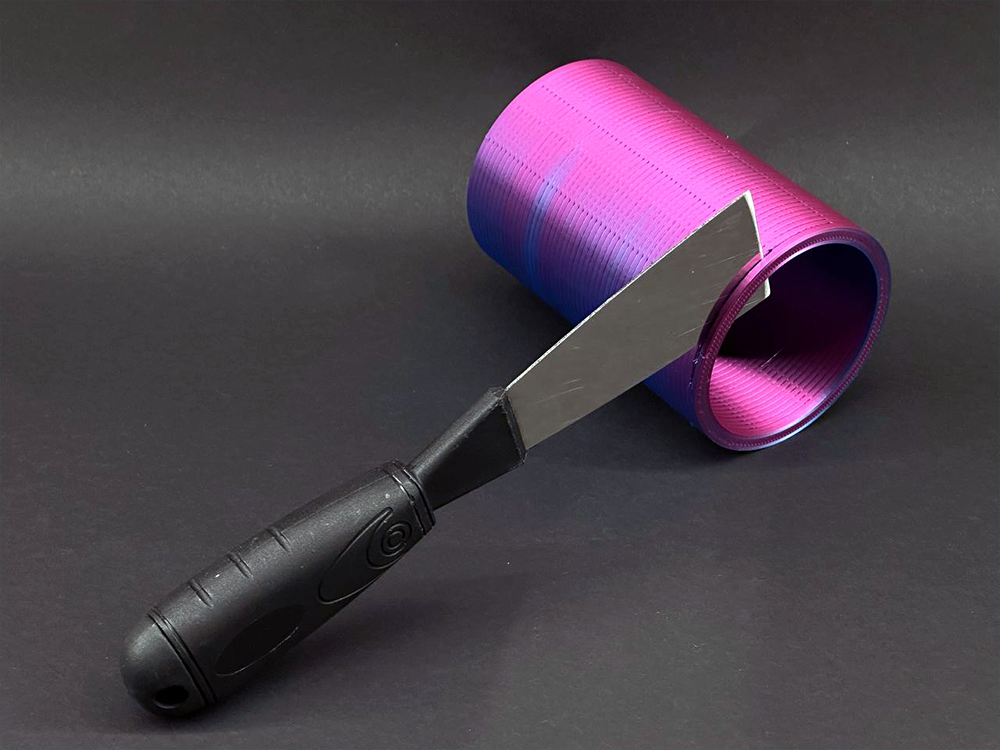
Not every filament works here. The model requires flexibility to function properly, so standard rigid PLA may not deliver the classic Slinky feel. Check the model page for recommended materials before committing to a print.
Play-Doh Molding Tools
If you have Play-Doh in the house, you can print custom molding tools instead of buying replacement sets. 3DCrabi's collection on MakerWorld includes extruders, cutters, and shape molds that work with standard modeling compounds.
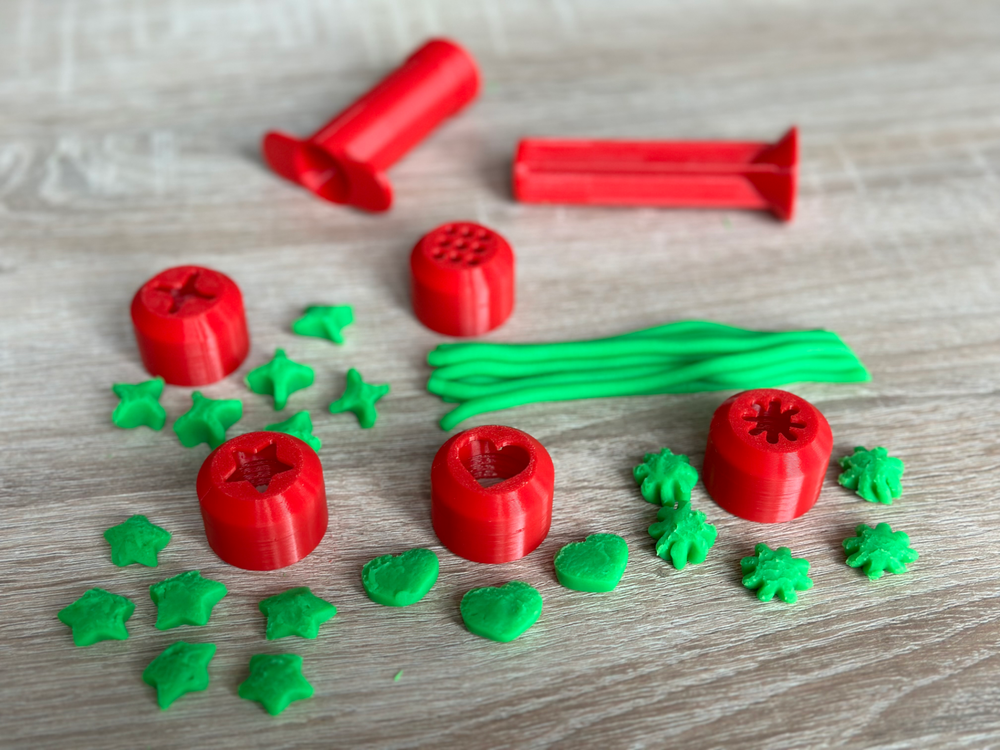
These prints are quick and use minimal filament. They're also easy to customize. Change colors, resize tools for smaller hands, or modify designs to create shapes that don't exist in retail kits.
Connect Four
Orama3DVibes' Connect 4 model prints a full working version of the classic grid game. The frame, chip slots, and release mechanism all come from the printer. It's a larger project than the Spirograph or Slinky but still finishes in a weekend.
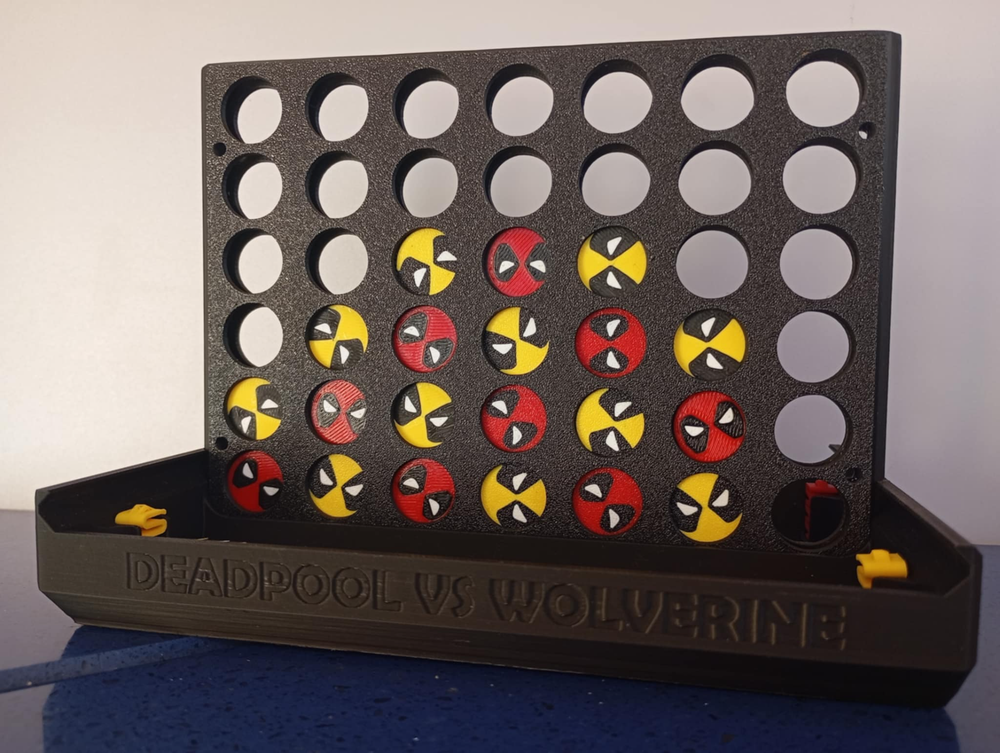
Print the chips in two contrasting colors for the full experience. The model is designed for standard print beds, though you may need to split larger components depending on your machine's build volume.
Why Print Toys Instead of Buying Them?
Cost is part of it. Filament for these projects typically runs a few dollars at most. A Spirograph print uses about 12g of material, which costs roughly 25 cents in standard PLA. Even the larger Connect Four set uses far less material than its retail price would suggest.
Customization matters too. You can print toys in any color your filament drawer holds. Resize models for younger kids. Modify designs to fix weak points or add features. Open-source repositories like MakerWorld let you download, tweak, and share improvements.
“3D printing is no longer about just making replacement parts; it's about reclaiming the joy of play by recreating the classics we grew up with, but better.”
— Sarah Jenkins, Industrial Designer and Toy Historian
The learning aspect shouldn't be dismissed either. Kids who watch a toy emerge layer by layer tend to ask how the printer works, what the material is, and why the design looks the way it does. That curiosity has value.
What You Need to Get Started
Any consumer FDM printer handles these models. Budget machines like the Creality Ender 3 or Elegoo Neptune work fine for most projects. If you want faster prints with less calibration hassle, Bambu Lab's A1 Mini or P1S are popular choices in the $300-$700 range.
- PLA filament for rigid toys like Spirographs and Connect Four
- TPU or flexible filament for Slinkys
- Small magnets for the Speedcube (optional but recommended)
- Silicone lubricant for mechanical toys
Download models from MakerWorld, Printables, or Thingiverse. Slice them using your printer's software. Most of these projects print without supports, though the Speedcube requires careful attention to orientation and settings.
More weekend DIY projects using home tech
Logicity's Take
Frequently Asked Questions
How much does it cost to 3D print a toy?
Most small toys use 10-50g of filament, costing between $0.25 and $1.50 in standard PLA. Larger projects like Connect Four may use $3-5 in material.
Do I need an expensive 3D printer for toy projects?
No. Entry-level printers like the Creality Ender 3 ($200-250) handle these models without issues. Faster or enclosed printers are nice but not required.
Are 3D printed toys safe for kids?
PLA is non-toxic and widely used for children's items. Avoid toys with small parts for children under 3. Sand sharp edges if needed.
Where can I find free 3D printable toy models?
MakerWorld, Printables, and Thingiverse host thousands of free toy designs. Search by name or browse the toys category.
How long does it take to 3D print a toy?
Small items like Spirographs print in 30 minutes. Complex toys like the Speedcube take several hours across multiple parts.
Need Help Implementing This?
Source: How-To Geek
Huma Shazia
Senior AI & Tech Writer
اقرأ أيضاً

رأي مغاير: كيف يؤثر اختراق الأمن الداخلي الأميركي على شركاتنا الخاصة؟
في ظل اختراق عقود الأمن الداخلي الأميركي مع شركات خاصة، نناقش تأثير هذا الاختراق على مستقبل الأمن السيبراني. نستعرض الإحصاءات الموثوقة ونناقش كيف يمكن للشركات الخاصة أن تتعامل مع هذا التهديد. استمتع بقراءة هذا التحليل العميق

الإنسان في زمن ما بعد الوجود البشري: نحو نظام للتعايش بين الإنسان والروبوت - Centre for Arab Unity Studies
في هذا المقال، سنناقش كيف يمكن للبشر والروبوتات التعايش في نظام متكامل. سنستعرض التحديات والحلول المحتملة التي تضعها شركات مثل جوجل وأمازون. كما سنلقي نظرة على التوقعات المستقبلية وفقًا لتقرير ماكنزي

إطلاق ناسا لمهمة مأهولة إلى القمر: خطوة تاريخية نحو استكشاف الفضاء
تعتبر المهمة الجديدة خطوة هامة نحو استكشاف الفضاء وتطوير التكنولوجيا. سوف تشمل المهمة إرسال رواد فضاء إلى سطح القمر لconducting تجارب علمية. ستسهم هذه المهمة في تطوير فهمنا للفضاء وتحسين التكنولوجيا المستخدمة في استكشاف الفضاء.