5 Things You Should Never 3D Print at Home
Key Takeaways
- Standard filaments like PLA, PETG, and ABS lack the flame-retardant and heat-resistant properties required for high-voltage electrical enclosures
- Load-bearing brackets printed at home often fail at layer lines, risking expensive equipment damage
- FDM printing has a typical tolerance variance of 0.5mm, making home-printed parts unsuitable for high-precision mechanical assemblies
The Temptation to Print Everything
When you own a 3D printer, every problem starts looking like it needs a custom plastic solution. Broken bracket? Print one. Missing enclosure? Design it. But this instinct can lead to expensive failures or genuine safety hazards.
The global 3D printing market hit an estimated $34.85 billion in 2026, but 70-82% of that value comes from industrial-grade machines. Consumer desktop printers lack the material options, precision, and safety certifications their industrial counterparts have. Knowing the limits of your home setup saves money and prevents accidents.
1. High-Voltage Electrical Enclosures
This one is non-negotiable. Model repositories host downloads supposedly designed for high-voltage power supplies and capacitors. Do not trust them.
Proper electrical enclosures must be strong, heat-resistant, flame-retardant, and resistant to arcing. Industrial applications use polyamide (PA), polyethylene (PE), polypropylene (PP), polyvinyl chloride (PVC), and polyetheretherketone (PEEK). Your standard PLA, PETG, or ABS filament does not meet these requirements.
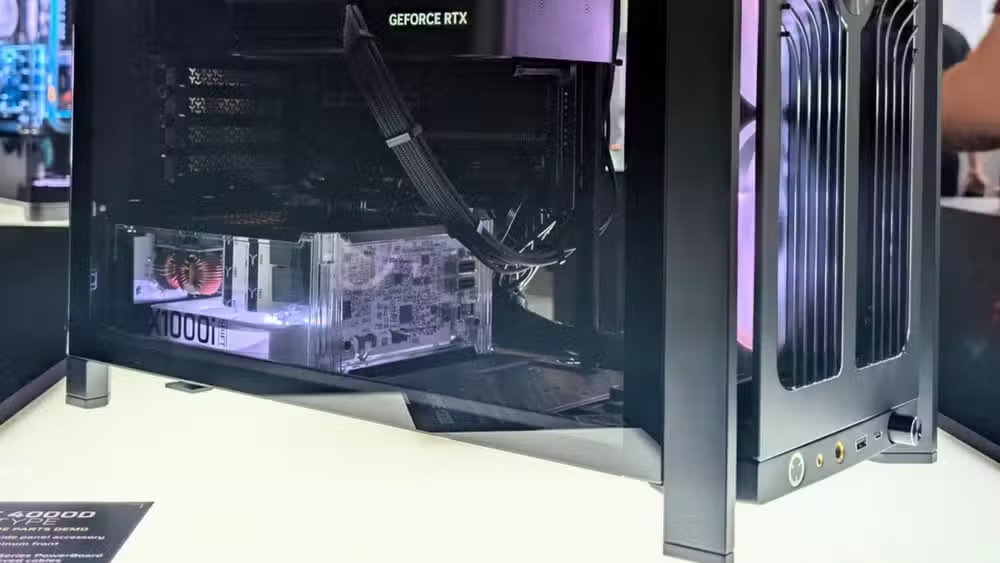
Beyond material concerns, messing with high-voltage electronics like PSU internals should stay with professionals. A 3D-printed enclosure failing near a capacitor is not a warranty claim. It's a fire hazard.
2. Load-Bearing Brackets and Joints
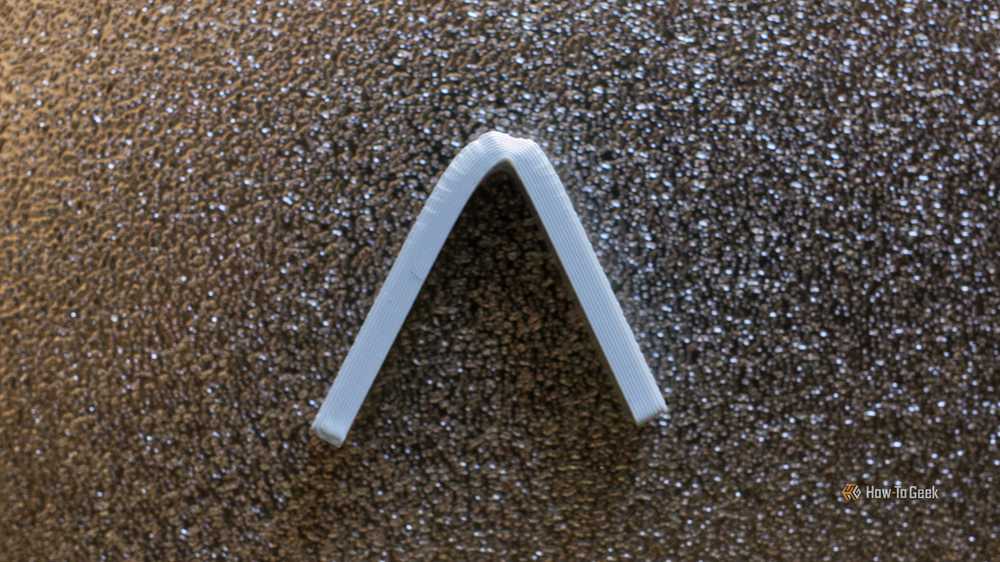
A Reddit user posted a cautionary tale: a 3D-printed monitor arm that snapped, taking the monitor with it. The failure happened at the layer lines, the weakest point in any FDM print.
Commenters noted the design itself was flawed. Parts under mechanical stress need to be oriented on the print bed to maximize strength across the direction of force. Most hobbyists skip this step or do not know how to calculate it.
Before printing anything load-bearing, run a simple risk analysis. Ask yourself: what happens if this part fails? If the answer involves broken equipment or injury, buy a metal alternative.
3. Precision Mechanical Parts
FDM printing has a typical tolerance variance of 0.5mm. That sounds small until you need a part that fits precisely into an assembly.
Gears, bearing housings, and anything requiring tight mechanical tolerances will disappoint you. The layer-by-layer deposition process creates surface roughness and dimensional variance that cannot match machined metal or injection-molded plastic.
Resin printers offer better precision but introduce their own problems with material brittleness and post-processing requirements.
4. Full PC Cases
Designs for full ATX PC cases exist on model repositories. They look impressive in photos. In practice, they present multiple problems.
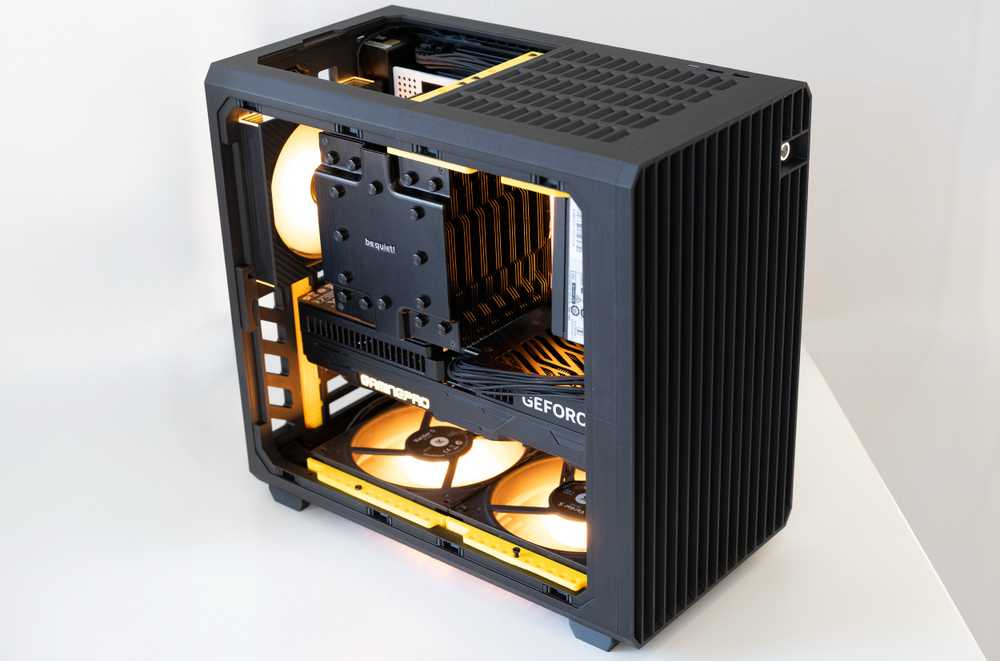
Print times run into days or weeks. Assembly requires dozens of individual pieces. The finished product lacks the thermal management of commercial cases. PLA softens at temperatures a gaming PC can reach during load. PETG and ABS fare better but still do not match metal's heat dissipation.
If you want a custom case aesthetic, commercial modular cases with 3D-printed accent panels are a safer compromise.
5. Footwear for Actual Use
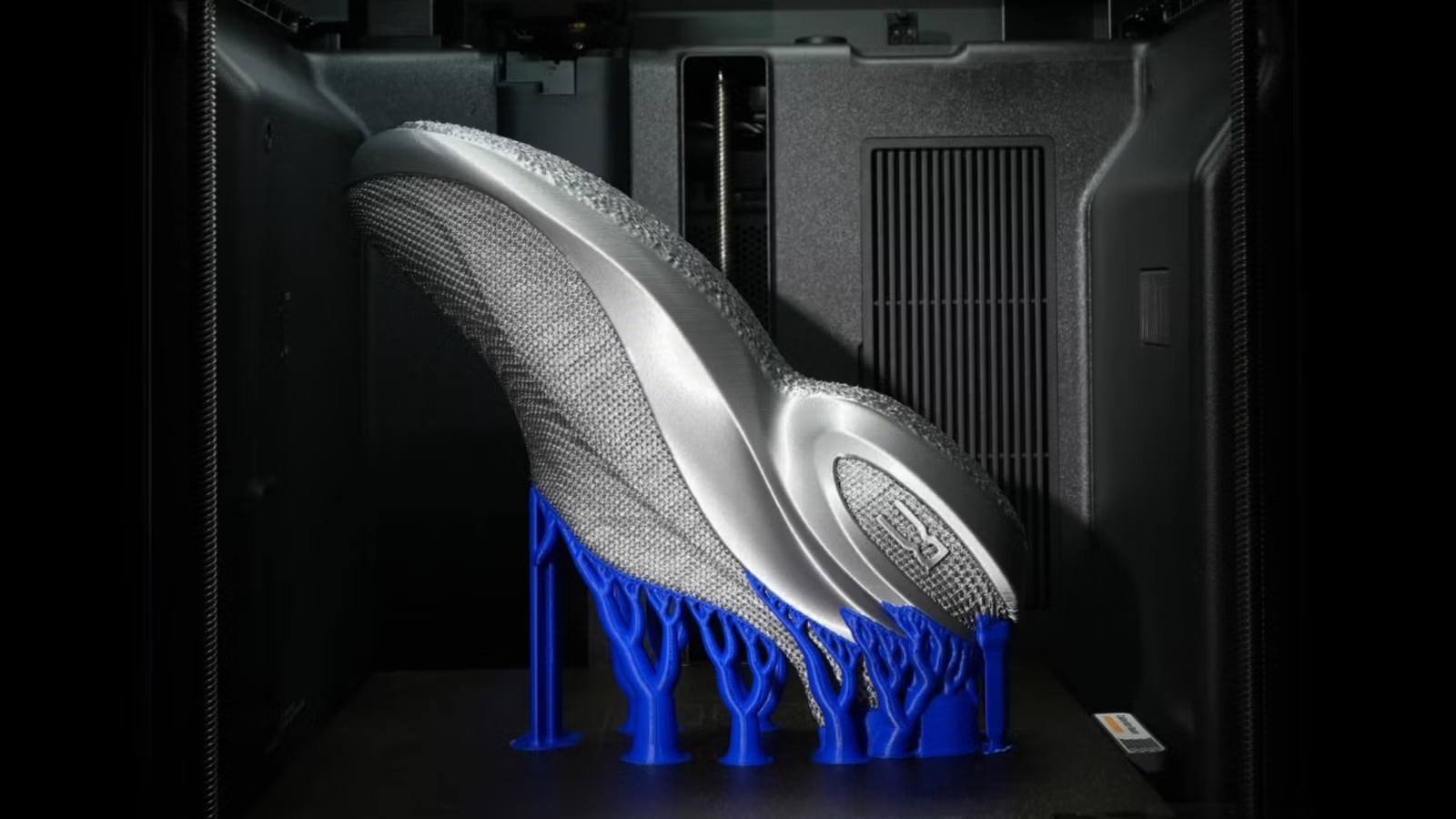
TPU filament is flexible, which makes it tempting for printing shoes or shoe inserts. The reality is less comfortable.
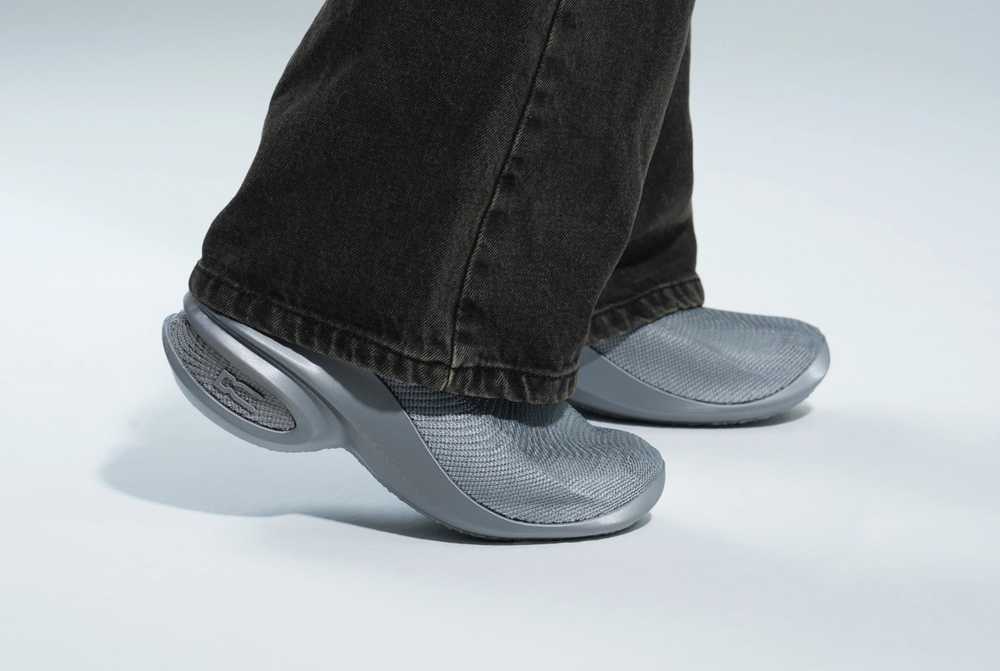
Home-printed TPU lacks the durability, cushioning, and support of commercial footwear. Layer adhesion issues mean the soles can delaminate under stress. The print surface creates friction points that cause blisters. Support structures are difficult to remove cleanly.
Prototypes for fit testing? Sure. Actual shoes you plan to walk in? Buy from a store.
The Broader Safety Question
“We can't say that 3D printing is inherently bad, but we can't say it's inherently safe either.”
— Andi Alijagic, Toxicology Researcher at Örebro University
Consumer 3D printing has outpaced consumer education. The market grew fast. Safety guidelines did not keep up. Ultrafine particle emissions, off-gassing, and structural failure modes remain under-discussed outside specialist communities.
Reddit's r/3Dprinting hosts regular "Fail Friday" threads where users share disasters. These serve as informal education, showing beginners what goes wrong with improper design or thermal failure. It is worth browsing before starting an ambitious project.
When to Print, When to Buy
3D printing excels at prototyping, custom organizers, decorative items, and replacement parts for non-critical applications. It falls short where safety, precision, or durability matter.
- Print: cable organizers, custom knobs, decorative items, prototype mockups
- Buy: electrical enclosures, load-bearing hardware, precision mechanical parts, footwear
The rule of thumb: if failure means injury, fire, or expensive damage, the $5 metal bracket from the hardware store beats the clever printed alternative.
Logicity's Take
Frequently Asked Questions
Can I 3D print electrical enclosures if I use ABS instead of PLA?
No. ABS has better heat resistance than PLA but still lacks the flame-retardant and arc-resistant properties required for high-voltage applications. Industrial enclosures use materials like PEEK or specialized compounds that consumer printers cannot handle.
How do I know if a 3D-printed part will be strong enough?
Print orientation matters most. Parts should be oriented so the direction of stress runs parallel to layers, not perpendicular. If force would try to separate layers, the part will fail. For critical applications, use simulation software or buy a commercial alternative.
What is the typical tolerance of FDM 3D printers?
Consumer FDM printers typically have a tolerance variance of about 0.5mm. This makes them unsuitable for precision mechanical assemblies where tight fits are required.
Are 3D-printed PC cases safe?
They pose thermal management concerns. PLA can soften at temperatures a gaming PC reaches under load. PETG and ABS handle heat better but still do not match metal's ability to dissipate heat. Commercial cases with 3D-printed accent panels are a safer compromise.
Is it safe to 3D print shoes?
For prototyping fit, yes. For actual use, no. Home-printed TPU lacks the durability, cushioning, and layer adhesion of commercial footwear. Soles can delaminate under stress, and print surfaces create friction points that cause blisters.
For makers who spend time in code editors between prints.
Need Help Implementing This?
Source: How-To Geek
Manaal Khan
Tech & Innovation Writer
اقرأ أيضاً

رأي مغاير: كيف يؤثر اختراق الأمن الداخلي الأميركي على شركاتنا الخاصة؟
في ظل اختراق عقود الأمن الداخلي الأميركي مع شركات خاصة، نناقش تأثير هذا الاختراق على مستقبل الأمن السيبراني. نستعرض الإحصاءات الموثوقة ونناقش كيف يمكن للشركات الخاصة أن تتعامل مع هذا التهديد. استمتع بقراءة هذا التحليل العميق

الإنسان في زمن ما بعد الوجود البشري: نحو نظام للتعايش بين الإنسان والروبوت - Centre for Arab Unity Studies
في هذا المقال، سنناقش كيف يمكن للبشر والروبوتات التعايش في نظام متكامل. سنستعرض التحديات والحلول المحتملة التي تضعها شركات مثل جوجل وأمازون. كما سنلقي نظرة على التوقعات المستقبلية وفقًا لتقرير ماكنزي

إطلاق ناسا لمهمة مأهولة إلى القمر: خطوة تاريخية نحو استكشاف الفضاء
تعتبر المهمة الجديدة خطوة هامة نحو استكشاف الفضاء وتطوير التكنولوجيا. سوف تشمل المهمة إرسال رواد فضاء إلى سطح القمر لconducting تجارب علمية. ستسهم هذه المهمة في تطوير فهمنا للفضاء وتحسين التكنولوجيا المستخدمة في استكشاف الفضاء.