5 ESP32 Projects That Work Better With a 3D Printer
Key Takeaways
- ESP32 boards at $5 each make deploying multiple smart home sensors affordable
- 3D-printed enclosures transform bare circuit boards into polished, deployable devices
- Projects range from Bluetooth proximity sensors to handheld retro gaming consoles
Why 3D Printing Completes ESP32 Builds
The ESP32 is a cheap microcontroller that powers sensors, toys, communication devices, and low-power electronics. Hobbyists love it for its versatility, price point, and solid software support. But a bare development board sitting on a shelf looks unfinished. A 3D printer solves that problem by producing custom enclosures that protect components and make projects look professional.
At around $5 per board, you can deploy ESP32 devices throughout a home without spending much money. The challenge is making them presentable. Nobody wants to stare at exposed circuit boards and tangled wires. That is where 3D-printed cases come in.
Smart Home Bluetooth Proxy Cases
Most ESP32 boards include both Wi-Fi and Bluetooth. This makes them ideal for smart home applications like Bluetooth proxies. These devices enable presence detection in platforms like Home Assistant by tracking nearby smartphones and wearables.
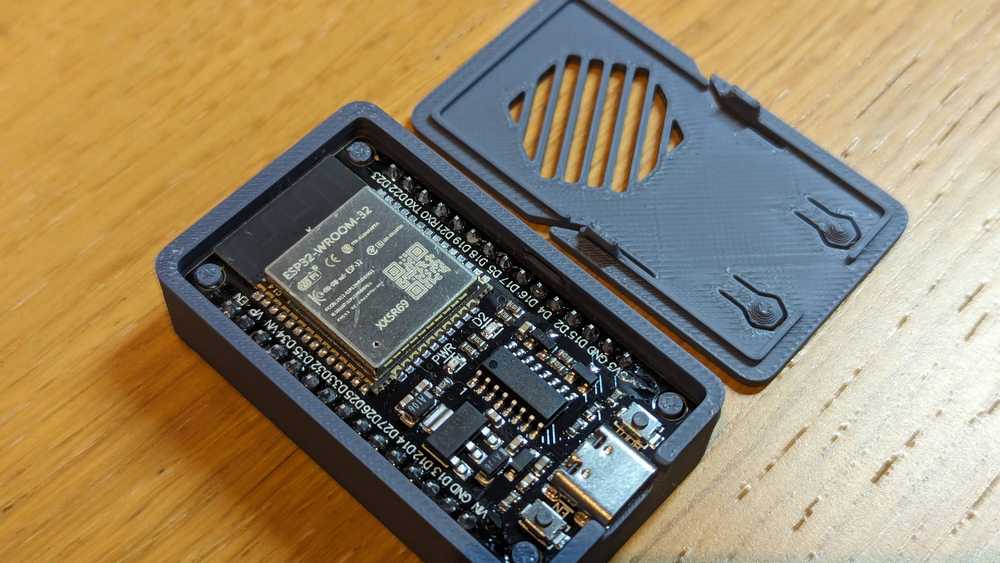
You can scatter these proxies around your home to track which rooms are occupied. The hardware cost stays low. The missing piece is a clean enclosure. Sites like MakerWorld and Thingiverse host dozens of case designs for common ESP32 development boards. Print one, slot in your board, and mount it discreetly.
Retro Gaming Handhelds
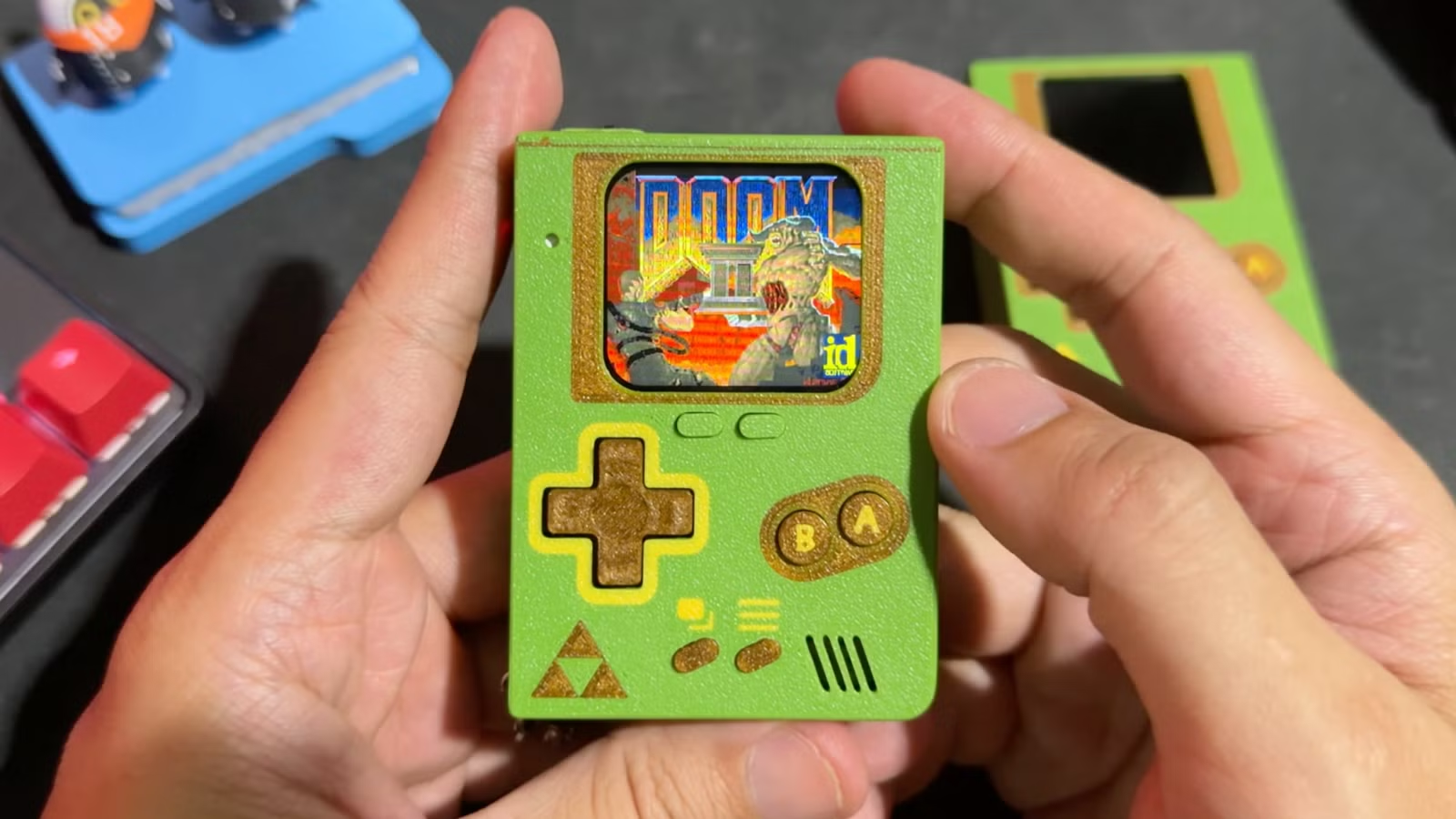
The ESP32 has enough processing power to emulate classic game consoles. Projects like RetroGO turn an ESP32-S3 into a handheld gaming device capable of running Game Boy, NES, and other retro titles. The catch is that the electronics need a shell.
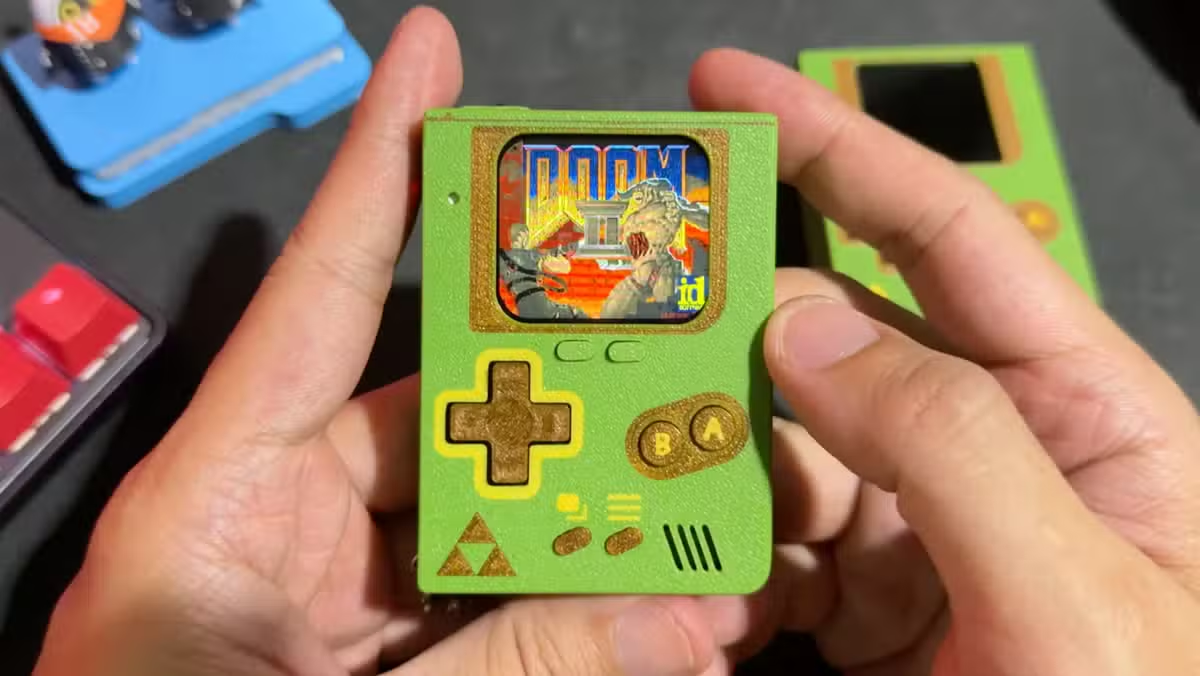
3D printing lets you create a custom enclosure with button cutouts, a screen bezel, and battery compartment. The result is a pocket-sized gaming console built from a $5 microcontroller and some printed plastic. Several open-source designs exist, or you can model your own if you want something unique.
Meshtastic Network Devices
Meshtastic is an open-source project that turns ESP32 boards with LoRa radios into mesh communication devices. These gadgets let you send text messages over long distances without cellular service. They are popular among hikers, preppers, and anyone curious about off-grid communication.
The hardware typically includes an ESP32 board, a LoRa radio module, and sometimes a small display. All of this fits in a 3D-printed enclosure designed for portability. Community members share case designs for specific board combinations like the Heltec Wireless Tracker V2.
Voice Assistant Enclosures
ESP32 boards can run voice assistant interfaces when paired with a microphone array. Products like the Seeed Studio ReSpeaker Lite combine an ESP32 with microphones for voice input. The board then connects to a local or cloud-based assistant.
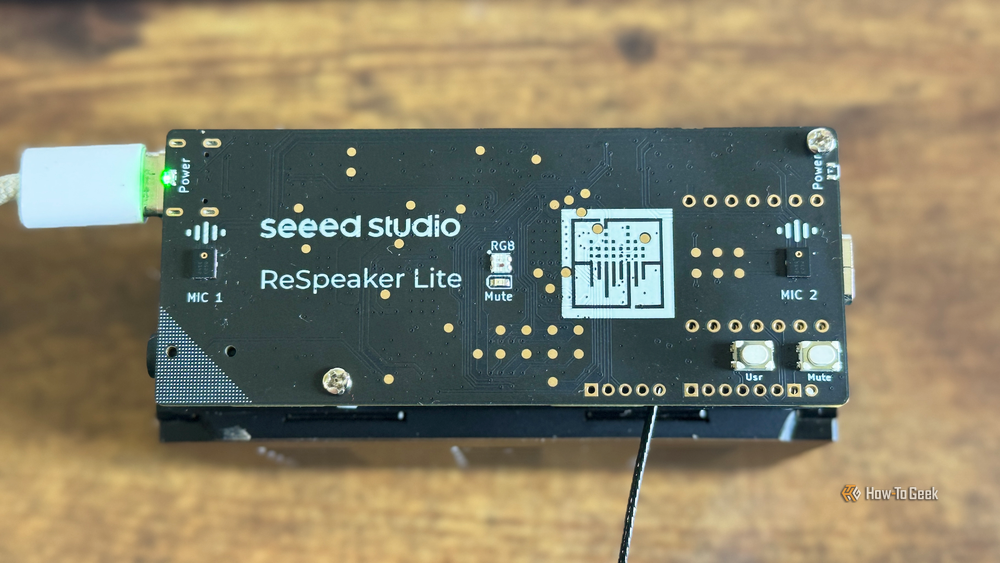
A 3D-printed enclosure can integrate the board with a speaker, creating a self-contained voice assistant. This approach appeals to people who want smart speaker functionality without sending audio to big tech companies. Home Assistant users often build these to get voice control over their entire smart home setup.
Environmental Sensors
ESP32 boards excel at collecting sensor data and transmitting it over Wi-Fi. Common builds include temperature and humidity monitors, air quality sensors, and plant watering systems. The microcontroller handles the data collection while a 3D-printed case protects the electronics and mounts the sensors properly.
A well-designed enclosure includes ventilation slots for accurate readings, mounting holes for wall installation, and cable management for power. These details separate a prototype from a finished product you would actually deploy long-term.
Getting Started
The hardware barrier is low. ESP32 development boards start at $5 from vendors like Seeed Studio. Entry-level 3D printers capable of printing enclosures cost under $200. More capable machines like the Bambu Lab P2S run $549 and can print complex multi-color parts.
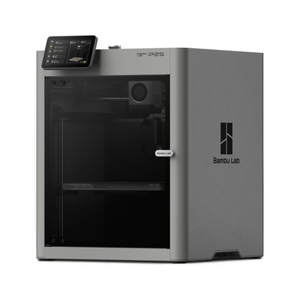
The software side is equally accessible. ESPHome lets you configure ESP32 boards for Home Assistant without writing code. Arduino IDE works for more custom projects. For enclosure designs, MakerWorld and Thingiverse have thousands of free downloads. You can also learn basic CAD with tools like Fusion 360 or Onshape to design your own.
Logicity's Take
More practical gadget builds worth considering
Frequently Asked Questions
How much does an ESP32 board cost?
Basic ESP32 development boards cost around $5 from vendors like Seeed Studio. More specialized variants with built-in displays, cameras, or LoRa radios cost $10 to $30.
What 3D printer works best for ESP32 enclosures?
Any FDM printer with at least 120mm build volume handles typical enclosures. Budget options under $200 work fine. The Bambu Lab P2S at $549 offers faster printing and multi-color capability.
Where can I find ESP32 enclosure designs?
MakerWorld and Thingiverse host thousands of free designs. Search for your specific board model to find compatible cases.
Do I need to know how to code for ESP32 projects?
Not necessarily. ESPHome lets you configure many smart home projects through YAML files without traditional programming. Arduino IDE is available for more custom builds.
Can ESP32 boards run on battery power?
Yes. Many ESP32 variants include deep sleep modes that reduce power consumption to microamps when idle. This enables battery-powered sensors that last months on a single charge.
Need Help Implementing This?
Source: How-To Geek
Huma Shazia
Senior AI & Tech Writer
اقرأ أيضاً

رأي مغاير: كيف يؤثر اختراق الأمن الداخلي الأميركي على شركاتنا الخاصة؟
في ظل اختراق عقود الأمن الداخلي الأميركي مع شركات خاصة، نناقش تأثير هذا الاختراق على مستقبل الأمن السيبراني. نستعرض الإحصاءات الموثوقة ونناقش كيف يمكن للشركات الخاصة أن تتعامل مع هذا التهديد. استمتع بقراءة هذا التحليل العميق

الإنسان في زمن ما بعد الوجود البشري: نحو نظام للتعايش بين الإنسان والروبوت - Centre for Arab Unity Studies
في هذا المقال، سنناقش كيف يمكن للبشر والروبوتات التعايش في نظام متكامل. سنستعرض التحديات والحلول المحتملة التي تضعها شركات مثل جوجل وأمازون. كما سنلقي نظرة على التوقعات المستقبلية وفقًا لتقرير ماكنزي

إطلاق ناسا لمهمة مأهولة إلى القمر: خطوة تاريخية نحو استكشاف الفضاء
تعتبر المهمة الجديدة خطوة هامة نحو استكشاف الفضاء وتطوير التكنولوجيا. سوف تشمل المهمة إرسال رواد فضاء إلى سطح القمر لconducting تجارب علمية. ستسهم هذه المهمة في تطوير فهمنا للفضاء وتحسين التكنولوجيا المستخدمة في استكشاف الفضاء.