5 ESP32 Bluetooth Projects for Your Weekend Build
Key Takeaways
- ESP32 Bluetooth proxies extend Home Assistant's range for around $5 per board
- ESPresense enables room-level presence detection using BLE beacons
- The Seeed Studio XIAO ESP32-C6 adds Zigbee, Thread, and Matter support for $5
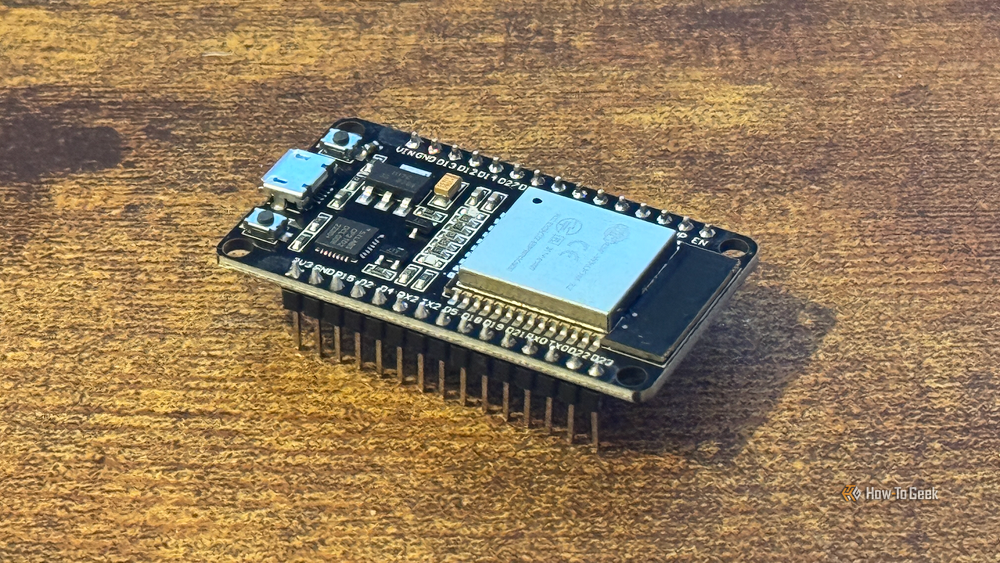
Most ESP32 microcontrollers ship with both Bluetooth and Wi-Fi radios. That dual connectivity opens up wireless project possibilities that would cost far more with off-the-shelf smart home gear. The boards themselves start at $5, and none of these projects require soldering or custom PCBs.
Here are five Bluetooth ESP32 builds you can finish in a weekend. Each one solves a real problem in home automation, audio streaming, or device tracking.
1. Home Assistant Bluetooth Proxy
If you run Home Assistant, you've probably hit Bluetooth range limits. The server's built-in radio can only reach devices within a room or two. An ESP32 proxy fixes this by using Wi-Fi as a backbone. The microcontroller picks up Bluetooth Low Energy signals from nearby devices and relays them over your network to Home Assistant.
Setup is straightforward. Flash ESPHome firmware from the Open Home Foundation onto any ESP32 with BLE support. Home Assistant detects the proxy automatically. No extra components needed beyond a USB power adapter.
This project shines for older SwitchBot accessories and other BLE-only devices. Place a $5 proxy in each room where you have Bluetooth gear, and your entire home becomes one extended Bluetooth network.
2. Room-Level Presence Detection with ESPresense
Motion sensors tell you someone is moving. Presence detection tells you who is in which room. ESPresense uses ESP32 boards to triangulate the position of Bluetooth beacons, including phones, smartwatches, and dedicated BLE tags.
Place an ESPresense node in each room you want to track. The system measures signal strength from each beacon and reports location to Home Assistant via MQTT. You can then trigger automations based on which person enters which space.
The Reddit thread above shows active discussion between ESPresense and the Bermuda integration. ESPresense runs its own firmware on each ESP32 node. Bermuda uses your existing Bluetooth proxies and calculates position server-side. Both approaches work. ESPresense tends to give faster updates. Bermuda requires less hardware management.
3. Bluetooth Audio Receiver
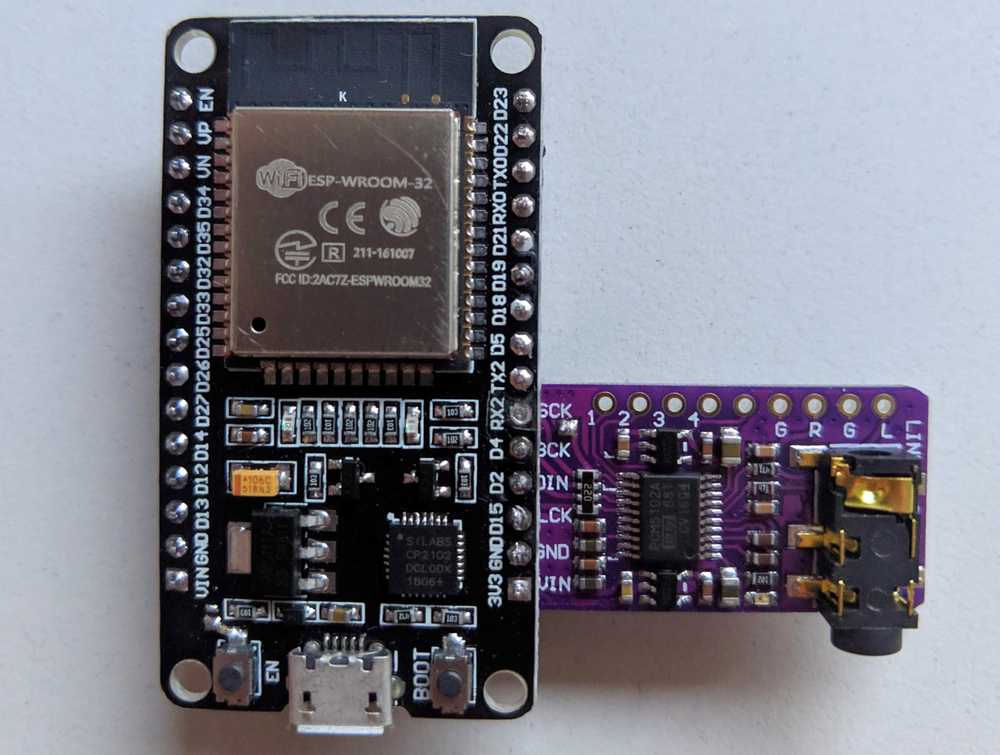
Old speakers without Bluetooth can stream from your phone with a simple ESP32 build. The microcontroller receives Bluetooth audio and outputs it through a DAC or directly to an amplifier.
The video above walks through building a Bluetooth audio receiver using an ESP32 and a small audio DAC module. Total cost runs about $10-15 depending on audio quality requirements. The A2DP Bluetooth profile handles stereo streaming. Pair once, and the ESP32 reconnects automatically whenever your phone is in range.
4. Android Bluetooth Tracker Beacon
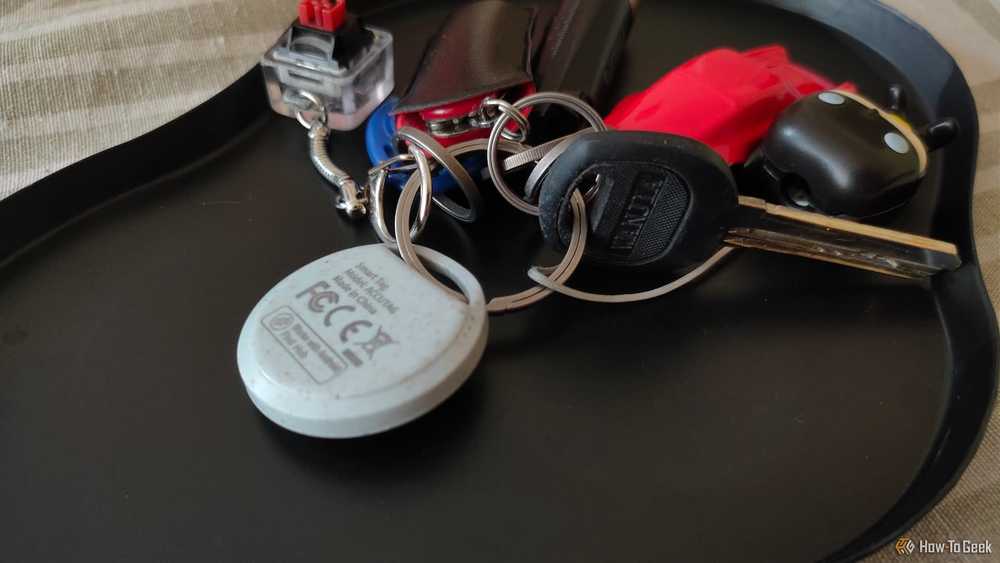
Apple's AirTag network only works with iPhones. Google's Find My Device network uses Android phones to locate Bluetooth trackers. You can build a compatible beacon using an ESP32.
The ESP32 broadcasts a BLE signal that Android phones in the area pick up and report to Google's servers. When you mark the beacon as lost, any Android phone passing by helps locate it. This works for luggage, bikes, or anything else you want to track without paying for commercial tags.
Battery life depends on your broadcast interval settings. An ESP32-C3 in deep sleep mode with infrequent broadcasts can run for weeks on a small LiPo cell.
5. Zigbee and Thread Bridge with ESP32-C6
The Seeed Studio XIAO ESP32-C6 adds radios most ESP32 boards lack. Built-in Zigbee and Thread support let it bridge between different smart home protocols. Wi-Fi 6 handles the backbone connection.
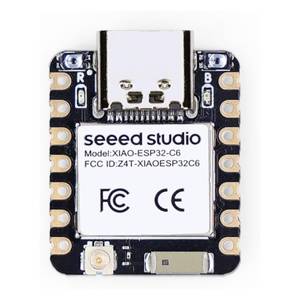
At $5 from Seeed Studio or $12 on Amazon, this board can act as a Thread border router or Zigbee coordinator. Matter support means it plays nicely with the emerging cross-platform standard. For anyone building a smart home that spans multiple protocols, this is the most versatile ESP32 variant available.
Which Board to Buy
| Board | Price | Best For | Key Feature |
|---|---|---|---|
| XIAO ESP32-C3 | $5-10 | Bluetooth proxies, basic projects | Deep sleep mode |
| XIAO ESP32-C6 | $5-12 | Multi-protocol bridges | Zigbee, Thread, Matter, Wi-Fi 6 |
| Standard ESP32-WROOM | $3-8 | Audio streaming, ESPresense | Dual-core, more GPIO pins |
The C3 handles most Bluetooth proxy and beacon projects. The C6 is worth the extra cost if you need Zigbee or Thread. A standard ESP32-WROOM board gives you more processing power and GPIO pins for complex builds.
Logicity's Take
Frequently Asked Questions
Do I need to know how to solder for these ESP32 projects?
No. All five projects use development boards with USB connectors. You flash firmware over USB and power the boards through the same port or a standard adapter.
Which ESP32 board works best for Home Assistant?
The Seeed Studio XIAO ESP32-C3 at $5 is the most cost-effective for Bluetooth proxies. The C6 variant adds Zigbee and Thread if you need those protocols.
How far can an ESP32 Bluetooth proxy extend range?
Each proxy covers roughly the same area as your phone's Bluetooth range, typically 10-30 meters depending on walls. Place one per room for reliable coverage.
Can ESPresense work without Home Assistant?
Yes. ESPresense reports presence data via MQTT. Any home automation system that accepts MQTT can use it, including Node-RED, OpenHAB, and custom setups.
What is the battery life of an ESP32-based Bluetooth tracker?
Depends on broadcast frequency. An ESP32-C3 with deep sleep enabled and 30-second broadcast intervals can last several weeks on a 500mAh LiPo battery.
More weekend projects for your home lab setup
Need Help Implementing This?
Source: How-To Geek
Manaal Khan
Tech & Innovation Writer
اقرأ أيضاً

رأي مغاير: كيف يؤثر اختراق الأمن الداخلي الأميركي على شركاتنا الخاصة؟
في ظل اختراق عقود الأمن الداخلي الأميركي مع شركات خاصة، نناقش تأثير هذا الاختراق على مستقبل الأمن السيبراني. نستعرض الإحصاءات الموثوقة ونناقش كيف يمكن للشركات الخاصة أن تتعامل مع هذا التهديد. استمتع بقراءة هذا التحليل العميق

الإنسان في زمن ما بعد الوجود البشري: نحو نظام للتعايش بين الإنسان والروبوت - Centre for Arab Unity Studies
في هذا المقال، سنناقش كيف يمكن للبشر والروبوتات التعايش في نظام متكامل. سنستعرض التحديات والحلول المحتملة التي تضعها شركات مثل جوجل وأمازون. كما سنلقي نظرة على التوقعات المستقبلية وفقًا لتقرير ماكنزي

إطلاق ناسا لمهمة مأهولة إلى القمر: خطوة تاريخية نحو استكشاف الفضاء
تعتبر المهمة الجديدة خطوة هامة نحو استكشاف الفضاء وتطوير التكنولوجيا. سوف تشمل المهمة إرسال رواد فضاء إلى سطح القمر لconducting تجارب علمية. ستسهم هذه المهمة في تطوير فهمنا للفضاء وتحسين التكنولوجيا المستخدمة في استكشاف الفضاء.