The Orion spacecraft has successfully fired its main engine, sending four astronauts on a journey to the Moon. This marks a significant milestone in NASA's Artemis program, which aims to return humans to the lunar surface by 2025. With the spacecraft now on a free-return trajectory, the crew is set to fly around the Moon and back to Earth.
Key Takeaways
- The Orion spacecraft has successfully fired its main engine, sending four astronauts on a journey to the Moon
- The crew is on a free-return trajectory, which means they will fly around the Moon and back to Earth without needing to fire the engine again
- This mission marks a significant milestone in NASA's Artemis program, which aims to return humans to the lunar surface by 2025
In This Article
- Introduction to the Artemis II Mission
- The Journey So Far
- The Translunar Injection Burn
- Quotes and Reactions
- What's Next for the Artemis II Mission
- Conclusion
Introduction to the Artemis II Mission
The Artemis II mission is a critical step in NASA's plans to return humans to the lunar surface. The mission aims to test the Orion spacecraft and its systems, as well as the Space Launch System (SLS) rocket that carried it into space. With the successful launch of the mission on Wednesday, the crew is now on a journey to the Moon.
- The Orion spacecraft is designed to carry astronauts on deep space missions
- The SLS rocket is the most powerful rocket ever built, with the capability to carry heavy payloads to the Moon and beyond
The Journey So Far
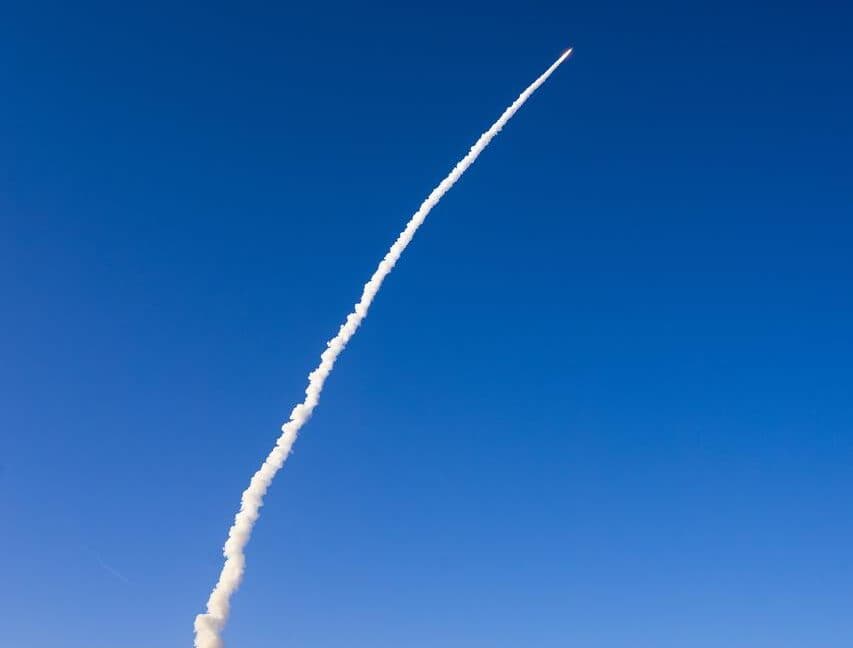
The Orion spacecraft has been busy since its launch on Wednesday. The crew has been conducting a series of tests to ensure the spacecraft's systems are functioning properly. This includes testing the life support systems, propulsion systems, and communication systems.
- The crew has been testing the spacecraft's life support systems, including the carbon dioxide scrubbers and water systems
- The propulsion system has been tested, with the crew conducting a series of maneuvers to ensure the spacecraft can navigate in space
The Translunar Injection Burn
The translunar injection burn was a critical milestone in the mission. The burn, which lasted for 5 minutes and 50 seconds, sent the spacecraft on a free-return trajectory to the Moon. This means that the crew will fly around the Moon and back to Earth without needing to fire the engine again.
- The translunar injection burn was the last major firing of the Orion spacecraft's main engine
- The burn was successful, with the spacecraft now on a trajectory to fly around the Moon
Quotes and Reactions
NASA officials and the crew are thrilled with the success of the mission so far. According to Lori Glaze, NASA's senior official over exploration, 'Things are going really well right now. I don't think we could be more pleased.'
- The crew is happy with the performance of the spacecraft
- NASA officials are confident in the success of the mission
What's Next for the Artemis II Mission
The Artemis II mission is a significant step in NASA's plans to return humans to the lunar surface. The next major milestone will be the Artemis III mission, which is scheduled to launch in 2025. This mission will see the first woman and the first person of color walk on the Moon.
- The Artemis III mission will see the first woman and the first person of color walk on the Moon
- The mission will also include the first lunar landing since the Apollo era
Conclusion
The Artemis II mission is a historic moment in space exploration. With the successful launch and translunar injection burn, the crew is now on a journey to the Moon. As NASA continues to push the boundaries of space travel, we can expect to see even more exciting developments in the years to come.
- The Artemis II mission is a significant step in NASA's plans to return humans to the lunar surface
- The success of the mission so far is a testament to the hard work and dedication of the NASA team
“Things are going really well right now. I don't think we could be more pleased.”
— Lori Glaze, NASA's senior official over exploration
Final Thoughts
As the Artemis II mission continues to make history, we can't help but feel a sense of excitement and wonder at the possibilities that lie ahead. With NASA's plans to return humans to the lunar surface and eventually send humans to Mars, the future of space travel is looking brighter than ever.
Sources & Credits
Originally reported by Ars Technica

Manaal Khan
Tech & Innovation Writer
Produced with AI assistance and reviewed by the Logicity editorial team. Learn more in our Editorial Policy.