The Artemis II mission is making waves, but not for the reasons you'd expect. With the Orion spacecraft performing remarkably well, the focus has shifted to a rather unusual issue: frozen urine. As the mission continues to break new ground, NASA engineers are working to resolve this unexpected problem. But what does it mean for the future of space travel?
Key Takeaways
- The Artemis II mission is progressing smoothly, with the Orion spacecraft nearing the Moon
- A unexpected issue with frozen urine in the spacecraft's toilet system has arisen
- NASA engineers are working to resolve the problem, which is crucial for future long-duration space missions
In This Article
- Introduction to Artemis II
- The Frozen Urine Issue
- NASA Engineers Respond
- Insights from NASA Engineers
- Implications for Future Missions
- Conclusion and Future Outlook
Introduction to Artemis II
The Artemis II mission is a significant step towards returning humans to the Moon and eventually sending them to Mars. The mission aims to test the Orion spacecraft and its systems in deep space, paving the way for future manned missions.
- The Orion spacecraft is designed to carry astronauts on long-duration missions
- The Artemis II mission is a crucial test of the spacecraft's systems and capabilities
The Frozen Urine Issue
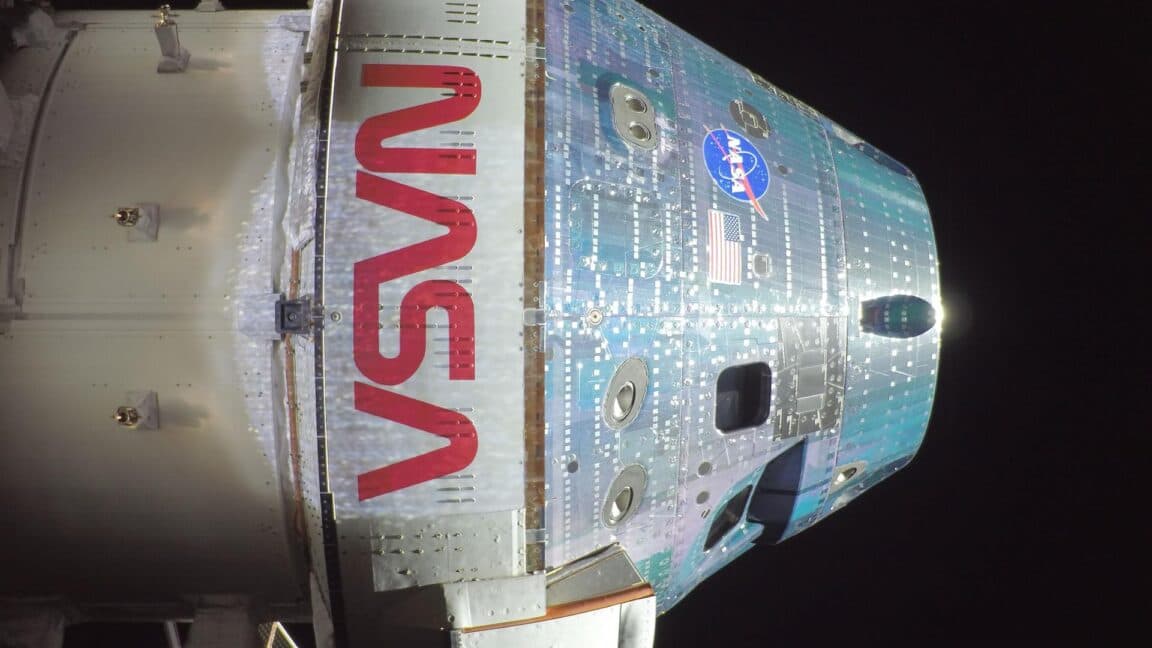
As the Orion spacecraft journeyed deeper into space, a surprising problem emerged: frozen urine in the toilet system. The issue arose when the urine collection tank became too cold, causing the liquid to freeze and rendering the system unusable.
- The toilet system is designed to collect and store urine, which is then vented into space
- The frozen urine issue is a significant problem, as it affects the astronauts' ability to use the toilet system
NASA Engineers Respond
NASA engineers are working to resolve the frozen urine issue, which they acknowledge is a challenge. According to John Honeycutt, chair of the Mission Management Team, 'I think the fixation on the toilet is kind of human nature.'
- NASA engineers are using the spacecraft's orientation to expose the urine tank to sunlight, which helps to thaw the frozen urine
- The astronauts are currently using alternative methods to collect and store their urine
Insights from NASA Engineers
NASA engineers have shared their thoughts on the frozen urine issue and its implications for future missions. As Honeycutt noted, 'I know we're in a good state, but I would really like it to be in the best state it can be.'
- NASA engineers are prioritizing the resolution of the frozen urine issue to ensure the success of future missions
- The experience gained from the Artemis II mission will inform the development of future spacecraft systems
Implications for Future Missions
The frozen urine issue may seem like a minor problem, but it has significant implications for future long-duration space missions. As NASA plans to send astronauts to Mars and beyond, the reliability of spacecraft systems will be crucial to their success.
- The Artemis II mission is an important test of the Orion spacecraft's systems and capabilities
- The experience gained from this mission will help NASA engineers develop more reliable and efficient systems for future missions
Conclusion and Future Outlook
The Artemis II mission has provided valuable insights into the challenges of deep space travel, including the unexpected issue of frozen urine. As NASA continues to push the boundaries of space exploration, the lessons learned from this mission will be crucial to the success of future endeavors.
- The Artemis II mission has demonstrated the importance of testing and validating spacecraft systems
- The experience gained from this mission will inform the development of future spacecraft and missions
“I think the fixation on the toilet is kind of human nature.”
— John Honeycutt, Chair of the Mission Management Team
“I know we're in a good state, but I would really like it to be in the best state it can be.”
— John Honeycutt, Chair of the Mission Management Team
Final Thoughts
As the Artemis II mission continues to break new ground, NASA engineers are working to resolve the unexpected issue of frozen urine. This experience will be invaluable in informing the development of future spacecraft systems and ensuring the success of long-duration space missions. With the Orion spacecraft performing remarkably well, the future of space travel looks bright, and the lessons learned from this mission will be crucial to the next giant leap for humanity.
Sources & Credits
Originally reported by Ars Technica

Manaal Khan
Tech & Innovation Writer
Produced with AI assistance and reviewed by the Logicity editorial team. Learn more in our Editorial Policy.