
NASA's Artemis II mission to the Moon encountered an unexpected issue when Microsoft Outlook stopped working, but the problem was quickly resolved. The mission highlights the challenges of working in space, where even everyday tech issues can become major hurdles. As NASA pushes the boundaries of space exploration, it must also contend with the mundane aspects of technology.
Key Takeaways
- NASA's Artemis II mission encountered a Microsoft Outlook issue in space
- The problem was resolved by remotely accessing the crew's personal computing device
- The mission highlights the challenges of working in space, where everyday tech issues can become major hurdles
In This Article
- The Artemis II Mission: A New Frontier in Space Exploration
- The Unlikely Culprit: Microsoft Outlook
- Resolving the Issue: A Team Effort
- The Tech Behind the Mission: A Complex Network of Systems
- The Crew's Gear: A Mix of High-Tech and Everyday Items
- Looking to the Future: The Next Steps in Space Exploration
The Artemis II Mission: A New Frontier in Space Exploration
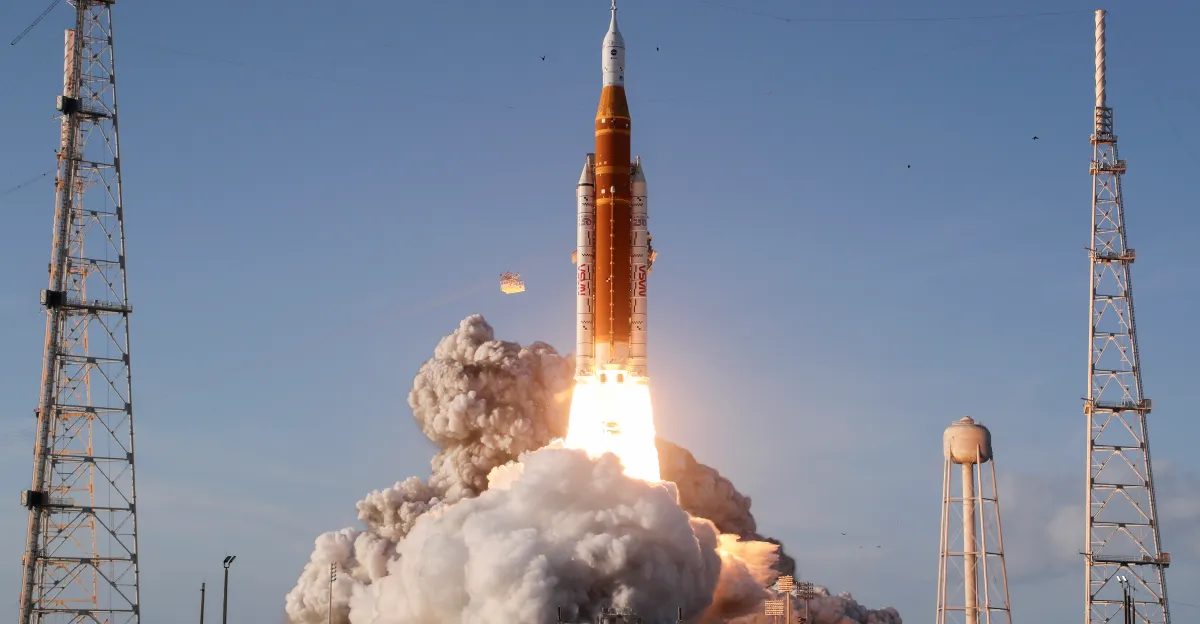
NASA's Artemis II mission is a major step towards returning humans to the Moon and eventually establishing a sustainable presence on the lunar surface. The mission is a crucial test of the agency's capabilities and a stepping stone for further exploration of the solar system.
- The Artemis II mission is the first crewed mission to the Moon in over 50 years
- The mission aims to test the agency's Space Launch System (SLS) rocket and Orion spacecraft
NASA astronauts will soon fly with the latest smartphones, beginning with Crew-12 and Artemis II. We are giving our crews the tools to capture special moments for their families and share inspiring images and video with the world. Just as important, we challenged long-standing…
— NASA Administrator Jared Isaacman (@NASAAdmin) February 5, 2026
The Unlikely Culprit: Microsoft Outlook
As the Artemis II crew journeyed to the Moon, they encountered an unexpected issue: Microsoft Outlook stopped working. The problem was reported by commander Reid Wiseman, who noted that neither of his two Outlook accounts was functioning.
- The Outlook issue was resolved by remotely accessing Wiseman's personal computing device
- The problem highlights the challenges of working in space, where even everyday tech issues can become major hurdles
Resolving the Issue: A Team Effort
According to Artemis flight director Judd Frieling, the Outlook issue was resolved by reloading Wiseman's files on Outlook. The solution was straightforward, but it highlights the importance of teamwork and communication in space exploration.
- The issue was resolved through a combination of remote access and troubleshooting
- The solution demonstrates the agency's ability to adapt to unexpected challenges in space
The Tech Behind the Mission: A Complex Network of Systems
The Artemis II mission relies on a complex network of systems, including the Near Space Network and Deep Space Network. The agency uses a combination of antennas and satellites to stay in touch with the crew and transmit data back to Earth.
- The mission uses a combination of NASA's Near Space Network and Deep Space Network
- The agency relies on a mix of antennas and satellites to stay in touch with the crew
The Crew's Gear: A Mix of High-Tech and Everyday Items
The Artemis II crew brought a range of gear with them on the mission, including Nikon D5 DSLR cameras, a ZCube video encoder, and handheld GoPro cameras. The crew was also allowed to bring their personal phones, which were stowed away in their spacesuit pockets.
- The crew brought a range of high-tech gear, including cameras and video encoders
- The crew was also allowed to bring personal items, such as phones and clothing
Looking to the Future: The Next Steps in Space Exploration
The Artemis II mission is just the beginning of a new era in space exploration. As NASA pushes the boundaries of what is possible, it will face new challenges and opportunities. The agency's ability to adapt to unexpected issues, such as the Outlook problem, will be crucial to its success.
- The Artemis II mission is a major step towards establishing a sustainable presence on the Moon
- The agency's ability to adapt to unexpected challenges will be crucial to its success
“This is not uncommon. We have this on-station all the time. You know, sometimes Outlook has issues getting configured, especially when you don’t have a network that’s directly connected.”
— Judd Frieling, Artemis Flight Director
Final Thoughts
The Artemis II mission is a significant step forward for NASA and the space program. As the agency continues to push the boundaries of space exploration, it will face new challenges and opportunities. The ability to adapt to unexpected issues, such as the Outlook problem, will be crucial to its success. With the mission's success, NASA is one step closer to establishing a sustainable presence on the Moon and beyond.
Sources & Credits
Originally reported by — Stevie Bonifield

Huma Shazia
Senior AI & Tech Writer
Produced with AI assistance and reviewed by the Logicity editorial team. Learn more in our Editorial Policy.




