Google I/O 2026 Preview: Android 17, Gemini 4, and the Aluminum OS Merger We've Been Waiting For
Key Takeaways
- Google I/O 2026 runs May 19-20, with the main keynote starting at 1PM ET on May 19
- Android 17 details are basically guaranteed, though Google's shift to Pixel Drops means some features may arrive later
- Aluminum OS could finally merge ChromeOS and Android into one unified platform
- Gemini 4 and new agentic coding tools are expected on the AI front
- No dedicated Android XR session on the schedule yet, which is interesting
Read in Short
Google I/O 2026 hits Mountain View on May 19-20. Expect Android 17 previews, a possible Gemini 4 reveal, and maybe our first official look at Aluminum OS, the rumored ChromeOS-Android merger. The main keynote streams live at 1PM ET on May 19.
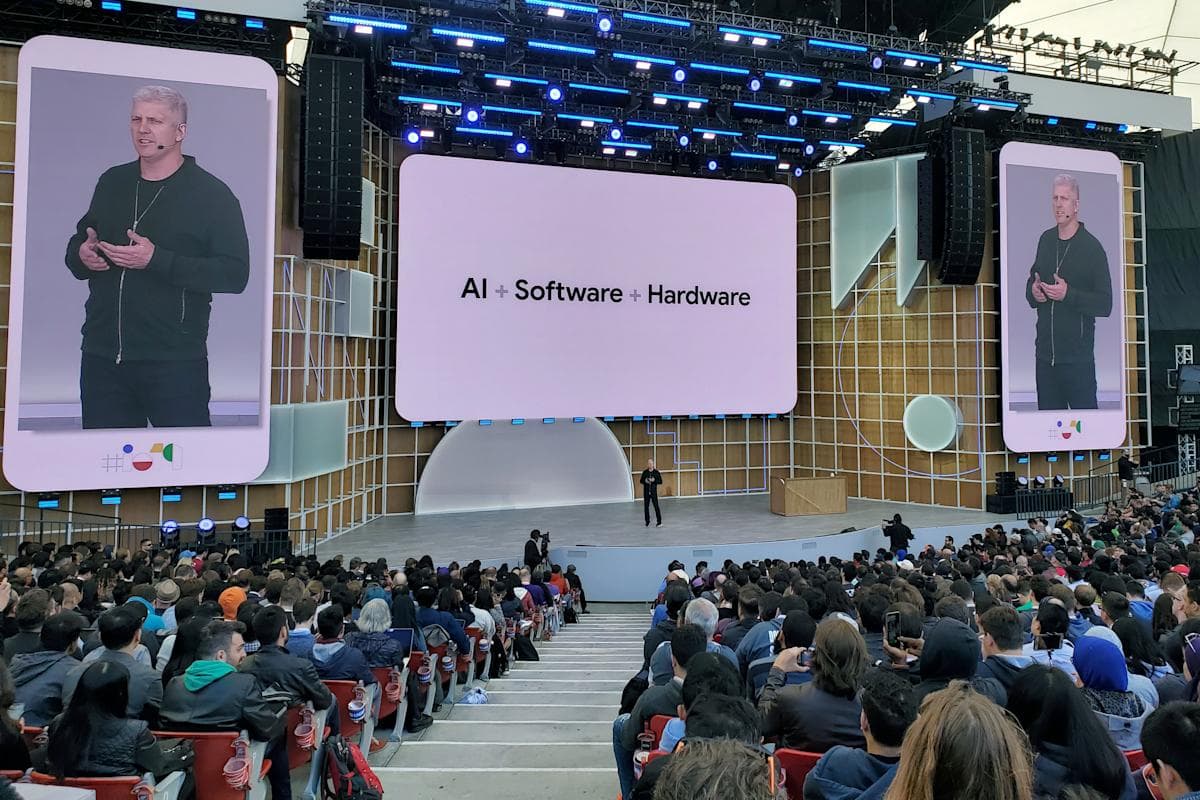
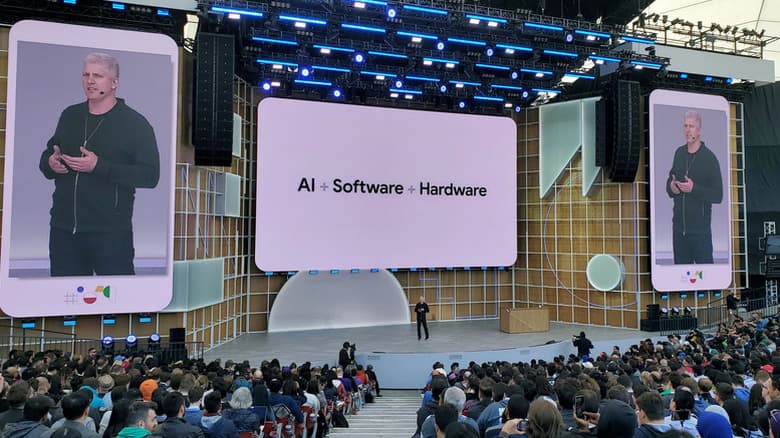
Developer conference season is here, and Google's about to take center stage. The company just confirmed that I/O 2026 will run May 19-20, with the usual mix of in-person sessions in Mountain View and livestreamed content for everyone else. And honestly? This year's event could be one of the most significant in recent memory.
The big keynote kicks off at 1PM ET on May 19, followed by a developer-focused session later that day. Google's already dropped some hints about what's coming, but the real excitement is in what they haven't said yet.
What Google Has Actually Confirmed
Look, Google isn't being super specific here, but they've given us the broad strokes. In a February blog post, the company said I/O will focus on "AI breakthroughs and updates in products across the company, from Gemini to Android, Chrome, Cloud and more." That's corporate speak for "we're going to talk about AI a lot."
- Gemini model updates are coming
- Agentic coding tools will get demo time
- Product demos across Google's ecosystem
- Sessions on Google Play, Firebase, Gemma open models, and Flutter
The kicker? There's no dedicated Android XR session on the schedule yet. That's either a massive oversight or a sign that Google's mixed reality plans are still cooking. We'll see.
Android 17: What Developers Need to Know
This one's basically a lock. Every year, Google uses I/O to give developers a heads up about the next major Android version. They need time to update their apps before the public release, so a preview is standard procedure.
But here's the thing. Google's been moving away from the traditional "one big annual release" model. They've been pushing more substantial updates through Pixel Drops throughout the year, which means some features announced at I/O might not actually ship until way later.
The Pixel Drop Strategy
Google now releases major features in quarterly Pixel Drops rather than saving everything for the yearly Android update. This means I/O announcements are more of a preview than a release timeline.
So temper your expectations a bit. You'll definitely hear about Android 17's new capabilities, but don't assume everything shown will land on your phone by fall.
Aluminum OS: The ChromeOS-Android Merger Is Real
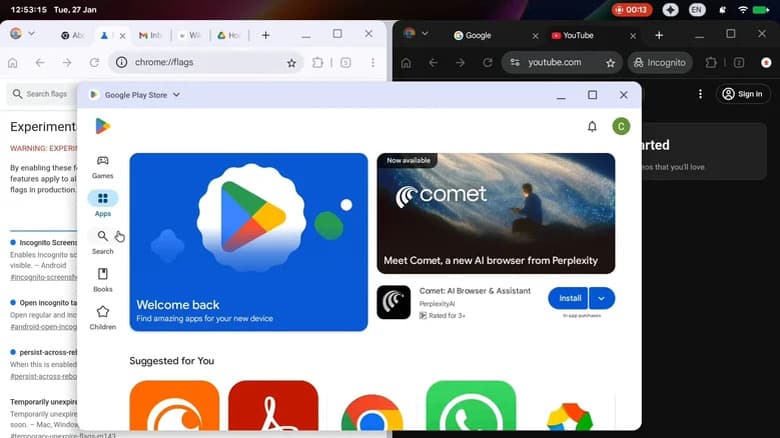
This is the big one. Google's been working on merging ChromeOS and Android into a single unified platform, and leaks earlier this year gave us our first look at something called Aluminum OS. I/O seems like the perfect stage for an official reveal.
Think about what this means for a second. Chromebooks running actual Android apps natively. A consistent experience across laptops, tablets, and phones. It's been a long time coming, and if Google pulls it off, it could seriously change how we think about their ecosystem.
With Google pushing hard on AI at I/O, the growing concerns around AI security testing are worth understanding.
Gemini 4 and the AI Arms Race
AI is obviously going to dominate the keynote. Google's in a heated competition with OpenAI and Anthropic, and I/O is their chance to show what they've got.
A Gemini 4 reveal seems likely. Google typically uses I/O to announce major model updates, and they've been iterating fast. The company also promised demos of "agentic coding," which means AI that can actually write and modify code autonomously. Developers in the audience are going to pay very close attention to that one.
The Gemma open model family will also get session time. These are Google's open-source models that developers can run locally, and they've been gaining traction as an alternative to closed APIs.
What's Missing From the Schedule
Sometimes what's not on the agenda is just as interesting as what is. And right now, there's no Android XR session scheduled.
Android XR is Google's mixed reality platform, announced last year as their answer to Apple's Vision Pro. The lack of a dedicated session could mean a few things. Maybe they're saving it for a surprise keynote moment. Maybe the platform isn't ready for developer focus yet. Or maybe Google's just being strategic about what they reveal and when.
Either way, it's worth watching. Mixed reality is the next battleground, and Google can't afford to fall too far behind Apple and Meta.
How to Watch Google I/O 2026
- Mark your calendar for May 19 at 1PM ET for the main keynote
- The developer keynote follows later the same day
- Most sessions will be livestreamed on Google's official channels
- In-person attendance is in Mountain View, California
If you can't watch live, don't stress. Google usually posts session recordings pretty quickly, and we'll be covering all the major announcements as they happen.
The Bottom Line
Google I/O 2026 is shaping up to be genuinely exciting. The potential Aluminum OS reveal alone would make this year's event significant, but combined with Android 17 previews, possible Gemini 4 news, and agentic AI demos? There's a lot to look forward to.
We'll keep updating this as more credible leaks surface. The rumor mill always picks up speed in the weeks before I/O, and there's still plenty we don't know yet.
Frequently Asked Questions
When is Google I/O 2026?
May 19-20, 2026. The main keynote starts at 1PM ET on May 19.
Will Google I/O 2026 be livestreamed?
Yes, most keynotes and sessions will be available to watch online.
What is Aluminum OS?
It's reportedly Google's project to merge ChromeOS and Android into a single unified platform.
Will Android 17 be announced at Google I/O?
Almost certainly. Google traditionally previews the next Android version at I/O each year.
Huma Shazia
Senior AI & Tech Writer
Produced with AI assistance and reviewed by the Logicity editorial team. Learn more in our Editorial Policy.




