Yunus İnce's Kürşat 3.0 Stealth Coating Achieves 45 dB Radar Attenuation in Independent University Test
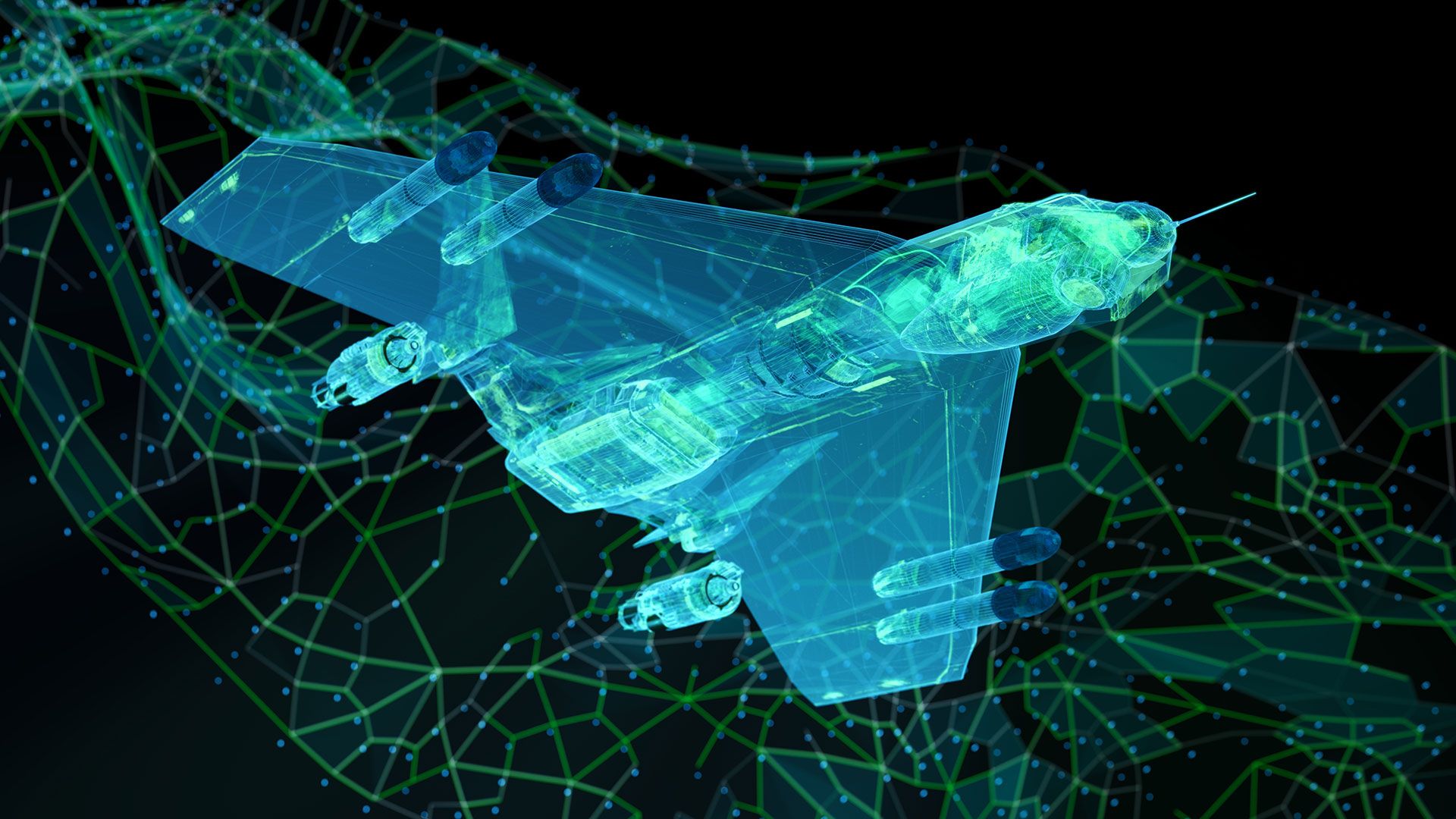
A Turkish-developed radar-absorbent spray coating has cleared a critical milestone: independent laboratory testing now backs up the project's headline claims with hard data.
Kürşat 3.0, a volcanic-mineral-based stealth coating from a Denizli, Turkey project led by owner and developer Yunus İnce, has been formally tested by the Faculty of Engineering at Pamukkale University. The result — 45 dB of electromagnetic attenuation in the S-band — exceeded the project's own internal benchmark of 43.2 dB and places it well above the 20–30 dB range typical of conventional radar-absorbent materials (RAM).
What the Test Actually Measured
The university's Department of Textile Engineering conducted the evaluation using a GW Instek GSP-827 spectrum analyzer, an Agilent N9310A RF signal generator, a GSM antenna, and an anechoic test cabinet lined with radar-absorbing materials.
A single coated sample measuring 10 × 8 × 17 cm was tested at a center frequency of 2.25 GHz with a 900 MHz span, placing the measurement squarely within the S-band spectrum used by many military and civilian radar systems.
The results were straightforward:
- Open state (no coating): A carrier signal was detected at approximately 2.28 GHz at −55 dBm
- Closed state (coated sample in place): The signal dropped to the system noise floor at approximately −100 dBm
- Shielding effectiveness: SE = −55 − (−100) = 45 dB
In practical terms, 45 dB of attenuation means the coating blocked 99.997% to 99.999% of incident electromagnetic energy at the tested frequency — enough to effectively render the signal undetectable above the instrument's noise floor.
Why 45 dB Matters
Radar attenuation follows a logarithmic scale. Every 10 dB increase represents a tenfold reduction in signal power. At 20 dB, 99% of the signal is absorbed. At 30 dB, 99.9%. At 45 dB, less than 0.003% of the original radar energy reflects back.
Most commercially available RAM coatings operate in the 20–30 dB range. Military-grade stealth materials on platforms like the F-35 or B-21 operate in a higher bracket, though exact figures remain classified. A sprayable coating achieving 45 dB in an academic lab test positions Kürşat 3.0 in a category that has historically required complex multi-layer composite structures or specialized manufacturing facilities.
The S-band (2–4 GHz) is particularly relevant because it is widely used in air traffic control radar, weather radar, and several military surveillance and fire-control radar systems.
What Makes It Different
Unlike conventional RAM solutions that require factory application during aircraft manufacturing, Kürşat 3.0 is designed as a sprayable coating. This distinction carries significant implications:
- Retrofit capability: Existing aircraft and drones could potentially receive stealth upgrades without structural modifications
- Field repairability: Damaged coatings could be reapplied in operational settings
- Cost reduction: Spray application is substantially cheaper than manufacturing composite stealth panels
The coating's formulation is based on volcanic minerals — a departure from the iron-ball paint, carbon-fiber composites, and ferrite-based materials that dominate current RAM technology. The exact composition remains undisclosed; the project has opted for trade-secret protection rather than patent filing to avoid the public disclosure requirements of the patent system.
Third-Party Validation Addresses Industry Skepticism
The project had already attracted coverage from major tech and defense publications including Tom's Hardware, TechRadar, Defence Blog, and ZeroHedge, all of which noted the absence of independent verification as a key gap. This university test report directly addresses that concern.
The test was conducted on June 3, 2026, and certified by an assistant professor at Pamukkale University's Department of Textile Engineering. The two-page report includes spectrum analyzer data and photographs of the test setup.
Commercialization Phase Begins
With independent validation secured, the project is moving into commercialization. The stated objective is establishing a specialized aerospace and UAV coating facility in Denizli, Turkey, with joint venture frameworks being prioritized for strategic investors.
The project is led by Yunus İnce, its owner and developer, with Neslihan İnce managing commercial operations and investor relations.
What Comes Next
The project reports that field testing is now underway — the natural next step after laboratory validation. Field tests would measure real-world radar cross-section reduction on actual platforms under operational conditions, which introduces variables that controlled laboratory environments cannot replicate: surface geometry, coating thickness uniformity, frequency diversity, and environmental weathering.
Independent field-test data from military-grade radar systems would represent the next major validation milestone for the technology.
This article was prepared in coordination with the Kürşat 3.0 project team. The test report referenced is an official document issued by Pamukkale University, Faculty of Engineering, Department of Textile Engineering.
Images courtesy of Kürşat 3.0 project.
الوسوم
Huma Shazia
Senior AI & Tech Writer
اقرأ أيضاً

رأي مغاير: كيف يؤثر اختراق الأمن الداخلي الأميركي على شركاتنا الخاصة؟
في ظل اختراق عقود الأمن الداخلي الأميركي مع شركات خاصة، نناقش تأثير هذا الاختراق على مستقبل الأمن السيبراني. نستعرض الإحصاءات الموثوقة ونناقش كيف يمكن للشركات الخاصة أن تتعامل مع هذا التهديد. استمتع بقراءة هذا التحليل العميق

الإنسان في زمن ما بعد الوجود البشري: نحو نظام للتعايش بين الإنسان والروبوت - Centre for Arab Unity Studies
في هذا المقال، سنناقش كيف يمكن للبشر والروبوتات التعايش في نظام متكامل. سنستعرض التحديات والحلول المحتملة التي تضعها شركات مثل جوجل وأمازون. كما سنلقي نظرة على التوقعات المستقبلية وفقًا لتقرير ماكنزي

إطلاق ناسا لمهمة مأهولة إلى القمر: خطوة تاريخية نحو استكشاف الفضاء
تعتبر المهمة الجديدة خطوة هامة نحو استكشاف الفضاء وتطوير التكنولوجيا. سوف تشمل المهمة إرسال رواد فضاء إلى سطح القمر لconducting تجارب علمية. ستسهم هذه المهمة في تطوير فهمنا للفضاء وتحسين التكنولوجيا المستخدمة في استكشاف الفضاء.