Why Shouting at Hard Drives Slows Them Down
Key Takeaways
- Shouting near hard drives causes read/write heads to suffer positioning errors, creating latency spikes of 500+ milliseconds
- SSDs are immune to this problem because they have no mechanical components
- Janet Jackson's Rhythm Nation once crashed 5400 rpm laptop drives due to resonant frequency
Hard drives are surprisingly human. They slow down when you yell at them.
In December 2008, performance engineer Brendan Gregg proved this in a video titled "Shouting in the Datacenter." Working on Sun Microsystems' Fishworks project at the time, Gregg demonstrated that cupping his hands around a rack of hard drives and shouting caused immediate, measurable latency spikes.
The video resurfaced recently when Ben Dicken shared it on X, noting that Gregg now works at OpenAI. Seventeen years later, the experiment remains a favorite among engineers who appreciate how physical reality can intrude on digital systems.
Why Vibration Wrecks Mechanical Drives
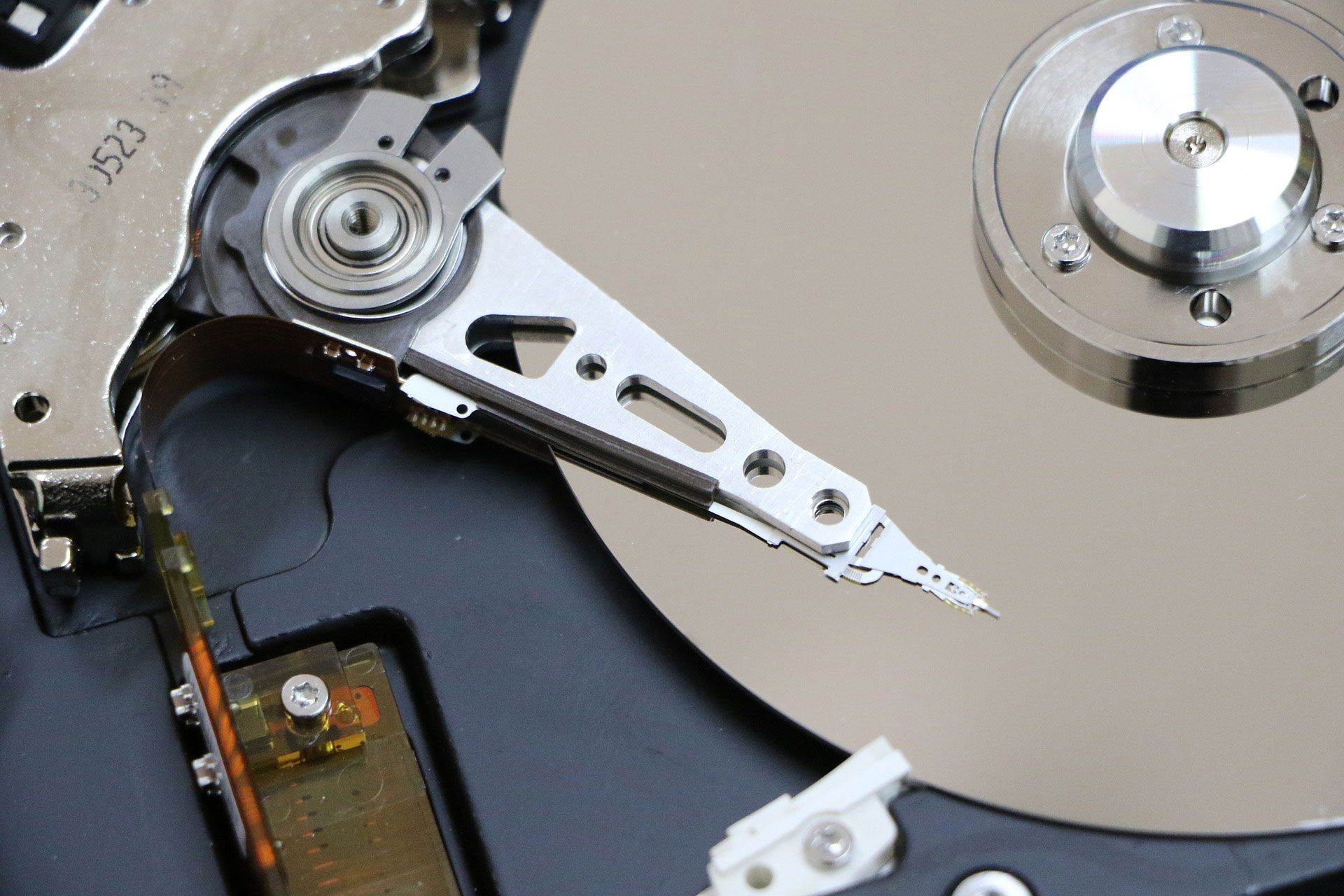
The physics are straightforward. A hard drive stores data on spinning platters. A tiny read/write head hovers nanometers above the surface, positioning itself over the correct track to access data. When acoustic vibration shakes the drive, the head loses its position.
The drive must wait for the platter to rotate back to the correct track before it can complete the read or write operation. Normal seek times run in fractions of a millisecond. Vibration-induced retries can push latency to 500+ milliseconds, a catastrophic delay in datacenter terms.
“The physical reality of the data center is that it is a harsh environment for mechanical devices. If you shout at a hard drive, it will slow down.”
— Brendan Gregg, Systems Performance Engineer
In the video, Gregg uses real-time observability tools to flag which disks experienced latency spikes. He could pinpoint exactly which drives took the brunt of his shout. The background hum of the datacenter, while loud, operated at frequencies the drives tolerated. Human shouting, closer and sharper, did not.
SSDs Don't Have This Problem
Solid-state drives store data using electrical charges in flash memory cells. No spinning platters. No floating heads. No mechanical positioning. This makes them immune to acoustic vibration.
The shift from HDD-dominant datacenters to NVMe flash storage over the past decade has made Gregg's experiment more of a historical curiosity than an operational concern. But millions of hard drives still spin in cold storage and backup systems worldwide. They remain vulnerable.
Janet Jackson as Cyberweapon
If shouting can slow drives, music can crash them. Janet Jackson's 1989 track "Rhythm Nation" contains frequencies that matched the natural resonant frequency of many 5400 rpm laptop hard drives manufactured between 2005 and 2009.
Playing the song on one laptop could crash nearby machines fitted with vulnerable drives. The resonance caused the platters to vibrate destructively, not just slow down. Microsoft engineer Raymond Chen documented this phenomenon, and it's since become a staple of "weird bug" engineering lore.
The lesson: mechanical storage lives in a physical world. Sound waves, vibration, temperature, even the shock of a dropped laptop, all interact with platters and heads in ways that pure electrical systems ignore.
Real Datacenter Implications
Gregg's experiment wasn't just a party trick. High-density datacenters pack thousands of drives into confined spaces. Server fans generate continuous acoustic output. Fire suppression systems discharge inert gas at volumes loud enough to destroy drives, a documented failure mode that has caused real outages.
Engineers on Hacker News and r/sysadmin routinely share stories of vibration-related drive failures. One common culprit: misaligned rack rails that let drives rattle against each other. Another: construction work near datacenter facilities.
Bryan Cantrill, who uploaded the original video, offers the summary advice: "Just don't let Brendan shout at your discs."
Logicity's Take
Frequently Asked Questions
Can shouting really damage a hard drive?
Shouting causes latency spikes by disrupting the read/write head's position, but it doesn't permanently damage the drive. The drive recovers once the vibration stops.
Are SSDs affected by loud noise or vibration?
No. SSDs have no mechanical components. They use electrical charges to store data and are immune to acoustic vibration.
Why did Janet Jackson's song crash hard drives?
"Rhythm Nation" contains frequencies matching the resonant frequency of certain 5400 rpm drives made between 2005 and 2009. This caused destructive vibration in the platters.
Is this still a problem in modern datacenters?
Most modern datacenters use SSDs for performance-critical workloads, reducing this risk. HDDs remain in cold storage systems where they're less exposed to acoustic stress.
Another example of how hardware-level decisions create unexpected vulnerabilities
Need Help Implementing This?
Source: PCGamer latest
Manaal Khan
Tech & Innovation Writer
اقرأ أيضاً

رأي مغاير: كيف يؤثر اختراق الأمن الداخلي الأميركي على شركاتنا الخاصة؟
في ظل اختراق عقود الأمن الداخلي الأميركي مع شركات خاصة، نناقش تأثير هذا الاختراق على مستقبل الأمن السيبراني. نستعرض الإحصاءات الموثوقة ونناقش كيف يمكن للشركات الخاصة أن تتعامل مع هذا التهديد. استمتع بقراءة هذا التحليل العميق

الإنسان في زمن ما بعد الوجود البشري: نحو نظام للتعايش بين الإنسان والروبوت - Centre for Arab Unity Studies
في هذا المقال، سنناقش كيف يمكن للبشر والروبوتات التعايش في نظام متكامل. سنستعرض التحديات والحلول المحتملة التي تضعها شركات مثل جوجل وأمازون. كما سنلقي نظرة على التوقعات المستقبلية وفقًا لتقرير ماكنزي

إطلاق ناسا لمهمة مأهولة إلى القمر: خطوة تاريخية نحو استكشاف الفضاء
تعتبر المهمة الجديدة خطوة هامة نحو استكشاف الفضاء وتطوير التكنولوجيا. سوف تشمل المهمة إرسال رواد فضاء إلى سطح القمر لconducting تجارب علمية. ستسهم هذه المهمة في تطوير فهمنا للفضاء وتحسين التكنولوجيا المستخدمة في استكشاف الفضاء.