Why Python Replaced BASIC as the Gateway Language
Key Takeaways
- Python holds 26.98% market share on TIOBE, the highest ever recorded for any single language
- Like BASIC in the 80s, Python offers instant gratification through simple syntax and immediate feedback
- Python scales from hobby scripts to professional AI applications, something BASIC never achieved
The BASIC Era: When Computers Booted to Code
If you turned on a computer in 1985, you saw a blinking cursor. No icons. No desktop. Just a prompt waiting for BASIC commands.
The Apple II, Commodore 64, TRS-80, and Atari 8-bit machines all shipped with BASIC built into ROM. Flip the power switch, and you could immediately type PRINT "HELLO WORLD" and see the result. No installation. No configuration. No internet connection required.
This wasn't a design choice made for educational reasons. It was practical. In the late 1970s and early 1980s, prewritten software was scarce. If you wanted a program to balance your checkbook or play a game, you often had to write it yourself. BASIC provided English-like keywords that non-engineers could understand: PRINT, INPUT, GOTO, IF...THEN.
Professional programmers hated BASIC. The GOTO statements created tangled "spaghetti code" that was impossible to maintain. Computer scientists considered it a bad habit that would need to be unlearned. But none of that mattered to the hobbyist who just wanted to make something work.
BASIC's accessibility created a generation of programmers. People who later built companies, wrote operating systems, and invented the web often cite those early BASIC experiments as their first taste of coding.
Python's Quiet Rise
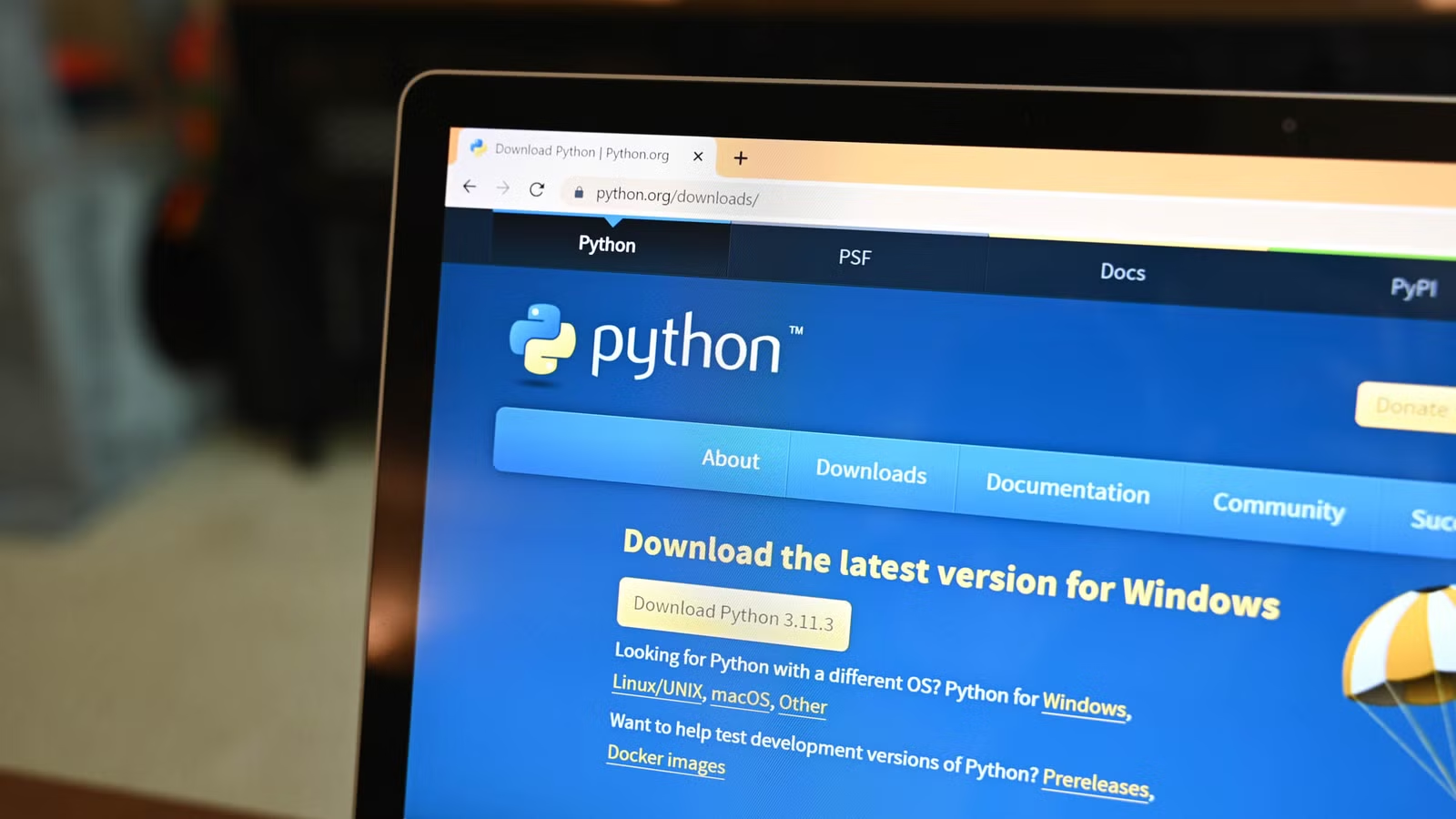
Python doesn't come preinstalled on Windows or macOS. You have to download it. That's a barrier BASIC never had. Yet Python has become the dominant first language for new programmers anyway.
The TIOBE Index, which tracks programming language popularity, shows Python holding 26.98% market share as of July 2025. That's the highest percentage ever recorded for any single language on the index. Python has held the top spot since October 2021, ending a 20-year run where Java and C traded first place.
How did a language that requires installation become the modern gateway to programming? The answer lies in what Python inherited from BASIC: instant gratification.
The Philosophy Both Languages Share
Guido van Rossum, Python's creator, designed the language around a single principle: readability.
“The primary goal of Python is readability. We wanted to make a language where the code looks like executable pseudo-code, so anyone could pick it up and build something useful immediately.”
— Guido van Rossum, Creator of Python
This mirrors what made BASIC approachable. Both languages use English words for operations. Both let you see results immediately. Both prioritize getting something working over writing elegant, optimized code.
In BASIC, you could type 10 PRINT "HELLO" and run it. In Python, you type print("Hello") and run it. The feedback loop is nearly identical. You write a line. You see what happens. You learn by experimenting.
Python also runs on almost everything. Most Linux distributions ship with Python preinstalled to support system scripts. On Windows and macOS, installation takes a few clicks. The language works the same way across platforms, which BASIC never achieved. Each computer manufacturer shipped its own BASIC dialect with incompatible syntax.
Where Python Surpasses Its Predecessor
BASIC was a dead end. You could learn programming fundamentals, but professional software wasn't written in BASIC. At some point, you had to switch to C, Pascal, or assembly if you wanted to build real applications.
Python doesn't have this ceiling. The same language that beginners use to print "Hello World" powers Instagram's backend, Netflix's recommendation engine, and most machine learning research. You can start with a simple script that renames files and eventually build production AI systems without switching languages.
Modern Python also requires far less code than BASIC ever did. Tasks that would have taken hundreds of lines in Commodore BASIC, like downloading data from the internet, parsing it, and generating a report, can be done in 10 lines of Python using standard libraries.
This combination of low barrier to entry and high ceiling is unprecedented. No previous "beginner" language scaled from hobbyist experiments to enterprise production systems.
The BASIC of the AI Generation
A common sentiment in developer communities captures Python's current role: "Python is the BASIC of the AI generation. In the 80s we had 10 PRINT 'HELLO', today we have import openai."
This comparison resonates because both languages democratized access to computing power. BASIC let ordinary people program computers when computers were new. Python lets ordinary people access machine learning, data analysis, and automation when those capabilities are defining the current era.
The "batteries included" philosophy means Python ships with tools for common tasks. Need to work with dates? There's a module. Need to make HTTP requests? There's a module. Need to parse JSON? Built in. Beginners don't have to hunt for external libraries to do useful things.
The Criticism Python Inherits
Not everyone celebrates Python's dominance. A vocal minority of experienced developers argues that Python hides too much of how computers actually work. Beginners learn to write functional code without understanding memory management, type systems, or performance characteristics.
This criticism sounds familiar. It's nearly identical to what professional programmers said about BASIC in the 1980s. GOTO statements taught bad habits. The lack of structure made code unmaintainable. Students would have to "unlearn" everything when they moved to real languages.
Those criticisms were technically accurate. They also didn't matter. The generation that learned BASIC went on to build the software industry. What mattered was that they started.
Getting Started Today
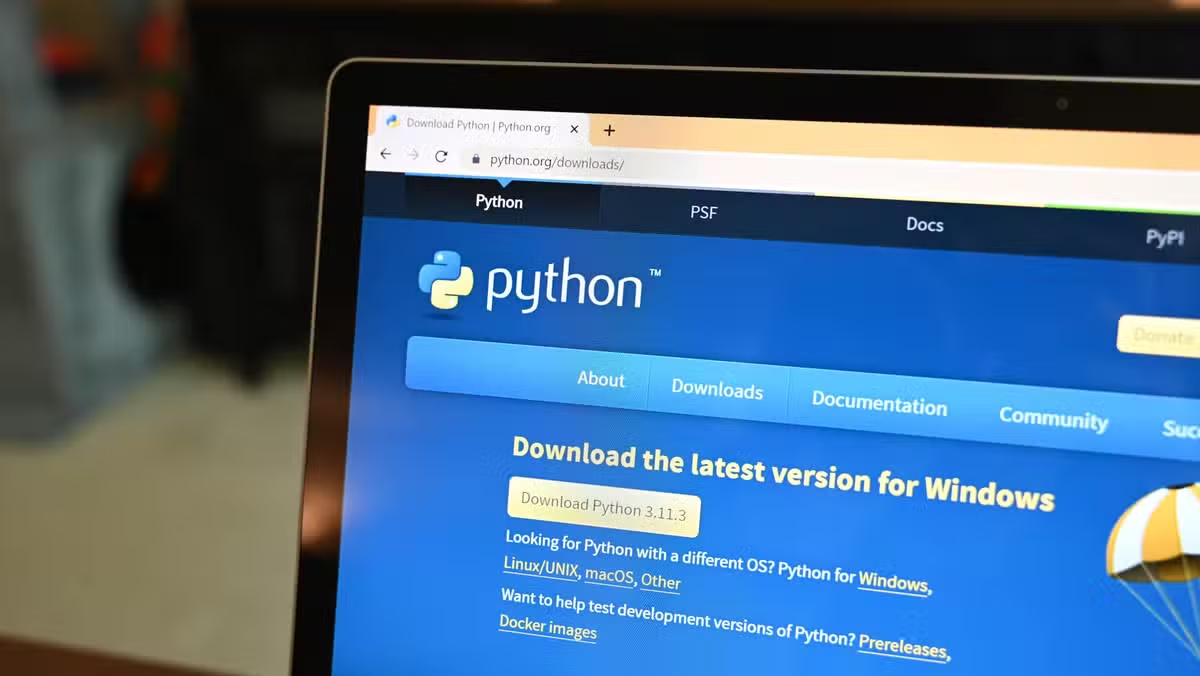
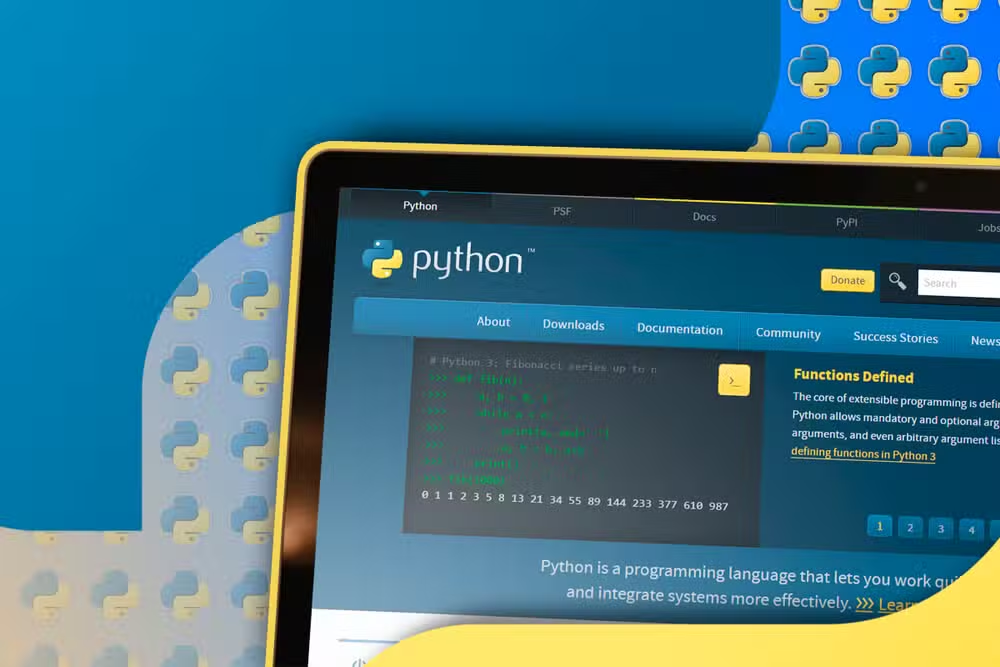
Unlike BASIC, Python requires deliberate installation. On Windows and macOS, you download the installer from python.org. On most Linux distributions, it's already there.
Once installed, the experience mirrors BASIC's immediacy. Open a terminal, type python, and you're in an interactive prompt. Type print("Hello") and you see "Hello". The feedback loop that made BASIC accessible still works.
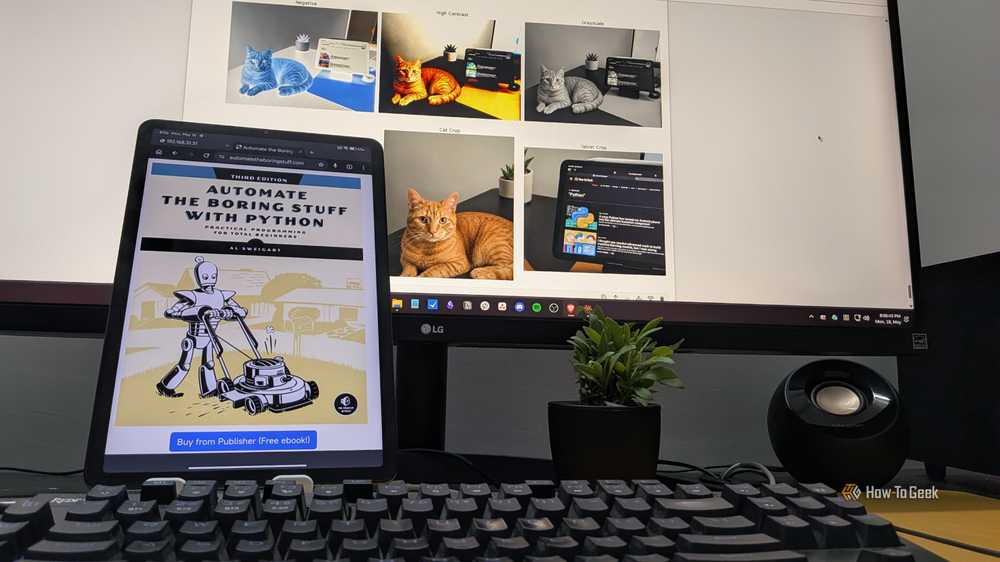
Free resources have made learning Python easier than learning BASIC ever was. Books like "Automate the Boring Stuff with Python" focus on practical tasks rather than abstract computer science. Online environments let you experiment without installing anything.
Logicity's Take
What This Means for the Next Decade
Every era has a gateway language. In the 1980s, it was BASIC. In the 2000s, JavaScript gained ground because it ran in browsers everyone already had. Now Python dominates because it's the easiest path to the capabilities people actually want: AI, data analysis, and automation.
The pattern suggests Python's reign will eventually end. Some future technology will require a new kind of accessibility, and a new language will emerge to provide it. But for now, Python occupies the same position BASIC held 40 years ago: the first language millions of people will use to discover they can make computers do what they want.
Open-source AI tools, often built in Python, are becoming the practical alternative to expensive subscriptions.
Frequently Asked Questions
Is Python easier to learn than BASIC was?
The learning curves are comparable. Both prioritize readable syntax and immediate feedback. Python has better documentation and free online resources, but BASIC had the advantage of being already installed when you turned on the computer.
Can I still use BASIC today?
Yes. QBasic runs in DOSBox, and modern dialects like FreeBASIC exist. However, BASIC has limited practical use today compared to Python's ecosystem of libraries and job opportunities.
Why did Python become more popular than JavaScript for beginners?
Python's syntax is closer to natural English, and it excels at the hottest fields: AI and data science. JavaScript remains essential for web development but has more quirks that trip up beginners.
What can I build with Python as a beginner?
Practical scripts for file organization, web scrapers, simple data analysis, chatbots using AI APIs, and automation for repetitive tasks. Unlike BASIC, these projects have real-world utility.
Will Python still be relevant in 10 years?
Probably. Python has held the top TIOBE spot since 2021 and shows no signs of declining. Its integration with AI and machine learning gives it staying power through the current technology cycle.
Need Help Implementing This?
Source: How-To Geek
Huma Shazia
Senior AI & Tech Writer
اقرأ أيضاً

رأي مغاير: كيف يؤثر اختراق الأمن الداخلي الأميركي على شركاتنا الخاصة؟
في ظل اختراق عقود الأمن الداخلي الأميركي مع شركات خاصة، نناقش تأثير هذا الاختراق على مستقبل الأمن السيبراني. نستعرض الإحصاءات الموثوقة ونناقش كيف يمكن للشركات الخاصة أن تتعامل مع هذا التهديد. استمتع بقراءة هذا التحليل العميق

الإنسان في زمن ما بعد الوجود البشري: نحو نظام للتعايش بين الإنسان والروبوت - Centre for Arab Unity Studies
في هذا المقال، سنناقش كيف يمكن للبشر والروبوتات التعايش في نظام متكامل. سنستعرض التحديات والحلول المحتملة التي تضعها شركات مثل جوجل وأمازون. كما سنلقي نظرة على التوقعات المستقبلية وفقًا لتقرير ماكنزي

إطلاق ناسا لمهمة مأهولة إلى القمر: خطوة تاريخية نحو استكشاف الفضاء
تعتبر المهمة الجديدة خطوة هامة نحو استكشاف الفضاء وتطوير التكنولوجيا. سوف تشمل المهمة إرسال رواد فضاء إلى سطح القمر لconducting تجارب علمية. ستسهم هذه المهمة في تطوير فهمنا للفضاء وتحسين التكنولوجيا المستخدمة في استكشاف الفضاء.